





Introduction — The Passo Sella Myth: one road, a thousand feelings
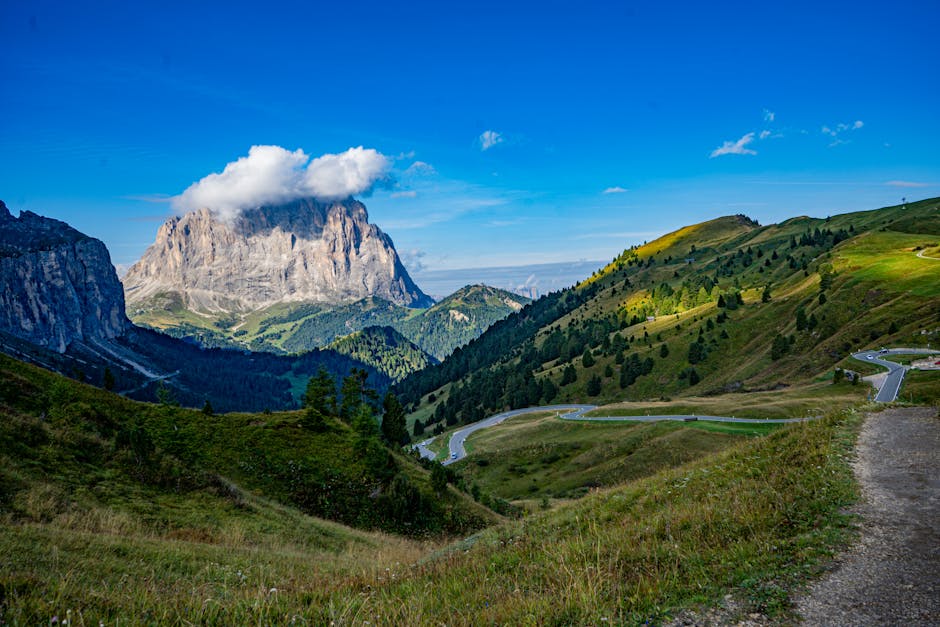
Driving across the Passo Sella is stepping into a Dolomites legend: a string of hairpin turns carved between sheer cliffs, breath-stealing panoramas and a feeling of awe that hits from the first kilometers. Nestled in the heart of the Dolomites, on the border between Trentino-Alto Adige and South Tyrol, the Passo Sella (Italian “Passo Sella”, German “Sellajoch”) links Val Gardena to Val di Fassa via the SS242 — a road that winds like a mineral boundary between vast limestone walls and alpine meadows. This crossing is more than just a drive: it’s a full sensory immersion into a place where geology, history and Ladin culture intermingle.
Behind the wheel you’ll feel the rush of tight switchbacks, the calm of scenic viewpoints where you stop to soak it all in, and the thrill of standing before rock giants with legendary names: Sassolungo (Langkofel), Sassopiatto (Plattkofel) and the Sella massif that crowns the pass. Hikers, motorcyclists and cyclists share the route, creating a choreography of two wheels and car bodies. Light plays a key role: at dawn the eastern faces ignite; late afternoon turns the rock to orange then violet — the unmistakable signature of the Dolomites.
This route is also a concentrate of local experiences: mountain huts serving hearty dishes, small Ladin villages where the Ladin language is still spoken, museums and interpretation points, and useful spots for travelers who want to enjoy the road with peace of mind. This article is written as a comprehensive guide, blending immersive narrative, route suggestions, precise addresses, opening hours, indicative prices and practical tips so your Passo Sella crossing by car becomes an unforgettable — and respectful — experience.
Before you set off, remember mountain weather can change fast: late snow in spring, sudden fog in autumn or summer thunderstorms. The SS242 is generally open year-round, but temporary closures for maintenance or dangerous conditions are not uncommon. Finally, note the area is more than just views: hiking trails start from the pass, via ferratas require technical skill, and memorial sites tell stories from World War I that left marks on this landscape.
 Click here to book a day trip to Cortina and the Dolomites

Preparing your crossing: logistics, safety and timing
Preparation is the key to a successful Passo Sella drive. The pass sits on the SS242 (Strada Statale 242) between Selva di Val Gardena (Wolkenstein in Gröden) and Canazei. Practical coordinates for the pass: Passo Sella / Sellajoch, elevation 2,240 m — kilometer point varies by direction (check your GPS). The road is paved, but in high season traffic can be heavy; in low season check road conditions and the possible presence of snow or black ice.
Check your vehicle before departure: tire pressure, oil and coolant levels, brakes. If you travel in winter or shoulder seasons (roughly November to April, variable), snow chains or winter tires are mandatory. Likewise, if you drive a campervan or heavy vehicle, check size and weight restrictions: certain stretches and parking areas near the pass are narrow.
Recommended times: to enjoy clearer traffic and exceptional light, aim to leave early morning (6:30–9:00) or late afternoon (16:00–19:30). Midday is often busiest, especially in July–August. If you plan photo stops, walks or a hut lunch, add 2–4 hours to your schedule.
Parking: there are several parking areas at the summit and near the huts. The main Passo Sella car park is free but fills up in high season; other car parks near huts may charge €3–€10 per day depending on the season. Respect signage and avoid parking on the shoulders where you might obstruct traffic.
- Fuel: fill up in the main valleys (Selva di Val Gardena, Santa Cristina, Canazei); high-altitude stations are rare.
- Supplies: bring water, snacks and extra clothing (windbreaker, warm jacket).
- Insurance and assistance: check your mountain coverage and note emergency numbers: 112 (Europe), 118 (medical emergency in Italy).
Local tip: several car parks have picnic areas and short trails to viewpoints. Bring a bag for your rubbish — the mountains must be respected. Also check with local tourist offices for precise road status on the day of your crossing.
Click here to book a transfer from Venice airport

Detailed route and must-stop spots between Selva di Val Gardena and Canazei
To get the most out of Passo Sella, it’s best to plan a clear route from Selva di Val Gardena (Wolkenstein) toward Canazei. Typical start: Selva di Val Gardena, Piazza Ciampac / Str. Rezia. Useful address: Ufficio Turistico Selva Val Gardena, Strada Rezia 54, 39048 Selva di Val Gardena (BZ), Italy. Indicative opening hours: 08:30–12:30 and 14:00–18:00 in high season (May–October), closed Sunday mornings out of season. Admission: free. It’s where you’ll pick up maps, weather info and local hiking advice.
First recommended stop: the Col Rodella (Passo Gardena) viewpoint for a first panorama of the Sella towers. Then follow the SS242 toward Passo Sella. Midway, stop at Rifugio Vicenza / Rifugio Vallunga (seasonal opening) to sample Tyrolean and Ladin specialties: canederli (Knödel), speck, polenta and strudel. Example hut: Rifugio Sella (indicative address) — « Rifugio Sella, Passo Sella, 39048 Selva di Val Gardena (BZ) ». Opening hours: typically 08:00–20:00 from late May to early October; main course price: €12–€22.
A classic photo stop: the viewpoint on Sassolungo (Langkofel) with the road in the foreground. It’s the image that ends up on most postcards. Take a short walk along the trail to the alpine meadows to appreciate the flora and the hush between the rocks.
Heading down toward Canazei (Val di Fassa), don’t miss the village of Campitello di Fassa and the nearby Passo Pordoi, home to the Funivia Passo Pordoi (cable car) to the Sass Pordoi viewpoint — the “balcony of the Dolomites.” Address: Funivia Passo Pordoi, Strada Col di Lana 1, 38036 Canazei (TN), Italy. Indicative hours: 08:30–16:30 (check seasonality). Indicative round-trip fare: around €16–€20 for an adult (2024 prices). From the top the panoramic view of the Sella range is spectacular and offers a different side to the crossing.
Click here to discover the Sellaronda in half a day
Huts, restaurants and practical addresses around Passo Sella
Mountain huts are a central part of the experience: cozy interiors, hearty dishes and unbeatable views. Here’s a selection noted for location, cuisine and welcome. Note: opening hours and prices change with the season, so call ahead.
-
Rifugio Salei al Passo Sella
Address: Passo Sella, 39048 Selva di Val Gardena (BZ), Italy.
Opening (seasonal): usually open late May to October, 08:00–19:00.
Indicative prices: main course €12–€20, drinks €3–€6.
Description: panoramic terrace facing the Sassolungo, Ladin specialties. -
Rifugio Sasso Piatto (Vicenza)
Address: located at the foot of Sassopiatto, access from Passo Sella (GPS coordinates available in the nearest village).
Hours: weather-dependent; often 08:30–18:00 in high season.
Price: typical menus €10–€22.
Description: family atmosphere, generous portions, popular with hikers and cyclists. -
Ristorante Pizzeria Baita Gardena
Address: Str. Rezia 168, 39048 Selva di Val Gardena (BZ), Italy.
Hours: 12:00–14:30 and 18:00–22:00 (variable).
Average price: pizza €8–€12, mains €12–€25.
Description: a good option arriving or leaving Selva, Italian and Tyrolean cuisine.
Local tip: opt for huts at lunchtime to enjoy the view unhurried. Huts generally accept cash and cards, but some remote places still prefer cash. For overnight stays, Selva di Val Gardena and Canazei offer hotels and B&Bs for all budgets: high-end (from €150/night), mid-range (€80–€150/night) and mountain huts/baite for altitude nights (€40–€90/night).
Hikes, via ferrata and additional activities around the pass
Passo Sella is an excellent starting point for short and long hikes, as well as via ferratas (protected climbing routes). Trails range from easy, contemplative walks to technical, demanding routes. Representative itineraries include:
- Loop around the Sassolungo (Langkofel): 3–5 hour circuit depending on the route, moderate to steep elevation gain. Usual start from the Passo Sella car park. Constant panoramas of the massif.
- Sentiero dei Finanzieri / Sentiero della Pace: hikes that cross First World War sites — bunkers and reconstructed trenches. Ideal for those drawn to history and landscape.
- Via Ferrata Oskar Schuster: a protected route for experienced climbers (mandatory equipment: helmet, harness, lanyards); pay attention to weather conditions.
For cyclists, Passo Sella is a mythic challenge: climbs with varying gradients, stunning views and technical descents. E-bike rentals are available in the valleys (example: Shop Bike rentals in Selva di Val Gardena, Str. Rezia 66, 39048 Selva di Val Gardena — approximate hours 08:30–18:00; e-bike rental rates: €35–€60/day).
Safety and gear: for multi-hour hikes bring water (minimum 1.5 L per person), food, a waterproof jacket, a map (paper or an offline GPS app) and a first-aid kit. For via ferrata, rent or buy a full kit and if you’re a beginner hire a certified mountain guide (search for “Guide Alpine Dolomites” or contact the local tourist office).
Click here to book a guided hike in South Tyrol

Ladin culture, history and nearby memorial sites
The Dolomites are not just a geological masterpiece, they’re also a culturally rich territory: Ladin culture remains alive here. Ladin is a Romance language spoken in several Dolomite valleys, shaped by traditions, cuisine and local festivals. Passo Sella sits at the heart of a cultural tapestry where every village tells part of this identity.
Museums and cultural points of interest nearby:
- Museo Ladin “Ciastel de Tor” — Corvara in Badia (an example nearby): a typical place to discover Ladin history. (Check address and hours by season). Entrance fee varies (usually €5–€10).
- Monuments and traces of the Great War — several forts, trenches and tunnels are accessible via marked trails. They help you understand the strategic importance of these passes during the conflict.
Cultural tip: if your crossing coincides with a local festival (fair, artisan market, transhumance celebration), take the time to join in. It’s the perfect chance to taste local specialties: casunziei (Ladin ravioli), speck, frånzola (local cheese), and artisanal valley wines or beers.

Photography and best spots to capture the pass
Passo Sella is a photographer’s paradise, beginner or pro. Light and composition shift dramatically by hour and weather. Here are tips and precise spots to help you come away with memorable images:
- Dawn (golden hour): park on the Selva side to catch first light on the east face of Sassolungo. Contrasts are soft and colors rich.
- Viewpoint south of the car park: perfect for a sweeping view of the switchback road with the Sella massif in the background. Use a wide-angle to frame road and mountain.
- Late afternoon: the western faces blaze orange; the summit of Piz Boè (from surrounding ridges) offers 360° panoramas.
Technical tips: tripod for long exposures (dawn/dusk), polarizing filter to deepen skies and cut reflections, telephoto for isolating wildlife (ibex, marmots) or rock details. Respect nature: stay on trails for safety and do not approach wild animals.
Click here to book a professional photo session
Local practical tips and final recommendations
Here’s a checklist of practical tips compiled from frequent Dolomites travelers so your Passo Sella drive is comfortable and responsible:
- Check local weather: consult tourist office bulletins (e.g. Ufficio Turistico Selva Val Gardena) and webcams online the night before and the morning of departure.
- Respect nature: pack out your rubbish, don’t pick protected flowers and keep a respectful distance from wildlife.
- Drive defensively: adapt speed to bends and the presence of cyclists or pedestrians; local signage is often strict and enforced.
- Cash: some huts prefer cash — carry small notes (10–50 €).
- Hut opening times: outside high season many huts close early or remain closed; plan meals and breaks accordingly.
- Winter access: the road can close occasionally; check with local authorities. Chains and winter tires often required.
- Respect the locals: Ladin valleys live off the mountain — be discreet, avoid noise and support local businesses.
Finally, be ready to improvise: the magic of Passo Sella also comes from chance encounters, clouds that turn the landscape into a theatre, and huts where you share a simple meal after a day on the road. Take your time, stop at viewpoints, give way to pedestrians and cyclists, and above all, savor every bend.

Conclusion — Beyond the road: an initiatory crossing
Driving the Passo Sella isn’t merely moving from point A to point B: it’s a short initiation into Dolomite vastness, a sequence of images etched into memory. Each bend tells a story — of a massif sculpted by the elements, of a living Ladin culture and of human activity that has learned to coexist with altitude. Between Selva di Val Gardena and Canazei, the SS242 condenses sensations: the driver’s mental focus on the winding road, the silence that falls at a viewpoint, the warmth of a hut after a walk, and the solemnity of peaks that seem to watch over you.
The Dolomites, a UNESCO World Heritage site, deserve to be explored with care and curiosity. Prepare your crossing by checking road conditions, pick quiet times to enjoy the views and favor huts and local shops to support valley economies. Pack good footwear, clothing for rapid changeable weather and, if possible, devote a day or two to explore: stop more often, follow a trail, ride the cable car to Sass Pordoi or simply sit and listen.
Whether you come for photography, hiking, food or simply the drive, Passo Sella reveals itself with each visit. It delivers an experience that goes beyond visual beauty to become a full sensory encounter — the scent of meadows, the taste of hot strudel, the crunch of gravel under boots and the timeless silence of a rock face. Hold onto these impressions, share them, but above all respect this fragile landscape: that’s the best way to ensure others can enjoy the same legendary crossing tomorrow.