





Introduction
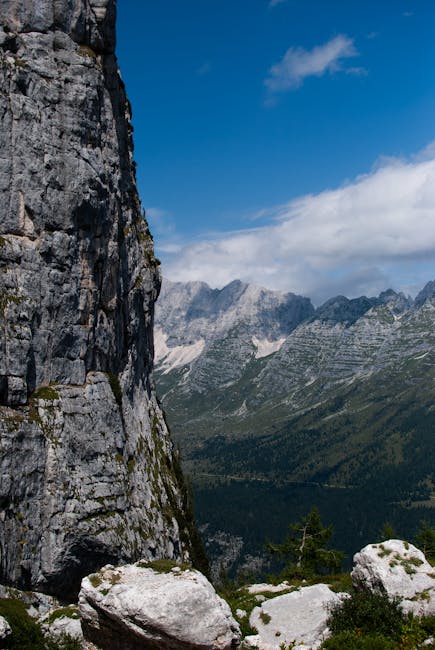
Heading out on a photographic road trip through the Dolomites isn’t just about driving from point A to point B — it’s about crafting a sequence of light-filled moments, rocky compositions and shifting weather moods that change with every turn. The Dolomites, a UNESCO World Heritage site stretching across several provinces in north‑eastern Italy, offer a huge variety of motifs — limestone spires, high‑altitude lakes, alpine meadows, historic mountain huts and vertiginous passes — perfect for building a cohesive photo project. This practical guide lays out five key stops to structure your photographic road trip, mixing exact locations, approximate current prices and opening times, technical tips and local recommendations to help you get the most out of your shots.
Before you even turn the key, think about the story you want to tell: mountain portraits at sunrise, dreamlike twilight landscapes, geological details in macro, or photo‑documentaries on life in the mountain huts. The Dolomites also demand careful logistics: narrow mountain roads, cable car timetables that depend on the season, paid parking and rapidly changing weather. Pack protective gear for your kit (rain covers, plastic bags), extra batteries and offline maps — mobile coverage can be unreliable at altitude.
This road trip is designed for a measured pace: prioritize iconic locations but spend enough time at each spot to capture the best light and try multiple angles. Below you’ll find five stops chosen for their visual power and drive‑accessibility, with practical details (exact addresses, indicative prices in euros, opening times for sites or services) and local tips to optimize your photo sessions. Whether you’re an enthusiastic amateur or a seasoned pro, these stops will help you build a coherent series and create memorable images of the Dolomites.
Finally, respect local rules: don’t leave marked trails without permission, respect wildlife and vegetation, carry out your trash, and if you fly a drone check restrictions around huts and protected areas. With these precautions you’ll be able to fully enjoy the spectacular scenes the Dolomites offer and return with a varied, rich portfolio. Here are the five stops that will shape your photographic road trip through the Dolomites.
1. Lago di Braies (Pragser Wildsee) — sunrise and perfect reflections
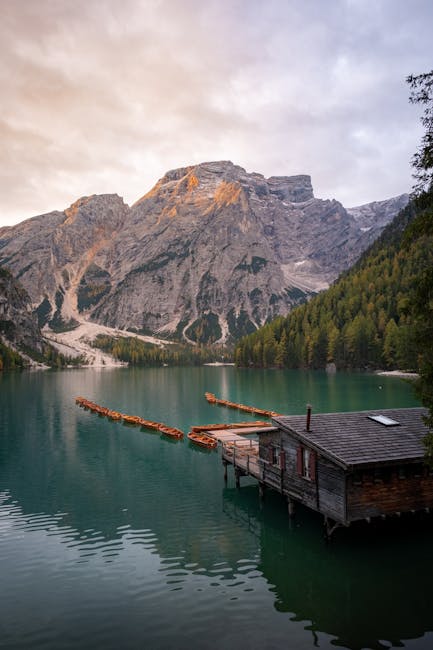
Lago di Braies, known in German as Pragser Wildsee, is one of the most photographed lakes in the Dolomites thanks to its emerald hues and mountain silhouettes mirrored in the water. Address: Lago di Braies, 39030 Braies (BZ), Italy. The lake is accessible by car year‑round, though roads can be closed or restricted in winter; check with the tourist office. Official parking: Parcheggio Lago di Braies, 39030 Braies (BZ). Indicative parking fee: €8–12 per day in high season (July–August). Access hours: the lakeside area is usually reachable 24/7 (road access depends on winter conditions), but public parking may close at night. Walking the circular lakeside path is free.
Shooting Lago di Braies at sunrise helps you avoid the crowds and capture near‑perfect reflections on mirror‑calm water. Arrive at least 45–60 minutes before sunrise to set up your tripod near the main jetty and fine‑tune your composition. Recommended viewpoints: the wooden jetty on the south shore, the rocky promontory to the east and the pine trees lining the shore. Technique tips: set white balance to “cloudy” or use manual settings to preserve blue/green tones, use an ND filter for silky water surfaces, and a polarizer to control reflections (remove it if you want an exact mirror effect).
Local practical tips:
- Get there early: the parking fills up fast in high season; use the official parking to avoid fines.
- Dress warmly: temperatures can be chilly at sunrise — bring a windbreaker and gloves for handling your gear.
- Respect the site: don’t walk on protected grassy areas or fragile shorelines.
- Where to stay: Hotel Pragser Wildsee, Via Lago 1, 39030 Braies (BZ) — phone +39 0474 524083, room rates approx. €120–220/night depending on season.
 Click here to book a yoga and short hike at Pragser Wildsee
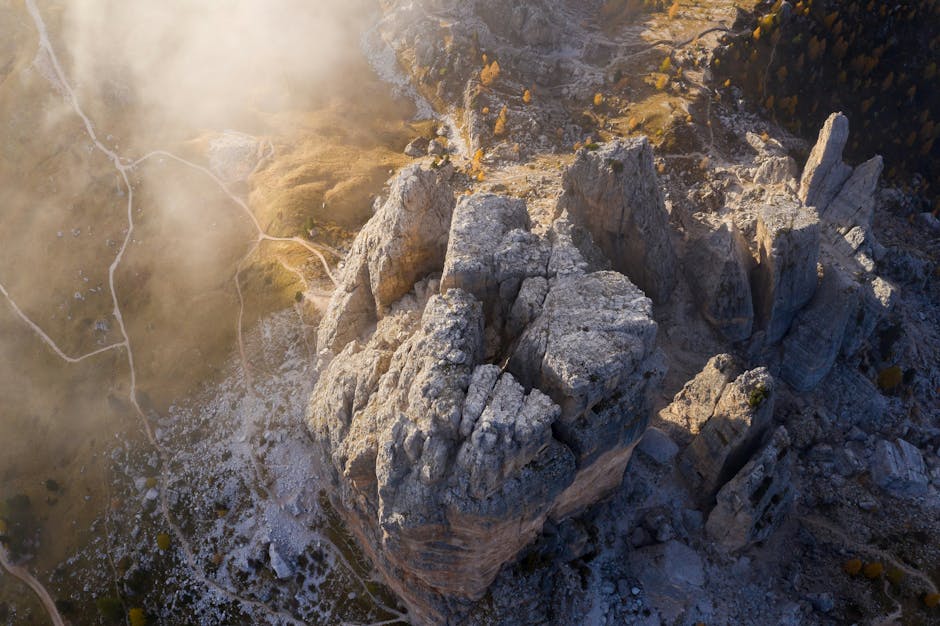
2. Tre Cime di Lavaredo — iconic composition and sunset hiking
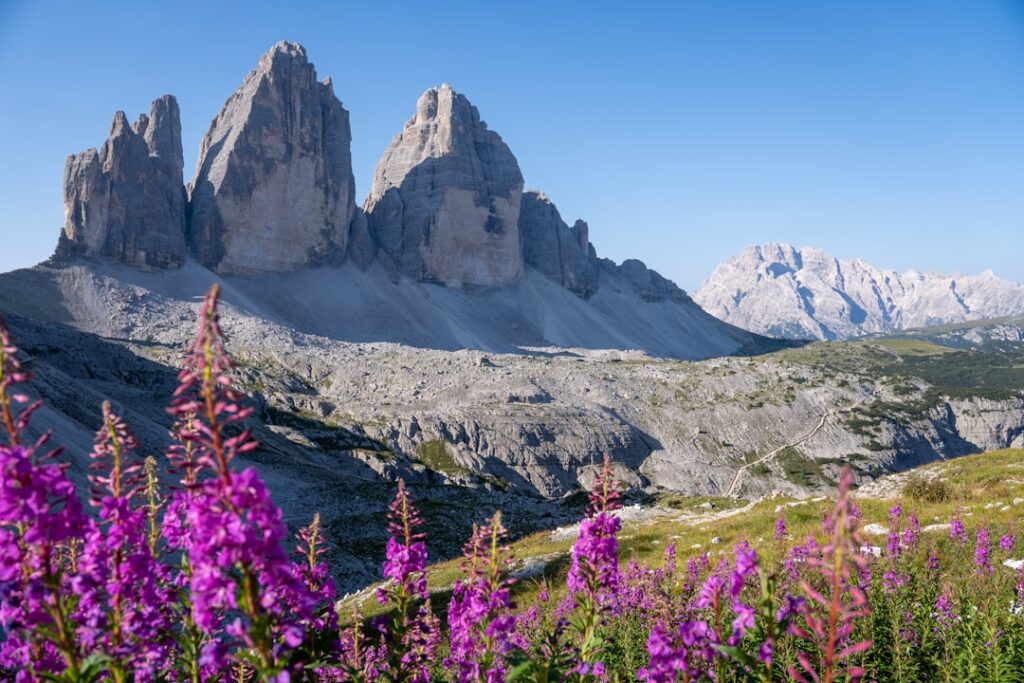
The Tre Cime di Lavaredo (Three Peaks) are among the most emblematic motifs of the Dolomites. Main access: Rifugio Auronzo, Località Auronzo, 32041 Auronzo di Cadore (BL), Italy. Parking at Rifugio Auronzo: paid, indicative fee €30 per vehicle for the day (2024 estimate; varies by season). Road access/opening times: the access road (SS48 from Auronzo) is usually open from late April to late November, weather permitting. Rifugio Auronzo (tel +39 0435 979018) operates seasonally and provides meals: dishes start around €10.
For photography, sunset from the trail up to Rifugio Lavaredo delivers golden and pink hues on the sheer faces of the three summits. The classic route starts at Rifugio Auronzo (2,320 m) and follows the trail toward Lago di Misurina, looping around the Tre Cime. Hiking time: 1–3 hours depending on chosen viewpoints. Must‑shoot spots: the panoramic viewpoint facing the Tre Cime reached after 20–40 minutes on foot, the north face for dramatic backlighting, and the alpine tarns nearby for twilight reflections.
Technical tips:
- Lenses: a wide‑angle (16–35mm) for panoramas and a mid‑telephoto (70–200mm) to isolate ridgelines and play with compression.
- Stability: a sturdy tripod for long exposures at sunset; watch out for strong winds.
- Temperatures: conditions change quickly; carry a headlamp if you plan to descend after dark.
- Drone rules: generally prohibited near trails and huts — check with the Auronzo di Cadore municipality.
Click here to book a guided tour of the Tre Cime refuges
3. Passo Giau and Cinque Torri — high‑pass panoramas and sculpted rock formations
Passo Giau is a spectacular mountain pass offering expansive views over many Dolomite peaks. Address: Passo Giau, 32020 Colle Santa Lucia (BL), Italy. Parking: Parcheggio Passo Giau (local coordinates), indicative fee €5–10 per day in summer. Access hours: road access depends on seasonal conditions; in winter the road may be closed or require chains. Nearby, the Cinque Torri (Five Towers) near Cortina d’Ampezzo present rock formations ideal for photographing natural architecture. Cinque Torri address: Località Cinque Torri, 32043 Cortina d’Ampezzo (BL). Tofana di Mezzo cable car / lodging: Rifugio Scoiattoli, località Cinque Torri, tel. +39 0436 866010, dishes from about €12.
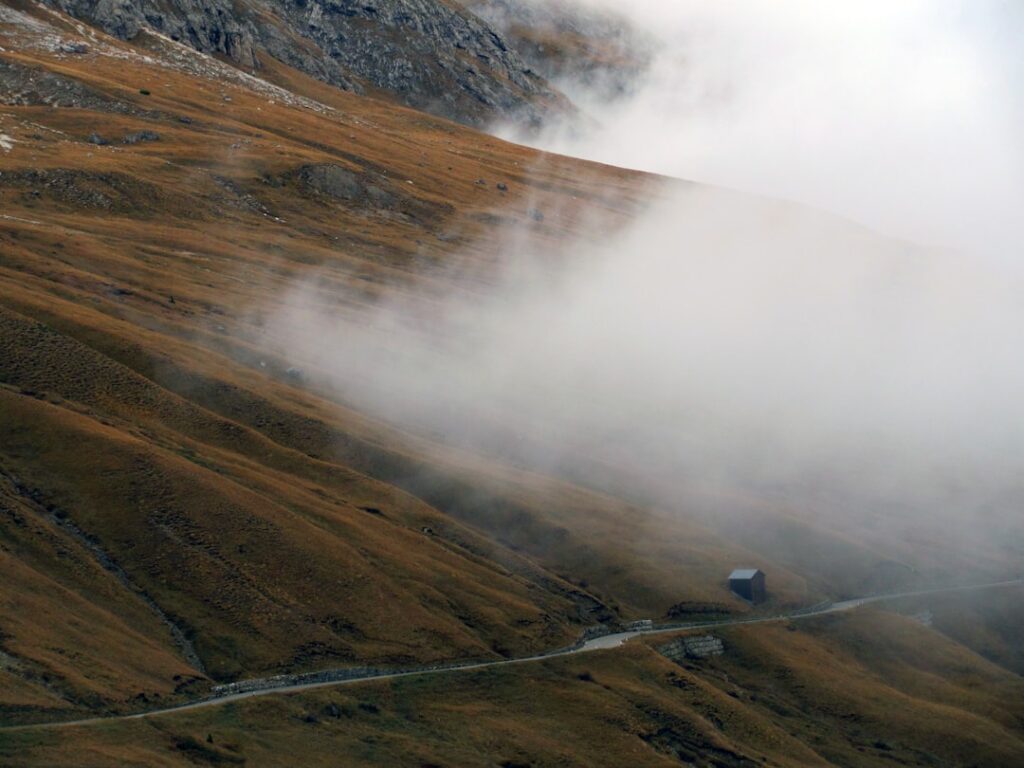
Shooting Passo Giau early lets you capture layers of mist in the valleys with sharply cut ridge lines. The pass also lends itself to car‑motion shots: use a slower shutter and panning technique to blur the car while keeping the mountain range sharp in the background. At Cinque Torri, explore the trails around Rifugio Cinque Torri (Via Cinque Torri, 32043 Cortina d’Ampezzo) to capture the tower‑like rocks sculpted by erosion — late afternoon side light is ideal to reveal textures and relief.
Local tips:
- Traffic: avoid late‑morning weekend peaks in summer.
- Gear: hiking boots, sun protection and water; huts serve hearty meals and hot drinks.
- Extra activities: guided climbing at Cinque Torri; info and bookings at Rifugio Cinque Torri, tel. +39 0436 868160.
Click here to book a guided Col Giau Dolomites loop
Click here to book a guided panoramic hike at Cinque Torri
4. Alpe di Siusi (Seiser Alm) — alpine meadows and pastoral compositions
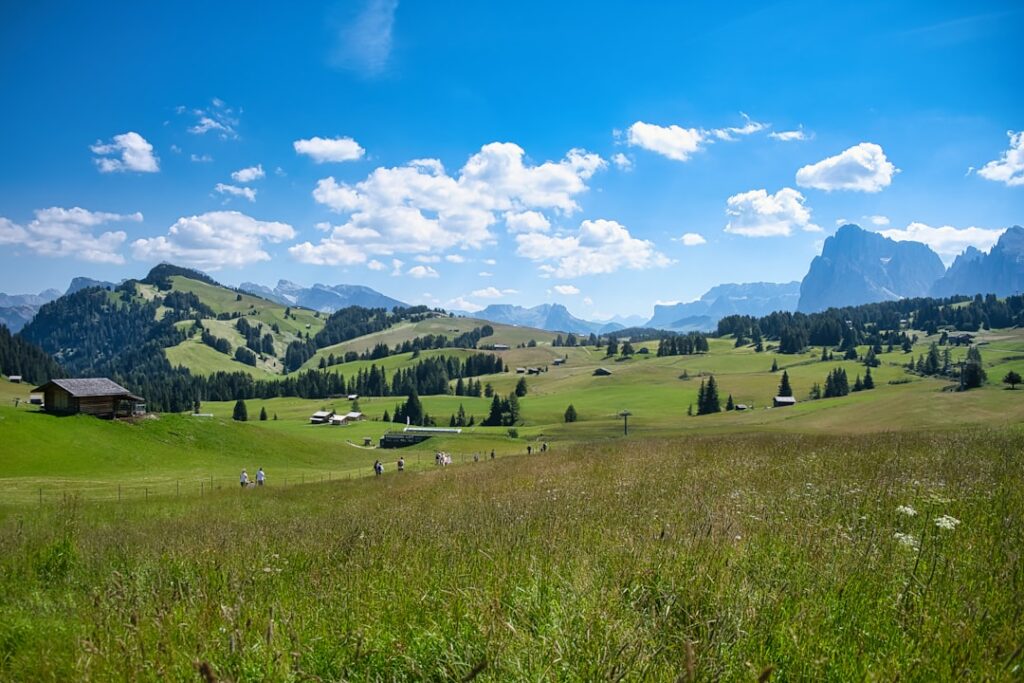
Alpe di Siusi, known in German as Seiser Alm, is the largest high‑altitude meadow in Europe and offers unique pastoral scenes: flower‑strewn meadows, wooden chalets and views of the Sciliar and Sassolungo massifs. Main access: Compatsch/Compaccio, 39040 Castelrotto (BZ). Seiser Alm cable car (Seiser Alm Bahn): Stazione Cable Car Seiser Alm, Via Piz, 39040 Ortisei (BZ). Indicative cable car fare: €18–25 round trip per adult (summer season). Cable car hours: often 08:30–17:30 (seasonal variations). Recommended hut: Rifugio Molignon, Via Molignon, 39040 Siusi allo Sciliar (BZ), tel. +39 0471 727841. Meal prices: €10–18.
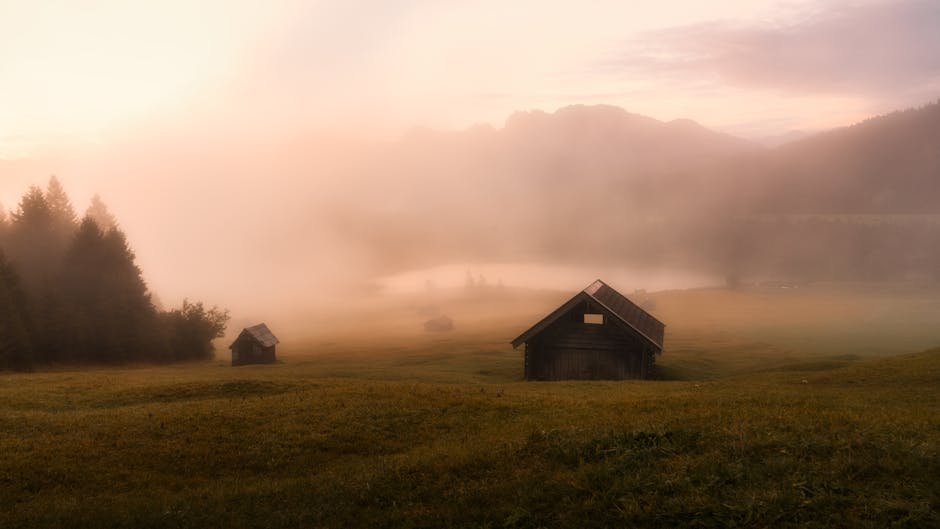
Alpe di Siusi shines at sunrise when morning mist lingers among the chalets and tree clusters, creating atmospheric layers. The compositions tend to be softer and more bucolic than the raw alpine sectors. Try environmental portraits with shepherds and their herds (always ask permission before photographing people), or macro shots of flowers and insects in the meadows. For wide panoramas, a 24–70mm or an ultra wide angle is recommended.
Practical advice:
- How to get there: prefer the cable car to save time and reduce environmental impact; if you drive, check local road conditions.
- Best seasons: late May to September for flowers and green grass; winter for snowy scenes but different access options.
- Respect animals: don’t disturb grazing herds; keep your distance and follow shepherds’ instructions.
Click here to book a photo session at Alpe di Siusi
5. Marmolada and the Punta Rocca glacier — ice, cable cars and polar light
The Marmolada, often nicknamed the “Queen of the Dolomites,” is home to the range’s largest glacier and offers spectacular views from Punta Rocca. Main access via Malga Ciapela: Località Malga Ciapela, 32020 Rocca Pietore (BL). Marmolada cable car (Funivia Marmolada): Piazzale Funivia, 32020 Malga Ciapela, tel. +39 0437 63098. Indicative cable car fare: €25–30 round trip per adult to reach Punta Rocca (seasonal). Hours: typically 08:30–16:30 in summer, reduced in shoulder seasons — check before you go.
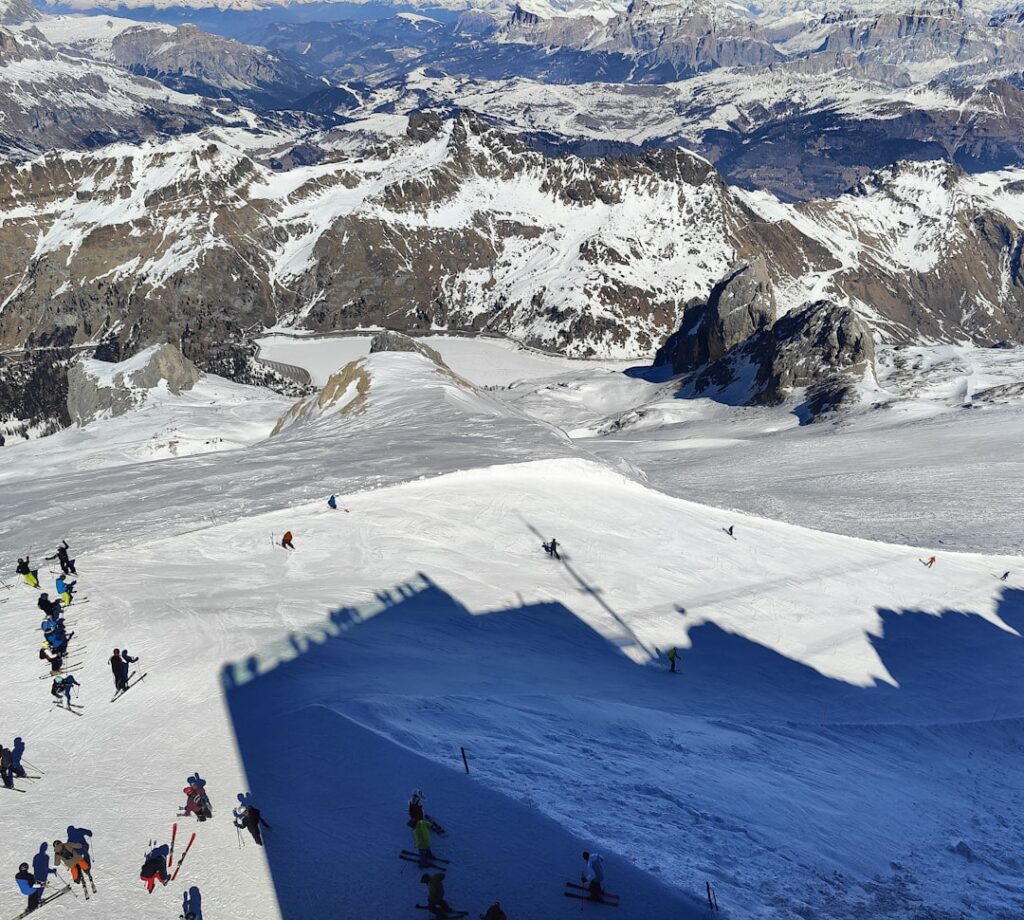
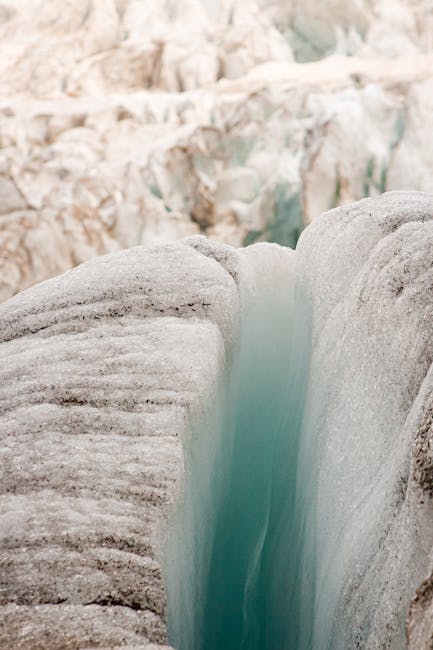
The cold tones of the glacier contrast with orange rocks at winter sunsets; the polar morning light produces intense blues on the ice. Key viewpoints include the upper cable car station at Punta Rocca and the ridgelines visible from the panoramic balcony. Mind local rules: glaciers are hazardous zones — respect fences and marked paths. For night photography, the Malga Ciapela area can offer starry skies, but weather and altitude require caution and proper kit (sleeping bag, lights, etc.).
Safety and technical tips:
- Safety: don’t venture onto the glacier without a qualified guide; crevasse risk is real.
- Filters: a UV or polarizing filter helps manage glare on ice.
- Numbers: Punta Rocca altitude ≈ 3,343 m; bring warm clothing and ascend gradually if you are sensitive to altitude.
- Nearby lodging: Hotel La Perla, Via Dolomites 1, 32020 Malga Ciapela — tel. +39 0437 60XXX, rates approx. €80–160/night.
Conclusion
A successful photographic road trip in the Dolomites blends technical preparation, local knowledge and respect for the area. By following these five stops — Lago di Braies for morning reflections, Tre Cime di Lavaredo for iconic compositions, Passo Giau and Cinque Torri for panoramas and sculpted rocks, Alpe di Siusi for pastoral scenes and Marmolada for glacial drama — you’ll craft a rich, varied visual narrative. Each location comes with logistical specifics: addresses, paid parking, cable car hours and mountain hut prices. Factor these details into your schedule to optimize light hours and avoid the stress of late arrivals or lack of parking.
Beyond settings and technique, success often comes down to patience: wait for clouds to settle, revisit a location at different times, or take the time to chat with locals in the huts — these moments can turn a good photo into an exceptional one. Respect the mountains and local communities — leave no trace, ask permission for portraits and follow signs and hut‑keepers’ recommendations. Finally, think about your comfort: sturdy shoes, energy snacks, plenty of batteries and memory cards and weather protection — these practical items keep you focused on creating, not coping with surprises.
In short, this five‑stop itinerary balances iconic locations with authentic experiences, each offering strong photographic opportunities and clear practical constraints. Plan, gear up, respect the environment and let the magic of the Dolomites do the rest — your images will speak for themselves.