





INTRODUCTION
The Dolomites, a UNESCO World Heritage site, are an endless playground for landscape photographers, lovers of alpine light, and mood hunters. This mountain range in northeastern Italy serves up a visual feast that shifts throughout the day: razor-sharp limestone peaks glowing pink at sunrise, dramatic cloudscapes over ridgelines at noon, and high-altitude lakes reflecting jagged crests at dusk. For photographers, the riches lie not only in sweeping panoramas but also in the variety of subjects — wooden mountain huts, wildflower meadows, winding mountain roads and historic villages with warm ochre facades. This article highlights the best trails for photographers in the Dolomites and includes precise practical info to help you make the most of each outing: exact addresses, opening hours, prices, gear tips, and local tricks for catching the light and avoiding the crowds.
Whether you’re shooting with a wide-angle to capture amphitheatre-like rock faces, a telephoto to isolate distant towers, or a tripod for long exposures at first light, every trail described here was chosen for the diversity of photo compositions and the accessibility of prime viewpoints. We’ll also outline routes suited to different seasons: flowery spring, bright summer, golden autumn and stark, contrasting winters. Since the Dolomites are busy in summer, I include concrete tips — best times, which lifts and car parks to prioritize or avoid, and local rules to respect — so you can increase your chances of capturing unique shots.
Finally, this guide contains essential practical information: trailhead addresses, hut and visitor point contacts, indicative lift and parking prices (in euros), and opening hours for tourist facilities. Image markers are placed where a photo would significantly enhance understanding and inspiration. Load extra memory cards, check the alpine weather, and follow these routes to get the most out of the Dolomites — from the cliffs of the Sella to the mirror-perfect Lago di Braies.
Tre Cime di Lavaredo (Drei Zinnen): the classic you can’t miss
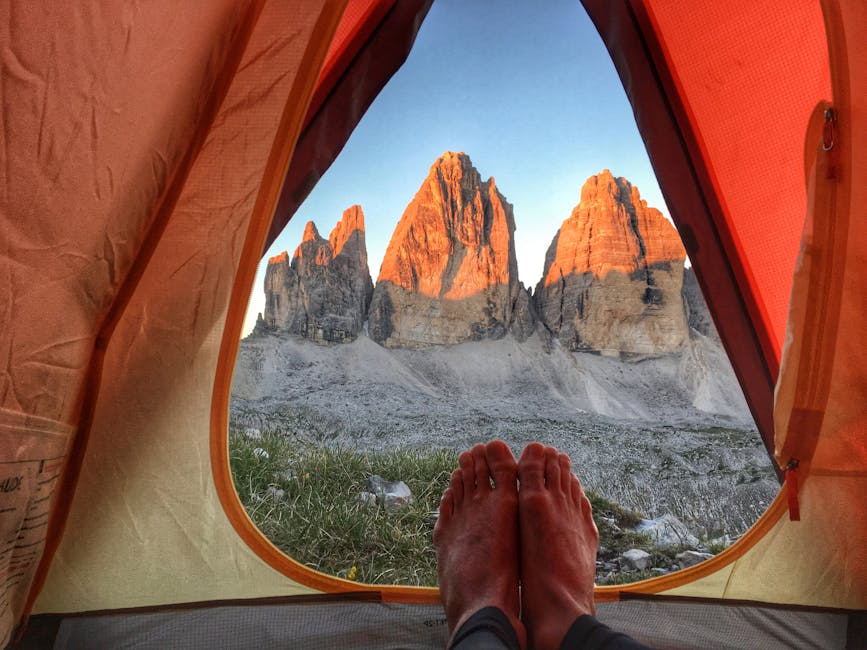
The Tre Cime di Lavaredo, also known as the Drei Zinnen in German, are arguably the most photographed symbol of the Dolomites. These three isolated limestone towers carve into the sky and create perfect compositions at dawn and dusk. The circular trail around the Tre Cime starts from the car park near Rifugio Auronzo, a must for many iconic shots.
Trailhead: Rifugio Auronzo, Strada Tre Cime 21, 32041 Auronzo di Cadore BL, Italy. Approx. GPS: 46.6115 N, 12.3092 E.
Route and duration
The classic path (sentiero no. 101 and 105) forms a loop of 9–10 km and typically takes 3–4 hours at a moderate pace. The terrain alternates between stony tracks, rock slabs and open viewpoints. For photographers, the stretch between Rifugio Auronzo and Forcella Lavaredo is especially rewarding for backlit Tre Cime shots at sunrise.
Hours and practical costs
- Road access: the road to Rifugio Auronzo is generally open from late May to October, depending on snow conditions.
- Rifugio Auronzo car park: Indicative price: €30 per car (day rate, 2025 season indicative). Pay on site; sometimes metered.
- Rifugio Auronzo (hut): Address above. Hours: usually open from 07:30 to 19:00 in high season (May–October), closed or by reservation off-season.
- Park entry: no mandatory entrance ticket for the trails, but strict respect for signage and protected zones is required.
Practical tips:
- Arrive before dawn for the pink hues on the eastern face of the Tre Cime; light is often magical between 05:00 and 07:30 in summer.
- Bring a sturdy tripod: it can be windy and long exposures need a solid base.
- If you want reflections, search for meltwater pools after snowmelt in May–June.
- In summer, aim for early weekdays to avoid crowds. In autumn, expect warm colors and fewer visitors.
For photographers seeking a different angle, the trail toward Rifugio Locatelli – Dreizinnenhütte (Address: Rifugio Locatelli, 39030 Sesto/Sexten BZ, Italy; Approx. GPS: 46.6202 N, 12.3345 E) offers closer views and intimate compositions with scree slopes and shadowed couloirs. The hut is typically open from 08:00 to 20:00 in high season and serves drinks and meals (drinks: around €4–7; hot dishes: €12–18).
 Click here to Book a guided visit to the Tre Cime refuges
Trailhead: Rifugio Auronzo, Strada Tre Cime 21, 32041 Auronzo di Cadore BL, Italy. Approx. GPS: 46.6115 N, 12.3092 E.
Route and duration
The classic path (sentiero no. 101 and 105) forms a loop of 9–10 km and typically takes 3–4 hours at a moderate pace. The terrain alternates between stony tracks, rock slabs and open viewpoints. For photographers, the stretch between Rifugio Auronzo and Forcella Lavaredo is especially rewarding for backlit Tre Cime shots at sunrise.
Hours and practical costs
- Road access: the road to Rifugio Auronzo is generally open from late May to October, depending on snow conditions.
- Rifugio Auronzo car park: Indicative price: €30 per car (day rate, 2025 season indicative). Pay on site; sometimes metered.
- Rifugio Auronzo (hut): Address above. Hours: usually open from 07:30 to 19:00 in high season (May–October), closed or by reservation off-season.
- Park entry: no mandatory entrance ticket for the trails, but strict respect for signage and protected zones is required.
Practical tips:
- Arrive before dawn for the pink hues on the eastern face of the Tre Cime; light is often magical between 05:00 and 07:30 in summer.
- Bring a sturdy tripod: it can be windy and long exposures need a solid base.
- If you want reflections, search for meltwater pools after snowmelt in May–June.
- In summer, aim for early weekdays to avoid crowds. In autumn, expect warm colors and fewer visitors.
For photographers seeking a different angle, the trail toward Rifugio Locatelli – Dreizinnenhütte (Address: Rifugio Locatelli, 39030 Sesto/Sexten BZ, Italy; Approx. GPS: 46.6202 N, 12.3345 E) offers closer views and intimate compositions with scree slopes and shadowed couloirs. The hut is typically open from 08:00 to 20:00 in high season and serves drinks and meals (drinks: around €4–7; hot dishes: €12–18).
Lago di Braies (Pragser Wildsee): alpine mirror and lake loop
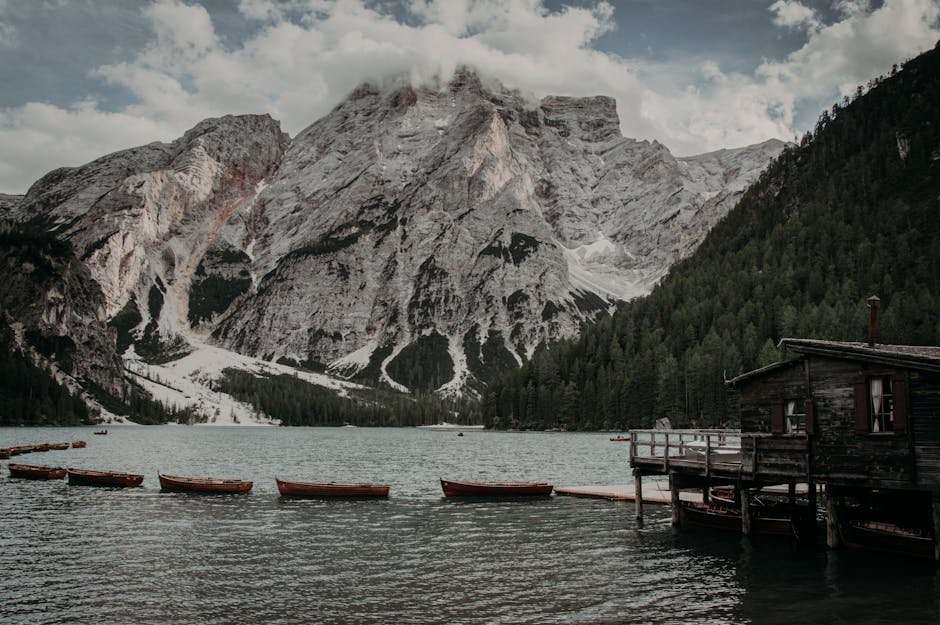
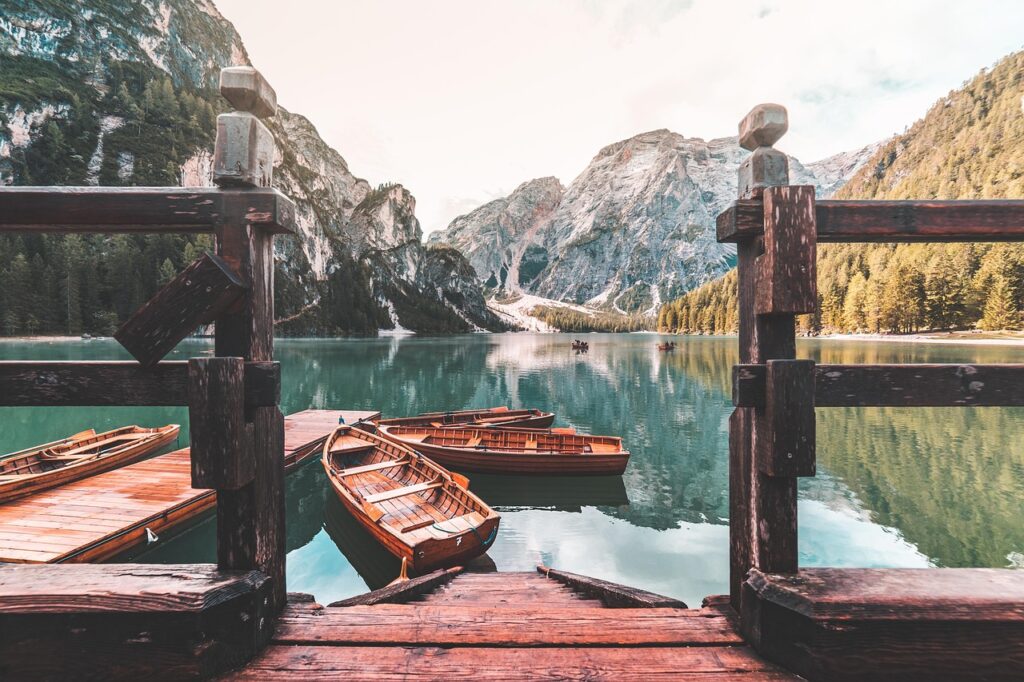
Lago di Braies, known in German as Pragser Wildsee, is one of the most photographed alpine lakes in the Dolomites. This high-altitude lake, fringed by forest and backed by cliffs, reveals an incredible emerald green in spring and summer and becomes a perfect mirror early in the morning. The path circling the lake is short but offers many photographic angles, with wooden jetties and boats that add a romantic touch.
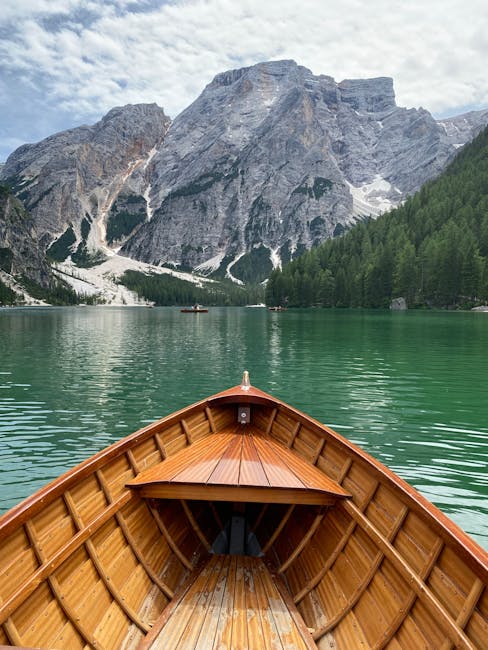
Address: Lago di Braies, 39030 Braies/Prags, Bolzano/Bozen, Italy. Main car park: Parcheggio Lago di Braies, Via Lago di Braies, 39030. Approx. GPS: 46.6991 N, 12.0849 E.
Route and time
The loop around the lake is about 3.6 km and takes 1–1.5 hours on foot. The trail is mostly flat and very accessible, making it perfect for concentrating on composition, depth of field and controlling reflections. For higher vantage points, the road leading up to Passo Croce d’Aune or trails rising behind the south shore provide panoramic overlooks.
Hours and fees
- Lago di Braies parking: Indicative price: €12 per day (high-season rate). Shuttle services from satellite car parks are sometimes operated in July–August.
- Visitor center/shop « Centro Visitatori Lago di Braies »: generally open 08:00–18:00 (seasonal).
- Rowboat rental: around €20–25 for 30 minutes (season-dependent).
- Lake access: free on foot, but watch protected areas and signage to preserve the shoreline.
Practical tips:
- Shoot the lake at dawn to avoid tourist buses and capture perfect reflections; low-angle light highlights water texture.
- A circular polarizer is invaluable to control reflections and intensify the greens/blues of the water.
- In winter, the frozen lake becomes a spectacular minimalist scene — wear crampons if you leave the marked trail.
Avoid walking on fragile shoreline areas and respect signs that forbid access to certain sections for nesting birds and plant protection.
Click here to Join a yoga and short hike at Lago di Braies
Alpe di Siusi (Seiser Alm) and Seceda: endless meadows and sculpted ridges
Alpe di Siusi, or Seiser Alm in German, is the largest high-altitude meadow in Europe and provides a striking contrast to the vertical cliffs: vast grasslands, scattered huts and distant views of the mountain massifs. Seceda, on the other hand, is famous for its serrated ridges that rise like petrified waves. These two areas offer very different photographic possibilities and can be combined in one day using lifts and well-maintained trails.
Main access to Alpe di Siusi: Ortisei / St. Ulrich. For example: Funivia Ortisei – Alpe di Siusi, Via Meisules, 98, 39046 Ortisei BZ, Italy. Approx. GPS: 46.5766 N, 11.6763 E.
Access, hours and prices
- Ortisei – Alpe di Siusi cable car (Col Raiser): round-trip ~ €25 per adult (indicative high-season rate). Hours: typically 08:30–17:00 (varies by season).
- Seceda cable car (Ortisei – Seceda): round-trip ~ €18–24 (varies by year). Hours: roughly 08:30–17:00.
- Parking in Ortisei: several paid car parks in town, daily rates around €10–15.
On Alpe di Siusi most trails are easy and suitable even if you carry bulky photo gear. The meadows shine in spring (May–June) with wildflowers and in autumn with golden tones. Seceda may require a bit more walking to reach the main ridges, but the payoff is a dramatic skyline ideal for silhouettes and backlighting.
Photography tips
- Use a large depth of field (f/8–f/16) to do justice to the ridgelines and wide meadows.
- Sunrises and sunsets on Seceda can deliver incredible colors — arrive 60–90 minutes before sunset to scout compositions.
- To isolate graphic elements, spot solitary chalets on Alpe di Siusi and compress the scene with a telephoto lens.
Click here to Book a photo session at Alpe di Siusi or Val Gardena
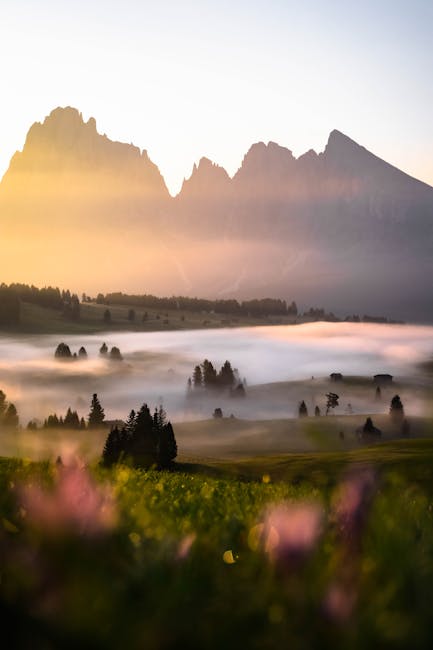
Logistics note: bring water and snacks; although rifugi exist, distances between them can be long depending on your route. The hut Rifugio Troier (Address: Rifugio Troier, Compatsch, 39040 Castelrotto/Seis, Italy) and others provide meals (main dishes €12–18, drinks €3–6) and are handy for photographic breaks.
Sellaronda, Passo Sella and Passo Gardena: scenic roads and ridge-top views
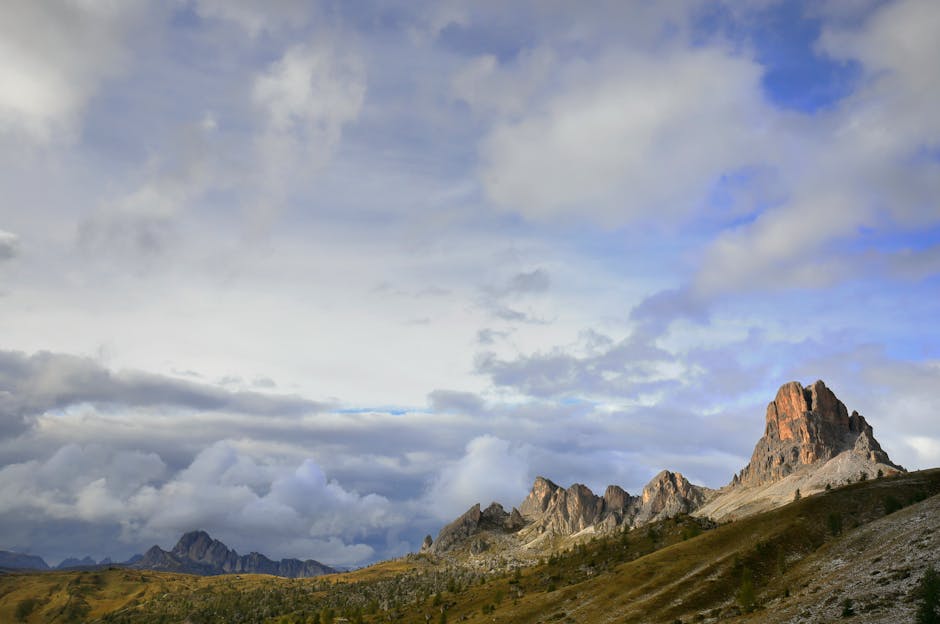
The Sellaronda is a driving and touring loop around the Sella massif that links several emblematic passes like Passo Sella (Sella Pass) and Passo Gardena (Grödner Joch). These passes offer views reachable by car and short trails leading to spectacular overlooks. For itinerant photographers, the Sellaronda lets you collect many angles in a single day, with very different sunrise/sunset light depending on which side you’re on.
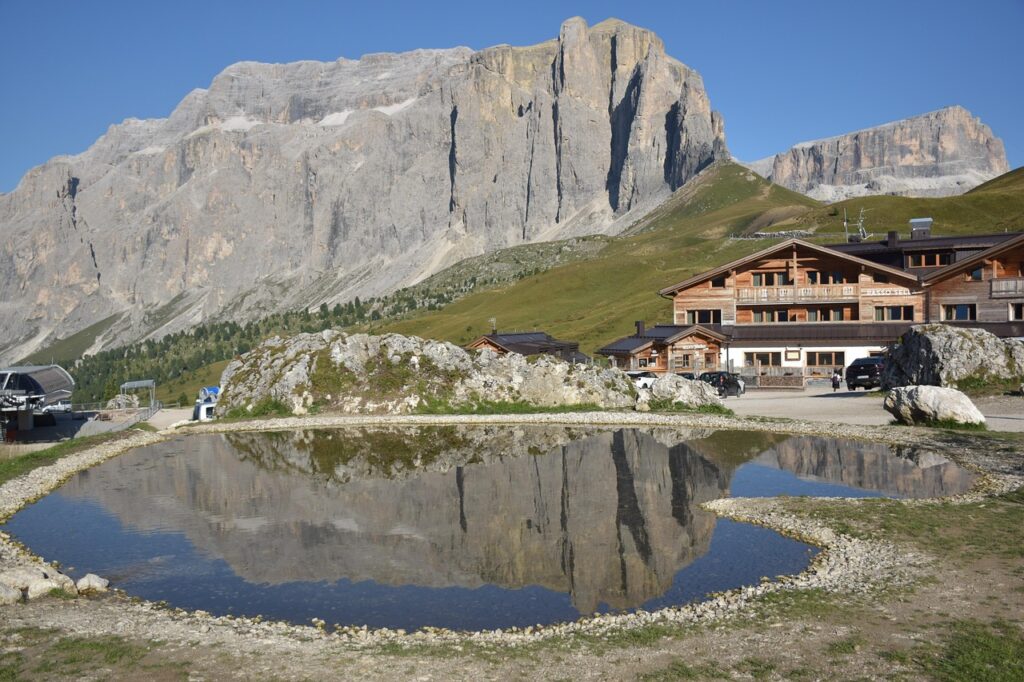
Passo Sella (Sella Pass): SS242, 39040 Selva di Val Gardena/ Wolkenstein, BZ, Italy. Parking: Passo Sella Parking, rates vary (around €6–10 per day).
Points of interest and short trails
From Passo Sella, several easy trails lead to viewpoints over the Gruppo del Sella and the dramatic north face of Sassolungo (Langkofel). The path to Rifugio Toni Demetz (Address: Rifugio Toni Demetz, 39047 Selva di Val Gardena, Italy) is short and photogenic — great for compositions combining meadows and peaks. Passo Gardena, a short drive away, approaches the Sella from another angle and often features low clouds that add drama to the sky.
Lift hours and costs
- Summer lifts on the Sellaronda: fares vary by installation; for example the Passo Pordoi cable car at Pordoi is about €16–20 round-trip. Typical hours: 08:30–17:00.
- Pass car parks: €6–12 per day depending on location and season.
Practical tips for the Sellaronda:
- For road shots, look for sweeping curves with a strong perspective line; a 24–70mm lens is very versatile.
- Fast-moving clouds and changing light on the passes create dramatic moods — use longer focal lengths to isolate sunlit sections of cliff.
- Sellaronda is popular; favor morning/evening windows and avoid midday in high season.
Finally, if you have half a day, drive up to Passo Pordoi (Strada per Passo Pordoi, 32020 Arabba, BL, Italy) and take the funicular to gain a different altitude for panoramic wide shots. Funicular fares: €12–18 round-trip depending on direction (seasonal). Hours: 09:00–16:30 (seasonal).
Click here to Book a half-day Sellaronda tour
Cortina d’Ampezzo and the Tofane: rocky amphitheatres and film locations
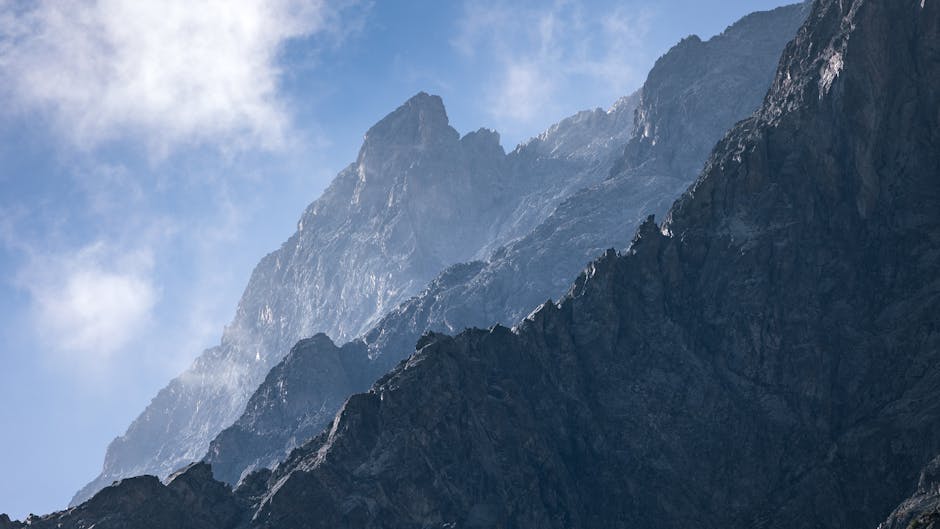
Cortina d’Ampezzo, often called the Queen of the Dolomites, is ringed by towering massifs like the Tofane, which offer outstanding opportunities for mountain photography and dramatic cinematic scenes. The Tofane range includes several climbing routes and trails accessible by cable cars and lifts. Cortina’s village charm makes it easy to switch between alpine scenes and classic alpine town photography.
Main access: Cortina d’Ampezzo, Piazza Angelo Dibona 1, 32043 Cortina d’Ampezzo BL, Italy. Tourist office: Turismo Cortina, Corso Italia 66, 32043 Cortina d’Ampezzo BL. Hours: 09:00–18:00 (high season).
Trails and facilities
The Funivia Faloria (Address: Funivia Faloria, Via Rinaldo Menardi, 50, 32043 Cortina d’Ampezzo BL) climbs to open viewpoints overlooking Cortina and the Tofane. Indicative price: €12–16 round-trip. Hours: 08:30–17:00 (vary by season). From the plateaus served by the lift, several easy trails lead to panoramic ridges perfect for compositions that include foreground elements (rocks, trunks, flowers).
For more technical shots, the via ferrata routes around the Tofane (for example the Lipella via ferrata on Tofana di Rozes) offer striking vertical perspectives. Warning: these routes require high-mountain experience and proper gear (harness, lanyards, helmet). Huts like Rifugio Dibona (Piazza Angelo Dibona 1, 32043 Cortina d’Ampezzo) offer lodging and meals (meals €14–25, drinks €3–6).
Click here to Book a guided snow excursion around Cortina
Local tips
- In Cortina, combine a few hours in town (facades, historic shops) with a high-altitude excursion for a varied photo story.
- Weather changes quickly: bring neutral density filters and a lens hood to manage backlight and lens flares.
- If short on time, take the Faloria lift at sunset — the Cortina bowl and surrounding peaks often blaze with color for 20–30 minutes.
CONCLUSION
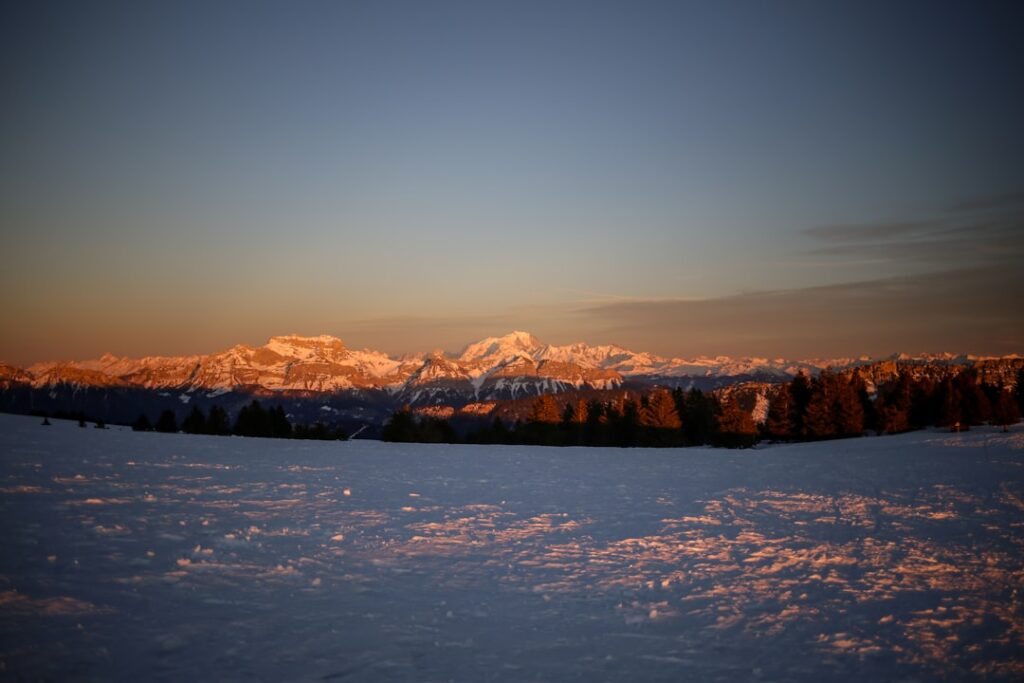
The Dolomites provide an exceptional range of trails and photographic locations, from heavily visited icons like Tre Cime di Lavaredo and Lago di Braies to the vast meadows of Alpe di Siusi and the alpine passes of the Sellaronda. Each site has its own light and atmosphere: pink peaks at sunrise, mirror-like lakes in the early morning, serrated ridges under storm clouds and flower-dotted meadows bathed in oblique light. To get the most from these landscapes, combine technical preparation (lens choices, tripod, filters) with logistics (hours, parking, lift fees, booking when needed).
Final practical recommendations for planning your shoots: get there early for soft light and fewer people, check lift and hut hours (they vary by season), and respect nature and the signage in protected areas. Always carry a windproof jacket and sturdy hiking boots — mountain weather can turn fast. Consider a polarizer and a variable ND for reflections and long exposures, and keep spare memory cards and batteries warm to avoid cold-related failures.
Remember that the best shot isn’t always the most famous postcard image, but the one where you invested time, observation and sensitivity to tell a story — a lone hut under a stormy sky, a row of chalets swallowed by morning mist, or a sheep’s trail along a snowy ridge. The Dolomites are a place where every trail can become a photographic project: plan, take your time, and let the mountains lead you.