





Introduction — Why a Tre Cime Sunrise Is Worth the Early Wake-Up
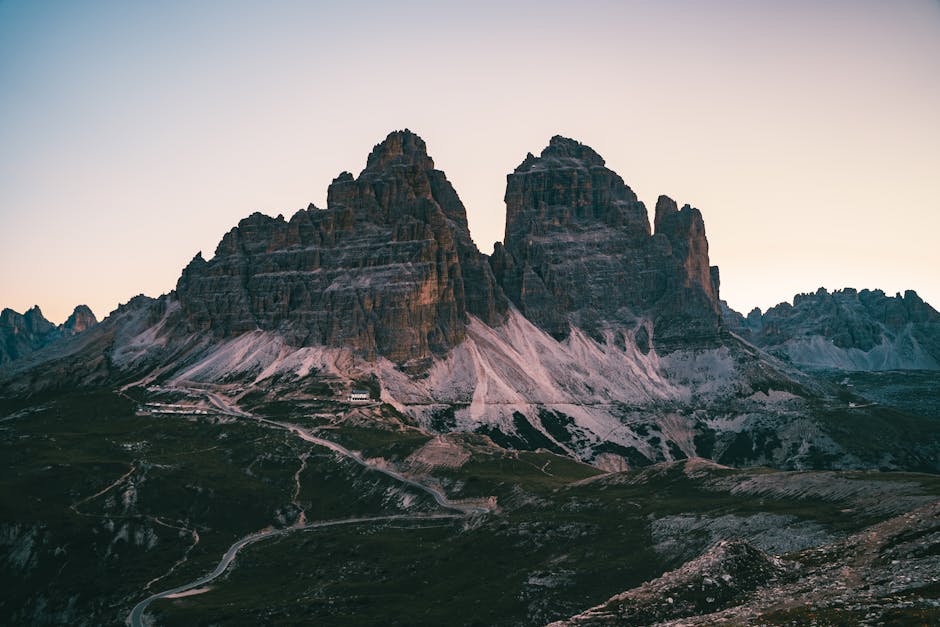
Getting up before dawn, driving a mountain road shrouded in night and waiting for the first light to paint the limestone faces: that’s the promise of the Tre Cime di Lavaredo (Three Peaks). Straddling the provinces of Belluno and Bolzano in the Italian Dolomites, the three summits — Cima Grande, Cima Ovest and Cima Piccola — provide a dramatic backdrop for photographers, hikers and anyone who loves alpine scenery. Sunrise turns the cliffs into walls of ochre and pink, with the sky shifting from deep blue to gold, creating striking contrasts, long shadows and endless compositional possibilities.
But reaching that perfect moment takes planning: route, opening hours, car vs public transport, weather, the right camera gear and respect for the area. This guide breaks down the most common route — access via the Strada delle Tre Cime to Rifugio Auronzo — and the short circular hike to iconic viewpoints like Rifugio Locatelli / Drei Zinnen Hütte, with Lago di Misurina as a scenic backdrop. You’ll also find concrete photo tips (lenses, settings, filters, composition) and practical info (prices, hours, addresses, safety and conservation) to maximize your chances of a memorable sunrise.
The text is written to help both beginner and advanced photographers: it gives concrete settings (bracketing, long exposures, focus stacking), tips for organising your trip (road hours, parking, seasonal permits) and alternatives if the weather turns. Finally, practical details — exact refuge addresses, approximate fees in euros for road access and parking, seasonal opening times — let you plan a single-day trip or a longer stay. Breathe the fresh Dolomite air, prep your kit, and let this guide lead you to capture the magic of dawn at the Tre Cime di Lavaredo.
Driving Access & Logistics: How to Reach Tre Cime di Lavaredo at Dawn
The most direct way to reach the Tre Cime di Lavaredo for sunrise is the road that climbs to Rifugio Auronzo. The scenic road (Str. delle Tre Cime / SP49) starts from Misurina and ends at the Rifugio Auronzo car park. Handy GPS address: Rifugio Auronzo, Strada delle Tre Cime 8, 32041 Auronzo di Cadore (BL), Italy. Approximate GPS coordinates: 46.6111° N, 12.2856° E. The road is paved but narrows in places; in winter or snowy conditions it may be closed or traffic-regulated.

Road fee: in high season (usually June to September) driving up to the Rifugio Auronzo car park is charged. Expect to pay roughly €30.00 per car (round trip) — this is indicative and can change, so check the park’s official site before you leave. The toll helps limit vehicle numbers and funds road and parking maintenance. The Rifugio Auronzo parking area is large but can fill early on clear days; parking is often included in the toll, otherwise budget about €6.00–10.00 for a day depending on seasonal management.
Opening hours: the scenic road is open depending on season and weather. In summer access is often allowed 24/7 (with occasional night closures for maintenance), but the toll is usually staffed from early morning until the administrative closing time at dusk. For sunrise, plan to arrive at the Rifugio Auronzo car park at least 45–90 minutes before dawn to secure a space, prepare your gear and walk to your chosen viewpoint. If you’re staying in Cortina d’Ampezzo, Passo Tre Croci (address: Passo Tre Croci, 32043 Cortina d’Ampezzo (BL), Italy) can be a starting point; the drive takes about 30–45 minutes.

Alternative transport: if you don’t want to drive, seasonal shuttles and local taxis can drop you near Rifugio Auronzo from Misurina, Cortina d’Ampezzo or Auronzo di Cadore. Check public bus timetables (SAD/Bus Dolomiti) and private shuttle services in season. Cyclists can also tackle the climb — it’s steep but doable; note that fees apply to motorised cycles and non-motorised bikes must share the narrow road.
 Click here to book a one-way transfer to Cortina d’Ampezzo
Viewpoints, Mountain Huts and Useful Addresses Around the Tre Cime
Several refuges and viewpoints frame the Tre Cime landscape and are practical landmarks for your sunrise visit. The best-known is Rifugio Auronzo (address: Strada delle Tre Cime 8, 32041 Auronzo di Cadore BL, Italy). Phone +39 0435 80853 (check the local number before you go). Season and hours: typically open from late May to early October, with variations depending on snow; usual hours in high season are 07:00–20:00. Rifugio Auronzo offers rooms, food and drinks; a morning coffee is perfect to warm up before or after your shoot. Typical price for a hot meal: €12.00–20.00; hot drinks: €3.00–5.00.
Closer to the three main faces is the most photogenic hut: Rifugio Antonio Locatelli / Dreizinnenhütte (also called Rifugio Lavaredo or Rifugio Locatelli). Useful address: Rifugio A. Locatelli, 39030 Sexten (Sesto), Bolzano (BZ), Italy (alpine location, access on foot from Rifugio Auronzo). Approximate opening: mid-June to mid-September, 08:00–18:00; food and drinks available. The stone walls of the hut make excellent backdrops for backlit compositions and silhouettes.
Another must-see spot is Lago di Misurina (address: Lago di Misurina, 32041 Auronzo di Cadore (BL), Italy), a shuttle departure point and a photogenic location when the peaks reflect on calm water. The small lake is reachable by car and is a good alternative if the road up to Rifugio Auronzo is closed.
Click here to book a guided tour of the Tre Cime refuges

Practical advice about the huts: refuges are often busy at sunrise. If you want a prime photo spot, arrive early, respect queues on narrow trails and consider buying something on site — it’s the best way to support their mountain services. If you plan to sleep nearby, book ahead, especially in July and August when capacity fills quickly. Dorm and room rates range roughly from €25.00 (dorm) to €70.00 (double room) per person depending on season and hut.
Detailed Photo Tips to Capture the Perfect Sunrise
Photographing sunrise at the Tre Cime requires as much technique as anticipation. Here are detailed, practical tips to help you get the best shots, whatever your skill level.

1) Gear selection:
- Camera body: a full-frame or APS-C camera with good dynamic range will help retain detail in highlights and shadows.
- Lenses: an ultra-wide (16–35mm) for sweeping panoramas, a 24–70mm for versatility, and a telephoto (70–200mm) to isolate a face or rock detail.
- A sturdy tripod: essential for long exposures, exposure bracketing and tack-sharp panoramas.
- Remote release or self-timer: to avoid micro-blur when pressing the shutter.
- Filters: a soft graduated ND (GND) to balance sky and foreground; a neutral density (ND) filter for long exposures when you want to smooth cloud motion.
2) Recommended settings:
- RAW format: essential for recovering detail and adjusting white balance in post.
- ISO: start at ISO 100–200 to minimize noise; raise it only if light forces you to.
- Aperture: f/8–f/11 for extended depth of field and optimal landscape sharpness.
- Shutter speed: adapt to the desired effect — 1/125–1/250s to freeze detail and moving clouds, or several seconds for streaked-cloud effects (ND often needed).
- Exposure bracketing: take at least 3 frames (-2, 0, +2 EV) to cover dynamic range between shadows and highlights; useful for HDR blending in post.
- White balance: keep it on auto when shooting RAW but note the temperature to recreate the warm sunrise mood later.
3) Composition and storytelling:
- Use an interesting foreground: rocks, trails, alpine flowers or small lakes to give depth.
- Rule of thirds: place the horizon on one third and offset Cima Grande slightly to balance the frame.
- Silhouettes: photograph hikers or Rifugio Auronzo’s outline against the blazing sky — it adds human scale to the landscape.
- Panoramas: shoot vertical frames in a sequence (3–5 images) to capture the full horizontal sweep of the three peaks with a 24–35mm lens.
4) Weather and light anticipation:
- Check forecasts on MétéoDolomiti, MeteoBlue or Meteo.it the evening before and early on the morning of your shoot. A partly cloudy sky often makes the best light (rays and pink tones).
- Arrive before dawn to set up your composition and scout foreground elements. The exact sunrise time varies — check the official sunrise time for your visit date (e.g. 05:10–06:00 depending on season).
5) Post-processing:
- HDR blending to recover sky and rock dynamic range without excessive halos.
- Vertical perspective correction if needed (especially with telephoto or very wide lenses).
- Local sharpening on the limestone textures and hue adjustments (push reds/oranges) to bring back the sunrise mood.
Safety, Environmental Respect and Local Practical Tips
The Dolomites are a sensitive mountain range and a UNESCO World Heritage site. Respecting the mountain and its wildlife is as important as getting great shots. Here are practical recommendations and local rules to minimise your impact and stay safe.
1) Stay on trails:
- Remain on marked paths: alpine meadows are fragile; leaving the trail accelerates erosion and destroys vegetation.
- Do not pick flowers or disturb wildlife. Marmots, chamois and alpine birds are protected — observe them from a distance.
2) Clothing and kit:
- Mornings can be chilly, even in summer: pack a windproof jacket, light gloves and a hat.
- Hiking boots with grippy soles are recommended: trails can be rocky and wet.
- Headlamp: useful for reaching viewpoints before dawn and for your return if the descent takes longer than expected.
3) Mountain safety:
- Tell someone your route if you’re going alone; mobile reception can be patchy.
- If weather turns bad (storms, fog, snow), turn back: low visibility makes navigation difficult and dangerous.
- Respect refuge hours and road closures: some sections may be inaccessible at night or after sunset.
4) Local services and useful numbers:
- Auronzo di Cadore Tourist Office — Address: Via Roma 35, 32041 Auronzo di Cadore (BL), Italy. Hours: generally 09:00–18:00 in high season. Phone +39 0435 90101 (check before you go).
- Mountain rescue (Soccorso Alpino): national emergency number 112; local specialised interventions by Guardia di Finanza or Corpo Nazionale Soccorso Alpino e Speleologico.

Alternative Routes & Plan B Based on the Weather
Mountain weather can change fast. If the sky is overcast or access to Rifugio Auronzo is impossible, don’t go home empty-handed: the Dolomites have several nearby alternatives for interesting morning light.

1) Lago di Misurina: if the upper car park is closed, the lake is an excellent fallback. Address: Lago di Misurina, 32041 Auronzo di Cadore (BL), Italy. Reflections and morning mist over the water can produce dramatic atmospheres. Access is free; parking may be charged (about €5.00–8.00 depending on season).
2) Passo Tre Croci and Cortina viewpoint: waypoint address Passo Tre Croci, 32043 Cortina d’Ampezzo (BL), Italy. This pass offers wider views of the ranges and can be more sheltered than the Tre Cime area depending on wind and cloud cover.
3) Lower trails and forests: on cloudy days, the soft, diffused light in woodlands or flower-filled meadows can make intimate, colorful compositions perfect for mood shots.
4) Refuge atmosphere photography: hut interiors, breakfast prep, smoke rising and hikers’ silhouettes create a human story of life in the mountains.
Click here to book a private sunrise hike with breakfast
Conclusion — Prepare Carefully, Then Savor the Moment
A sunrise at the Tre Cime di Lavaredo is one of those experiences that combine effort, patience and pure wonder. Reaching the right viewpoint requires careful planning: know the times and fees (budget roughly €30.00 for car access in high season, parking around €5.00–10.00), check refuge hours such as Rifugio Auronzo (Strada delle Tre Cime 8, 32041 Auronzo di Cadore BL — typically open in summer 07:00–20:00) and Rifugio Antonio Locatelli (on the loop near the faces), and monitor the weather. The reward — that fleeting moment when the rocks ignite in pink and gold — makes the effort worthwhile.
For photographers, the mountain demands respect for technical rules (tripod, bracketing, RAW) as well as for the place: stay on trails, support refuges by buying something, and leave nature untouched. If the light doesn’t cooperate, remember nearby alternatives like Lago di Misurina, Passo Tre Croci or refuge-based scenes — every situation offers different photographic opportunities.
Finally, travel light but well-equipped, use a headlamp for safety, and pack warm layers even in summer. Book refuge nights if you want to extend the experience and multiply observation windows. The Tre Cime are unique — plan, adapt and, above all, enjoy the moment when the mountain reveals itself in daylight.
Click here to book a photo session with a professional photographer

