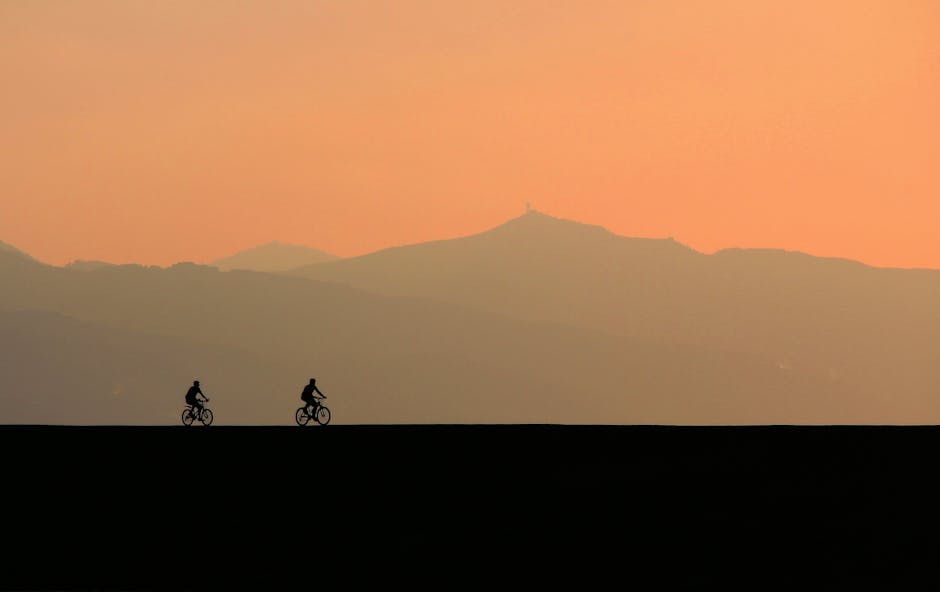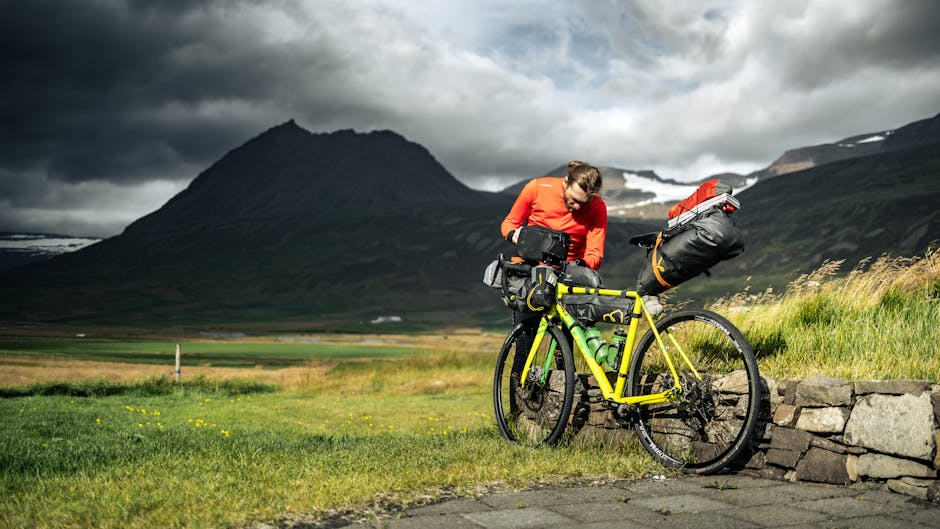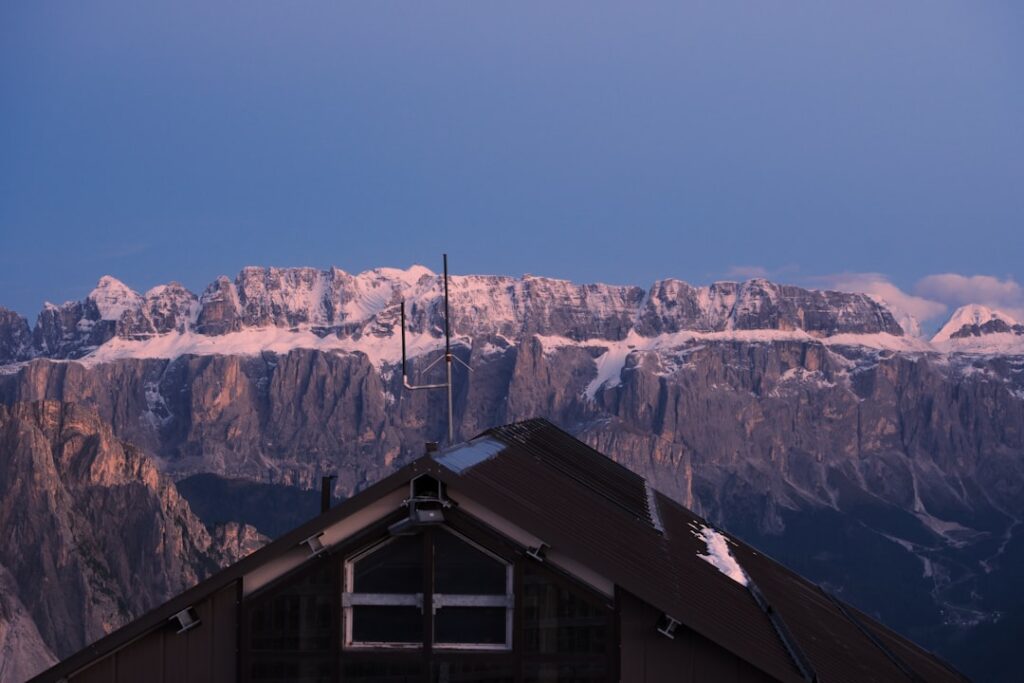






Introduction — E‑MTB in the Dolomites: an invitation to explore
The Dolomites, a UNESCO World Heritage Site, are one of Europe’s most dramatic mountain ranges: ochre cliffs, jagged ridges, alpine meadows and perched mountain huts that seem to defy gravity. For today’s adventurous cyclist, the electric mountain bike (e‑MTB) opens up brand‑new possibilities: linking iconic passes, exploring hidden valleys and climbing historic tracks without losing the thrill of effort and freedom. Whether you’re an experienced rider looking to extend your range or a weekend adventurer wanting alpine panoramas without the long grind uphill, the e‑MTB turns a ride into an accessible, immersive and powerful experience.
In this post I’ve put together a complete guide to the best e‑MTB rides in the Dolomites, with route descriptions, must‑see stops, practical addresses (rentals, rifugi, lifts), typical prices and useful opening hours. You’ll also find mountain‑specific safety tips, battery‑saving tricks and accommodation recommendations so you can really enjoy your evenings after a big day in the saddle. The approach is descriptive and immersive: I aim to paint the picture so you can almost see the low light on the limestone faces, feel the cold wind at the pass, smell the rhododendrons in bloom and imagine wooden mountain huts serving Tyrolean dishes after a day of riding.
The routes range from half‑day, easy outings to technical multi‑day traverses. I cover rides around famous spots like Cortina d’Ampezzo, Passo Giau, the Tre Cime di Lavaredo, Val Gardena, Alpe di Siusi and the Marmolada. Each section includes full practical info: tourist offices, rental workshops, mountain huts (rifugi) and bike transport services. You’ll get approximate costs (in euros), typical seasonal hours, and local tips that matter (when to go to avoid crowds, how to recharge a battery, and which insurance to check before you leave).
To make this guide vivid and useful I’ve added visual markers — suggested images — to help you picture each ride and stop: sunrise climbs, ridgeline panoramas, lunches on hut terraces, technical forest sections and aerial lake views. Grab your helmet, check your battery level and let the Dolomites guide you: e‑MTB adventures here are waiting.
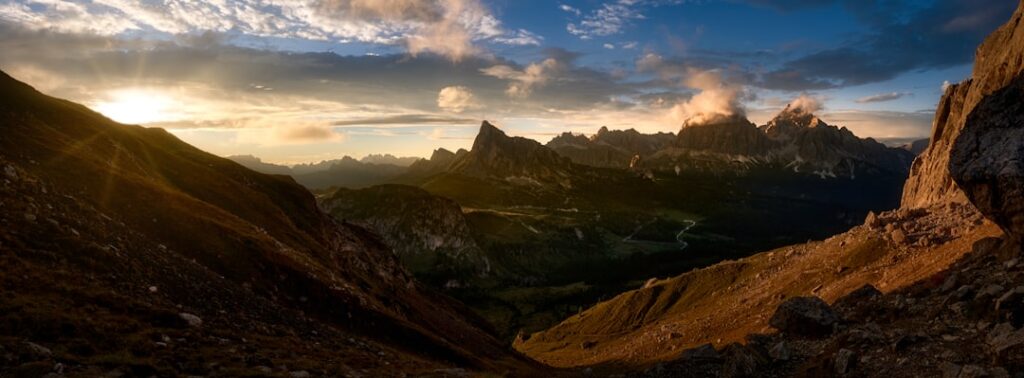
Must‑ride e‑MTB routes (long and short rides)
Here’s a selection of ideal e‑MTB routes, organized by accessibility and intensity, with practical details (start point, approximate distance, elevation gain, duration, points of interest, related huts and their hours). Each route makes the most of electric assistance so you can reach panoramas otherwise reserved for very fit riders.
1) Cortina Circuit — Passo Giau (loop): start and finish in Cortina d’Ampezzo, Corso Italia 86, 32043 Cortina d’Ampezzo (Belluno). Distance ~45 km, elevation gain ~1,800 m, duration 6–8 h on an e‑MTB. The track climbs toward Passo Giau (2,236 m) via wide trails and alpine passes with views of the Cinque Torri and the Marmolada massif. Recommended hut: Rifugio Fedare, Località Forcella Nuvolau, 32043 Col Gallina (Cortina) — phone +39 0436 870026. Summer hours often 08:00–20:00 (April–October may vary). Hut meal price: main course €12–€18, half‑board night €45–€80 depending on season. This circuit combines rocky sections and fast alpine tracks; electric assist really helps on the long ramps.
 Click here to discover the Col Giau guided loop
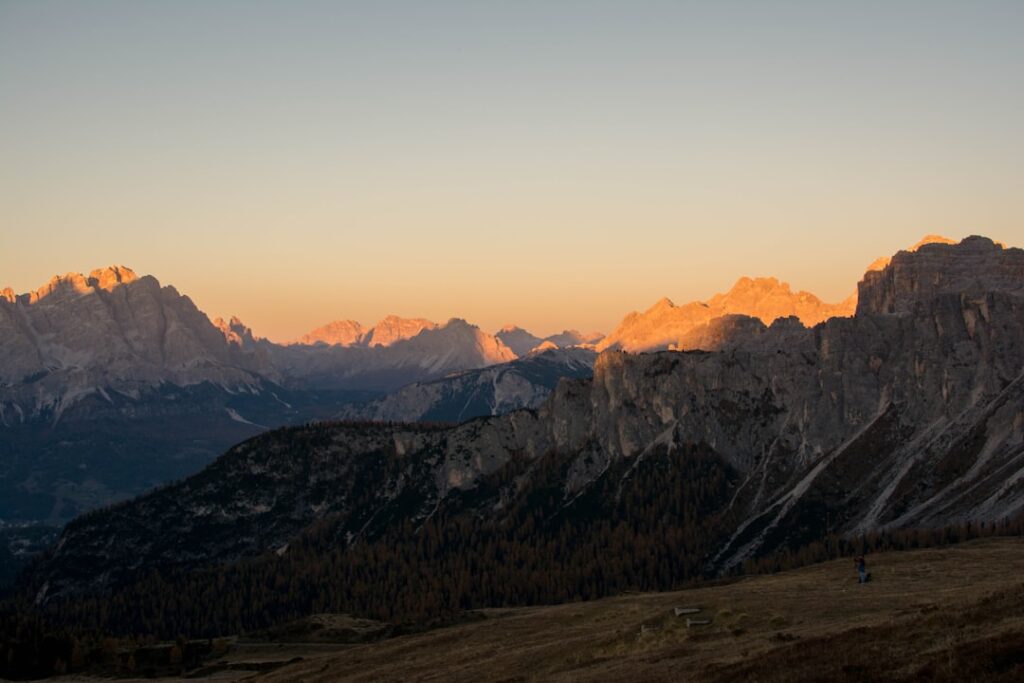
2) Tre Cime di Lavaredo (out‑and‑back from Misurina): start at Lake Misurina, Via Lago di Misurina 1, 32041 Auronzo di Cadore (BL). Round‑trip distance ~36 km, elevation gain ~900 m, duration 4–6 h. A demanding but spectacular route around the famous Tre Cime, with some trails where MTB access is restricted — check with the Auronzo di Cadore tourist office, Piazza dei Caduti 1, 32041 Auronzo di Cadore, hours 09:00–18:00 (high season). Key hut: Rifugio Auronzo, Strada delle Tre Cime, 32041 Auronzo di Cadore — usually open 07:00–19:00. Parking and road access fees to Tre Cime: around €30 per car in high season (variable).
Click here to book an electric bike tour from Misurina
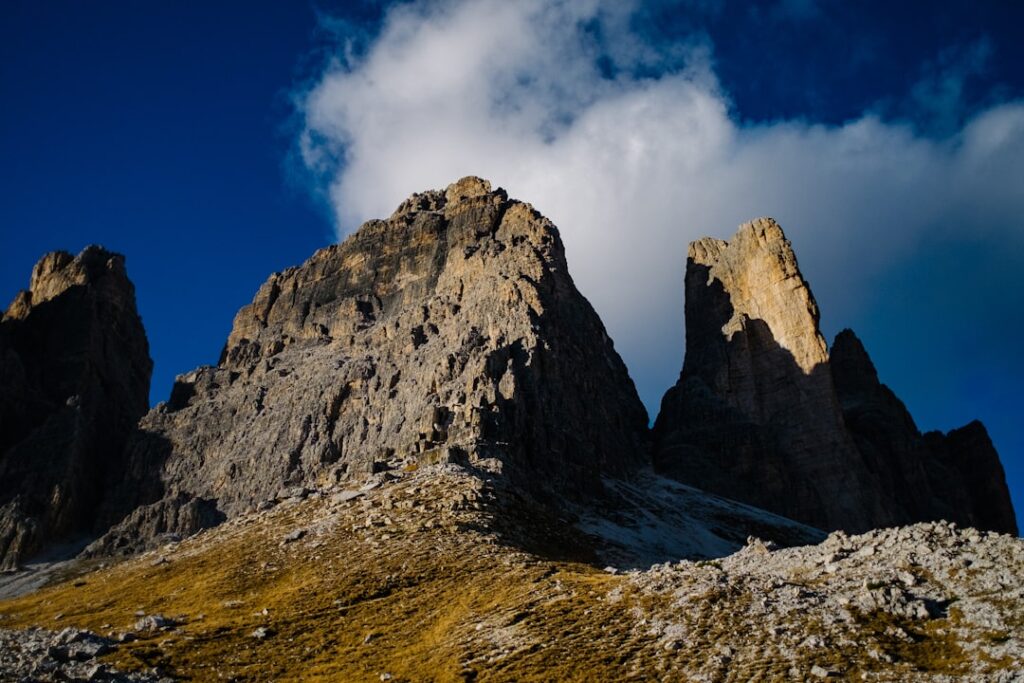
3) Val Gardena to Alpe di Siusi traverse: start in Ortisei (St. Ulrich), Piazza San Antonio 2, 39046 Ortisei (BZ). Distance ~40–55 km depending on variant, elevation gain 1,200–1,800 m, duration 6–9 h. A technical route mixing singletrack and pastoral tracks, crossing Seceda to Alpe di Siusi and then descending toward Castelrotto/Kastelruth. The Seceda cable car (Funivia Ortisei‑Furnes) sometimes carries bikes; typical hours 08:30–17:00 (check before you go). E‑bike rentals and workshops: Dolomiti Bike Rental, Via Plan 16, 39046 Ortisei — day hire €50–€85 depending on model; helmet €5. Recommended stay: Hotel Adler Dolomiti (Via Rezia 2, 39046 Ortisei) — rooms from around €120 double outside peak season.
Click here to book a photo session in Val Gardena
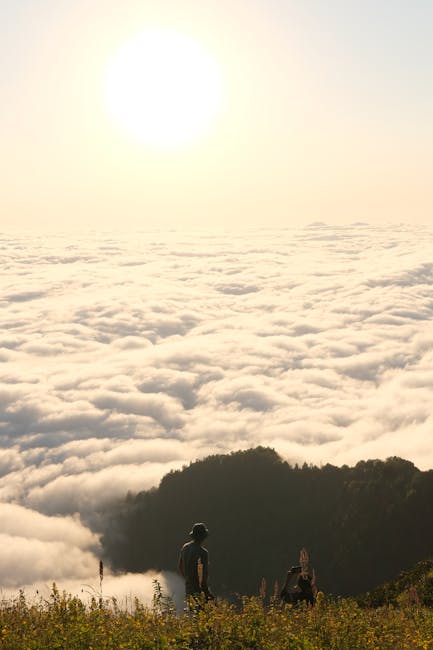
4) Marmolada Glacier loop (from Malga Ciapela): start Malga Ciapela, Via Marmolada 11, 32020 Rocca Pietore (BL). Distance ~30–60 km depending on the line, steep elevation gain (>1,500 m), duration 5–8 h. Views of the Marmolada (3,343 m), the “Queen of the Dolomites,” with options to reach viewpoints near the glacier. Lifts available to gain altitude: Funivia Marmolada, Via Roma 2, 32020 Malga Ciapela — hours 08:30–16:30 in season; bike lift fee ~€10–€20 depending on season. Recommended hut: Rifugio Contrin, Strada Contrin 1, 38036 Valles, San Martino di Castrozza — for closer glacier access check Rifugio Pian dei Fiacconi (confirm accessibility).
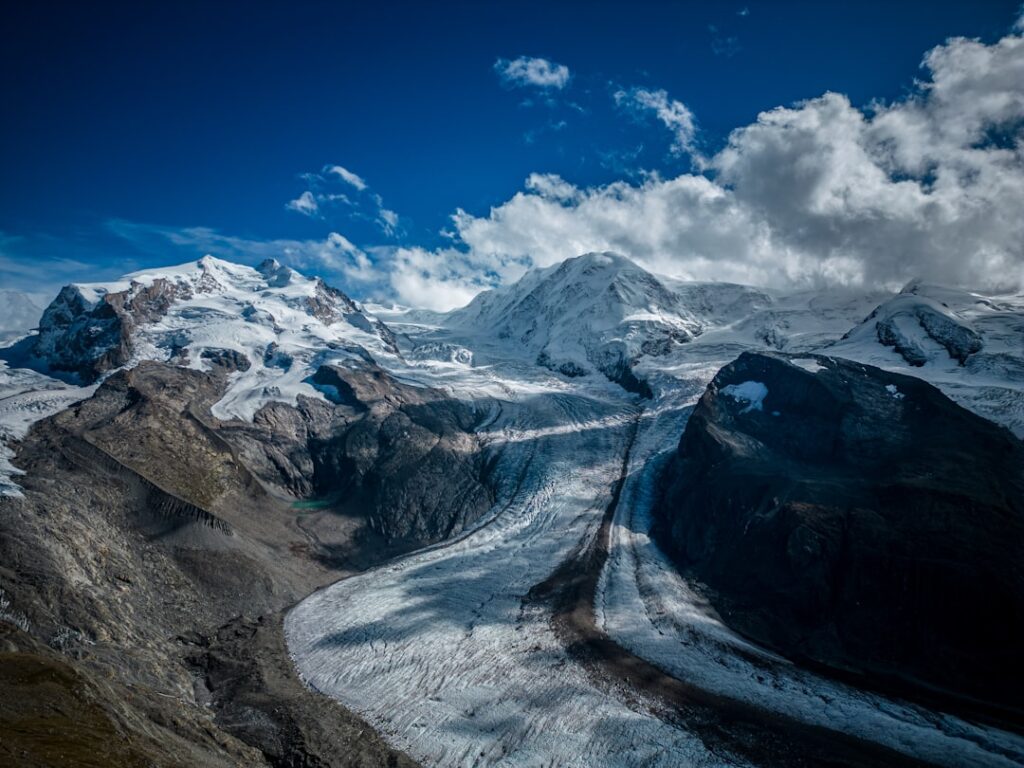
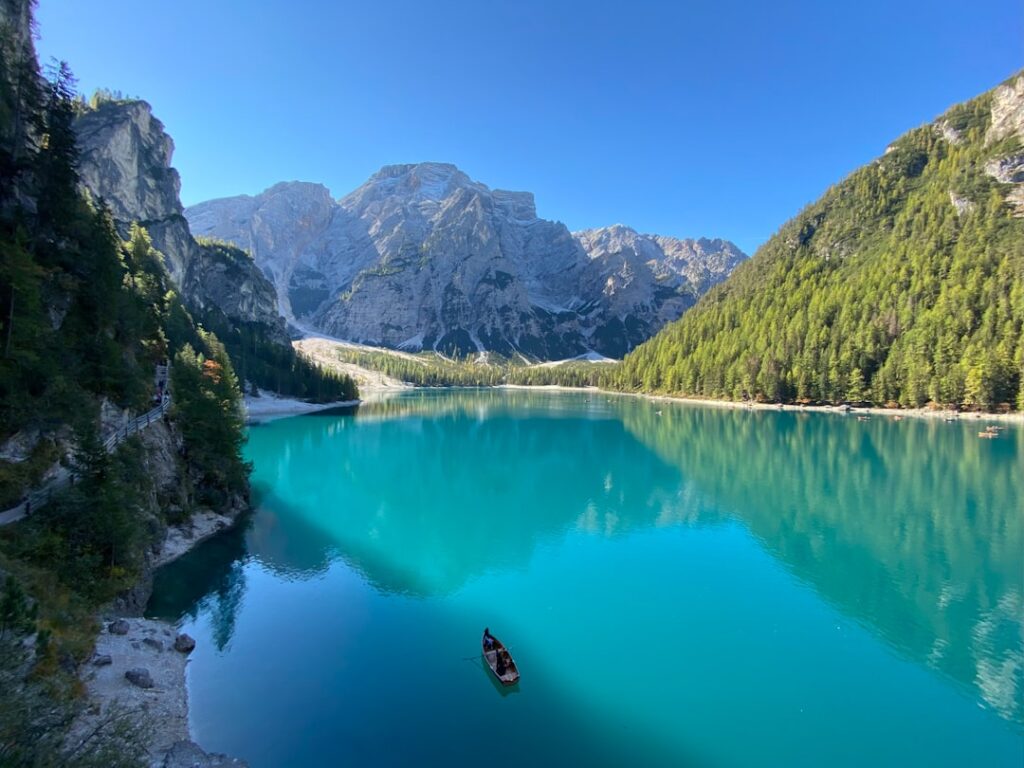
5) Lake Braies loop and Alta Via approach: start at Lake Braies, Via Lago, 39030 Braies (BZ). Easy to moderate loop ~12–20 km, low elevation gain, duration 1–3 h. Perfect to recharge your eyes after a big day: emerald water, forests and small lakeside beaches. Official parking: Parcheggio Lago di Braies, Via Lago 1, 39030 Braies — high season fees €5–€15 per car/day. Park office for info: APT Pragser Wildsee, Via Lago 1, 39030 Braies, open 09:00–18:00. Note: in high season access may be limited to tourist buses and some lakeside trails may restrict MTB use (follow signage).
Click here to join a yoga and short hike at Lake Braies
Each route requires preparation suited to the terrain, weather and local rules. Before you set off, check hut openings and whether bikes are allowed on the lifts, and plan for a spare battery or a charging strategy. The following sections go into practical tips, rentals and places to stay so you can make the most of your trip.
Rentals, lifts, mountain huts and local services
To get the most from your e‑MTB rides it’s key to know where to hire reliable kit, recharge batteries and sleep in welcoming huts. Here’s a curated list with hours, indicative prices and tips.
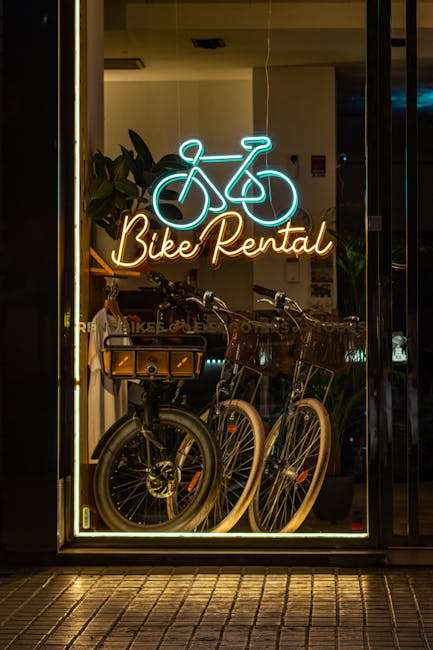
E‑bike rental shops and workshops:
- Dolomiti E‑Bike Rental, Via Plan 16, 39046 Ortisei (BZ) — phone +39 0471 777123. Seasonal hours 08:30–18:30 (May–October). Day hire: €55–€95 depending on model (Bosch/Trail/Performance). Accessories (helmet, gloves): €5–€10. Bike deposit: €200–€500. Book ahead in high season.
- Cortina Bike Rental, Corso Italia 185, 32043 Cortina d’Ampezzo (BL) — phone +39 0436 123456. Hours 09:00–19:00. Price: €50–€90/day; longer rentals often cheaper (3 days = ‑10%). Bike transport by van: €30–€60 depending on distance.
- Alpe di Siusi Bike Services, Via Compatsch 9, 39040 Castelrotto (BZ). Hours 09:00–17:30. Half‑day hire €40, full day €70. Battery station: fast charge €10–€20 depending on amp draw.
Lifts and bike transport:
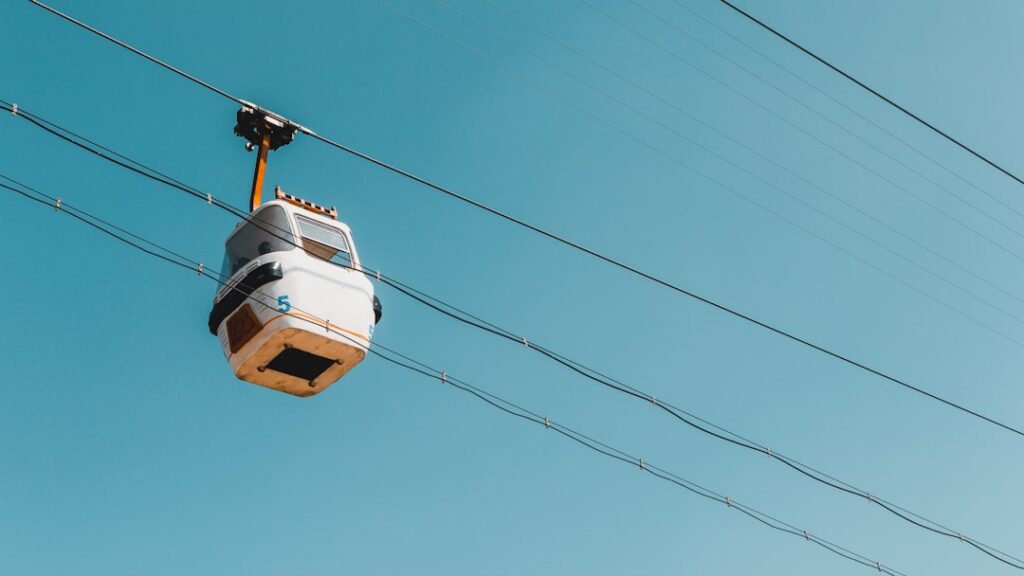
- Funivia Seceda (Ortisei) — Cabin lift transporting guests: local embarkation at Passo Seceda Station, Via Plan, 39046 Ortisei. Typical hours 08:30–17:00 in high season. Ascent price: adult €20–€30; bike transport extra €5–€10 depending on rules.
- Funivia Marmolada, Via Roma 2, 32020 Malga Ciapela (Rocca Pietore) — hours 08:30–16:30; bike fee €10–€20. Check operation in low season.
- Cable cars Cortina — Tofane, Piazzale Roma, 32043 Cortina d’Ampezzo — bikes allowed on some sections by request; cable car fares €15–€25, including basic preparations.
Useful huts and accommodation:
- Rifugio Auronzo, Strada delle Tre Cime, 32041 Auronzo di Cadore (BL) — phone +39 0435 76110. Open generally May to October, hut hours 06:30–20:00. Dorm bed €25–€40; private room and half‑board €55–€90. Typical menu: polenta, canederli, Tyrolean dishes €10–€18.
- Rifugio Fedare, Località Forcella Nuvolau, 32043 Col Gallina (Cortina) — phone +39 0436 870026. Hours 08:00–20:00; dinner and breakfast on request; meal prices €12–€20.
- Hotel La Perla, Corso Italia 94, 32043 Cortina d’Ampezzo — useful for luggage drop, bike storage and battery charging (confirm charging availability on site). Rooms from €130 double depending on season.
Logistics tips:
- Book your e‑bikes and accommodation well in advance between July and September — high season draws hikers, cyclists and families.
- Check if cable cars accept batteries; some require removing the battery and carrying it in the cabin separately.
- Bring a portable charger and an adapter cable — some stations and huts offer power but not always with universal European sockets.
- Insurance: make sure you have mountain biking coverage including alpine rescue and repatriation if you tackle exposed sections.
Practical tips, safety, fitness and respecting the environment
E‑MTB changes how hard a ride feels but it doesn’t remove mountain risks. Dolomite trails alternate between rideable stretches, slippery limestone slabs, scree and technical singletrack. Here are concrete recommendations to leave safely and responsibly:
Mandatory and recommended kit:
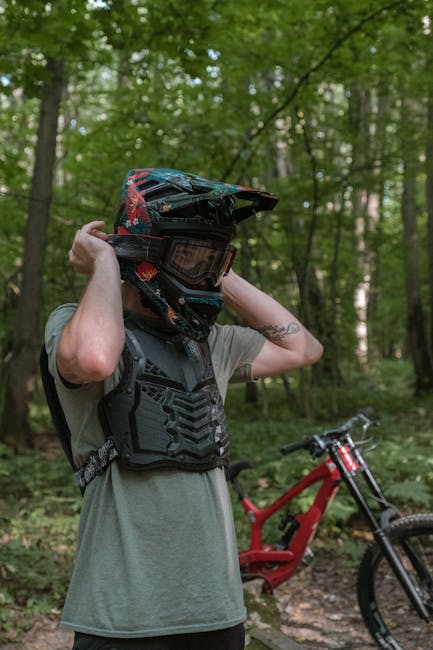
- Full‑face helmet or a mountain bike helmet with removable chin guard depending on your technical level — essential on exposed descents.
- Long gloves, goggles or glasses with interchangeable lenses (sun/cloud), tubeless repair kit, hand pump or CO2 cartridges.
- Technical layered clothing (windproof + fleece); temperatures can drop quickly at altitude. Lightweight poncho or compact Gore‑Tex for afternoon storms.
- Powerbank for phone/GPS and a headlamp; an extra e‑MTB battery if planning a long day (>6 h): rental extra €20–€35 per battery depending on shop.
Route safety:
- Check local weather (MeteoDolomiti and local tourist offices) the evening before and the morning of your ride — summer afternoon storms are common. If a storm approaches, avoid ridgelines and power lines and descend to shelter as quickly as possible.
- Know local regulations: some trails inside nature parks (e.g. Parco Naturale Tre Cime) may limit MTB access depending on season and zone. Auronzo di Cadore tourist office: Piazza dei Caduti 1, 32041 Auronzo di Cadore, hours 09:00–18:00.
- Tell someone your route and leave an approximate plan at your accommodation. In a serious accident the alpine emergency number in Italy is 118 (mountain rescue 112/118 depending on region).
Fitness prep and battery management:
- Plan stages with real autonomy in mind: high assistance + steep climb = fast battery drain. Practically, keep 25–40% of charge in reserve for the unexpected.
- Vary assistance levels: use eco on flats, boost/turbo for long steep ramps. Train to pedal at a steady cadence to extend battery range.
- Refueling: carry at least 1.5–2 L of water (more on hot days), energy bars and a small first aid kit. On huts, meals €10–€20, drinks €3–€6.
Respect and sustainability:
- Stick to marked trails to protect fragile alpine vegetation and limit erosion. Respect temporary pasture closures and wildlife breeding seasons (check with park offices).
- Take all your trash with you; some huts run recycling and compost schemes — help them by carrying plastic packaging back to the valley.
- Respect other users: hikers, riders on foot and families share many trails. Control your speed and announce yourself from a distance.
Conclusion — Why choose an e‑MTB to explore the Dolomites
The e‑MTB transforms how you experience the Dolomites: it lets you reach high viewpoints, link multiple passes and explore remote valleys while optimizing the effort. You can, in a single day, climb a pass that would once have taken half a day on a muscle bike and still ride on to an isolated hut to watch a magnificent sunset. The routes suggested here blend classics (Tre Cime di Lavaredo, Passo Giau, Marmolada) with lesser‑known traverses (Seceda‑Alpe di Siusi), offering a mix of panoramic highlines, technical singletrack and peaceful lakeside stretches.
Practically, the key to a successful trip is preparation: choose the right e‑bike, check lift and hut hours (e.g. Rifugio Auronzo 06:30–20:00, Rifugio Fedare 08:00–20:00), know approximate costs (rental €50–€95/day, hut meals €10–€20, bike lift €5–€20) and watch the weather. Local tourist offices (Cortina d’Ampezzo, Ortisei) are invaluable for up‑to‑the‑minute trail conditions and temporary restrictions.
Finally, think sustainability and respect the environment: stay on tracks, manage waste and favor providers committed to mountain stewardship. The e‑MTB is not a license to ignore the rules — it’s a tool to deepen the experience, share unforgettable views and meet the people who keep these places alive, from hut wardens to local craftspersons. With the right preparation, kit and respect, your days in the Dolomites will turn effort into wonder and every corner will reveal a new face of these mountains.