





Introduction — Immersed in the Dolomites: a long-distance crossing on foot
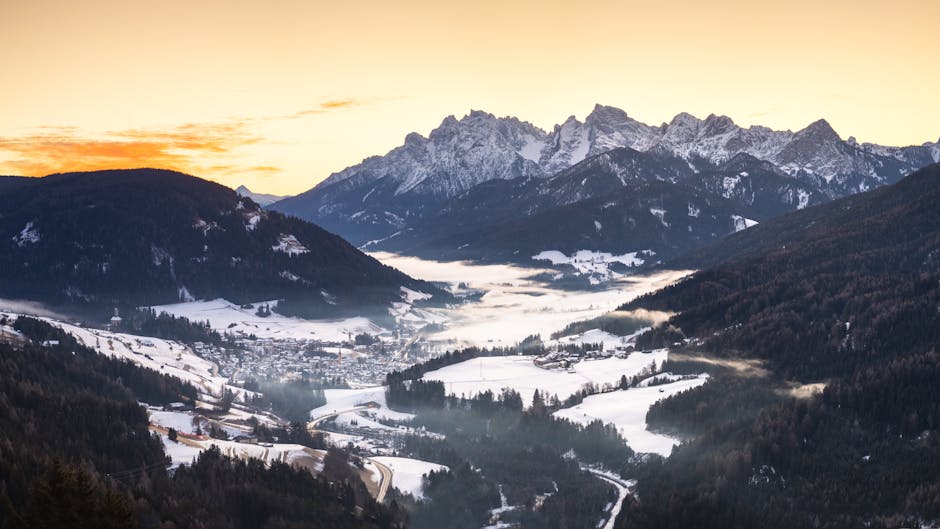
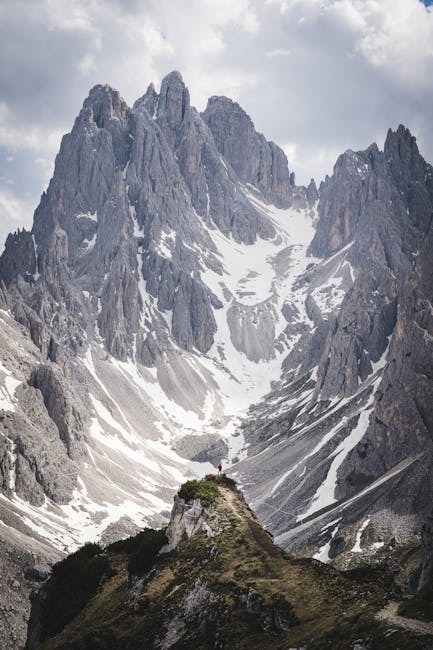
The Dolomites, a UNESCO World Heritage site, are among Europe’s most dramatic mountain ranges. Lying mainly across Trentino-Alto Adige and Veneto, these pale limestone peaks carve sharp ridges, jagged skyline silhouettes, green alpine valleys and mountain huts that live by the rhythm of the sun and the seasons. A multi-day trek here is more than a hike: it’s a sensory journey where every day brings a new panorama, a new light, a new mood. Whether you walk at first light beneath the pink shadows of the summits or watch an orange sunset paint a sheer rock face, the landscape sets the tone and the pace.
This guide is aimed at walkers planning an itinerant multi-day crossing of the Dolomites: recommended routes, huts to book, practical info (addresses, indicative prices, opening times) and tips to make the most of a relatively self-supported mountain trip. We cover iconic spots like the Tre Cime di Lavaredo, Lago di Braies, the Marmolada, Seceda and classic refuges such as Rifugio Auronzo and Rifugio Lavaredo. Those names carry promises: sweeping views, well-marked trails, breaks in huts where you swap hot soup and trail tales.
A crossing like this requires preparation and respect for local rules. Weather changes fast, altitude dictates a measured pace and some sections call for alpine hiking experience (ladders, exposed paths). We’ll give you exact addresses for trailheads and huts, indicative costs (road access fees, lifts, nights in huts), schedules and local recommendations to help you optimise your experience. Armed with this, you can plan each stage and fully feel the emotional intensity of crossing the Dolomites — where physical effort meets geological spectacle and human encounters around a wooden table in a refugio.
Stage 1: Tre Cime di Lavaredo — the massif’s gateway
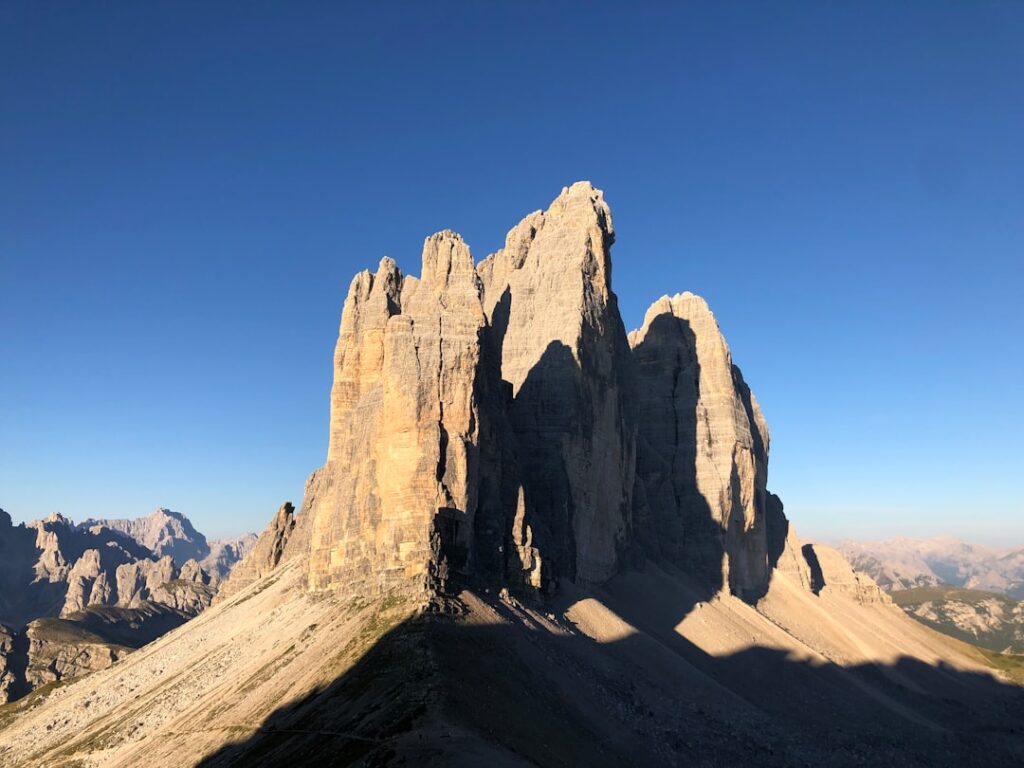
The Tre Cime di Lavaredo (Drei Zinnen in German) are among the Dolomites’ most iconic sights. Located in the Tre Cime Nature Park, they sit on the border between the provinces of Belluno and Bolzano. A frequent starting point for crossings, the area is reached via the toll road Strada Regionale 48 up to Rifugio Auronzo. Address / meeting point: Rifugio Auronzo, Località Auronzo di Cadore, 32041 Auronzo di Cadore BL, Italy. Road access is subject to a fee: the route between Auronzo and the Rifugio Auronzo parking charges roughly €30 per car (indicative, varies by season).
The classic trail circles the Tre Cime, a loop that takes about 3–4 hours for an average hiker, with options to detour to Rifugio Lavaredo (Rifugio A. Locatelli / Rifugio Locatelli, via Forcella Lavaredo). The refuge is located at Rifugio Locatelli – A. F. O. Bocchetta, Forcella Lavaredo, 39030 Sesto BZ, Italy (confirm coordinates when booking). Dorm bed prices in huts generally range from €30 to €60 per person, while a private room can be €80–€120 depending on comfort and season. Huts serve meals: main course + dessert typically cost around €15–€25.
Opening hours and access: the road to Rifugio Auronzo is open according to the tourist season (usually from late May to mid-October) between roughly 07:00 and 18:00, but exact times vary — check with the local tourist office. The hut itself usually welcomes hikers from about 06:30 for breakfast and serves dinner until around 21:00, with check-out mornings near 08:00–09:00.
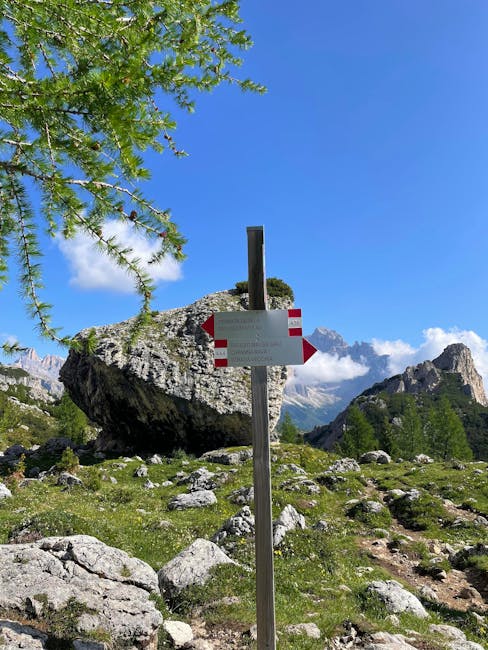
Practical tips: start early to beat the crowds and soak up the morning colours. Pack warm layers (temperatures can drop quickly) and a small first-aid kit. Book your hut spaces well in advance, especially in July–August. And stay on marked trails to protect fragile alpine flora and for your own safety.
 Click here to Book a guided visit to the Tre Cime refuges
Stage 2: Lago di Braies, Prato Piazza and the first lakeside respites
After the sculpted rock of the Tre Cime, a gentler, almost dreamlike stage awaits at Lago di Braies (Pragser Wildsee). Address: Lago di Braies, 39030 Braies BZ, Italy. This high-altitude lake, famous for its emerald waters and wooden boats, is a perfect place to rest for a day or a short stop during a crossing. Access to the lake is charged: parking and visitor management apply fees of around €6–€8 for daily parking, with measures to limit visitor numbers in high season.
The lakeside loop takes about 1–1.5 hours on flat paths, while more challenging routes lead into the Fanes valley or head back toward the Tre Cime if your crossing links those areas. The Grand Hotel Dobbiaco (Grand Hotel Pragser Wildsee) is the historic lakeshore property; address: Strada Lago di Braies, 1, 39030 Braies BZ, Italy. Hotel prices around the lake range from about €90 to €250 per night depending on level and season.
Opening times: the lake is physically accessible year-round, but tourist services (boat hire, cafés, shops) work seasonally — typically 09:00–18:00 in low season and longer in summer. In high season try to arrive before 09:00 to avoid queues and enjoy gentle morning light.
Local tips: rent a wooden rowboat for a short spell (around €12–€20 for 30–60 minutes) and glide on the still water beneath the cliffs. Bring waterproof shoes and, if continuing your trek, plan your supplies — the nearest shops are typically in Braies or Dobbiaco/Toblach. Respect no-swim zones and follow rules to protect wildlife and plant life.
Click here to Join yoga and short hike at Lago di Braies
Stage 3: Marmolada — glacier and more technical alpine passages
The Marmolada, often called the “Queen of the Dolomites,” dominates the landscape with its glacier and steep faces. Main access point: Funivia Marmolada (cable car), departing from Malga Ciapela. Departure address: Funivia Marmolada, Località Malga Ciapela, 32020 Rocca Pietore BL, Italy. The cable car gives easier access to the glaciated plateau and delivers unforgettable views. Indicative fares: about €34–€40 return for the lifts (seasonal variations and discounts may apply).
On a long-distance route, crossing the Marmolada sector often makes for a tougher, more alpine day: steep trails, late snowfields and exposed sections. Typical itineraries include stops at huts like Rifugio Capanna Bill or Rifugio Pian dei Fiacconi along the way to rest before more technical crossings. Malga Ciapela’s address for logistics: Località Malga Ciapela, 32020 Rocca Pietore BL, Italy. Hut rates in this area are roughly €40–€90 per night depending on whether you’re in a dorm or a private room.
Opening times: the cable car generally runs from late May to October, roughly 08:30–17:00 in summer; out of season services are reduced. Check snow bulletins and local safety notices — sections may be closed in dense fog or avalanche risk.
Practical advice: if your route crosses glaciers or persistent snowfields, bring appropriate gear (light crampons, an ice axe) and consider hiring a mountain guide. Always tell your next accommodation your route and expected arrival time. Rocca Pietore and Malga Ciapela provide small shops and eateries — plan your resupplies. And respect the fragile glacier environment: take your trash with you and stick to marked trails.
Stage 4: Seceda, Passo Gardena and the link to Cortina d’Ampezzo
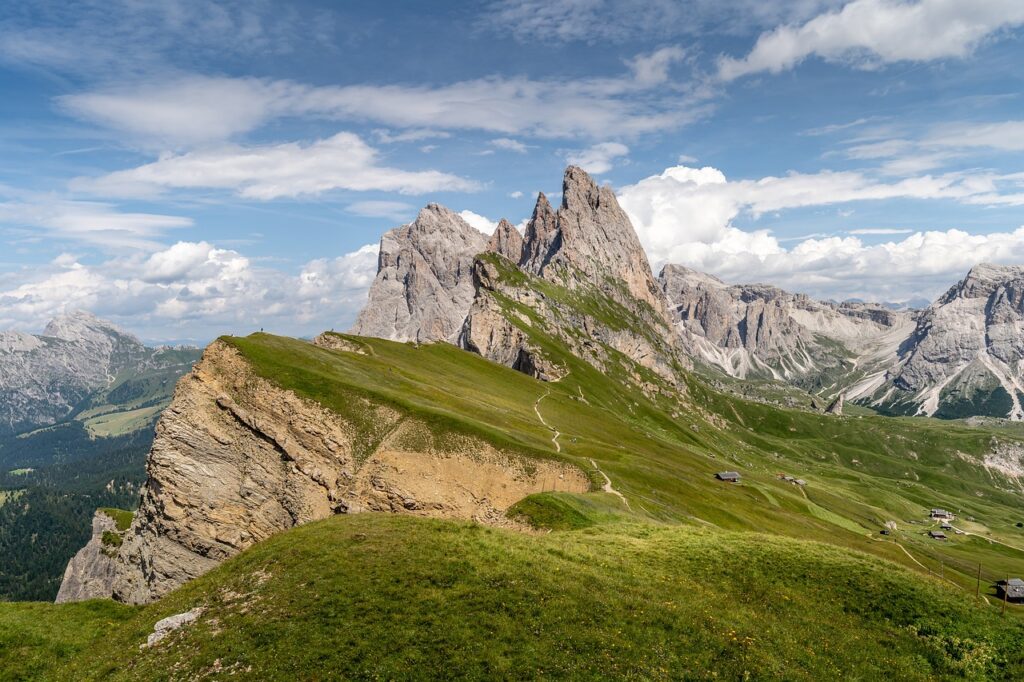
Seceda, with its rolling meadows and razor ridges, makes a fine finale before heading to the famous Cortina d’Ampezzo. The main access is from Ortisei (Urtijëi) via the Seceda Cable Car. Departure address: Funivia Seceda, Via Rezia 127, 39046 Ortisei BZ, Italy. Indicative return fare: about €32. From the summit you get sweeping views over Val Gardena, the Sella group and, on clear days, the Ampezzo peaks.
From the Seceda plateau you can reach Passo Gardena (Gröden/Passo Gardena) and continue toward the Cortina d’Ampezzo area by crossing cols and alpine meadows. Huts and hotels en route include places like Rifugio Puez (in Alta Badia), and in town the Cortina tourist office: Largo Poste, 1, 32043 Cortina d’Ampezzo BL, Italy. City accommodation prices range from about €80 to €300 per night depending on level, season and location.
Opening times: most cable cars and huts operate from late May to October; winter access changes with ski operations. At Seceda ticket offices often open around 08:30 and the last descent is usually between 17:00 and 18:00. Some refuges close outside the tourist season.
Local tips: for a memorable final walking day, aim to arrive in Cortina late afternoon so you can enjoy services (bakeries, pharmacies, gear rental). Cortina has several specialist shops (trekking poles, boots) and restaurants serving Ladin and Venetian-influenced cuisine. Book your final night well in advance, especially if you finish your crossing over a busy weekend.
Click here to Book an iconic Seceda day trip from Verona
General tips for a successful crossing
- Bookings: reserve huts and accommodation several weeks ahead in high season (July–August).
- Gear: sturdy hiking boots, layered clothing, a waterproof/windproof jacket, headlamp, first-aid kit, and offline maps or GPS.
- Resupply: bring water and snacks; huts often serve hot meals but some services may be reduced on Tuesdays and Wednesdays.
- Safety: check local weather forecasts (Servizio Meteorologico Alto Adige or ARPA Veneto) and adjust your route if storms are expected. In an emergency call the European emergency number 112.
- Leave no trace: take all your rubbish, respect signage and keep to pasture fences and enclosures.
Conclusion — Beyond the step: what a Dolomites crossing leaves you with
Walking across the Dolomites for several days is an exercise in slowing down and letting the landscape transform you. The limestone towers, alpine lakes, cozy huts and wind-swept passes form a unique geographic story. Beyond the technical stages and practical coordinates (addresses, prices and times), a crossing gives you timeless moments: a pink sunrise on the Tre Cime di Lavaredo, the early-morning calm of Lago di Braies, or the glacier grandeur of the Marmolada. These images linger and feed a hiker’s dreams for years to come.
On a human level you’ll meet local guides, shepherds, families and hikers from across the globe. Sharing a meal in a mountain hut, listening to an old warden’s tips or lending a hand to a fellow walker adds social depth to the trip. Huts thus become places of rest and transmission — recipes, routes and mountain stories that preserve the memory of the place.
Finally, plan your crossing with respect and humility: the mountains command and reward. Prepare, kit up, stay informed about conditions and, above all, let the unique beauty of the Dolomites carry you. In the end, this crossing is an invitation to slow down, listen to the silence of the heights and come home changed — with memories, perhaps some sore legs, but above all profound gratitude for these elevations of stone and light.