





Introduction — Why plan a picnic on the Dolomite passes
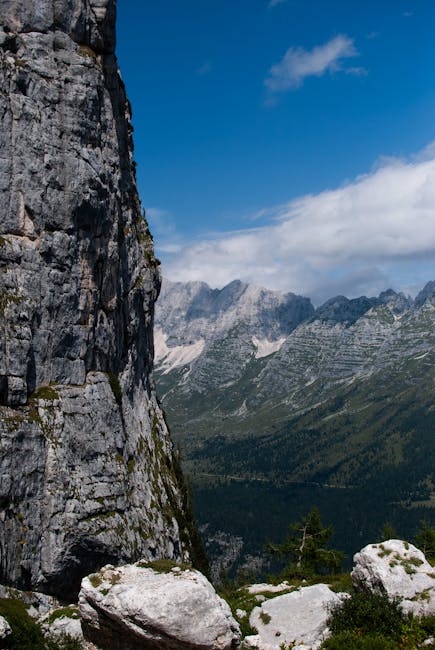
Planning a picnic on the Dolomite mountain passes is more than just an outdoor meal: it’s a way of life that blends scenery, alpine culture, local food and safety. The Dolomites, a UNESCO World Heritage site, offer breathtaking viewpoints — limestone ridges, flower-filled alpine meadows, rugged pastures and glacial lakes — that turn a simple sandwich into a memorable experience. To get the most out of it, a little prep goes a long way: pick the right pass at the right time, know where to park, check which mountain huts are open, follow environmental rules and put together a menu suited to high-altitude conditions.
In this in-depth guide you’ll find practical, immersive information to imagine, organize and enjoy the perfect picnic on some of the most iconic passes: Passo Pordoi, Passo Gardena (Passo Gardena / Grödnerjoch), Passo Sella, Passo Falzarego, and the areas around Tre Cime di Lavaredo and Lago di Braies. We’ll include exact addresses, indicative prices in euros, typical opening times (cable cars, huts, parking), sensory descriptions of each spot and local tips that make the difference — when to sit to catch the best light, how to keep your bread and cheese from blowing away, zero-waste alternatives, and how to avoid common mistakes (underestimating the cold, forgetting reusable bags, or leaving food for wildlife).
Beyond logistics, you’ll get concrete culinary recommendations: local products (speck, formaggio di malga, schüttelbrot, chilled canederli), huts where you can buy takeaway dishes, typical hut meal prices, and tricks to keep your basket fresh without fancy ice packs. We’ll also cover the Dolomites’ fickle weather and the rules of good conduct — how to behave at altitude, busy times to avoid, and how to leave the place as clean or cleaner than you found it.
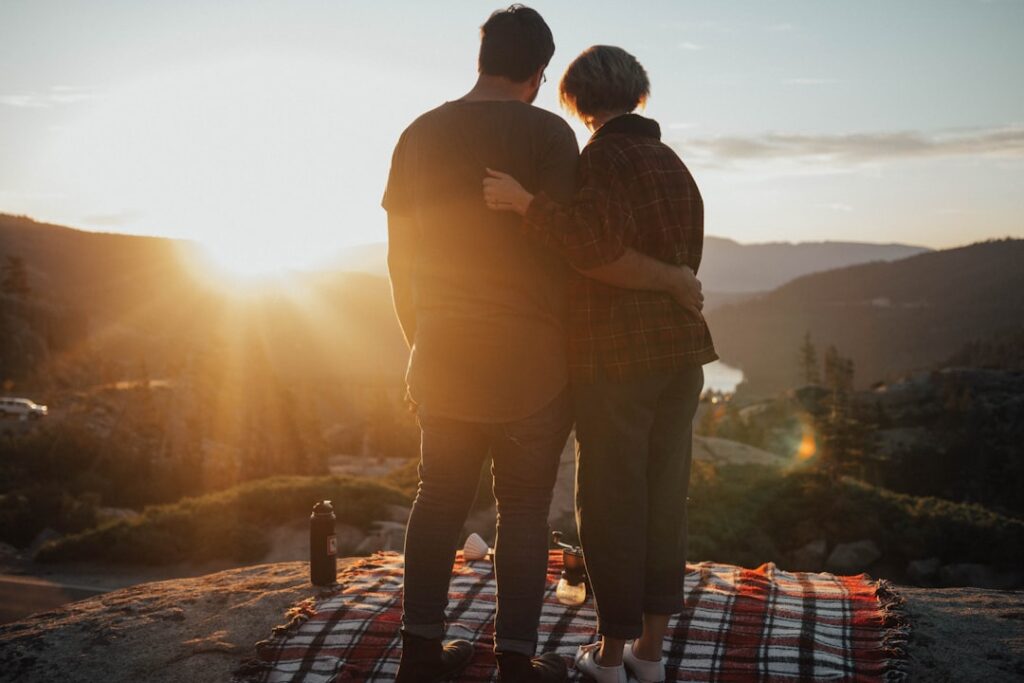
Whether you’re an amateur photographer, a family hiker, a road cyclist or simply someone who loves scenery, this practical guide will give you the keys to turn a meal stop into a moment of contemplation, sharing and discovery. Pack your blanket, scout a natural bench, choose a spot sheltered from the wind, bring a thermos of hot soup and let golden light do the rest — the Dolomite passes have everything you need for a picnic you’ll remember.
Choosing the right pass and spot for your picnic
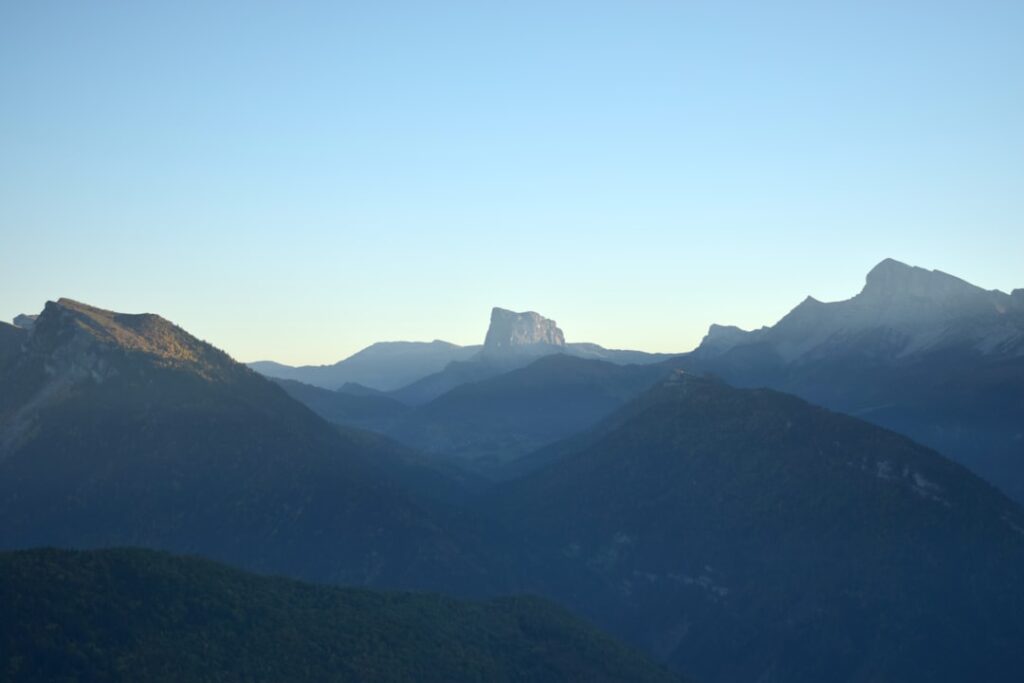
The pass you choose shapes the vibe of your picnic: some spots are famous for dizzying panoramas, others for easy access or welcoming mountain huts. Here are five very doable passes and sites for a memorable picnic, with practical access details and what to expect.
Passo Pordoi — The terrace facing the Marmolada
Passo Pordoi (Passo Pordoi, 38036 Canazei TN, Italy) is a well-known mountain pass at the foot of the Marmolada massif. The broad plateau at Passo Pordoi offers several viewpoints, including the Sass Pordoi cable car terrace which provides a ‘balcony’ at 2,950 m. If you prefer an easily walkable spot, park in the large public parking at the pass and stroll a few minutes to the viewpoint. The atmosphere is panoramic: on a clear day you’ll see the Marmolada range and the Sella ridges. When it’s windy, look for shelter behind rocks.
Access and practical tips:
- Parking address: Passo Pordoi, 38036 Canazei TN
- Parking price: typically €5–10 per day (varies by season)
- Sass Pordoi cable car hours: typically 08:30–16:30, ticket office hours depend on the season
- Cable car price (approx.): €18–22 round trip (2024, subject to change)
 Click here to book a Great Dolomites circuit via Pordoi Pass
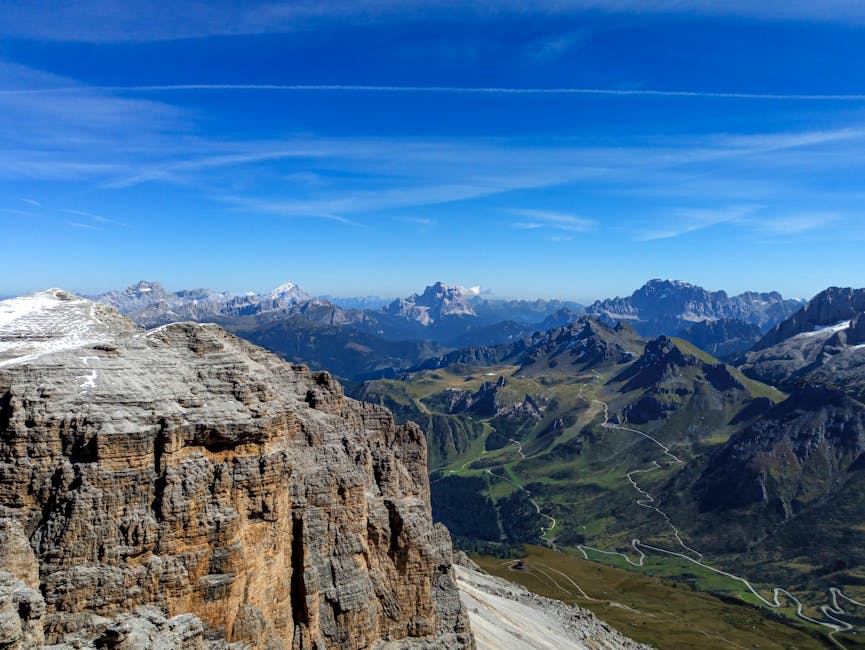
Passo Gardena (Grödnerjoch) — Meadows and gentler shapes
Passo Gardena (Passo Gardena / Grödnerjoch, 39047 Selva di Val Gardena BZ, Italy) is known for its grassy slopes — perfect for sitting on a blanket and enjoying a softer panorama than the craggy ridges. South-facing meadows often have sheltered spots, ideal for families with kids. The road links Selva di Val Gardena and Corvara, making it easy to stock up on food in the villages before you climb to the pass.
Access and practical tips:
- Address: Passo Gardena, 39047 Selva di Val Gardena BZ, Italy
- Parking: public parking along the road — €5–8 per day depending on season
- Services: some huts are open and offer drinks and sandwiches (sandwiches €6–12; hot dishes €12–20)
- Atmosphere: beautiful at sunset for warm colors; mid-day is usually quieter
Click here to book a Val Gardena photo session
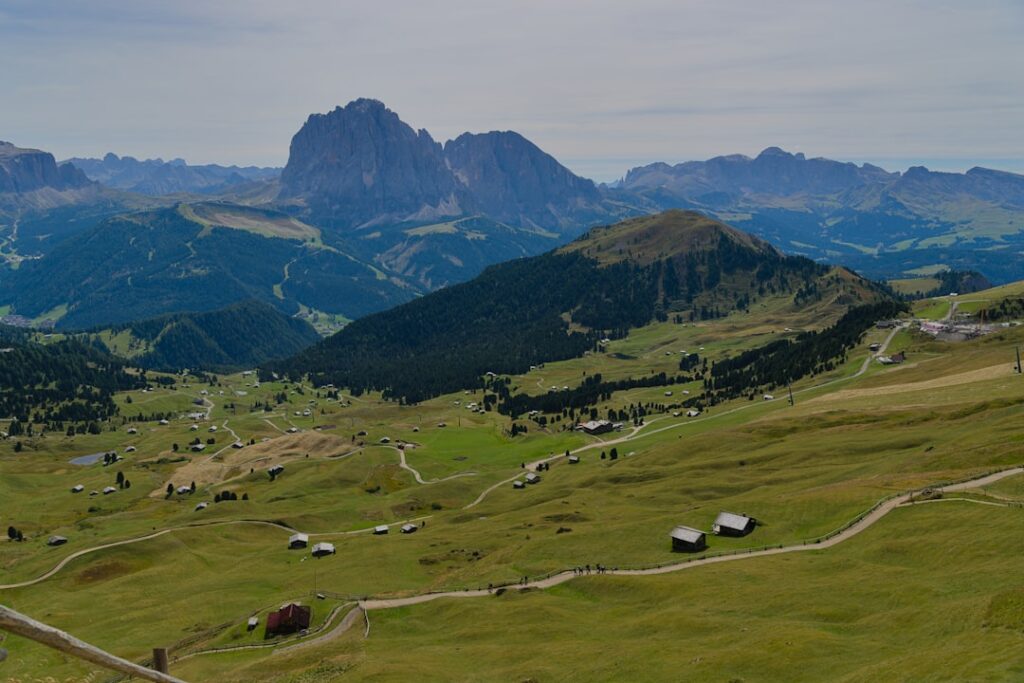
Passo Sella — Between sculpted rocks and trails
Passo Sella (Passo Sella, 39048 Selva di Val Gardena BZ, Italy) is one of the most photogenic spots: the silhouettes of the Sella and Sassolungo massifs make an extraordinary backdrop. Parking areas near the pass give access to small rocky clearings that act as natural tables. It’s popular with hikers and cyclists — arrive early to find a peaceful spot.
Access and practical tips:
- Address: Passo Sella, 39048 Selva di Val Gardena BZ
- Parking: paid parking €5–10 per day, depending on season
- Season: road generally open from late May to November depending on snow
- Tip: check road conditions and winter closures with the local municipality or tourist info site
Click here to book a Sellaronda half-day tour
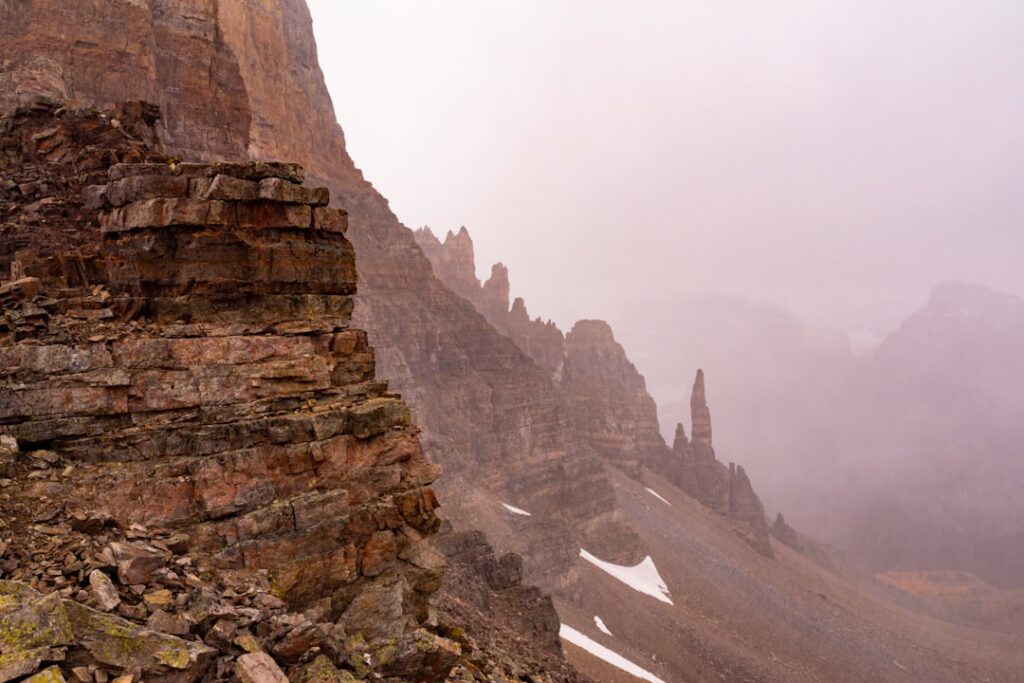
Passo Falzarego and Lagazuoi — History and sweeping views
Passo Falzarego (SS48) sits close to Monte Lagazuoi and Rifugio Lagazuoi. This area is ideal for a picnic followed by a short historical walk: First World War tunnels and observation posts carved into the rock sit alongside alpine trails. The Lagazuoi funicular or cable car (Pian dei Fiacconi) takes you to summits with 360° views.
Access and practical tips:
- Full address: Passo Falzarego, Strada Statale 48, 32043 Cortina d’Ampezzo BL, Italy
- Parking: public and private parking — €5–12 per day
- Lagazuoi cable car hours: typically 08:30–16:00 (summer hours, variable)
- Cable car price (approx.): around €25–30 round trip (2024)
Click here to join a Lagazuoi high-altitude guided hike
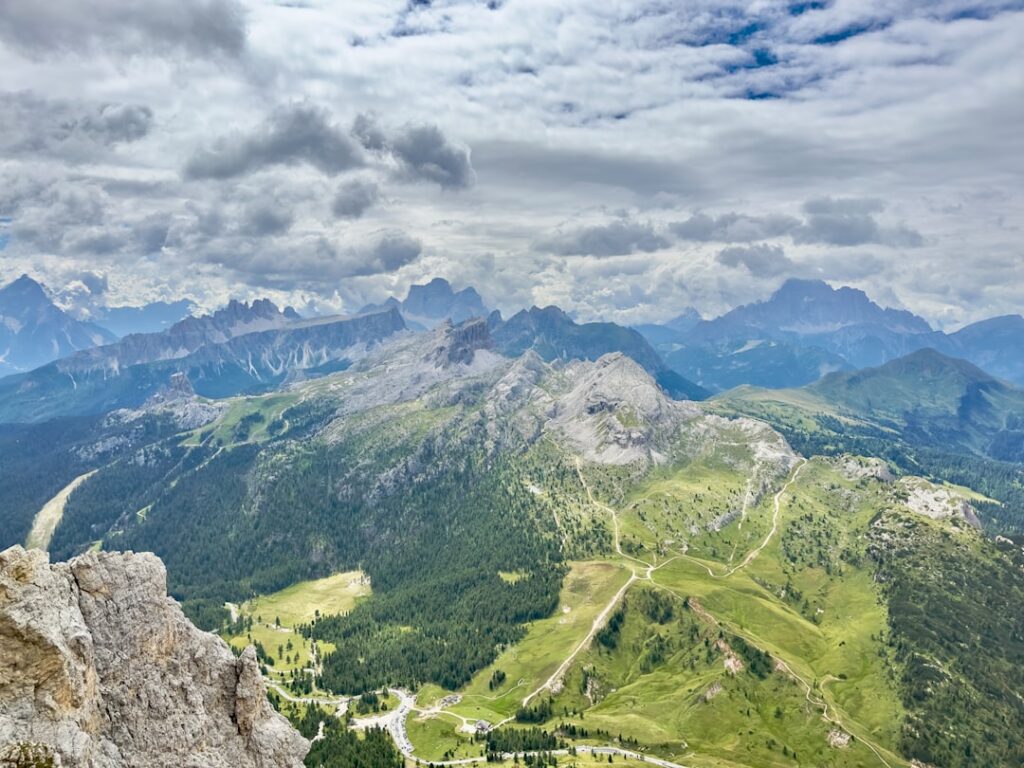
Tre Cime di Lavaredo and Auronzo — The classic must-see
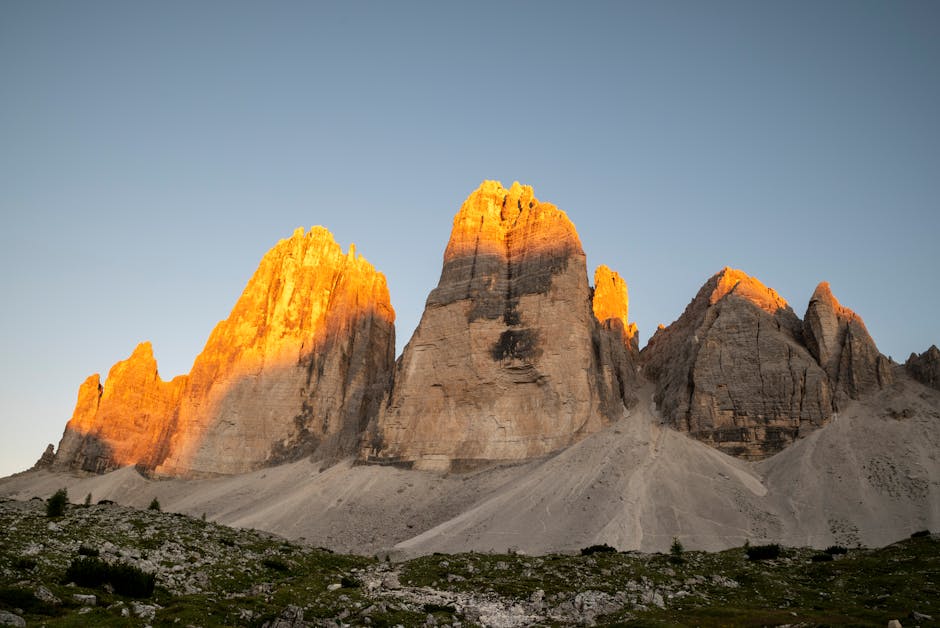
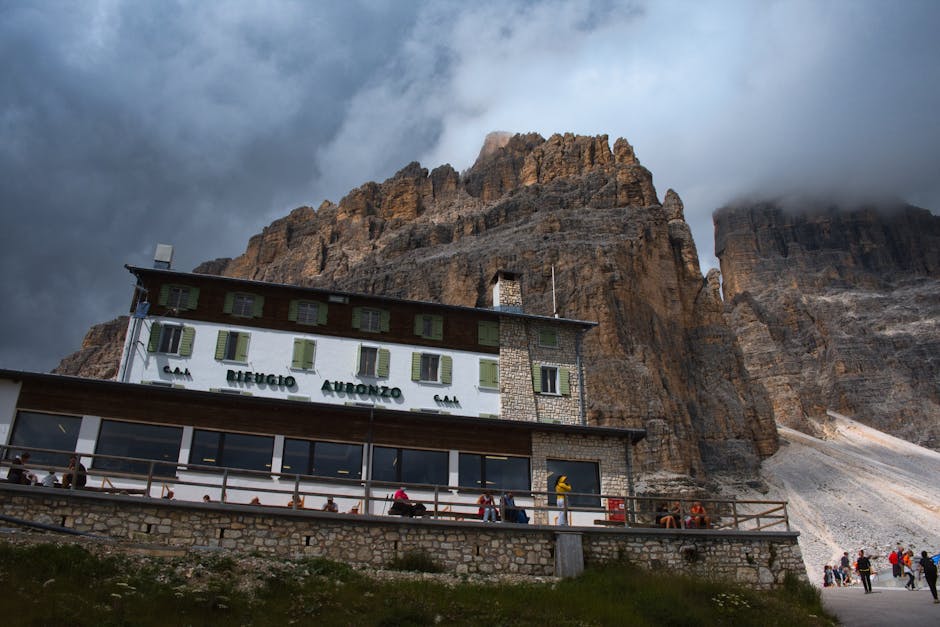
The Tre Cime di Lavaredo site (Tre Cime di Lavaredo, Auronzo di Cadore) is a must for a picnic with the three iconic peaks as your backdrop. The main access via Strada per Rifugio Auronzo (paid entry) leads to a large parking area at the trailhead. Rifugio Auronzo is at the start point and offers takeaway dishes and drinks.
Access and practical tips:
- Access address: Strada per Rifugio Auronzo, 32041 Auronzo di Cadore BL, Italy
- Rifugio Auronzo: Rifugio Auronzo, Strada per Rifugio Auronzo, 32041 Auronzo di Cadore BL
- Road access fee: around €30 per car round trip in high season (2024, Strada al Rifugio Auronzo toll)
- Rifugio hours: often open 08:00–18:00 in high season, closed part of winter
- Atmosphere: very touristic during the day — opt for sunrise or sunset for a more intimate feeling
Click here to book a guided Tre Cime refuges tour
Getting the best local picnic menu — products, huts and simple recipes
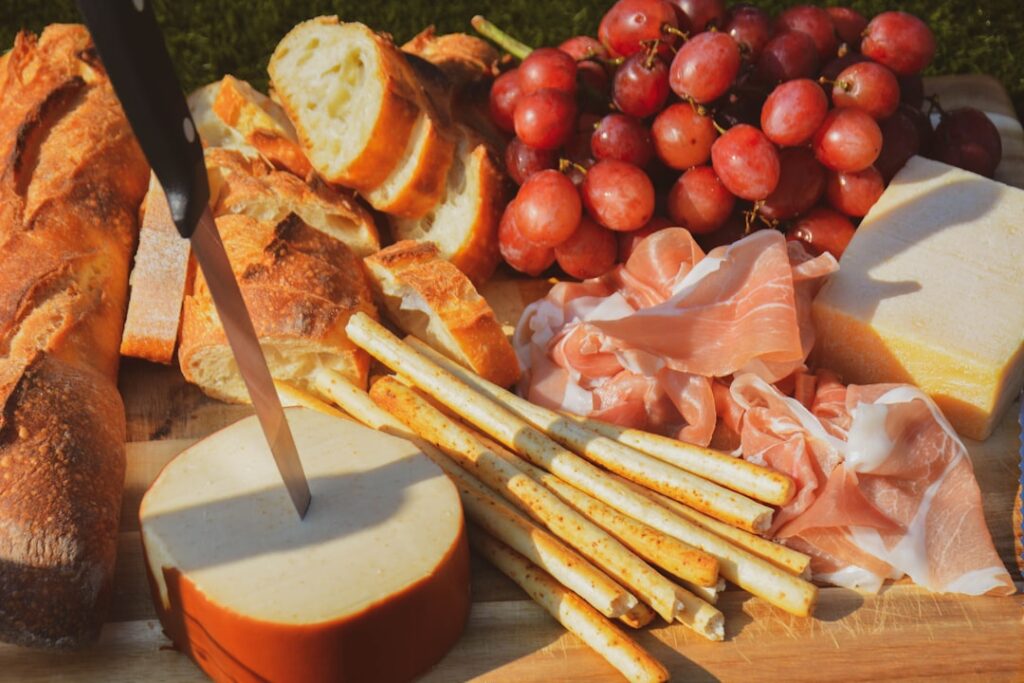
Eating on a Dolomite pass also means tasting high-altitude products that tell the mountain’s story. The network of mountain huts (rifugi) often offers cheese boards, local cured meats (speck, salamella), traditional dishes (canederli, polenta) and rustic breads (schüttelbrot). Here’s how to assemble a practical, local picnic menu that travels well.
Products to favor:
- Alpine cheeses (formaggio di malga): mountain tomme, cut into portions wrapped in wax paper. Indicative price: €8–18/kg depending on quality.
- Speck from Alto Adige: thinly sliced, salted and smoked — easy to transport. Takeaway portion price: €6–10.
- Chilled canederli (bread dumplings): sold at huts or local markets, eaten cold and hold up well. Dish price at a rifugio: €8–12.
- Schüttelbrot local bread: very sturdy and crunchy, great for open-faced sandwiches.
- High-altitude fruit: apples, pears or dried berries — easy to carry.
- Water and hot drinks: thermos of soup or coffee (avoid hot sugary drinks for storage)
Buy at the hut or prepare yourself?
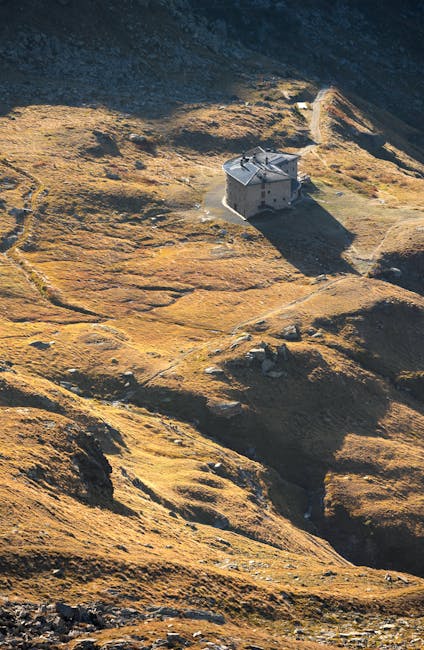
Huts like Rifugio Auronzo (Strada per Rifugio Auronzo, 32041 Auronzo di Cadore BL), Rifugio Lagazuoi (Pian dei Fiacconi, 32043 Cortina d’Ampezzo BL) and Rifugio Pordoi (Passo Pordoi) offer takeaway dishes. Typical rifugio prices: sandwich €6–10, composed plate €12–20, drinks €3–6. If you’re short on time and want to travel light, ordering at the hut the same day is convenient: place your order 30–60 minutes before you head out to guarantee freshness.
Simple takeaway recipe: alpine platter for two
- 200 g formaggio di malga (sliced) — approx. €6–12
- 100 g speck — approx. €4–8
- 1 small schüttelbrot or country loaf — approx. €2–4
- 1 apple or 2 dried apricots — approx. €1–2
- 1 small jar of local honey or jam to pair with the cheese — approx. €3–5
- 1 bottle of water (1.5 L) or a thermos — €1–3
Conservation tips:
- Use a soft cooler bag with cold packs if you prepare food in advance.
- Wrap cheeses and cured meats in wax paper rather than airtight plastic wrap (cheeses breathe better).
- Avoid foods that brown or spoil quickly (mayonnaises, unrefrigerated creams).
Gear, accessibility and logistics — a checklist so you don’t forget anything
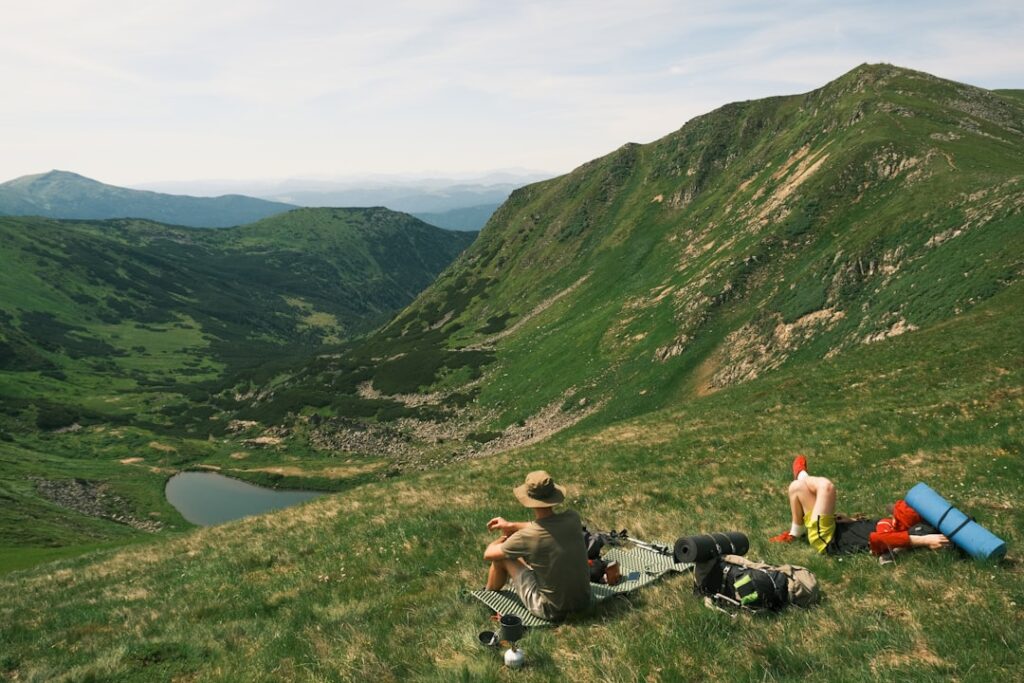
A mountain picnic requires a minimum of gear for comfort and safety. Here’s a complete checklist, with tips to avoid overpacking while staying self-sufficient.
Gear checklist
- Insulating blanket (with waterproof backing) — compact and protects against damp ground.
- Soft cooler bag or insulated tote — keeps food fresh for 2–4 hours.
- Reusable utensils: metal cutlery, lightweight plates, cups — avoid disposables.
- Reusable trash bag: carry out all your waste.
- Thermos for hot drinks: very nice to have at altitude.
- Windproof jacket and beanie: wind quickly changes perceived temperature.
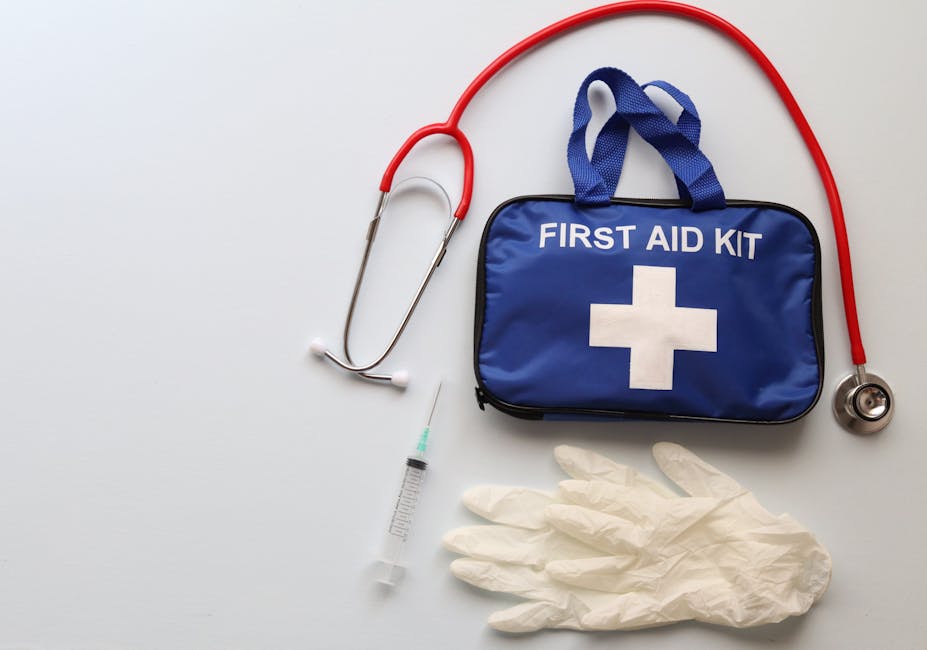
- First aid kit: plasters, disinfectant, compresses, any personal medication.
- Map / GPX track and charged phone: signal can be limited; bring a power bank.
Accessibility:
Many passes are reachable by car, but parking spots are sometimes limited due to traffic restrictions. In winter, passes are often closed between November and April depending on altitude and snow — check road closures and cable car openings. Plan for €5–12 daily parking fees at most tourist car parks (seasonal rates). Cyclists should look for rest areas or small shelters along the road to set up a picnic out of the wind.
Light-travel options:
- If you take a cable car (Sass Pordoi, Lagazuoi), consider ordering a takeaway meal from the hut and skip the bulky cooler.
- For short hikes, choose energy-dense, sturdy foods: hard cheeses, dried fruit, energy bars.
Timetables, access, parking and fees — practical info and addresses
Knowing opening hours and fees is essential to plan your picnic without surprises. Below are practical details for main access points, with addresses and price estimates in euros. Note that prices and hours may change: always check official sites or call local tourist offices the day before.
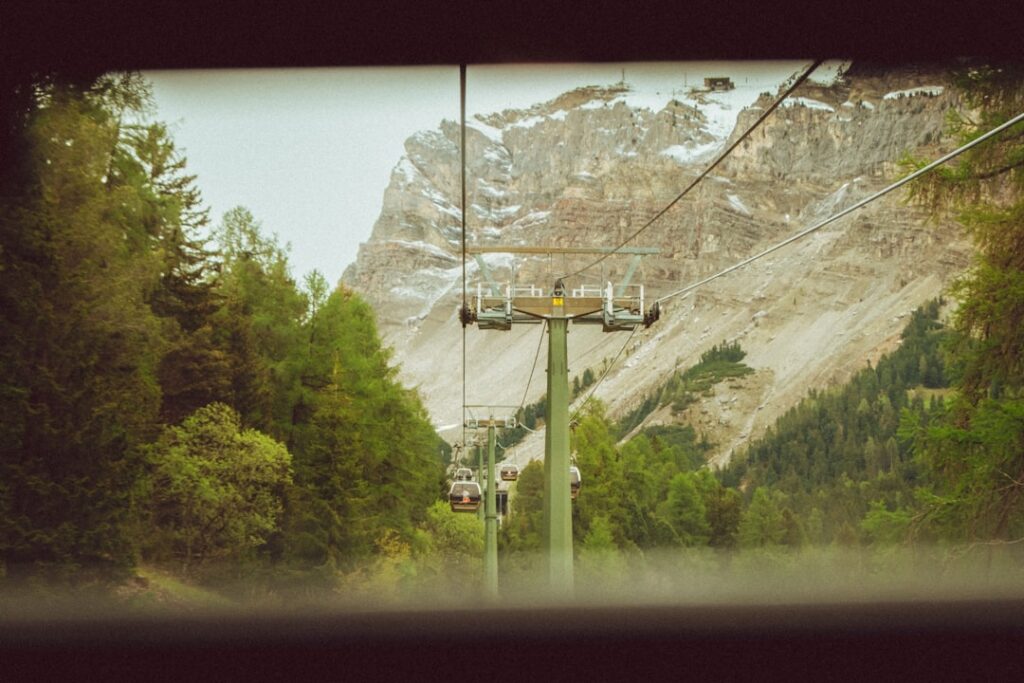
Passo Pordoi — Sass Pordoi cable car
- Cable car address: Funivia Sass Pordoi, Passo Pordoi, 38036 Canazei TN, Italy
- Typical hours: 08:30–16:30 (high season)
- Indicative price: €18–22 round trip / person
- Parking: public parking at the pass — €5–10 / day
Passo Gardena and Passo Sella — parking and services
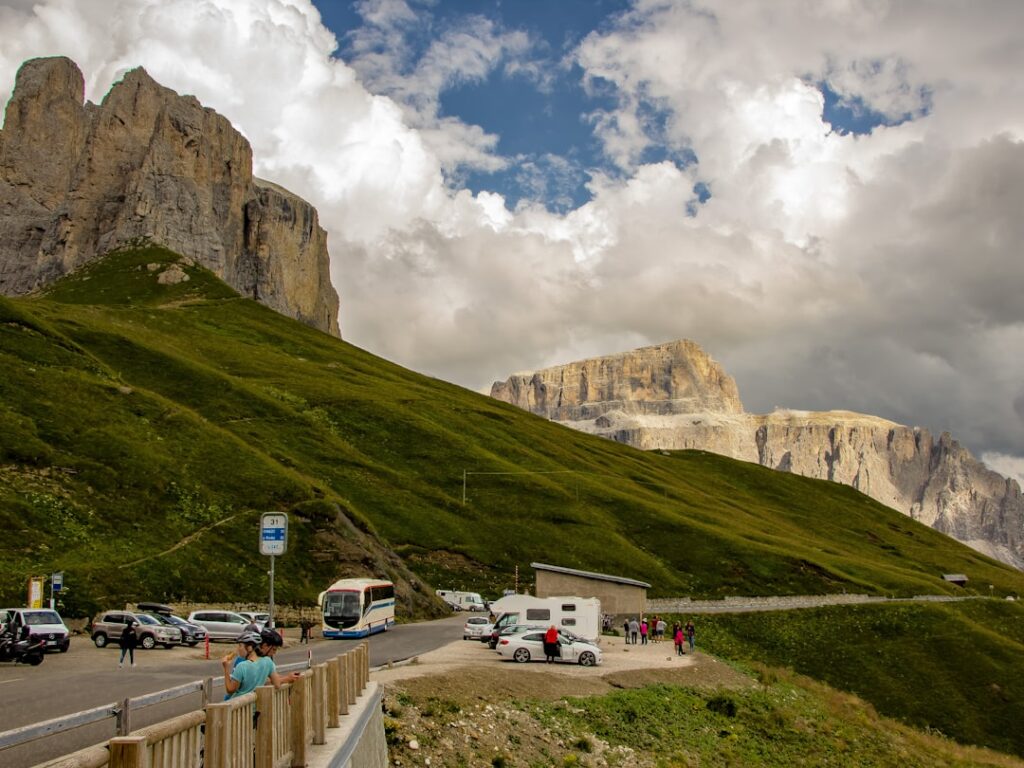
- Passo Gardena address: Passo Gardena, 39047 Selva di Val Gardena BZ, Italy
- Passo Sella address: Passo Sella, 39048 Selva di Val Gardena BZ, Italy
- Road season: roads generally open from late May to November, depending on snow
- Parking price: €5–10 / day depending on season and municipality
Passo Falzarego — Lagazuoi cable car
- Address: Pian dei Fiacconi, 32043 Cortina d’Ampezzo BL, Italy
- Hours: 08:30–16:00 (high season, variable)
- Indicative price: €25–30 round trip / person
- Parking: public parking at the pass — €5–12 / day
Tre Cime di Lavaredo — road access and Rifugio Auronzo
- Road access: Strada per Rifugio Auronzo, 32041 Auronzo di Cadore BL, Italy
- Rifugio Auronzo address: Rifugio Auronzo, Strada per Rifugio Auronzo, 32041 Auronzo di Cadore BL
- Road access fee: ~€30 per car round trip (seasonal fee in 2024)
- Rifugio hours: often 08:00–18:00 in high season
Tips to avoid the crowds:
- Arrive at sunrise or late afternoon to avoid the 11:00–15:00 peak, which is very busy at iconic sites.
- For more peace, favor weekdays outside school holidays (July–August and spring breaks).
- Book or pre-order if you want a takeaway dish from a rifugio on busy weekends.
Safety, weather and respecting the environment (Leave No Trace)
In the mountains, safety and protecting the natural environment come first. The Dolomites can see dramatic weather swings even in summer: a clear morning can turn into a violent thunderstorm in the afternoon. Here’s how to anticipate and act responsibly so your picnic stays safe and sustainable.
Weather and forecasts:
- Always check local forecasts (Meteo Dolomiti and regional weather services) the day before and the morning of your outing.
- Identify a possible shelter before you set up: an open hut, a rock overhang, or a low wall to block the wind.
- If a storm approaches (dark clouds, sudden rise in wind, distant thunder), pack up and descend immediately: staying exposed on a pass is dangerous.
Food safety:
- Keep perishables in a cooler if you plan to stay more than two hours.
- Don’t leave food out: local wildlife (marmots, crows) will approach and it can alter their natural behavior.
- Bring all your trash with you; don’t bury or discard it in nature.
Respecting the environment (Leave No Trace):
- Bring a small bag for trash and another for recyclable packaging.
- Favor reusable containers to cut down on waste.
- Do not pick protected flowers or disturb wildlife or grazing areas.
- Stick to marked trails: parking and trampling off-path damages fragile alpine vegetation.
Emergency actions:
- If someone shows signs of hypothermia (intense shivering, fatigue, confusion), wrap them in a blanket, provide warmth and call emergency services if needed.
- Emergency number in Italy: 112 (European single emergency number).
- Locate huts and descent routes before you start your picnic to save time if conditions change quickly.
Local tips and recommended spots to enhance the experience
To turn your picnic into a great Dolomite weekend, here are local shops, moments and tips favored by residents and regular visitors.
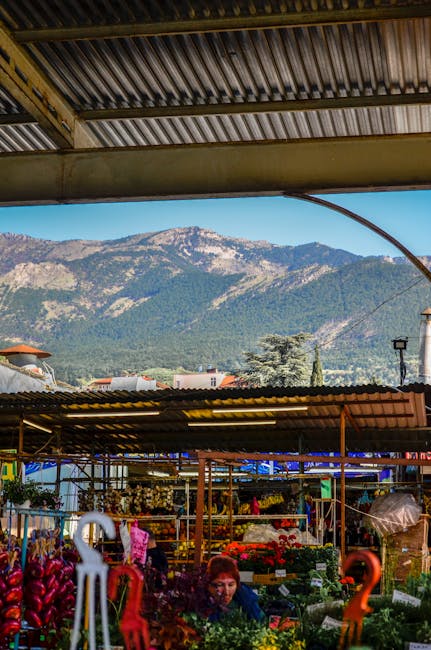
- Local markets and delis: in Cortina d’Ampezzo (Via Cesare Battisti 11, 32043 Cortina d’Ampezzo BL) or Canazei (Via Marconi 1, 38032 Canazei TN) you’ll find takeaway specialties: mountain cheeses, speck, artisanal jams. Prices: €3–15 depending on the product.
- Recommended rifugi: Rifugio Auronzo (Strada per Rifugio Auronzo, 32041 Auronzo di Cadore BL) for Tre Cime, Rifugio Lagazuoi (Pian dei Fiacconi, 32043 Cortina d’Ampezzo BL) for a historical stop, and Rifugio Pordoi at Passo Pordoi for panoramic views. Expect hot dishes from €12–25 at rifugi.
- Culinary experience: try a cheese canederli followed by an apple strudel at a rifugio for a true alpine touch.
Click here to book a Dolomites vineyards and wine-tasting tour
Recommended moments:
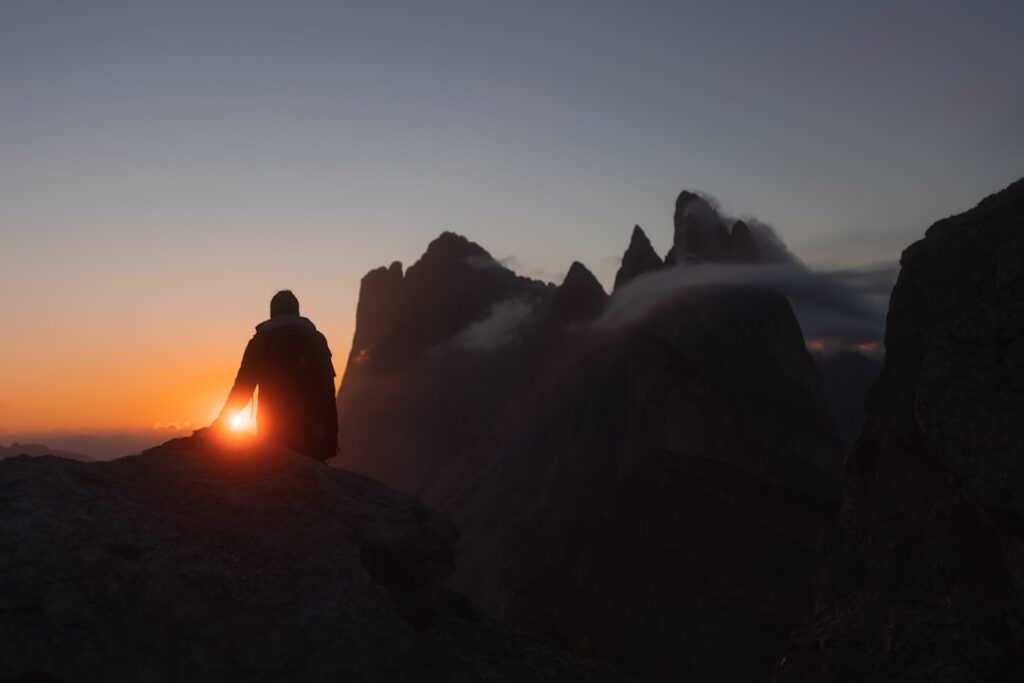
- Sunrise: low-angle light, few people — ideal for Tre Cime or Sass Pordoi.
- Gentle afternoon: for grassy passes like Passo Gardena where the ground stores warmth.
- Avoid high noon in summer: lots of tour buses and families arrive between 11:00 and 15:00.
In short, planning a picnic on the Dolomite passes is a delicate mix of logistics, environmental respect and openness to simple pleasures: a cheese, a view and mountain silence. With these tips you can go confidently, ready to savor a timeless moment.
Conclusion — Make your picnic a lasting memory
Planning a picnic on the Dolomite passes takes a bit of attention, but the payoff is worth it: unique panoramas, tasty local products and unforgettable shared moments. By choosing the right pass — Passo Pordoi for views of the Marmolada, Passo Gardena for meadows, Passo Sella for sculpted silhouettes, Passo Falzarego for history, or Tre Cime di Lavaredo for the dramatic spires — you match the mood of your meal to the experience you want. Mountain huts (Rifugio Auronzo, Rifugio Lagazuoi, Rifugio Pordoi) are great allies: they offer takeaway dishes, hot drinks and often last-minute advice on weather or routes.
On the practical side, keep perishables in a soft cooler, bring reusable utensils, pack an insulating blanket and check cable car and parking hours and prices. Remember that the quoted prices (cable car tickets, tolls or rifugio meals) are 2024 estimates and may change — it’s best to consult official sites or the local tourist office the day before. For safety, weather can change fast: identify shelters, watch for approaching storms and don’t hesitate to pack up if conditions worsen.
Finally, leave the place better than you found it: take all your waste home, avoid disposable packaging, respect flora and fauna and share these good practices with your companions. A well-planned picnic becomes not only a personal pleasure but also a contribution to preserving these incredible landscapes for future generations. Prepare your basket, time your arrival for the best light and let the Dolomites’ grand silence carry you away — you’ll leave rested, fed and richer for an authentic alpine experience.