





Introduction — Choosing between Alta Via 1 and Alta Via 2: why this comparison matters
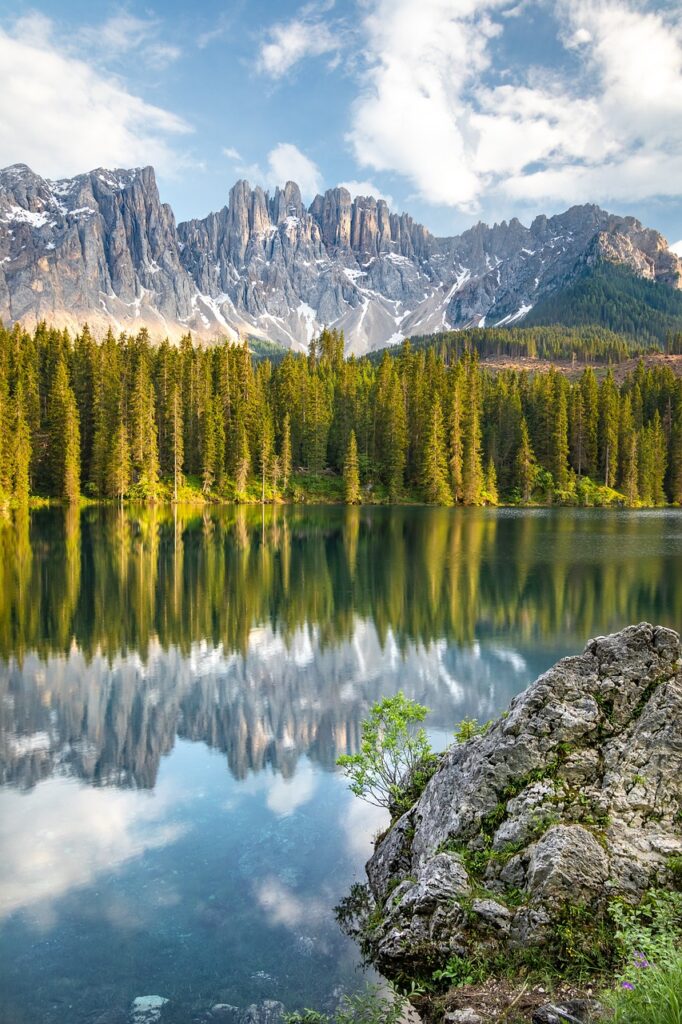
The Italian Dolomites host two of Europe’s most iconic long-distance hikes: Alta Via 1 (AV1) and Alta Via 2 (AV2). Both routes cross karst landscapes, jagged limestone spires, deep alpine valleys, flower-filled pastures and historic mountain huts (rifugi) serving local fare. Picking one over the other isn’t just about which is « prettier »: it’s about matching the route to your fitness, logistics, season, preferred accommodation style and appetite for airy ridgelines or historical World War I terrain.
AV1 is often called the “classic route”: accessible, well-signed, with relatively short stages between huts and a gentler profile. AV2, nicknamed the “high route” or the tougher option, is more alpine, higher and more committing — expect exposed stretches, higher passes and rockier sections that require confidence on alpine terrain. Understanding these differences is crucial: misjudge your level, and an apparently manageable independent trek can quickly become uncomfortable or even dangerous.
In this detailed comparison I’ll cover each route’s general profile, typical stages, standout refuges (with addresses and practical info), access and exit options, average daily costs, best seasons and local tips to make your trip smoother. You’ll also find concrete gear recommendations, how to book huts (key contacts and opening hours), and alternatives if you want to mix portions of both routes on specific days.
Whether you’re a lone trekker who prefers wild camping, a couple after comfortable nightly stops, or an organized group relying on transfers, this guide will help you plan a safe, enjoyable crossing. I’ll highlight the most scenic — and challenging — sections so you can anticipate what to expect. Finally, I’ll share local tips (restaurants, tourist offices, shuttles, cable car timetables) to optimize your time and budget, plus difficulty ratings for each variant (physical, technical, exposure).
Alta Via 1 — features, stages, huts, logistics and practical tips
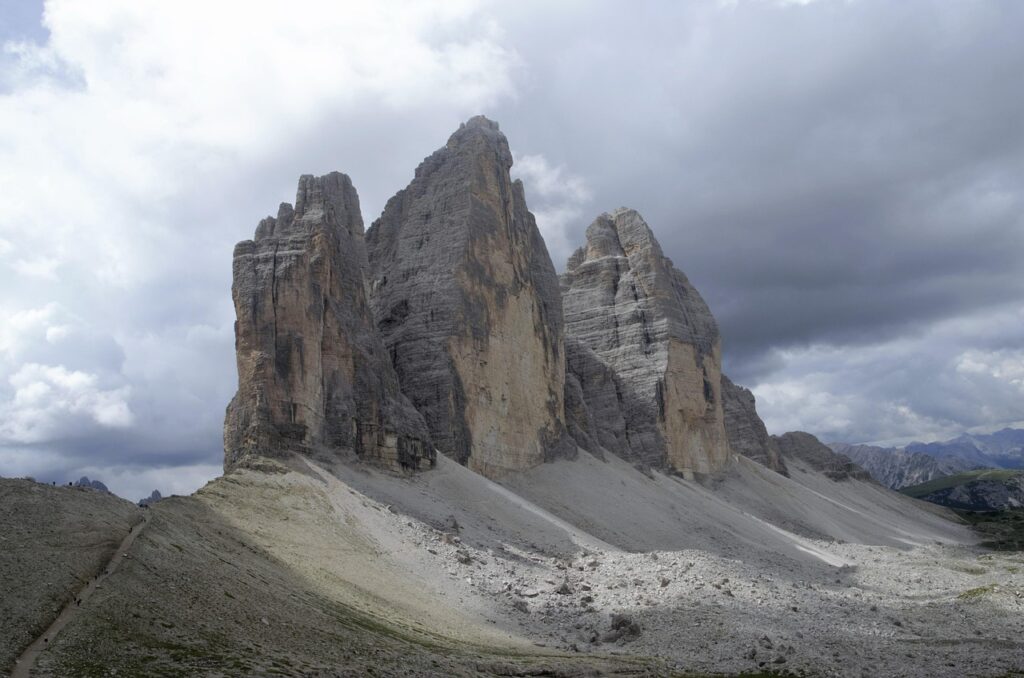
Alta Via 1 (AV1) covers roughly 120–140 km depending on variations, typically done in 8–12 days. It runs from Dobbiaco/Toblach down toward the southern Belluno area, crossing highlights like the Tre Cime di Lavaredo, Rifugio Auronzo and the Cadore valley. The route is less exposed than AV2: you’ll alternate sustained climbs with long pasture traverses, and most classic variants top out around 2,500–2,700 m.
Typical stages (examples):
- Day 1: Dobbiaco (Toblach) — Rifugio Biella (or an alternative), night in a rifugio. Tourist office: Ufficio Turistico Dobbiaco, Via Monte Piano 2, 39034 Dobbiaco (TOBLACH), hours 09:00–17:30 (seasonal), phone +39 0474 972053.
- Day 3: Passo Tre Croci toward the Tre Cime di Lavaredo — Rifugio Auronzo. Rifugio Auronzo, Via Auronzo 3, 32041 Misurina (Auronzo di Cadore), hut hours often 07:00–22:00, dorm bed €45–€60 per person/night, half-board €55–€75 (indicative prices, high season).
- Day 6: Cortina d’Ampezzo — route toward Rifugio Fanes or other alpine stages. Tourist office: Cortina Informazioni, Corso Italia 9, 32043 Cortina d’Ampezzo, hours 08:30–18:00.
Key huts and practical addresses:
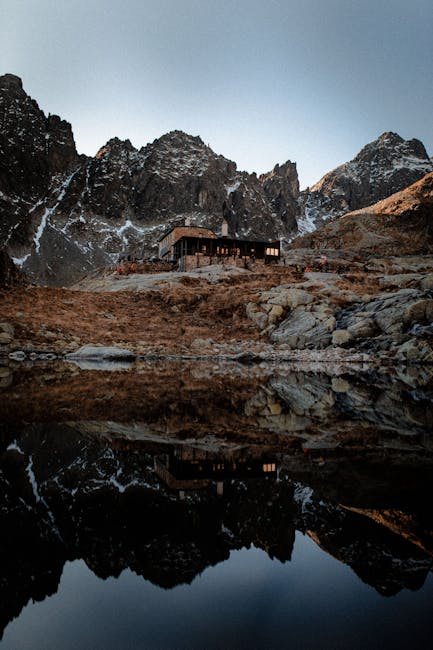
- Rifugio Auronzo — Via Auronzo 3, 32041 Misurina (Auronzo di Cadore). Tel. +39 0435 90144. Road access from Misurina (seasonal toll for cars), paid parking. Opening times vary by season, generally open from late May to October.
- Rifugio Lagazuoi — 39030 Passo Falzarego (Cortina d’Ampezzo). Address: Passo Falzarego, località Lagazuoi. Tel. +39 0436 867073. Funivia Lagazuoi cable car often runs 08:30–17:00 in season; approximate fare €28 round trip (check seasonal rates).
- Rifugio Fanes — Località Fanes, 39030 San Vigilio di Marebbe. Tel. +39 0474 501162. Half-board €50–€80 depending on room type and season.
Logistics and approximate costs:
- Daily budget (hut + meals + drinks): expect €50–€100 per person/day for half-board depending on comfort level and season.
- Transport: main stations — Dobbiaco/Toblach (rail), Calalzo di Cadore and Cortina d’Ampezzo (buses from the nearest train station). Local shuttles in high season: €5–€15 per trip.
- Bookings: strongly recommended for huts in July–August. Hut phone numbers and emails are available on official sites; payment is accepted on site in cash or card depending on the hut.
Local tips:
- Start early to avoid heat and to enjoy the morning light on the rock faces.
- Bring a topographic map (Tabacco 1:25,000 Dolomites series) and an offline GPS app. Trails are generally well marked but can be confused with secondary tracks.
- Pack rain and wind protection, light crampons if you’re hiking early or late in the season, and a safety kit (space blanket, whistle, basic first-aid kit).
 Click here to book a Tre Cime di Lavaredo tour
Alta Via 2 — features, stages, huts, logistics and practical tips
Alta Via 2 (AV2) is longer and more alpine than AV1: about 150–180 km depending on variations, usually done in 10–15 days. AV2 links Brixen/Bressanone southwards toward the Marmolada and Cortina areas (or the reverse depending on your start). Its hallmark is a higher, more exposed profile with ridgeline routes, airy trails and passes that require sure-footedness and sometimes the use of fixed cables (not technical but exposed). This is the route for those chasing vertiginous panoramas and more alpine days.
Typical stages (examples):
- Day 1: Bressanone (Brixen) — start toward the Plose / Brixner Höhenweg, night in a mountain hut. Tourist office Bressanone: Piazza Duomo 25, 39042 Bressanone, hours 09:00–18:00, tel. +39 0472 837000.
- Day 5: Sections around the Marmolada (the highest mountain in the Dolomites, Punta Penia 3343 m). Access to the Marmolada Natural Park via Malga Ciapela. Funivia Marmolada (Forcella Marmolada cable car) address: Piazzale Funivia, 32020 Malga Ciapela (Rocca Pietore). Typical summer hours 08:30–17:00, approximate fare €30 round trip to the glacier (check seasonal rates).
- Day 9: Final stretch toward Cortina d’Ampezzo, descend and either overnight in town or at a nearby hut depending on your plan.
Notable huts and practical info:
- Rifugio Pian di Cengia (Rifugio Dibona) — Località Forcella Pian di Cengia, 32044 Cortina d’Ampezzo. Tel. +39 0436 86279. Dormitory €35–€60, half-board €60–€90 depending on season.
- Rifugio Lagazuoi (see AV1 for address) — often used as a base for airy sections and views over Val Badia.
- Rifugio Marmolada (Rifugio G. Volpi alla Marmolada) near Malga Ciapela, address: Malga Ciapela, 32020 Rocca Pietore, tel. +39 0437 980042. Hours and prices vary; it is often very busy.
Logistics and budget:
- Average daily budget: €60–€110 per person/day if you take half-board in better-equipped huts and use cable cars occasionally.
- Gear: helmet (recommended if crossing scree), sturdy mountain boots, trekking poles, harness and lanyard if you plan via ferrata variants (some sections have cables). Check AV2 route notes to avoid accidentally committing to a via ferrata without the right equipment.
- Access and returns: stations at Bressanone, Brunico (Bruneck) and Calalzo; regular shuttles in season. Plan transport for the opposite end if you leave a car at your finishing point.
Local tips:
- With fast-changing weather (afternoon thunderstorms are common), plan shorter stages or keep refuge options in reserve.
- If you’re pressed for time, combine AV1 and AV2 sections using road transfers between key huts (for example, descend from Lagazuoi to Passo Falzarego then catch a bus).
- Check local tourist offices (Cortina d’Ampezzo, Bressanone, Brunico) for trail conditions and temporary hut closures. Summer hours for offices are generally 08:30–18:00; many open earlier, while off-season schedules are reduced.
Click here to book a guided Lagazuoi hike at 2,800 m
Click here to book a tandem paragliding flight at Plose

Conclusion — which route to pick and how to best prepare your crossing
Choosing between Alta Via 1 and Alta Via 2 comes down to matching your trekking goals with practical limits. If you want a classic, relatively accessible experience with comfortable stages, varied scenery and fewer technical exposures, AV1 is the usual recommendation: it offers an easy introduction to the Dolomites, well-situated huts (Rifugio Auronzo, Rifugio Fanes, etc.) and simpler transport logistics between towns like Cortina d’Ampezzo, Dobbiaco and Calalzo. Average budget: €50–€100/day including half-board and local transport. Don’t forget to call huts to reserve — in high season some close bookings once full.
If you’re after a more intense alpine challenge, airy ridgelines and higher viewpoints, and you’re comfortable on exposed terrain, AV2 will satisfy you. Expect longer days and some technical stretches; bring serious boots, navigational skills and be prepared for basic hut comfort at times. Budget-wise, AV2 can be slightly more expensive if you use cable cars (Marmolada, Lagazuoi) or stay in better-equipped huts. AV2 also requires more planning (gear, weather checks, travel/trekking insurance).
For undecided travelers: a smart approach is to mix sections of both routes or plan a hybrid crossing — for example, follow AV1 to Lagazuoi then switch for a few AV2 stages toward the Marmolada, using huts and cable cars to shorten transfers. Another practical tip: download hut timetables and addresses before you go (e.g. Rifugio Auronzo, Via Auronzo 3, 32041 Misurina; Rifugio Lagazuoi, Passo Falzarego, 39030 Cortina d’Ampezzo) and call to confirm. Leave some buffer in your schedule for weather and unexpected delays.
Finally, respect the environment: the Dolomites are a UNESCO site, with fragile trails and valuable pastures. Minimize waste, respect hut meal and arrival times, and keep euros handy for seasonal cable car or parking fees. With proper preparation — gear, reservations, Tabacco maps and local intel — you’ll enjoy either route to the fullest. Whether you pick AV1 or AV2, the Dolomites will reward you with unforgettable panoramas, warm mountain hospitality and a mountain experience that’s at once gentle and majestic.
Click here to book an airport transfer from Venice to Cortina
