





Introduction
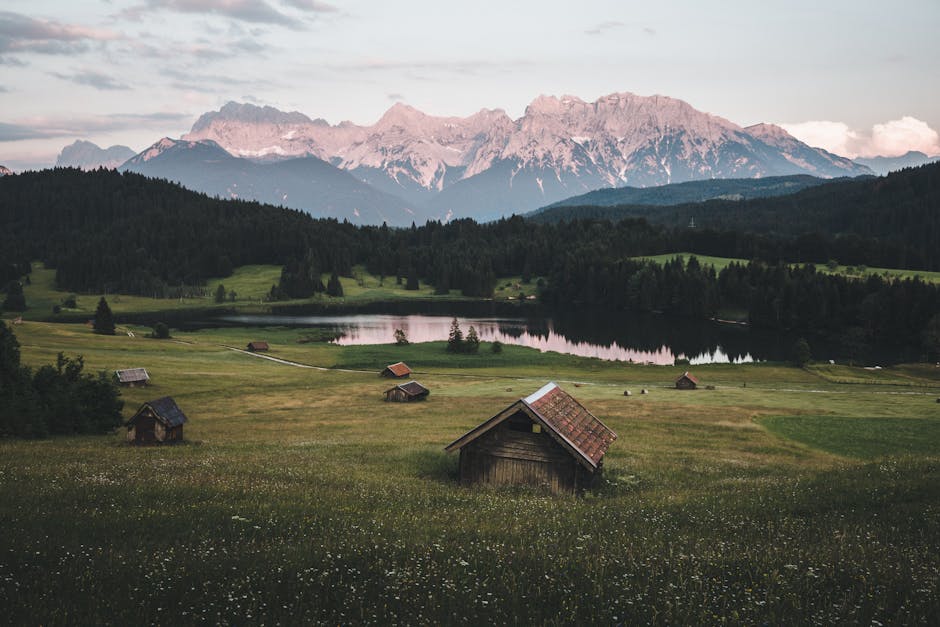
The Dolomites, a UNESCO World Heritage site, are a playground like no other for landscape photographers and lovers of alpine meadows. From jagged limestone spires and flower-strewn pastures to authentic mountain huts and impossibly clear lakes, this photo tour—designed to capture the region’s meadows and iconic peaks—walks you step by step through the most photogenic spots while giving you the practical details you need: exact addresses, opening times, prices and local tips. Whether you’re making a weekend escape from Venice or a longer photo expedition from Innsbruck, each stop is chosen to deliver varied panoramas—from rosy dawns on ridgelines to morning mist clinging to the pastures.
Mountain photography requires as much technical preparation as a sensitivity to light and terrain. In summer the meadows are dotted with edelweiss, arnica and gentians; in autumn the palette shifts to ochres and reds that highlight the rock silhouettes. The Dolomites don’t offer static images: the weather moves the scene, and every clearing or cloud bank can turn a vista into something unique. This route focuses on the best positions to catch light—sunrise and sunset, blue hour and morning mist—but also suggests alternatives (cable cars, mountain huts, lakes) so you can still shoot when conditions aren’t perfect.
Beyond the photos, the itinerary includes practical info: exact addresses (handy for your GPS), prices in euros for parking, boat rentals, lifts and huts, as well as seasonal opening hours. You’ll also find local tips—where to eat, when to avoid the crowds, drone rules (sensitive areas and permits) and recommended gear—so your outing is both safe and productive. Highlights include Tre Cime di Lavaredo, Lago di Braies (Pragser Wildsee), Alpe di Siusi (Seiser Alm), Passo Giau and the surroundings of Cortina d’Ampezzo. Each spot is described precisely so you know exactly where to point your lens and how to capture the soul of the Dolomites.
Be prepared for winding mountain driving, short but sometimes steep hikes to viewpoints, and the chance of encountering flocks and shepherds on the pastures. The tour is flexible: suitable for a photographer chasing famous icons as well as for someone seeking intimate alpine scenes—smoking huts, cowbells and dry-stone walls. Follow this guide to optimize your shots and fully soak up the unique atmosphere of the Dolomites.
Tre Cime di Lavaredo and Rifugio Auronzo: the vertical icon
The Tre Cime di Lavaredo (Three Peaks of Lavaredo) are among the most photographed landscapes in the Dolomites. To capture them from the best angles, start very early at Rifugio Auronzo, then walk to the viewpoints along the circular trail that wraps around the three faces. Rifugio Auronzo is located at: Strada Riva di Mezzo, 1, 32041 Auronzo di Cadore BL, Italy. The hut is the classic starting point for the loop.

Practical details: the access road—closed to the public at night—opens in the morning (times vary by season) and a mountain toll applies. In high season (May to October), parking near Rifugio Auronzo costs roughly €30 per day. The hut itself usually operates from mid-June to late September (hours: 06:30–20:00); outside that period check ahead as some services close.
The climb from the hut to the viewpoints takes 20–60 minutes depending on your pace and the crowds. For sunrise shots, park at Rifugio Auronzo and bring a headlamp for the trail. The path offers great foregrounds: scree, rock walls and small pools that reflect the morning spires. Best times are the morning golden hour and, for dramatic contrast, the evening blue hour when faint light grazes the north faces.
Photo tips: use a wide-angle to include an interesting foreground (mosses, streams, old wooden posts). For tight shots of the spires, a 70–200mm telephoto will isolate the towers and compress perspective. Watch the wind—it can shake a tripod; pick a sturdy model and, if possible, add weight to the center.
Local rules and safety: the area around the Tre Cime is protected. Drones are prohibited in the park without special permission (often denied to protect wildlife and hikers’ privacy). Stay on marked trails to avoid erosion and potential fines. Always carry a warm jacket: even in summer temperatures can plunge suddenly at dawn.
 Click here to book a guided hut tour of the Tre Cime
Lago di Braies (Pragser Wildsee): the alpine mirror
Lago di Braies, known in German as Pragser Wildsee, is the Dolomites’ signature lake, famed for its emerald waters and photogenic shoreline path. Address: Lago di Braies, Strada del Lago, 39030 Braies (Prags), Province of Bolzano, Italy. It’s very busy—especially at sunrise—but its beauty makes the early wake-up worth it.

Hours and prices: access to the lake is generally open 24/7 except for temporary restrictions in peak season. The main public parking (P1) is a few minutes’ walk from the lake and charges roughly €15–€30 per day depending on the season (summer rates are higher). Wooden boat rentals are offered locally; prices are around €20–€35 for 20–30 minutes (check on site for exact rates and rental hours: 09:00–18:00 in high season). Given the popularity, book a boat in advance if possible.
Click here to book a day excursion to Lake Braies
From a photographer’s perspective, dawn is the best time: the water is often mirror-flat, doubling the rocky walls. Pick a spot on the east shore for symmetrical reflections, or climb the west-side hill for a slightly elevated vantage. Morning colors and low mist create a fairytale atmosphere. For detail shots, use a polarizer to cut unwanted glare or an ND filter for long exposures to smooth the water.
Practical tips: arrive before sunrise (often before 05:30 in summer) to find parking. The paths around the lake are flat and manageable with light gear—comfortable walking shoes recommended. Cafés and small shops nearby usually open around 08:00–09:00; check off-season times. Respect the ban on swimming and motor boats—the rules protect water quality and a fragile ecosystem.
Alpe di Siusi (Seiser Alm) and the Sassolungo: rolling meadows and gentle lines
Alpe di Siusi (Seiser Alm in German) is Europe’s largest high-altitude meadow, a plateau of pines and blooming pastures that delivers long, gentle perspectives perfect for panoramic photography. Main access point: Funivia Siusi allo Sciliar, Via Compaccio 5, 39040 Siusi allo Sciliar (Seis am Schlern) BZ, Italy. From the lower station you can take the cable car up to Compatsch on the Seiser Alm plateau.
Hours and prices: the Funivia Siusi allo Sciliar cable car generally runs from 08:00 to 18:00 in high season (June–September). A round-trip ticket costs roughly €18–€25 depending on dates and discounts (child and senior fares available). Many hiking and mountain-biking trails start from the plateau; some restaurants and huts open from about 09:00 for breakfast.
Photographically, Alpe di Siusi shines at dawn and late afternoon when low light skims across the meadow undulations. Successful compositions combine a detailed foreground (wildflowers, stones, wooden fences) with the distant ridge of Sassolungo (Sassolungo/Langkofel) or the Sella massif. To capture deep perspective, favor a 24–70mm for wide panoramas and a 70–200mm to isolate rock features or pockets of light on the slopes.
Local tips: the pastures host grazing cows and mountain huts (malga) serving local products (cheese, speck). Malga Schgaguler Schwaige (Compatsch/Compaccio) offers Tyrolean specialties; expect menu prices around €12–€20. Respect fences and avoid disturbing livestock. Trails are well maintained; in changing weather the huts provide quick shelter. Drone usage is restricted in parts of the nature park—check with local tourist offices (Ufficio Turistico Siusi allo Sciliar, Via K. Don 9, 39040 Siusi allo Sciliar, hours 09:00–17:00, closed Sundays in low season).
Click here to book a photo session on the Alpe di Siusi
Passo Giau, Cortina d’Ampezzo and ridge roads: dynamic compositions
High mountain roads like Passo Giau offer sweeping curves, airy passes and spectacular views of the surrounding peaks. Passo Giau is reached via Strada Provinciale 638, 32041 Colle Santa Lucia (BL), Italy. Just below the pass are viewpoints perfect for road and backlit shots, especially at sunset.
Cortina d’Ampezzo, the queen of the Dolomites, is an ideal base for organizing your morning shoots or returning after a long day. Main town address: Comune di Cortina d’Ampezzo, Corso Italia 60, 32043 Cortina d’Ampezzo (BL), Italy. Museums, shops and restaurants cluster around Corso Italia.
Hours and costs: parking at mountain passes is often free or subject to a small seasonal fee (€5–€15 depending on the spot). Local buses and shuttles to Cortina run varied schedules; in high season they operate early mornings and late evenings (first departures often around 06:30). Lifts serving Cortina’s ridges (e.g. Faloria, Tofane) typically run roughly 08:30–16:30 with day tickets between €20–€35.
For photography, favor the golden hours on ridge roads: raking light emphasizes rock texture and casts dramatic shadows along hairpin bends. Compositions with a moving car in a long exposure (motion blur) add a narrative element—try slow shutter speeds (e.g. 1/15–1/60 s) and an ND filter if needed. For winter scenes, Cortina offers alpine façades and townscapes framed by mountains; local markets and cafés on Corso Italia are photogenic at dusk.
Safety tips: some mountain roads are narrow and exposed; only park in designated areas and wear high-visibility clothing if you’re working near the carriageway. In winter check snow conditions and consider traction equipment. Huts and restaurants at the passes serve hot meals (soup, canederli) for €10–€18, handy for refueling on a long day.
Click here to book a guided loop at Passo Giau
Conclusion
This photo tour across the Dolomites’ meadows and iconic peaks pairs landmark locations—Tre Cime di Lavaredo, Lago di Braies, Alpe di Siusi, Passo Giau, Cortina d’Ampezzo—with practical information to turn your photographic plans into memorable images. Using the exact addresses provided will speed up your scouting and make travel between sites easier; knowing the indicative costs (parking, boats, cable cars) helps avoid budget surprises and simplifies day planning.
To get the best results, prepare thoroughly: offline maps, spare batteries, extra memory cards, a sturdy tripod, filters (ND and polarizer) and a small first-aid kit. Be flexible with the weather—the unexpected often yields the strongest images: a low cloud on a peak or a sun ray cutting through a pasture can create unique atmospheres. Respect local rules: protected zones, drone restrictions, livestock etiquette and trail preservation. Lastly, favor local accommodation—huts, B&Bs and hotels in Cortina—to fully experience alpine life and support the mountain economy.
Whether you’re after grand landscapes or intimate meadow scenes, the Dolomites will reward you with an endless palette of patterns, colors and moods. Pack your gear, head out early, listen to the mountains and let the light lead you: each summit and each meadow has a different story waiting to be captured by your lens.