





Introduction: Wellness Getaways in the Mountain Villages of the Dolomites
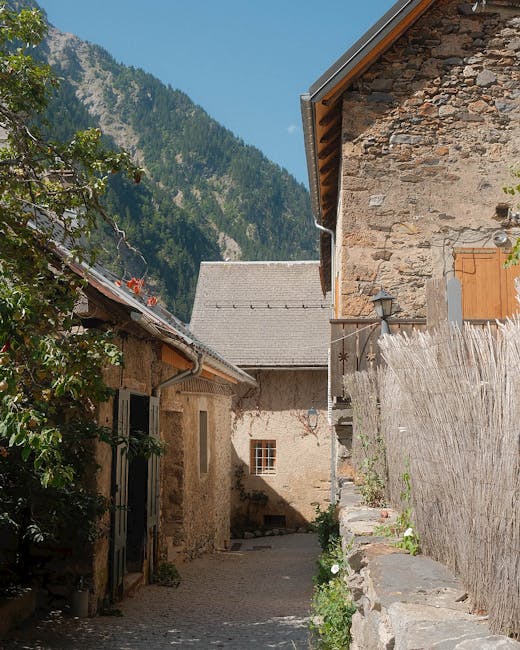
The Dolomites, a UNESCO World Heritage site, form one of Europe’s most striking mountain landscapes: jagged limestone spires, high alpine meadows, larch forests and deep valleys. Away from the big, busy resorts, mountain villages—Ortisei (Urtijëi), Selva di Val Gardena (Wolkenstein in Gröden), Cortina d’Ampezzo, San Cassiano, Arabba, Corvara in Badia—provide an ideal backdrop for wellness breaks that blend body treatments, alpine calm and authentic local culture. Here, wellness goes beyond a single massage: it includes quiet dawn walks, warmed thermal baths, organic meals made with regional ingredients, and nights spent in beds designed to help you recover after a day of fresh air.
These getaways focus on three complementary pillars: physical relaxation (spas, thermal baths, massages), mental reconnection (gentle hikes, high-altitude meditation, forest bathing) and nutritional revitalization (local produce, tailored menus, alpine cheeses and honeys). Dolomite villages combine solid infrastructure—modern wellness centers, 4–5 star spa hotels—with a strong intangible heritage: Ladin and Italian languages, mountain traditions, local markets, and family-style hospitality that turns every treatment into a personalized experience.
Planning a wellness stay in the Dolomite villages takes a bit of organisation: choose the right season (spring for alpine blooms, summer for hiking and warm days, autumn for colours, winter for snowy panoramas but expect cold), identify the services you want (thermal spa, thalassotherapy, alternative medicine, yoga), and pick your base village to limit travel times. Popular hubs like Cortina d’Ampezzo and Ortisei give easy access to hotel spas and marked walking circuits, while smaller hamlets like San Cassiano or La Villa promise restorative seclusion and wide-open views.
In this article we’ll explore several Dolomite villages and their wellness offerings, with specific addresses, indicative opening hours, price pointers, immersive descriptions of the places and practical local tips so your stay is both restorative and well organised. Whether you’re after a half-day of relaxation after a hike, a multi-day reset focused on sleep and nutrition, or simply a detox weekend in a family-run inn, the Dolomite villages offer a range of options to suit those needs. We’ll also cover logistics: how to get around, where to eat healthy, which side excursions to prioritise and how to adapt your plan by season.
Ortisei (Urtijëi): High-altitude Spas, Sunrise Walks and Ladin Traditions
Ortisei, in Val Gardena, is a lively village known for woodcarving and its views of the Seceda ridge and the Sassolungo. It’s a great base for a wellness break thanks to its spa hotels and easy trails suited to meditative walks. One of the standout places is the Adler Spa Resort Dolomiti (well-known hotel spa), which offers comprehensive wellness programs combining spa treatments, nutrition and outdoor activities.
Adler Spa Resort Dolomiti – Via Rezia 35 (indicative address: confirm the exact number when booking), 39046 Ortisei (BZ). Spa hours: generally 08:00–20:00 for hotel guests; day-spa access often available by reservation between 10:00–18:00. Price guide: day-spa entry around €45–€90 depending on access (pool, saunas, relaxation areas); massages from about €70 for 50 minutes. Immersive description: you step into a space dominated by local solid wood, large windows opening onto pines and rugged peaks, and the scent of larch essential oil mingling with warm stone. Signature treatments blend Swedish techniques with alpine remedies (warm herbal compresses, chamomile-infused aromatic baths).
 Click here to book a Val Gardena photo session with photographer
 Click here to book a private sunrise hike with breakfast
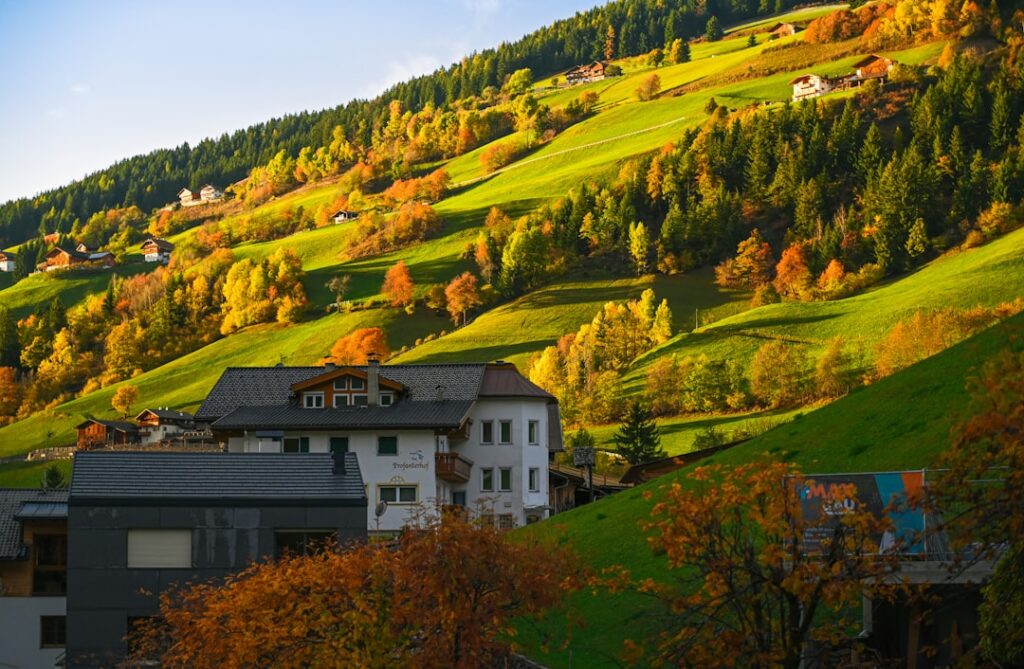
From the centre, take the cable car up to Seceda (Stazione a Funivia Ortisei: Via de Sant’Antonio, 39046 Ortisei) and enjoy a sunrise walk: seeing the dolomite faces blush pink with the first light is a genuine ritual for mental wellbeing. For more traditional treatments, several small operators offer arnica oil massages and local hay poultice wraps—perfect after a day of hiking. Practical tip: book treatments 2–3 weeks in advance during high season (June–September and December–February). For healthy eating, try dishes featuring local speck, roasted vegetables and regional cheeses in family-run trattorias: favour local ingredients and ask for smaller portions if you’re combining meals with a detox program.
Cortina d’Ampezzo: Luxury, Hotel Spas and Lakeside Strolls
Cortina d’Ampezzo, often called the Queen of the Dolomites, mixes chic boutiques, mountain hotels and high-end wellness options. Notable addresses include Cristallo, a Luxury Collection Resort & Spa (Via Angelo Dibona, 1, 32043 Cortina d’Ampezzo BL, Italy). Cristallo features a full spa with indoor pool, saunas, hammam and beauty treatments. Spa hours: 07:30–20:00 (access for guests and day visitors by reservation). Rates: day-pass around €55–€85; 50-minute massages starting at about €95.
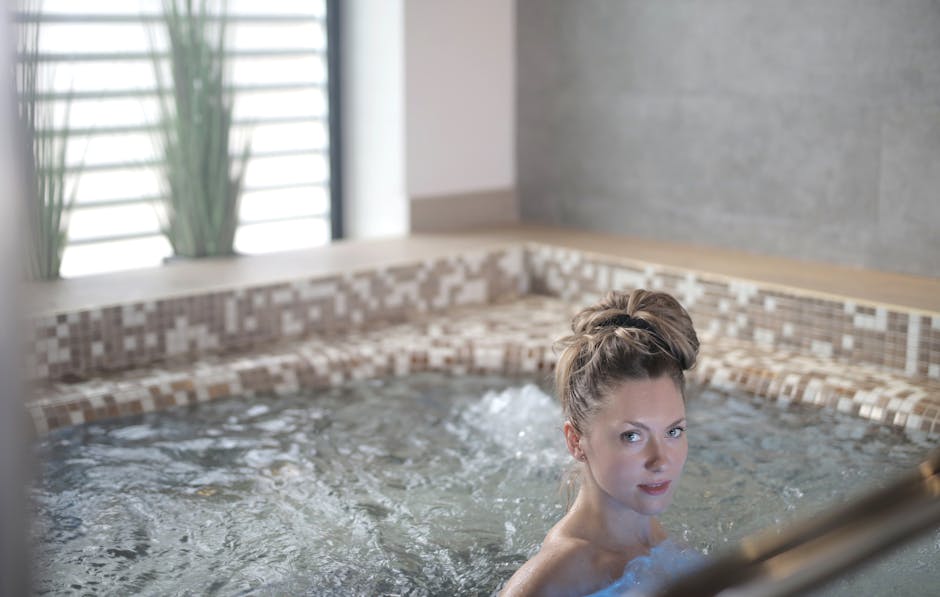
The Cristallo spa stands out for panoramic views of Tofana di Rozes and decor that mixes natural stone with refined alpine textiles; the indoor pool extends to a terrace where you can sip a hot infusion facing the peaks. For a different thermal experience, the centro benessere at Hotel Ancora (Via XVII Febbraio, 14, 32043 Cortina d’Ampezzo BL) offers hydromassage baths and tailored relaxation programs (hours 08:00–19:00; day-spa entry from about €40).
Click here to book a vintage boat experience on Lake Misurina
Click here to book a guided snow experience in Cortina
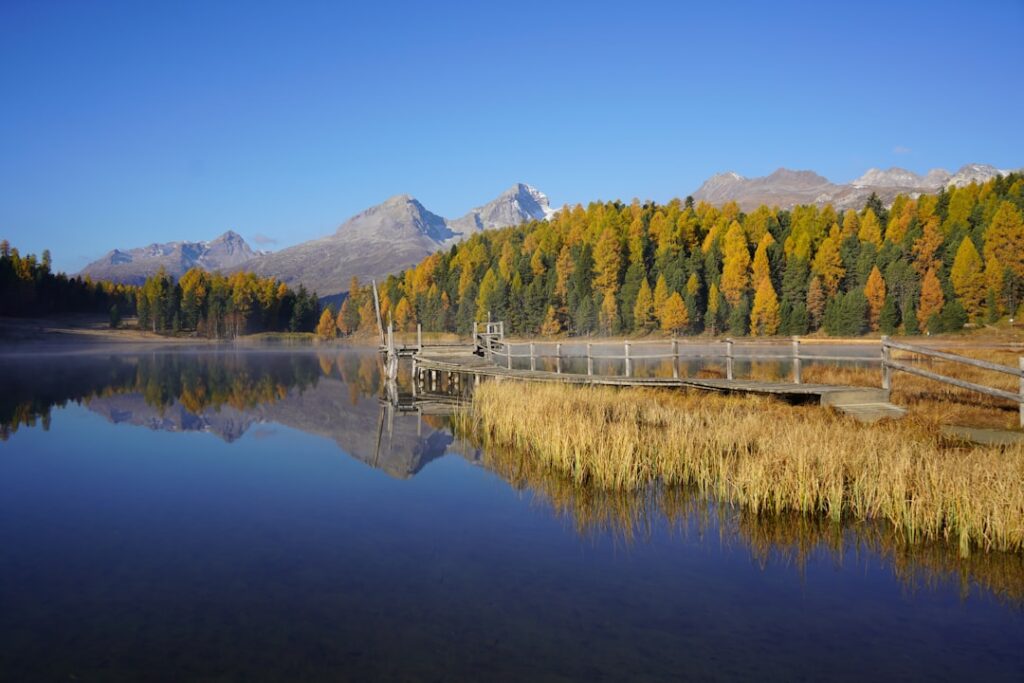
For a mixed itinerary, pair a spa treatment with a walk around Lago Sorapis (access from Forcella d’Anterselva/route to Cortina; typical start: Rifugio Vandelli area). This hike delivers striking turquoise views and provides a soothing contrast after a relaxing massage. Practical tip: in high season, use official parking (e.g. Parcheggio Col Drusciè, Via Padova) and start early to avoid crowds. For healthy meals, the covered market and small cafés offer dishes made with local produce: try vegetable soups, quinoa salads with alpine cheese, and wild herbal infusions.
San Cassiano and Corvara in Badia: High-Altitude Yoga and Gentle Detox Programs
San Cassiano and Corvara in Badia, in Alta Badia, are perfect for travellers seeking quiet, yoga retreats and tailored dietary programs. These Ladin villages have developed wellness offers around alpine nutrition and gentle activities. A notable property is Hotel Rosa Alpina (Via de Sot, 1, 39036 San Cassiano Badia, Italy), which pairs top-quality cuisine with wellness programs. The hotel spa offers morning yoga classes, Pilates sessions and fascial therapy massages suited to hikers.
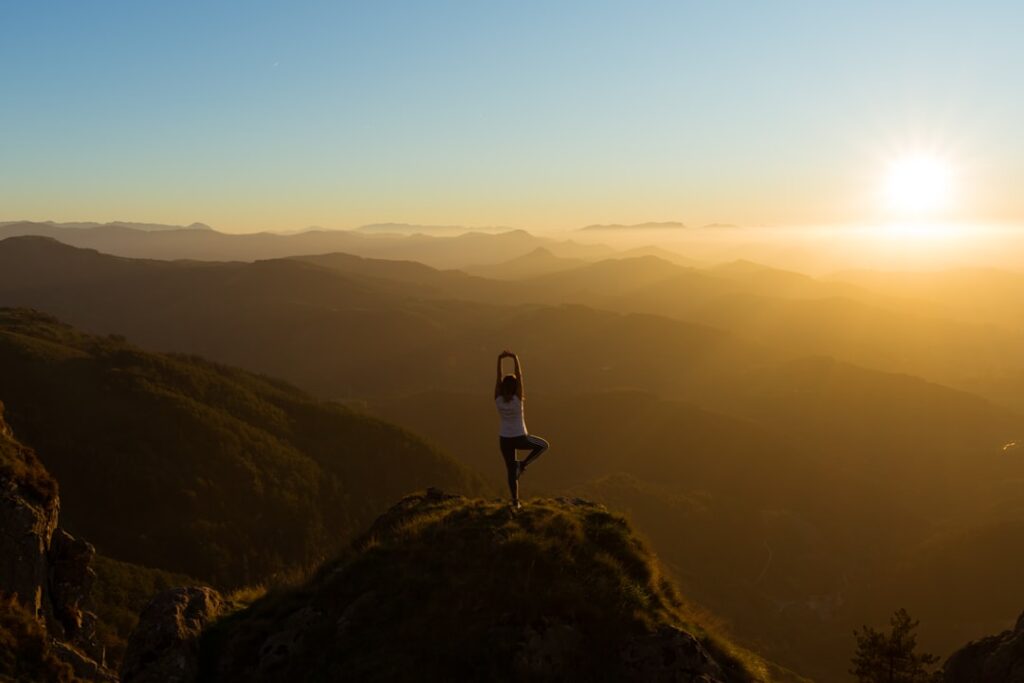
Rosa Alpina – Spa hours: 08:00–20:00 for guests; morning yoga usually 07:30–08:30, with 90-minute afternoon workshops by reservation. Prices: day wellness package (yoga + spa) roughly €80–€120; 60-minute massage from about €85. Immersive snapshot: picture a yoga session on a wooden terrace at sunrise, the mist lifting over the meadows, followed by a warm drink made with local genepi. Gentle detox programs typically focus on seasonal vegetables, broths, whole grains and small portions of alpine cheese to keep energy balanced.
Click here to book a guided yoga hike in the Dolomites
Click here to book personalised guided hikes in South Tyrol
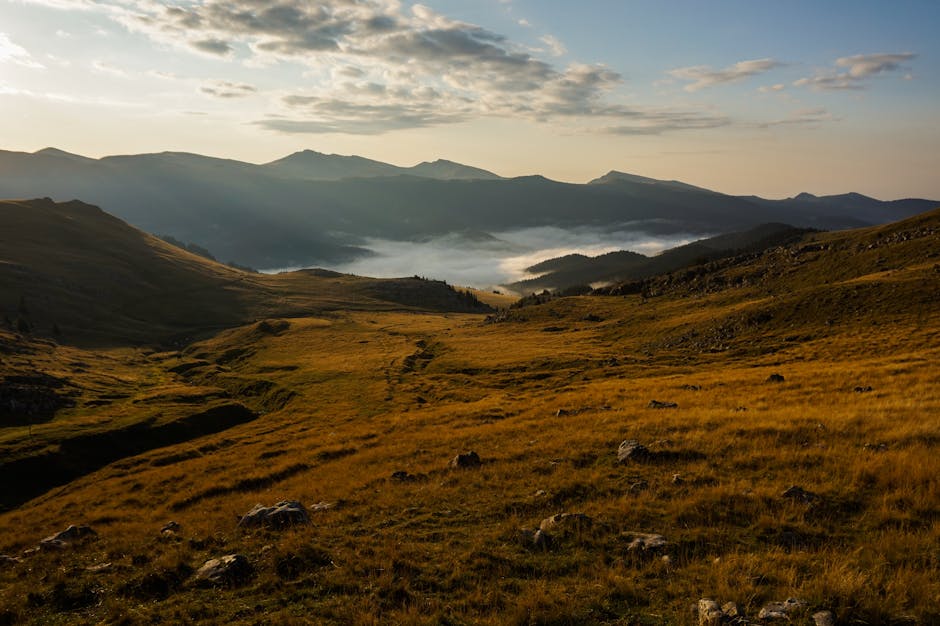
In Corvara in Badia, several centres offer 3–7 day programs that combine guided hikes, stretching sessions, sleep workshops and nutritional assessments. A typical day: wake up with a local lemon balm tea, go for a gentle 2–3 hour hike to Passo Gardena or Colfosco, enjoy a light market-based lunch, spend the afternoon in the spa for sauna and hot bath, then have a dinner of lean proteins and vegetables. Practical tip: always request menus adapted to intolerances (gluten/lactose), and make use of local grocery shops to buy mountain honey, jams and cheeses to bring home.
Complementary Activities and Practical Tips for a Successful Stay
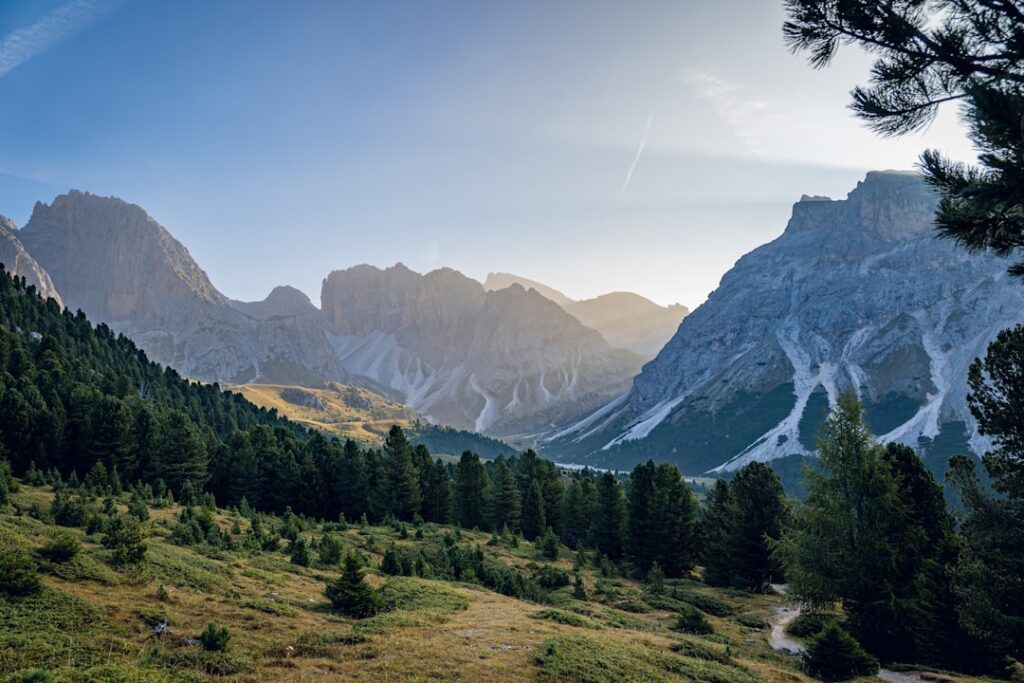
A wellness getaway in the Dolomites isn’t limited to spas: it revolves around gentle outdoor activity, mindful eating and solid logistics. Recommended complementary activities include forest bathing (shinrin-yoku), guided mindfulness hikes with a local guide, snowshoe outings in winter for low-impact cardio, and sunset walks to practice heart-rate coherence while admiring rock faces.
Practical logistics tips:
– Transport: the closest airports are Bolzano (Bolzano Dolomiti Airport, address: Via Bolzano) and Venice (Marco Polo Airport, roughly a 2.5-hour drive). Many shuttles and trains connect to the villages; in high season favour train + taxi or rent a small 4×4 if you plan to switch hotels often.
– Seasons: spring and autumn for fewer crowds and lower prices; summer for alpine flora and long days; winter for snow and after-ski thermal recovery.
– Budget: a 4-star spa hotel typically charges €150–€350/night off-season, up to €400–€800/night in high season or luxury properties; massages and treatments €60–€150 depending on length and technique. Day-spa access ranges €40–€100 depending on pool/sauna access.
– Health: pack suitable hiking clothing (layers, windproof jacket), good-grip shoes, and a basic first-aid kit for circulation (compression socks if needed). Always ask spas about the ingredients in oils and creams if you have allergies.
Tips for choosing the right program:
1. Define your goals: better sleep, stress management, muscle recovery, gentle weight loss, or simple relaxation.
2. Combine gentle activity with treatments: for example, a morning easy hike, an afternoon massage + sauna, and an early evening herbal infusion before bed.
3. Prefer places that offer ongoing support: nutritional consultations, wellness coaches or physiotherapy sessions.
4. Respect the alpine rhythm: if you arrive from lower elevations, allow 24 hours to acclimatise before intense activity.
Click here to book a forest bathing experience in the Dolomites
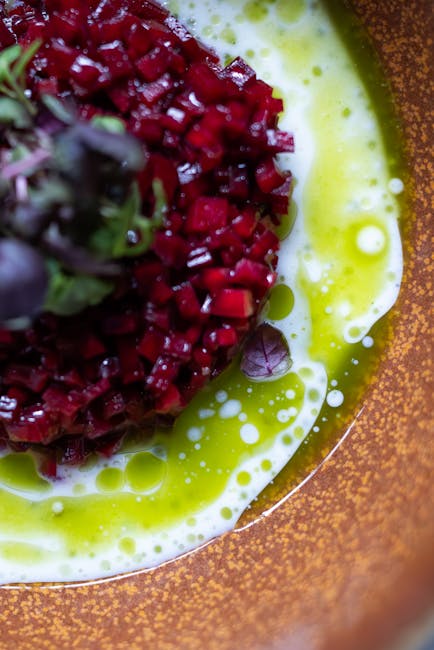
Finally, don’t leave without tasting local recovery-focused dishes: slow-simmered beef broths, herb polenta, alpine cheeses (Asiago, Puzzone di Moena), mountain honey and wild herbal infusions. These simple, authentic elements contribute to your wellbeing as much as massages and thermal baths.
Conclusion: Preparing Your Wellness Stay in the Dolomite Villages
The mountain villages of the Dolomites provide an exceptional setting for rich, varied and deeply restorative wellness stays. Between prestigious spa hotels, small family-run places offering traditional treatments made from local ingredients, and a landscape that invites presence and slowness, every visitor can build a programme that fits their needs. Whether you seek the sophistication of a hotel spa in Cortina d’Ampezzo or the authenticity of a dietary retreat in a Ladin village like San Cassiano, the key is balancing outdoor activity with rest to reap the full benefits of the alpine environment.
Planning your trip includes checking spa availability (book ahead in high season), adapting gear to the season, and noting local opening hours (shops and some services often close around 12:30–15:00 in small villages). Also build in quiet time: an early-morning soak, a tea break on a sunny terrace, or a meditation facing the stone needles can have a greater impact than a string of back-to-back treatments.
Finally, respect the local environment: favour shared transport where possible, avoid single-use plastics, and support local producers by buying mountain cheeses, honeys and jams. These small gestures enhance the authenticity of your stay while contributing to the sustainability of the villages you visit. The Dolomites are a fragile beauty; your wellness getaway should leave only a light footprint.
Before you go, consult official sites of the establishments for exact addresses, hours and updated rates, and don’t hesitate to contact spas directly to personalise your programme. Have a restorative stay in the Dolomite mountain villages: may you return calm, aligned and carrying memories of wide skies and clear air.