





Introduction: Why seek the Dolomites’ hidden roads
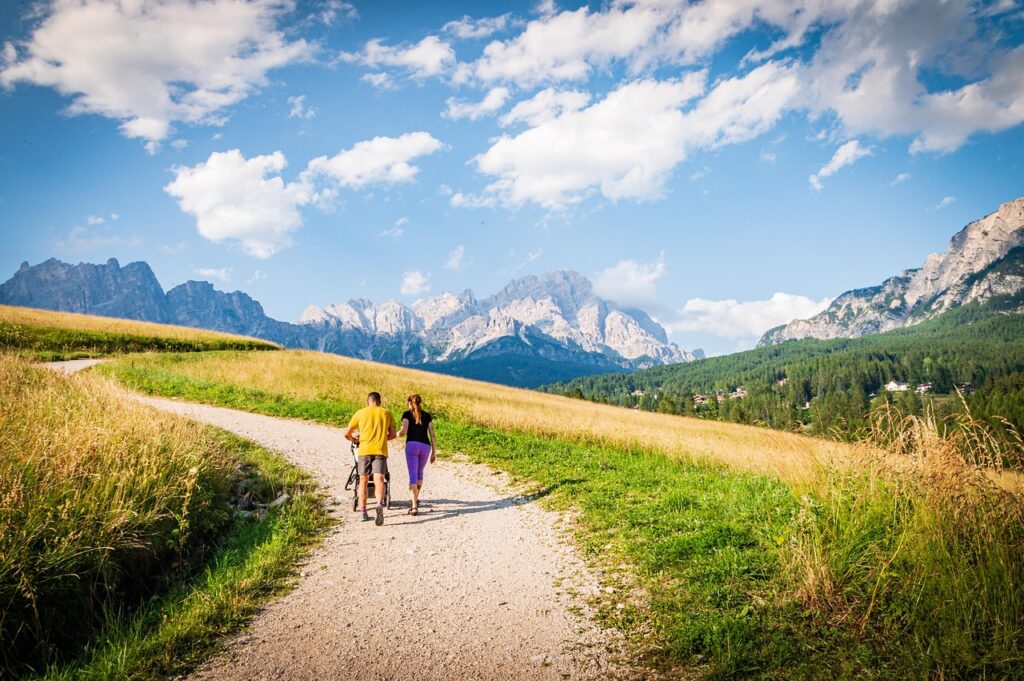
The Dolomites, a UNESCO World Heritage site, draw visitors from across the globe with their jagged ridges, emerald alpine meadows and high-altitude mountain huts. Yet, away from the iconic routes and the crowded car parks of Cortina d’Ampezzo or Lake Braies, there’s a web of secondary roads, forgotten passes and pastoral tracks that offer a far more intimate, almost secret experience of this unique limestone range. Exploring these hidden roads means slowing down, consulting old maps and local tips, and opening yourself up to vistas that don’t make it into most tourist brochures.
Heading off the beaten path in the Dolomites also gives access to places where silence rules: morning encounters with grazing flocks in the meadows, late-day light chiseling the spires into sculptural shadows, or the soft smoke rising from rifugio chimneys in autumn. These secret routes often pass through small hamlets like Colle Santa Lucia, San Pietro di Cadore or Badia, where old barns and Romanesque churches tell a story of life adapted to the mountain environment. They can run alongside wild streams, cross spruce forests or finish at viewpoints overlooking narrow valleys and peaks above 3,000 metres.
In this article I offer an insider itinerary: suggested secondary roads, typical mountain huts, practical addresses and opening times, price indications, and local tips to make the most of every stop. You’ll also find recommendations on the best time to visit and essential gear — from winter drive tips and snow chains to sturdy hiking boots. My aim is to give you enough detail to map your own trip while preserving the spirit of discovery these quiet places deserve.
Before you set off, keep a few important rules in mind: respect municipal roads and private signs, avoid driving off-track in protected areas, and leave no trace. Locals value their peace and the protection of alpine ecosystems; by following these simple principles you’ll help keep these hidden roads just as they are — intact, authentic and ready to amaze.
Colle Santa Lucia to Passo Giau: the road of suspended panoramas
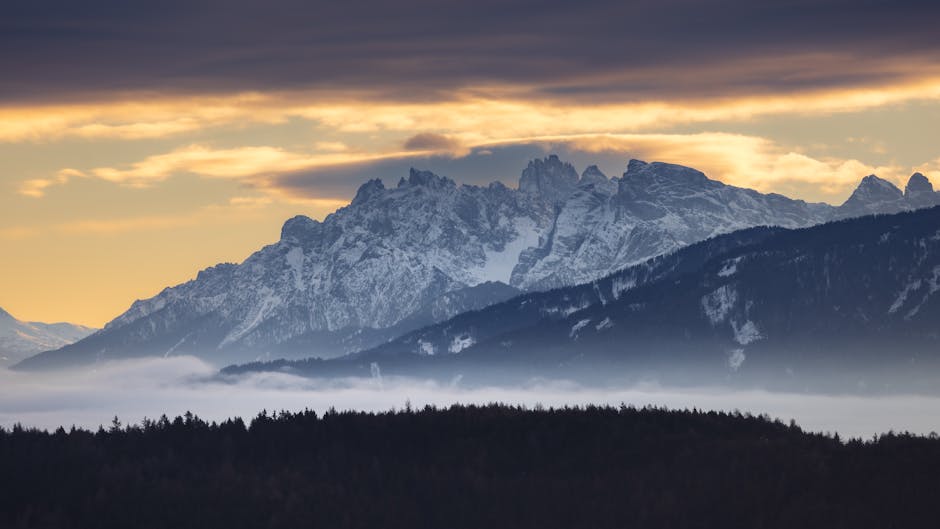
The road linking Colle Santa Lucia to Passo Giau is one of the most spectacular — and surprisingly less crowded — drives in the Dolomites. Starting from the hamlet of Colle Santa Lucia (locality Colle Santa Lucia, 32020 Colle Santa Lucia BL), you follow a narrow road that winds between alpine meadows and sheer rock faces. Arriving at Passo Giau (Forcella Giau, 32020 Cortina d’Ampezzo BL), you’re rewarded with a full 360° panorama, with the Cinque Torri, Croda da Lago and the Tofane massif in the background.
Start point and address: Colle Santa Lucia, 32020 Colle Santa Lucia (BL), Italia. Parking at Passo Giau: parcheggio comunale Passo Giau, approximate coordinates, indicative tariff €5.00–€8.00 depending on the season. The pass is accessible in summer and late spring; in winter the road may be closed or require chains. The emblematic hut is the Rifugio Passo Giau, located right on the pass, local address: Forcella Giau, 32020 Cortina d’Ampezzo (BL). Opening times: usually open from June to September, then autumn weekends (opening depends on weather). Hut menu: traditional Italian and Tyrolean dishes, main courses around €10–€18, drinks €3–€6.
Why take this hidden road? Because it provides easy stops for short hikes (e.g. trail to Rifugio Cinque Torri) and less-photographed views: look south to discover deep-cut valleys, or east to see the west faces of the Marmolada at sunrise. Local tip: arrive before 09:00 for soft light and better chances of parking. Bring layers for temperature changes — even in summer the winds at the pass can be chilly.
 Click here to book your spectacular loop at Col Giau
Val di Funes (Villnöß): rural roads and the Church of St. Magdalena
The Val di Funes (Villnöß in German) is a lesser-known valley in the autonomous province of Bolzano. While the southern Dolomites draw crowds to Seceda and Alpe di Siusi, the Funes valley retains an intact pastoral atmosphere. The main winding road from San Pietro (St. Peter, 39040 Funes/Funes BZ) climbs toward the small hamlet of Santa Maddalena (Chiesetta di Santa Maddalena), a picture-postcard chapel often used as an icon of the Dolomites but surprisingly accessible outside peak season.
Address: Church of St. Magdalena (Chiesetta di Santa Maddalena), Via Santa Maddalena, 39040 Funes (BZ), Italia. Parking: Parkplatz Santa Maddalena, local coords; free or voluntary contribution depending on signs. Opening times: the chapel is open in the mornings and during services (check the Parrocchia di San Pietro for times which vary by season). Entry: free, donations appreciated. For a guided visit, contact the Ufficio Turistico Val di Funes, Via Principale 35, 39040 Funes (BZ); guided tours start from around €15–€25 per person depending on duration.
On the road, prefer the small lanes that pass by farms to get immersed in local life: stop at the agriturismo Maso Unterholz (Via Unterholz, 39040 Funes) to taste malga cheese and house-cured speck (dishes €12–€18). Photographers will love the morning light, when clouds cling to the Geisler (Odle) fingers and meadows sit in mist. Practical tips: drive slowly, respect livestock and bring hiking shoes to reach viewpoints (well-marked paths, variable difficulty). For sunsets, the Ranui road offers a secret viewpoint just to the right after the chapel — often quiet even in high season.
Click here to book a photo session with a professional photographer
Fanes-Senes-Braies scenic route: secondary tracks and alpine huts
The protected area of Parco Naturale Fanes-Senes-Braies contains little-known mountain roads that are perfect for travelers seeking solitude. One of the secret routes starts near Braies (Pragser Wildsee) but quickly forks onto communal tracks leading to Colfosco and the Fanes high pastures. Recommended start point: Parking Lago di Braies, Via Braies 1, 39030 Braies (BZ) — paid parking roughly €6–€12 depending on season and duration.
The route leads to Rifugio Fanes (Rifugio Fanes, Località Fanes, 39030 San Vigilio di Marebbe (BZ)), an ideal stop for a traditional meal and an overnight stay. Opening times: typically open from late June to mid-September, with some autumn weekends — check before you go. Prices: dorm beds €25–€40 per night, half-board €45–€70 per person depending on the period. The hut serves Ladin specialties like Cëcia (bean soup) and polenta with mushrooms, mains around €10–€15.
This network of tracks offers numerous options for multi-day hikes: circular trail to Lago di Fanes, an easy climb to the Sennes viewpoints, and gentle descents into Val Badia. Secondary roads are often gravel; a vehicle with reasonable ground clearance is recommended but not essential in summer. Practical info: the park enforces strict protection rules — no open fires, respect pasture fences, keep dogs on a leash. Bring the park map (available at the Ufficio Turistico Alta Badia, Via Plan de Corones 1, 39030 San Cassiano, tel. +39 0471 836000) and plenty of water — huts can be far apart.
Click here to book a yoga session and short hike by the lake
Backroads around Alpe di Siusi and Col Raiser: plateaus and secret meadows
Alpe di Siusi (Seiser Alm) is famous, but there are lesser-known peripheral loops that lead to secluded hamlets and unexpected viewpoints. Start from Compatsch (Compaccio), the central spot on Alpe di Siusi (39040 Castelrotto/Siusi allo Sciliar BO), then follow communal roads toward Scharling and Col Raiser to discover clearings that look like they came straight off a postcard — but without the crowds.
Start parking address: Seiser Alm Parking Compatsch, 39040 Castelrotto (BZ). Rates: day parking €8–€15 depending on season; shuttle buses available (shuttle fares €2–€6). For a meal, try the Rifugio Col Raiser, located on the plateau: Col Raiser, 39040 Castelrotto (BZ). Opening times: open in summer and winter, generally 08:30–18:00; dishes €12–€20, drinks €3–€5.
Another tip: follow the small road to the hamlet of Saltria to reach isolated meadows and high-altitude farms (Maso). These roads suit gravel bikes and compact cars; aim for the morning to avoid tourist buses. Local tip: buy cheese directly from farmers (formaggio di malga) — usually €8–€12 per kilo, fresher and more flavorful than shop-bought. Finally, for an uncommon view, take the short climb to Belvedere Punta d’Oro, reachable on foot from Compatsch (moderate incline, 30–45 minutes), perfect at sunset.
Click here to book a photo session at Alpe di Siusi
Conclusion: planning a discreet and responsible itinerary
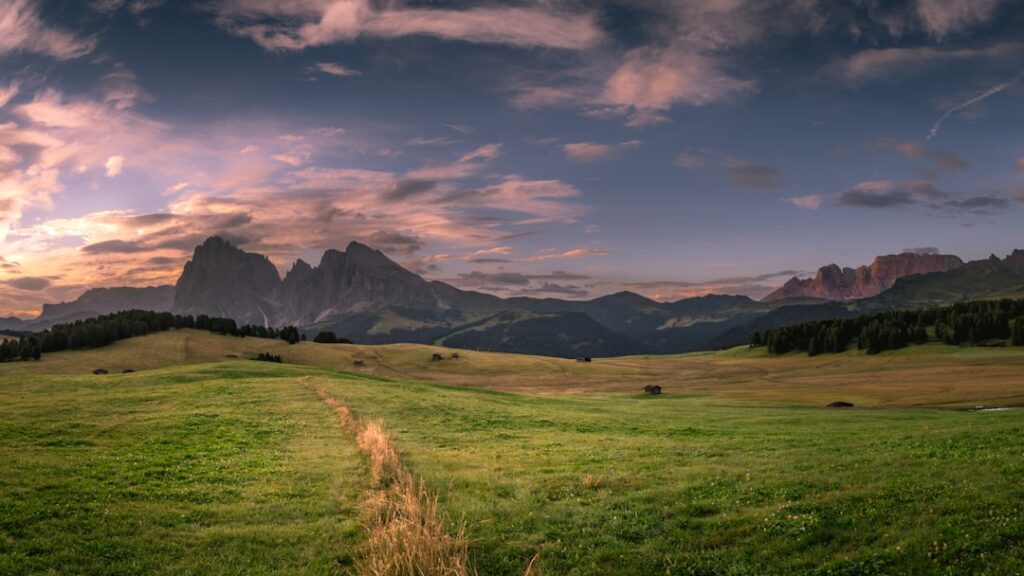
Exploring the Dolomites’ hidden roads requires a mix of preparation, humility and respect for the environment. The routes outlined — Colle Santa Lucia to Passo Giau, Val di Funes and the Church of St. Magdalena, the tracks through Fanes-Senes-Braies, and the peripheral loops around Alpe di Siusi — offer a range of experiences: suspended panoramas, pastoral hamlets, welcoming rifugi and quiet meadows. Each of these roads includes practical addresses, identifiable huts and indicative prices to help you plan right away.
Some practical tips to make your secret itinerary a success: always check road conditions with local tourist offices (Ufficio Turistico Alta Badia, Ufficio Turistico Cortina d’Ampezzo, Ufficio Turistico Val di Funes), allow extra time for unplanned stops, and respect seasonal closures. Carry a first-aid kit, warm clothing even in summer, and a paper map — mobile signal can be patchy in narrow valleys. If you plan to stay in huts, book in advance during high season; many rifugi have variable hours and close outside the season.
Finally, remember that discretion is part of the charm: drive slowly, keep meadows clean and take time to talk with locals — a few words in Italian or the local German dialect (Buongiorno, Grazie, Danke) often unlock stories, homemade cheeses and tips about even more secret roads. These quiet Dolomites are earned: they reward the curious traveler who values slowness over a photo rush and respect over impression. Safe travels — may your drives along these hidden roads bring you memorable views and authentic encounters.