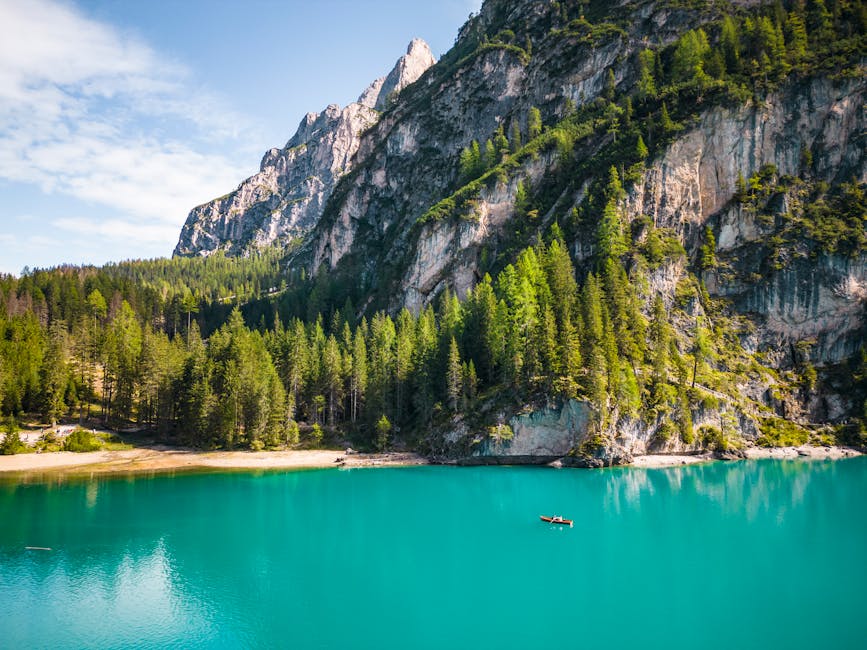






Introduction: Gravel and scenery — why the Dolomites are a travel promise
The Dolomites, a UNESCO World Heritage site, are an unbeatable playground for gravel riders, blending mountain roads, forest tracks and jaw-dropping alpine vistas. Located in northeastern Italy, the Dolomites stretch across the provinces of Belluno, Trentino and Alto Adige (South Tyrol). Their unique geology — limestone cliffs, vertical spires and glacial-shaped valleys — turns every bend into a new postcard, whether you’re riding historic passes like Passo Sella or Passo Pordoi, or exploring quieter secondary tracks where silence takes over and the scent of firs mixes with crisp summit air.
Gravel, that hybrid between road and mountain biking, finds its ideal canvas here: dolomitic stone tracks, grassy sinkholes, former military roads and forest trails combine into routes that are both technical and accessible. Unlike strict road itineraries, gravel lets you explore less-traveled side valleys, reach secret high pastures and descend on panoramic tracks where adrenaline meets breathtaking scenery.
In this article I offer a panoramic loop through the Dolomites geared toward gravel cyclists: recommended routes, iconic spots you shouldn’t miss, practical info (addresses, opening hours, prices) to plan comfortable and safe stages, plus local tips to refine your experience. Whether you have a day to spare or a week of self-supported riding, this guide will point you to the best roads, huts and viewpoints — from the famous Lago di Braies to the Marmolada glacier — taking into account the reality of the terrain, cyclist services and weather constraints.
I’ll also detail the main points of interest — museums, cable cars and mountain huts — with contact details and access notes so you can plan stops without surprises. Finally, you’ll find technical advice: setup choices (tires, gearing), fitness prep for steep passes, descent safety and local environmental rules. Pack your bag, check tire pressure and brakes — the Dolomites await with views you won’t forget and trails that tell the story of mountains shaped by the sea hundreds of millions of years ago.
 Click here to book a day trip to Cortina

Recommended panoramic route: classic 4-day loop for gravel riders
To fully enjoy the variety of terrain and scenery the Dolomites offer, I recommend a 4-day loop starting from Cortina d’Ampezzo. This route alternates famous passes, gravel sections and cultural stops. The loop is flexible (you can extend or shorten it depending on your level) and includes reliable accommodation and resupply points.
Day 1 — Cortina d’Ampezzo to Passo Falzarego via the Ampezzo valley: start from Cortina’s town center (Corso Italia, 1, 32043 Cortina d’Ampezzo BL, Italy). Take the SP48 toward Passo Tre Croci then branch onto secondary tracks leading up to Passo Falzarego. This opening stage is perfect for warming up: a mix of tarmac and compact gravel. Approximate distance: 40 km, elevation gain ~1200 m.
Day 2 — From Passo Falzarego to Passo Pordoi via Colle Santa Lucia: this crossing includes historic sections (World War I roads) and wide trails with views over the Cinque Torri and the Marmolada. Overnight options available in Arabba (Via Dolomites, 1, 32020 Arabba BL, Italy). Distance: 55–70 km depending on variants, elevation gain ~1500–2200 m.

Day 3 — Passo Pordoi to Lago di Fedaia and climb toward the Marmolada: a spectacular day around the Marmolada, the “king of the Dolomites.” Ride the road to Lago di Fedaia (SR641) and, if conditions allow, continue up to Rifugio Pian dei Fiacconi (Rifugio Pian dei Fiacconi, Strada Marmolada, 7, 38035 Malga Ciapela TN, Italy) for an exceptional glacier viewpoint. Distance: 40–60 km, elevation gain 1000–1800 m.
Day 4 — Return to Cortina via Passo Giau and Valparola: Passo Giau (SS638) delivers some of the most photographed panoramas in the Dolomites; its slopes are often chosen by gravel riders for their challenge and visual reward. Descend toward Cortina via Passo Falzarego or the SS48. Distance: 60–85 km, elevation gain variable.
Practical logistics: choose accommodations that accept bikes and offer a secure storage room. In Cortina d’Ampezzo, the local tourist office (Piazza Venezia, 1, 32043 Cortina d’Ampezzo BL, Italy) is usually open from 08:30 to 18:30 in high season — ask for local trail maps and weather updates. Mountain huts like Rifugio Falzarego (Strada del Passo Falzarego, 1, 32020 Livinallongo del Col di Lana BL, Italy) serve hot meals and beds, but you should book in advance in high season (calling is recommended).
- Typical prices: overnight in a hut: €25–70 depending on comfort; hot meal in a hut: €12–20; coffee at a station: €1.50–3.
- Tips: leave early to avoid summer traffic; carry a repair kit and a mini-pump; check the weather the day before (afternoon storms are common).
Click here to book an airport transfer to Cortina d’Ampezzo
Main points of interest: monuments, cable cars and lakes not to miss
During your gravel circuit, several iconic spots are well worth a stop. These sites offer cultural interest, visitor services and breathtaking views.
1) The Tre Cime di Lavaredo (Auronzo di Cadore) — coordinates and practical info: the famous three peaks sit near the SR48. Main access from Auronzo di Cadore (Via Mazzini, 1, 32041 Auronzo di Cadore BL, Italy). Parking at Rifugio Auronzo (Rifugio Auronzo, Strada Tre Cime, 1, 32041 Auronzo di Cadore BL, Italy) is paid: around €30 per car in high season (2025 rate indicative); night closures vary by season. Access on foot is open 24/7, but the parking and rifugio have opening hours (Rifugio Auronzo generally 08:00–18:00). The trail around the Tre Cime is an essential stroll after a gravel ride, offering frontal views and short hike options.
2) Lago di Braies (Pragser Wildsee) — address and access: Via Lago, 14, 39030 Braies BZ, Italy. Hours: the adjacent parking (Parking Lago di Braies) opens early and pedestrian access is free — however restrictions and entry fees can apply in high season (parking fee €8–12 per day). The lake is extremely busy at dawn; aim for an early or late-afternoon visit for photos and rowing with fewer crowds. Rowboat rental: around €12–20 for 30–60 minutes.
3) Marmolada and the cable car (Malga Ciapela) — practical info: Marmolada-Punta Rocca cable car (Piazza della Marmolada, 1, 38032 Malga Ciapela TN, Italy). Hours vary by season, typically 08:30–16:30 in summer; check before you go. Price: round-trip cable car ticket ~€30–45 depending on services; discounts for children and groups sometimes available. The cable car takes you to the Punta Rocca viewpoint overlooking the Marmolada glacier: a striking panorama and a Great War museum nearby (Museo della Grande Guerra, located at Pian dei Fiacconi).
4) Museo Ladin Ciastel de Tor (San Martino in Badia) — address: Via Ciasa de Tor, 10, 39030 San Martin de Tor BZ, Italy. Hours: variable, often 09:00–17:00; admission indicative: €6–10. This museum helps you understand Ladin culture, typical of the Dolomite valleys, and enriches the human story of the landscapes you cross by bike.
Click here to book a guided tour of the Tre Cime huts
Click here to book a vintage boat ride on Misurina

Beyond these sites, keep an eye out for historic huts (Rifugio Lagazuoi, Rifugio Nuvolau) that offer food and views. The pass roads (Passo Sella, Passo Gardena, Passo Giau) often have rest areas and small shops where you can top up before a long climb. Local tourist offices (Cortina d’Ampezzo, Canazei, Selva di Val Gardena) are invaluable for up-to-date maps and weather information.
Technical and practical tips for gravel in the Dolomites
Mountain gravel requires suitable gear and solid preparation. Here are concrete recommendations about the bike, equipment, safety and weather.
Recommended kit: choose a gravel bike with tires between 35 and 45 mm (reinforced) depending on how much track and corrugated road you expect to ride. Compact drivetrains 2×10 or 1×12 with a large sprocket (42–48 teeth) make long climbs easier. Well-tuned hydraulic disc brakes are nearly essential for safe descents. Pack a frame bag or a lightweight backpack containing a multi-tool, spare tube, tubeless repair kit, pump, multi-tools and a power bank for your GPS.

Navigation and mapping: download offline topographic maps (Komoot, Ride with GPS, Maps.me) before you go. Some high-altitude sections may lack mobile coverage; a paper map from the Touring Club Italiano or a local IGN map is handy as backup. Tourist offices often hand out detailed trail maps and historic route guides.
Safety and weather: in summer, storms often build in the afternoon — plan your days so you’re descending or under cover by 15:00–16:00. If a storm hits, avoid ridgelines and exposed rocky areas. Temperatures can drop quickly: bring a windproof and a light thermal layer. At high altitude, snow may persist into June–July on some passes; check pass openings (Passo Pordoi, Passo Sella) with tourist offices.
Environmental respect and local rules: trails in the Dolomites sometimes cross protected areas. Obey signs and access restrictions; avoid cutting switchbacks through alpine meadows; pack out your rubbish. Huts often have strict rules on waste sorting and drinking water — favor reusable bottles and filter water if needed.
- On-the-trail repairs: master chain removal and tubeless puncture repair. Carry a compact chain tool.
- Hydration and nutrition: altitude and effort increase needs; plan for 0.5–1 liter of water per hour in summer and energy bars high in carbs and electrolytes.
- Assistance: some areas offer bike shuttle services and mobile mechanical assistance; check with the local tourist office for contacts and rates (often €30–80 depending on distance).
Accommodation, resupply and local tips for each stage
Planning stages and nights is essential for a successful loop. The Dolomites provide accommodation ranging from rustic huts to charming boutique hotels. Here are addresses and practical info to secure your stay.
Cortina d’Ampezzo — Recommended accommodation: Hotel de la Poste (Corso Italia, 82, 32043 Cortina d’Ampezzo BL, Italy). Indicative price: €90–250 per night depending on season. Services: bike storage, hearty breakfast (included), laundry service. The local tourist office (Piazza Venezia, 1) supplies maps and tips.
Arabba / Livinallongo del Col di Lana — Stay at Rifugio Fodom (Piazza Pecol, 10, 32020 Livinallongo del Col di Lana BL, Italy). Hut prices: €30–60 per night, half-board €35–50 extra. Arabba has several small grocery stores (supermercato Coop Arabba, Via Roma, 1) typically open 08:00–19:00; useful for food and water top-ups.
Malga Ciapela / Marmolada — Recommended hotel: Hotel Dolomiti (Via Marmolada, 25, 38032 Malga Ciapela TN, Italy). Price: €60–150 per night. The Marmolada cable car (Punta Rocca) is a major attraction — check ticket offices for hours and fares (round-trip ~€35).
Cyclist services: many hotels offer touring rates and take-away breakfast kits. Look for the “Bike Hotel” or “Bici OK” labels to get tools, boot dryers and energy menus. Garages and service stations in the valleys offer pumps and small parts; note that specific gravel kit (wide spare tires, cassettes) may need to be ordered in larger towns (Belluno, Bolzano).
Local tips: learn a few words of Italian or German (in South Tyrol); a simple “Buongiorno” and “Grazie” goes a long way. In case of emergency dial the European emergency number 112. Always tell your hotel or hut your planned route for the day if you ride alone — it helps in case of an incident.
Conclusion: get ready to fully experience the Dolomitic spectacle on gravel
The Dolomites are a destination that pays off every effort you put in. Gravel unveils intimate and grandiose landscapes here, alternating feelings of adventure and deep admiration for geology and sculpted forms. Following the panoramic loop suggested, you’ll cross legendary passes, alpine lakes and historic sites, while benefiting from well-established tourist infrastructure (cable cars, huts, tourist offices).
Preparation is key: equip yourself with a suitable bike, check your routes and bookings, and plan your days around storms and seasonal closures. Take frequent breaks to savor the views — some stops, like Lago di Braies at sunrise or the Marmolada viewpoint at sunset, become travel memories that last a lifetime. Respect local rules and the environment: pastoral tracks and protected areas require responsible behavior to preserve their beauty.
Finally, open yourself to local culture: taste Ladin and Tyrolean specialties (canederli, speck, strudel), chat with hut keepers and valley locals to better understand the human relationship with these mountains. Gravel in the Dolomites is more than accumulated kilometers: it’s a sensory, historical and human immersion. Bring your camera, allow time for detours and, above all, enjoy every climb knowing a rewarding descent awaits — you’ll return to the valley changed by the experience.
Safe travels, be cautious on descents, and may your wheels lead you to unforgettable panoramas!
Click here to book a Dolomites and Lago di Braies excursion

