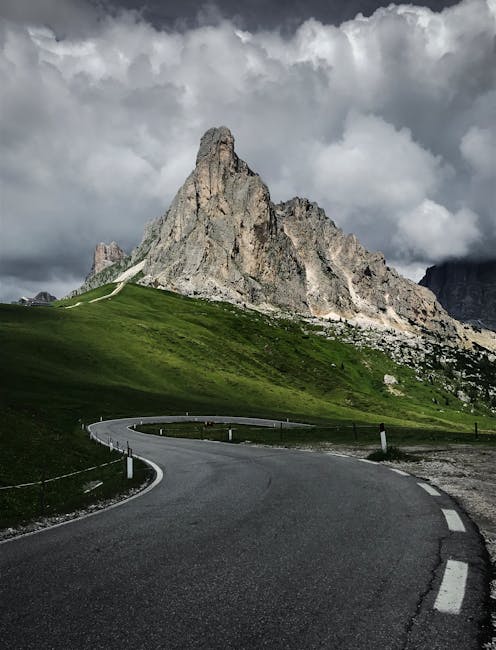






Introduction — Why a road trip through the Dolomites and how to plan your must-visit village route
The Dolomites, a UNESCO World Heritage site, are one of Europe’s most spectacular playgrounds for a road trip. Winding roads climbing above valleys, alpine meadows, jagged peaks and villages that seem frozen in time — every kilometer tells a story. This itinerary focuses on villages: perched hamlets where Tyrolean architecture blends with Italian flair, shady piazzas where you savor polenta and strudel, and baroque or medieval churches that anchor the landscape in history. A successful road trip here isn’t just about ticking locations off a map; it’s about feeling the texture of the stone, hearing the bells at first light, and stopping to listen to locals’ stories.
To prepare for this kind of route, think logistics: rent a compact but sturdy car (a reliable engine is essential for mountain passes like Passo Giau or Passo Pordoi), carry chains or winter tires from November to April, and download a few offline apps (maps, translator, weather). Distances between villages may look short on paper but speed is limited by terrain — plan realistic daily routes and allow time for photo stops, short hikes and local tastings. The Dolomites span several provinces (Belluno, Südtirol/Alto Adige, Trento), so keep your ID handy, check local parking rules and note tourist office opening hours: they’re often the best first stop for events or hiking shuttle info.
This guide focuses on the must-visit villages for an immersive Dolomites road trip: Cortina d’Ampezzo, Ortisei (St. Ulrich), Selva di Val Gardena (Wolkenstein), San Candido (Innichen), Santa Maddalena (St. Magdalena) in Val di Funes and Canazei. For each village I give precise addresses (museums, tourist offices, churches), opening hours, indicative prices in euros, sensory descriptions and practical local tips (best parking, cafés, hikes starting from the village, local markets and the best times to avoid crowds). Practical info — prices and hours — is provided to help you plan, but always double-check online right before you travel as schedules can vary by season.
Finally, this road trip suits many travelers: photographers chasing evening light on limestone spires, hikers hungry for high trails, food lovers eager to taste Ladin and Tyrolean cuisine, and families combining culture and nature. Bring a good camera, sturdy hiking shoes and a thirst for discovery: the Dolomite villages have plenty to offer, and every stop can become the highlight of your trip.
Cortina d’Ampezzo — The elegant queen of the Dolomites
Cortina d’Ampezzo, often called “the Queen of the Dolomites,” is a chic, iconic alpine town in the province of Belluno. It’s known for mountain sports shops, historic alpine inns and views toward the Cinque Torri and the Tofane group. Start your visit at the tourist office to pick up maps and hiking ideas: Ufficio Informazioni e Accoglienza Turistica Cortina d’Ampezzo, Piazza A. Dibona 1, 32043 Cortina d’Ampezzo (BL). Opening hours: typically 09:00–18:00 in high season (May–October), 09:00–17:00 in low season; closed some winter Sundays. Free entry.
Museum to visit: Museo d’Arte Moderna Mario Rimoldi — Corso Italia 16, 32043 Cortina d’Ampezzo (BL). Hours: vary by season, typically 10:00–18:00 in summer. Indicative price: €8–12 (full price), reduced €5–8. The museum showcases 20th-century Italian art and offers an interesting cultural contrast after the natural panoramas. For a religious and architectural immersion, the parish church of S. Maria Nascente, Piazza S. Francesco 1, 32043 Cortina d’Ampezzo, is usually open 08:00–19:00 for visits and services; admission is free, donations welcome.
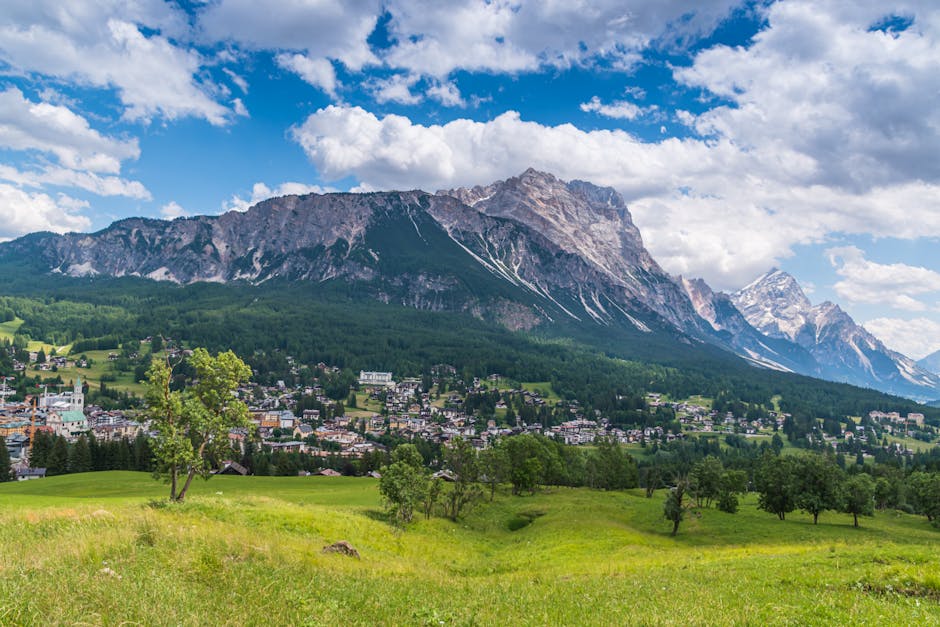
Practical tips: parking at the large Zuel lot (Via Zuel, 32043 Cortina d’Ampezzo) costs about €2–3 per hour; central parking lots can charge up to €20 per day in high season. Book accommodations well in advance for July–August and winter weekends. Local restaurants serve dishes like casunziei (Ladin ravioli) and polenta with stews — expect €12–22 for a main course in trattorie. For hikes, the loop to the Cinque Torri (boardwalks and cliff views) is doable in 2–3 hours from the Armentarola parking for average walkers.
Ortisei (St. Ulrich) and Val Gardena — Woodcraft, Ladin culture and Seceda panoramas
Ortisei, known in German as St. Ulrich in Gröden, is the lively heart of Val Gardena (Gröden) in the province of Bolzano (Südtirol/Alto Adige). The village stands out for its woodcraft, painted facades and year-round buzz. The tourist office is at Ufficio Informazioni Turistiche Ortisei, via Rezia 43, 39046 Ortisei (BZ). Hours: 09:00–18:00 in high season; may close 12:00–13:00 off-season. Free entry.
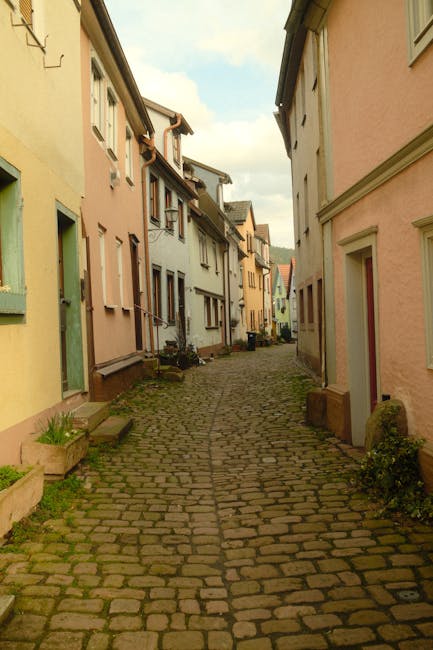
Cultural visits: the local art museum is often part of the town gallery (Galleria Ortisei, Via Meisules 1, 39046 Ortisei) where you can see local woodcarvings and temporary exhibits. Hours and prices vary; entry is usually €5–10. For a spiritual experience, Chiesa di Sant’Udalrico (Parrocchia di San Ulrico), Via Sant’Antonio 1, 39046 Ortisei, is open for mass and visits from 07:30–18:30; free admission. Take the Seceda cable car (Funivia Ortisei–Seceda, Piazzale Funivia, 39046 Ortisei): hours 08:30–17:00 in summer, 09:00–16:00 off-season; round-trip fares around €22–28 per adult depending on season. The ascent provides one of the most recognizable views of the Dolomite ridges and extensive hiking trails.
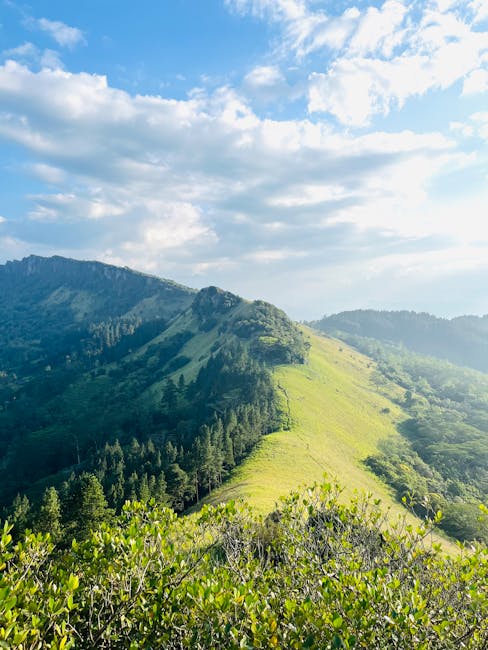
Practical tips: parking at Parcheggio Ortisei (Via Dolomiti) costs about €1.50–2.50 per hour; many hotels offer free shuttles to the lifts. For foodies, try Käseknödel (cheese dumplings) and apple strudel in traditional Stuben: dishes €10–18. Don’t miss woodcarving workshops where you can buy carved items; one address is Scuola di Intaglio Val Gardena, Via Stetten 5, 39046 Ortisei (workshop hours vary, booking recommended). If hiking, bring water, sunscreen and a windproof layer: weather can change quickly at altitude.
Selva di Val Gardena (Wolkenstein) and the Gardena Pass — Gateway to the Sassolungo massif
Selva di Val Gardena, or Wolkenstein in Gröden, is an ideal base for exploring the Sassolungo massif and the scenic roads leading to the Gardena Pass. The tourist information center is at Ufficio Turistico Selva di Val Gardena, Largo delle Dolomiti 1, 39048 Selva di Val Gardena (BZ). Hours: generally 09:00–17:30; info is free, maps may cost €1–3.
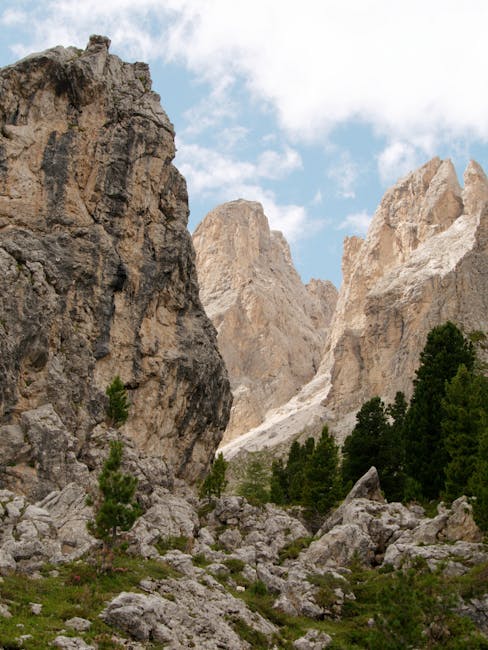
Attractions and routes: the valley offers marked trails for all levels. Take the Col Raiser gondola (access via Col Raiser cableway, Via Plan de Gralba) for easy circuits and views of the Sassolungo. Gondola hours: 08:30–17:00, round-trip fares about €15–25 depending on season. Nearby is the small church of S. Cristina (Chiesa Parrocchiale di Santa Cristina, Via Col de Flam 2, 39048 Selva di Val Gardena); visiting hours 09:00–18:00, free entry. For a mountain dining experience, try Rifugio Comici (Rifugio Emilio Comici, Passo Gardena, 39046 Selva di Val Gardena): alpine cuisine, mains €12–25, opening hours vary by season — often 10:00–18:00 in summer.
Practical tips: the road to Passo Gardena is picturesque but narrow; respect speed limits and use designated photo pullouts. Main parking: Parcheggio Selva Centro (Via Meisules) with rates €1.50–2.00 / hour. Climbers should contact Guide Alpine Val Gardena, via Compaccio 12, 39048 Selva di Val Gardena (appointments needed). In winter Selva is a Ski World Cup hub and parking fills fast: arrive early or use hotel shuttles. If you stay into the evening, stroll the center to admire the illuminated facades and finish with a mulled wine at a local bar (around €4–6).
San Candido (Innichen) and the Via Crucis to the nearby Drei Zinnen (Tre Cime)
San Candido, Innichen in German, is an eastern village prized for its peaceful vibe and access to the Prato Piazza Dolomites and the Tre Cime di Lavaredo. Tourist office: Ufficio Turistico San Candido, Piazza Municipio 1, 39038 San Candido (BZ). Hours: 09:00–17:00 in season; closed some Sundays. Free entry. The parish church of San Candido (Abbazia di San Candido, Piazza dell’Abbazia 1, 39038 San Candido) is an exceptional Benedictine monastery with a cloister and frescoes; visiting hours 09:00–18:00, free entry or donations appreciated.
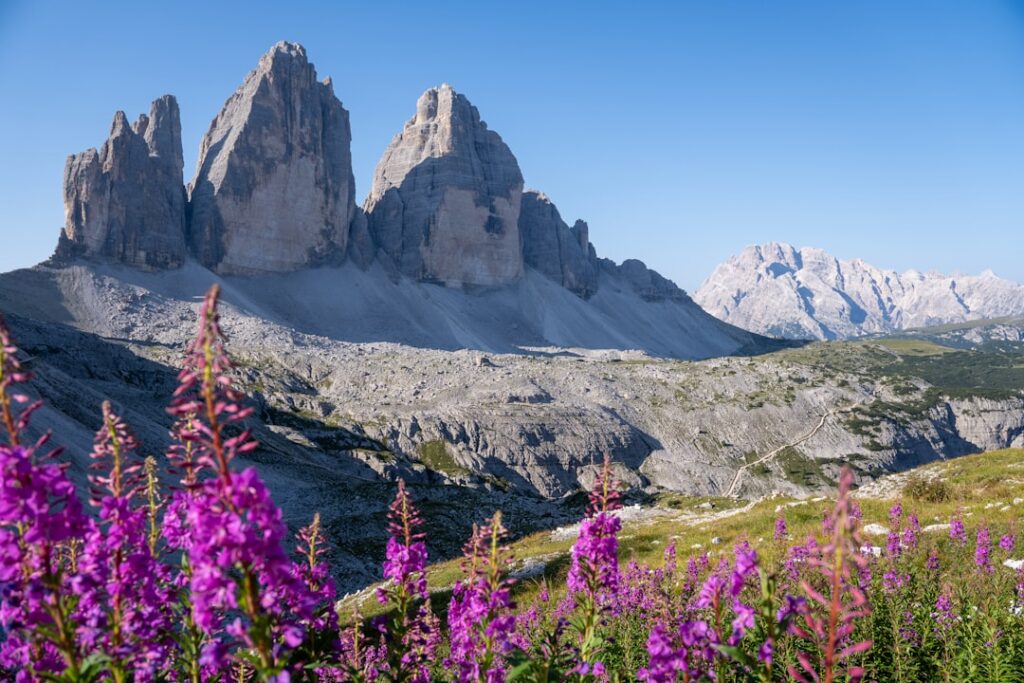
Activities: from San Candido drive toward Rifugio Auronzo to reach the Tre Cime di Lavaredo — one of the most photographed panoramas in the Dolomites. Parking at Rifugio Auronzo (Strada Statale 48, 32041 Auronzo di Cadore, BL): parking fee about €30 for the day (can vary by season). The loop trail around the Tre Cime is a 3–4 hour hike, free but requires sturdy shoes and water. For cultural interest, the Museum Ladin Ursus ladinicus in San Cassiano presents Ladin history and culture (address and hours vary; entry about €5–10) — check local opening times.
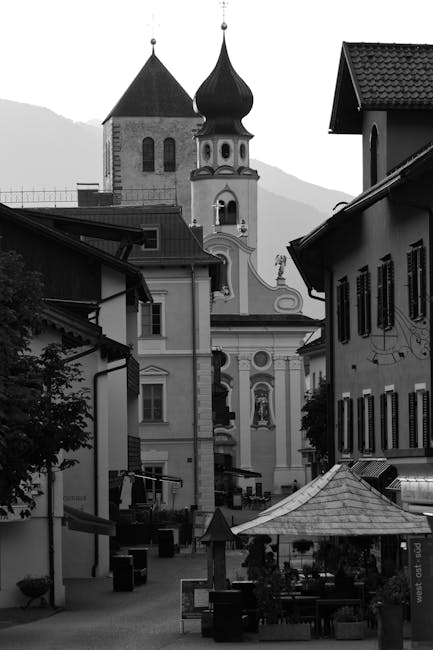
Practical tips: the road to the Tre Cime may be closed at certain times or due to weather — check before you go. San Candido’s Piazza Municipio hosts seasonal markets where you can buy local cheeses, speck and gingerbread; budget €5–15 per tasty souvenir. Accommodation ranges from family-run B&Bs to traditional hotels — book early for summer weekends. In winter the valley is a renowned cross-country skiing spot — ski rental costs around €15–30 / day depending on equipment.
Santa Maddalena (St. Magdalena) in Val di Funes and Canazei — Pastoral calm and access to the Pordoi
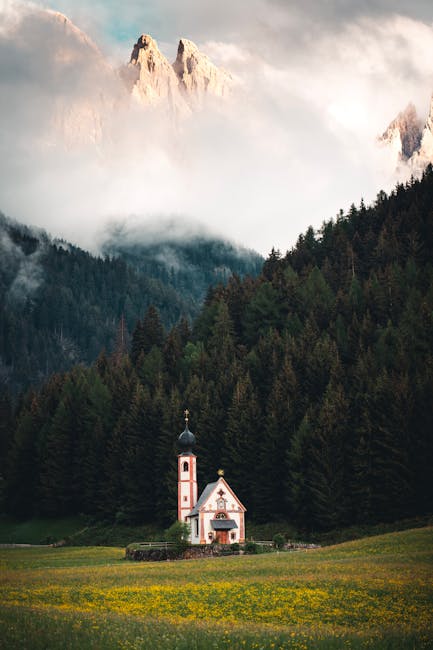
Santa Maddalena (St. Magdalena) is an iconic hamlet in Val di Funes, famous for the small Church of St. Magdalena with the dramatic Geisler (Odle) peaks in the background. Church address: Chiesa di Santa Maddalena, Via Santa Maddalena, 39040 Funes (BZ). Hours: the little church is often accessible in the morning and late afternoon; Sunday services usually at 09:30. Access is free and the viewpoint is a magnet for sunrise photographers. It’s a perfect spot for a contemplative pause and for easy walks around the hamlet.
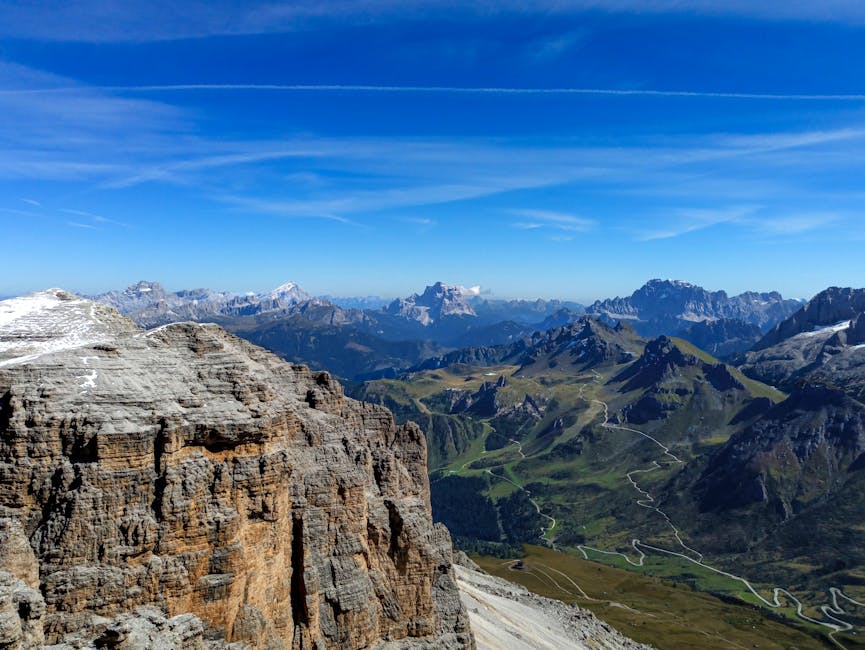
Canazei, in Val di Fassa (Trentino), is the other key stop if your road trip heads toward Passo Pordoi and the Sella. Tourist office: Ufficio Informazioni e Accoglienza Turistica Canazei, Via Dolomites 1, 38032 Canazei (TN). Hours: 08:30–18:00 in high season; free entry. Drive up to Passo Pordoi (SS48) and take the cable car or funicular (Funivia Sass Pordoi, Piazzale Funivia, 38036 Livinallongo del Col di Lana): hours often 08:30–16:30, round-trip fares around €25–35. From the summit you’ll get spectacular views of the Marmolada and the Sella, plus mountain huts serving soup and canederli (mains €10–18).
Practical tips: for Santa Maddalena, arrive early to avoid tourist buses and capture soft morning light; the small parking at the bottom of the hamlet is free but limited. In Canazei several lots (Parcheggio Canazei Sud, Via Dolomites) offer daily rates €5–12; the resort is also served by regional buses. If you plan to hike around Pordoi, bring a map and poles — some routes are exposed and require caution. For an edible souvenir, buy formaggio di malga (alpine hut cheese) at local markets, priced around €8–18 / kg depending on aging.
Final logistical tips for a successful road trip
- Fuel and tolls: Budget for fuel (depends on vehicle) and check for restricted traffic zones (ZTL) in town centers; avoid entering these areas without authorization to prevent fines.
- Equipment: Winter tires from November to April, first-aid kit, layered clothing, a paper map as a backup to GPS.
- Local respect: The Dolomites are fragile — stick to marked trails, take your rubbish with you and respect quiet hours in villages at night.
- Booking: In high season (July–August, Christmas–New Year), reserve accommodation and activities (cable cars, refuges) several weeks in advance.
Conclusion — Between villages and mountains: what you’ll take away from a Dolomites road trip
A road trip focused on the Dolomites’ must-visit villages is an invitation to slow down. Each stop — Cortina d’Ampezzo with its elegance, Ortisei and its craftsmanship, Selva with trails to the Sassolungo, San Candido near the Tre Cime, Santa Maddalena and its picture-perfect chapel, Canazei and the legendary passes — combines into a sensory album of stone, carved wood, mountain aromas and vertiginous horizons. Over the kilometers you’ll discover cultural diversity: Italian, German and Ladin languages, and valley-specific culinary and craft traditions.
Practically speaking, you’ll leave with concrete tips: where to park without stress, which refuges avoid queues, the best times to catch sunrise crowds, and how to plan your visit around the weather. You’ll also have a handful of precise addresses — tourist offices, churches and museums — and a rough budget idea (museum entries €5–15, parking €1–30, cable cars €15–35) to help plan. More importantly, this road trip gives you the chance to slow down, hear locals’ stories, taste local recipes and enjoy quiet moments facing Dolomite spires.
Lastly, remember that traveling in the Dolomites means committing to care for a sensitive environment. Pack out your trash, support local small businesses and leave trails as you found them. With this guide and these addresses you’re ready to map your route, tweak stops to match your interests, and be surprised by villages that are gateways to the vastness of the Dolomites. Safe travels, and take the time to listen to the mountains.