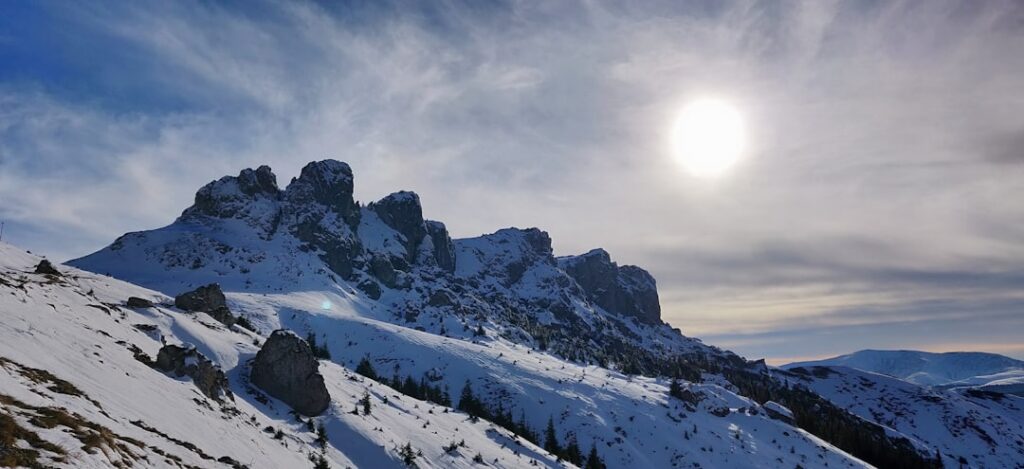






Introduction: Why the Dolomites are a sanctuary for alpine wildlife
The Dolomites, a UNESCO World Heritage site, are a maze of jagged ridges, flower-filled valleys and high-altitude lakes where alpine wildlife thrives. Stretching across the Triveneto and the high plateaus of South Tyrol, these limestone ranges host a variety of micro-habitats — scree slopes, conifer forests, alpine meadows and lingering snowfields — that support an impressive array of species: chamois (Rupicapra rupicapra), ibex (Capra ibex), alpine marmots (Marmota marmota), ptarmigan, golden eagles (Aquila chrysaetos) and a host of mountain songbirds. Seeing these animals in the wild takes time, respect and picking routes that suit the seasons and the best observation times.
The Dolomites’ roads and trails serve as natural viewing platforms: some passes have accessible viewpoints reachable by car or cable car, while other routes demand hiking and patience. Scenic roads like Passo Giau, Passo Falzarego, the road to Lago di Braies and the approaches to the Tre Cime di Lavaredo aren’t just postcard spots — they also act as wildlife corridors and prime lookout points. In the morning at dawn, mammals emerge to feed; at dusk, rodents and ungulates sometimes descend to forest edges. For the responsible visitor, understanding seasonal habits — for example young ibex near limestone ridges in summer or chamois retreating to sheltered slopes in winter — is key to a respectful wildlife safari.
This article lays out concrete routes and itineraries around the Dolomites, with exact access addresses, opening times, indicative prices and local practical tips to maximize your chances of wildlife encounters without disturbing animals. You’ll find family-friendly options, viewpoints reachable by car and more demanding hikes for wildlife photographers. The focus is on safety (weather conditions, proper gear), following natural park rules and best practices — like staying on marked trails, keeping a respectful distance and never feeding wildlife. Practical info also includes refuges and visitor centers to plan your outings, plus seasonal and time-of-day recommendations for observation.
Finally, watching alpine wildlife in the Dolomites is as much a sensory experience as a visual one: subtle forest sounds, marmot whistles, fleeting silhouettes on the ridgelines and unforgettable rocky panoramas. Whether you want to photograph an eagle in flight from the Passo Falzarego viewpoint or catch a family of marmots near Rifugio Nuvolau, the routes below are tried-and-tested recommendations for those who want to combine nature-watching with spectacular scenery.

Route 1: Tre Cime di Lavaredo and surroundings — trails, viewpoints and marmots
The Tre Cime di Lavaredo (Drei Zinnen) are among the Dolomites’ most iconic wildlife and landscape spots. Their accessibility from Auronzo di Cadore makes them an ideal starting point for dawn and dusk observations. Access address: Forcella Lavaredo / Rifugio Auronzo, Strada del Monte, 32041 Auronzo di Cadore BL, Italy. The Rifugio Auronzo car park (GPS coordinates often listed in local guides) is paid during high season; indicative fee: vehicle fee: around €30 per day (rates vary by year and season). The area is open 24/7, but refuges have specific hours: Rifugio Auronzo typically serves meals from 08:00 to 20:00 (check seasonality).
The popular circular trail (about a 9.6 km loop) brings you close to limestone cliffs where chamois and marmots are often reported, especially on sunlit alpine meadows in the morning. Marmots are frequently seen among the scree between Rifugio Lavaredo and Lago di Misurina; they give sharp whistles whenever hikers approach. To boost your chances: set out before sunrise or late in the day, bring a pair of 8×42 binoculars and a telephoto lens for photography. Keep your distance and avoid interactions — feeding or chasing wildlife is strictly forbidden.
Local practical tips: pack warm and windproof clothing even in summer (high winds can be sudden), carry water (fountains are rare) and wear sturdy hiking boots. If the area is crowded, park at the Parcheggio Auronzo and walk 1.5 km to the refuge; this helps reduce disturbance. For up-to-date info, contact the Centro Visite Parco Naturale Tre Cime in Auronzo di Cadore (address: Via XX Settembre 1, 32041 Auronzo di Cadore BL, opening hours vary seasonally, often 09:00–17:00, entry usually free).
 Click here to book your Tre Cime di Lavaredo tour
Click here to discover the Tre Cime refuges with a guide

Route 2: Passo Giau, Rifugio Nuvolau and Cinque Torri — chamois, eagles and airy panoramas
Passo Giau (alt. 2,236 m) is a panoramic pass reached via the SP638 between Cortina d’Ampezzo and Selva di Cadore. Practical address: Passo Giau, SP638, 32020 Cortina d’Ampezzo BL, Italy. The pass is open year-round but winter access depends on snow clearing; in summer it attracts drivers, motorcyclists and hikers. Parking near the pass is usually free but limited — aim to arrive early in high season. Nearby is the historic Rifugio Nuvolau (address: Rifugio Nuvolau, Forcella Nuvolau, 32020 Cortina d’Ampezzo BL, Italy), typically open May/June to October, usual hours 08:00–18:00; meals and drinks range roughly €8–€18.
The ridge between Passo Giau and Rifugio Nuvolau is an excellent area to spot chamois, often seen on the rocky arêtes at sunrise. Golden eagles and buzzards use the thermals along the cliffs: a hideout in the mid-morning when air currents pick up gives good chances to see raptors in flight. The plateau around Passo Giau also hosts lush meadows where ibex mothers and their young sometimes graze in spring and summer.
For photography, evening light sculpts dramatic shapes on the faces: settle in near the refuge or at the marked viewpoints. Watch the weather — conditions can change fast — bring a windbreaker and check alpine forecasts (local services or the Cortina d’Ampezzo tourist office). Local tips: stick to marked trails, don’t enter fenced-off areas used for bird breeding, and avoid wandering off-path in spring, the sensitive nesting season.
Click here to join a guided loop at Passo Giau
Click here to take a guided hike to the Cinque Torri
Route 3: Marmolada, Passo Fedaia and the glacier — ibex, crows and subalpine species
Marmolada, the highest peak in the Dolomites, and Passo Fedaia create a striking contrast between glaciers, moraines and alpine pastures where wildlife adapts to harsh conditions. Access address: Passo Fedaia, SP641, 32020 Rocca Pietore BL, Italy (near Lago Fedaia). The Ghiacciaio della Marmolada and the World War I museum along the road are points of interest: the Museo della Grande Guerra Marmolada at Passo Fedaia has seasonal opening hours (generally 09:00–17:00 in summer) and an indicative entrance fee of about €5–€8.
The steep slopes and limestone boulders of Marmolada sometimes host ibex, recognizable by their sturdy build and curved horns. Corvids (crows, Alpine choughs) are ubiquitous, adding a distinctive soundscape — their calls echo across the snowfields. The shores of Lago Fedaia make good photo hides for capturing the massif’s reflection at sunrise — a quiet time when wildlife may come to drink.
Precautions: because of the glacier and snowfields, wear good boots and consider crampons if you leave the marked trails. Refuges and cable cars (for instance the Marmolada cable car from Malga Ciapela) run on set schedules: the lift is often open June–September, roughly 08:30–17:00 (check official sites for current seasons); cable car fares typically range from €20 to €30 return. Respect glacier-area regulations and follow information signs for your safety.

Route 4: Lago di Braies, Puster Valley and alpine forests — birds, ptarmigan and small ungulates
Lago di Braies (Pragser Wildsee) is one of the Dolomites’ most famous and visited alpine lakes. Address: Lago di Braies, Str. del Lago, 39030 Braies (BZ), Italy. Parking (P1) is paid in high season; indicative fees: car €10–€20 per day, with shuttles sometimes running from the village. The site is accessible year-round but boat rentals and parking rules vary by season: boat hire is generally 09:00–18:00, roughly €18–€30 for 30–60 minutes depending on season.
A dawn walk around the lake offers the calmest air and good chances to spot water birds and forest passerines. Further into the Puster Valley and surrounding woods, trails that open into clearings are prime for finding ptarmigan (in season), jays and occasionally roe deer. Unlike the high passes, these wooded areas require stealth and patience: silence pays off. Wildlife photographers often use lightweight hides or portable blinds to approach animals without stressing them.
Local tips: to avoid crowds at Lago di Braies, arrive before 08:00 in summer or choose quieter months (May–June, September). Bring binoculars and an Alpine bird guide; local tourist offices (e.g. Ufficio Turistico – Comune di Braies, address: Via Plan de Corones 1, 39030 Braies) provide maps and route recommendations. Respect no-swim rules and private areas, and don’t fly drones without authorization in protected zones.
Click here to join a yoga and hike session at the lake
Click here to book a day trip to Braies from Venice

Conclusion: Plan for respectful and successful nature tourism
Spotting alpine wildlife in the Dolomites is a rewarding experience that requires preparation, respect and flexibility. Choosing the right routes — Tre Cime di Lavaredo, Passo Giau and Rifugio Nuvolau, Marmolada and Passo Fedaia, Lago di Braies and the forested valleys — greatly increases your chances of genuine encounters. But success isn’t just about the number of photos: it’s about the quality of observations, the well-being of animals and preserving habitats. Arrive early or late in the day, bring binoculars and a telephoto lens, check in with local visitor centers (for example the Centro Visite Parco Naturale Tre Cime in Auronzo, Ufficio Turistico – Cortina d’Ampezzo, or the Braies tourist office) and follow site regulations.
A few golden rules to remember: stay on marked trails, keep a comfortable distance and avoid interacting with wildlife (no feeding or calling animals), minimize noise, and respect sensitive periods (nesting season and spring). Always verify refuge and lift hours and prices — they change with the season and weather — and have backup plans for bad weather. Also consider logistics (paid parking, local shuttles, boat rentals) and mountain emergency services if you head onto more demanding routes.
Finally, adopt a responsible approach: travel with local guides if you’re new to wildlife watching, support refuges and small local businesses for sustainable tourism, and if you’re a photographer respect etiquette (no flash, no aggressive approaches). The Dolomites offer genuine moments of wonder, from chamois silhouettes on ridgelines at dawn to whistling marmots in the meadows; plan smart, respect nature and bring home memories and images that leave no trace on the landscape.