





Introduction — Planning an unforgettable, budget-friendly bike trip in the Dolomites
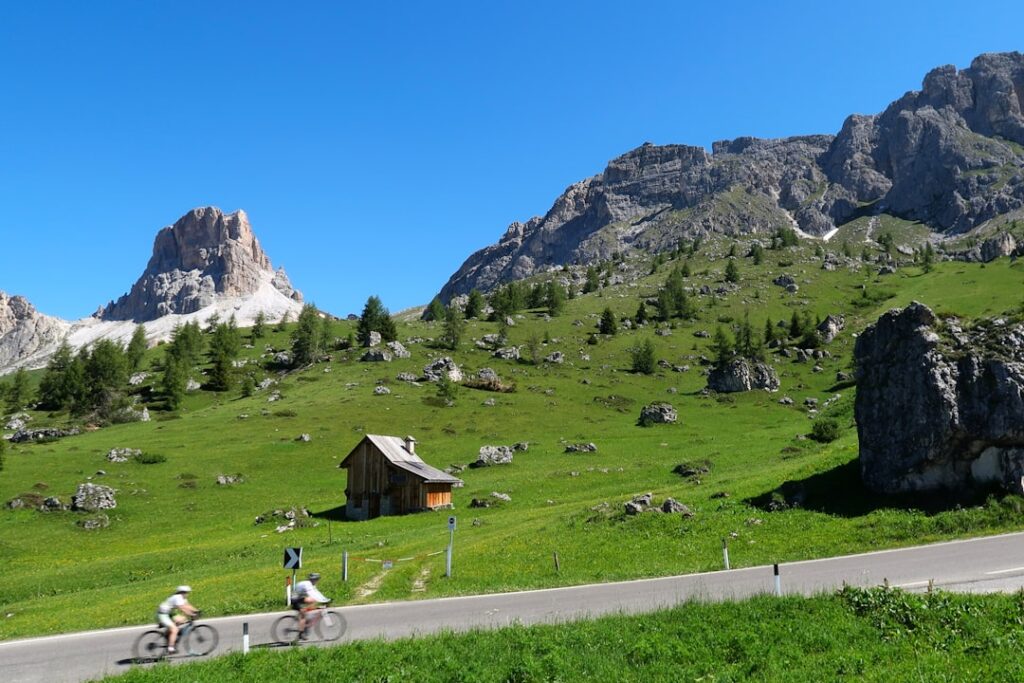
Heading out on a bike trip through the Dolomites means plunging into a world of ochre cliffs, sculpted mountain passes and alpine lakes with almost unreal clarity. But between transport, gear rental, accommodation and unexpected costs, a trip can quickly add up. This article’s goal is straightforward: give you practical, verifiable, and actionable tips to significantly cut the cost of a Dolomites bike trip without sacrificing the experience. Whether you’re planning a week tackling legendary passes like Passo Sella and Passo Gardena, a loop around Lago di Braies (Pragser Wildsee), or easier days from Cortina d’Ampezzo, these suggestions work for all levels.
We’ll cover seasonal planning, the cheapest ways to get you and your bike there, budget accommodation options (camping, mountain huts, agriturismi), bike rental and maintenance, free or low-cost routes, plus tips for food and kit. You’ll also find practical info on iconic spots with addresses, typical opening hours and usual prices to help you budget accurately. The Dolomites have varied infrastructure—cable cars, public buses, rifugi (mountain huts), and a network of cycle tracks and rideable trails—which can make for a very affordable trip if you know where to look.
Finally, we’ll focus on safety and maintenance to avoid surprise expenses: where to find local workshops, spare parts that are easy to carry, and the rules for riding on roads and trails. Follow these tips and you can turn that alpine road dream into reality without breaking the bank, while enjoying views from Passo Pordoi, the historic villages of Val Gardena (Ortisei / St. Ulrich, Sëlva / Selva di Val Gardena), and legendary lakes like Lago di Braies. Save money primarily by planning carefully and creatively.
Seasonal planning and transport: when to come and how to save
The best value for a bike trip in the Dolomites is usually in May–June and September–October. These windows offer lower accommodation prices than peak season (July–August), fewer queues at cable cars and often stable weather with roads still rideable. Keep in mind that some passes—like Passo Pordoi (Strada del Fedaia) and Passo Giau—can retain snow late into spring; always check road openings before you go.
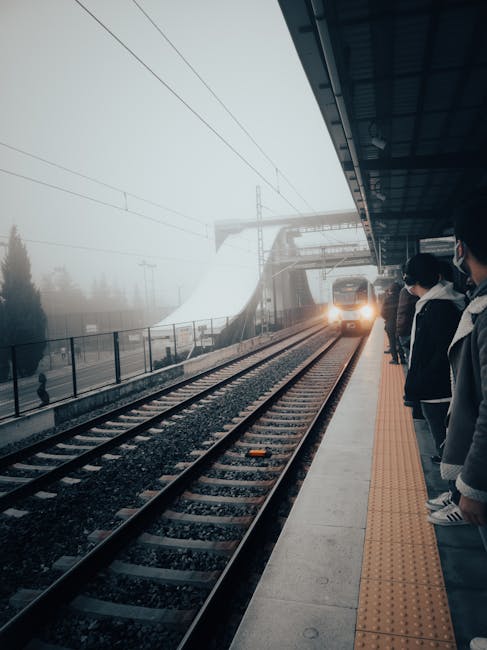
To reach the Dolomites cheaply from France, northern Italy or central Europe, combine train and bus. Trenitalia and ÖBB/Italo serve Bolzano/Bozen (Piazza della Stazione, 39100 Bolzano BZ), Cortina d’Ampezzo (direct buses from Dobbiaco/Toblach) and other nearby towns. Practical example: take a train to Fortezza/Franzensfeste (Piazza Stazione, 39045 Fortezza BZ) then a regional SAD or DolomitiBus to your starting point. Typical prices: regional train ticket €15–40 depending on route, regional bus €3–10 per trip. To transport a bike, regional trains often require a bike reservation (€3–5) or a supplement (€6–9); check which carriages accept bikes and the timetables.
If you’re driving, carpooling (BlaBlaCar) can cut transport costs by up to 50%. Parking in villages can be charged: in Cortina d’Ampezzo the public parking « Parcheggio Centro » (Via Cesare Battisti, 32043 Cortina d’Ampezzo BL) is around €1–2 / hour depending on season—favor free peripheral lots or park-and-ride areas with shuttle service. Also look for bike-friendly shuttle buses: many regional lines accept bikes for free outside high season or for a small fee (€3–5).
Smart accommodation: mountain huts, agriturismi and campsites to keep costs low
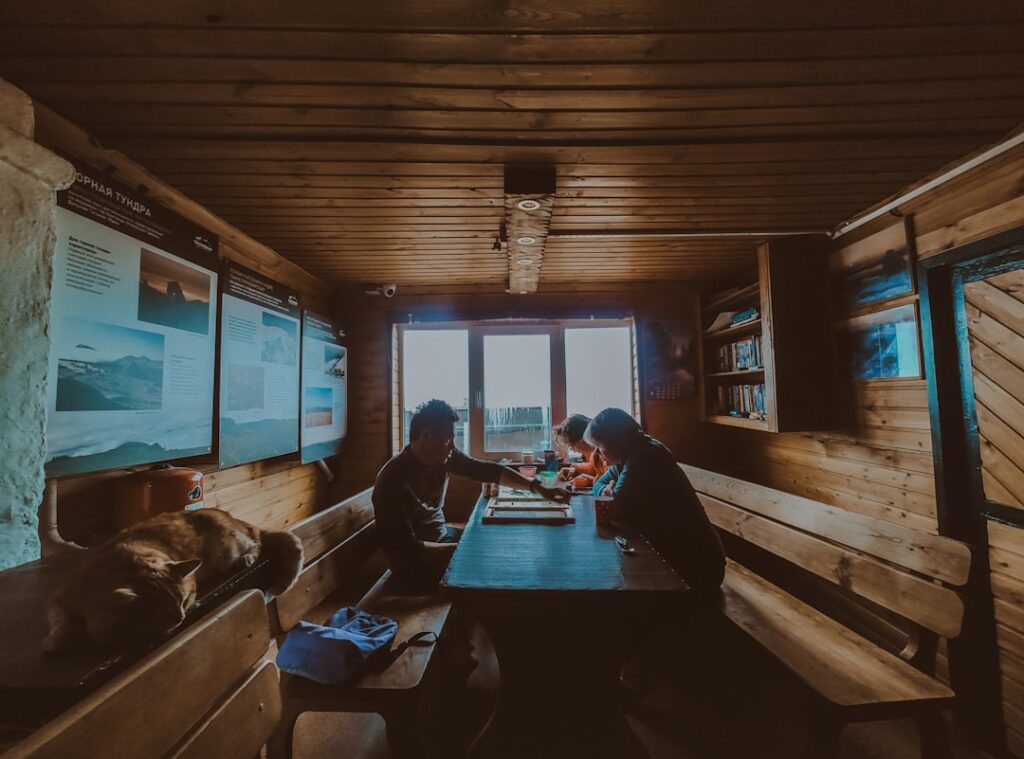
Picking the right place to sleep is crucial for your budget. Affordable options in the Dolomites include mountain huts (rifugi), agritourismi, B&Bs and campsites. Sleeping in a rifugio can be an authentic and economical experience: for example Rifugio Auronzo (Rifugio Auronzo, Strada per Lavaredo, 1, 32041 Auronzo di Cadore BL) at the foot of the Tre Cime di Lavaredo offers dorm beds from roughly €28–35 per night and half-board around €35–45 per person depending on season. Opening times vary, often 07:00–22:00; check closures outside the main season.
Agriturismi often include breakfast and let you buy local produce at reasonable prices. Example: Agriturismo Prackfol (Via Reiperting, 10, 39030 Ortisei Selva Val Gardena? — confirm exact location before booking) offers rooms from about €50–70 a night. Campsites, such as Camping Olympia (Via Roma, 36, 39036 La Val / Wengen), may charge €10–20 per person plus a tent pitch (€5–10); they usually have communal kitchens so you can cook and cut food costs.
Budget tip: prioritize places with a kitchen or half-board to reduce food expenses. Booking directly via a website or phone can avoid platform commissions. Also compile a list of local bike shops (e.g. Bike & Rental Dolomites, Via Plan de Gralba 10, 39047 Selva di Val Gardena) so you’re not forced into expensive emergency services if something goes wrong.
Bike rental, maintenance and gear: save without sacrificing safety
Rental: hiring a bike on-site can be cheaper than bringing a high-end bike, especially if you’re flying. Expect rental rates of €25–60 / day for a quality MTB or gravel bike, and €60–120 / day for a high-end road bike. Examples: bike rental « Rent a Bike Cortina » (Corso Italia, 37, 32043 Cortina d’Ampezzo BL) offers MTB from €30 / day and e-bikes from €60 / day. Check brakes, tires and drivetrain before you ride to avoid extra charges.
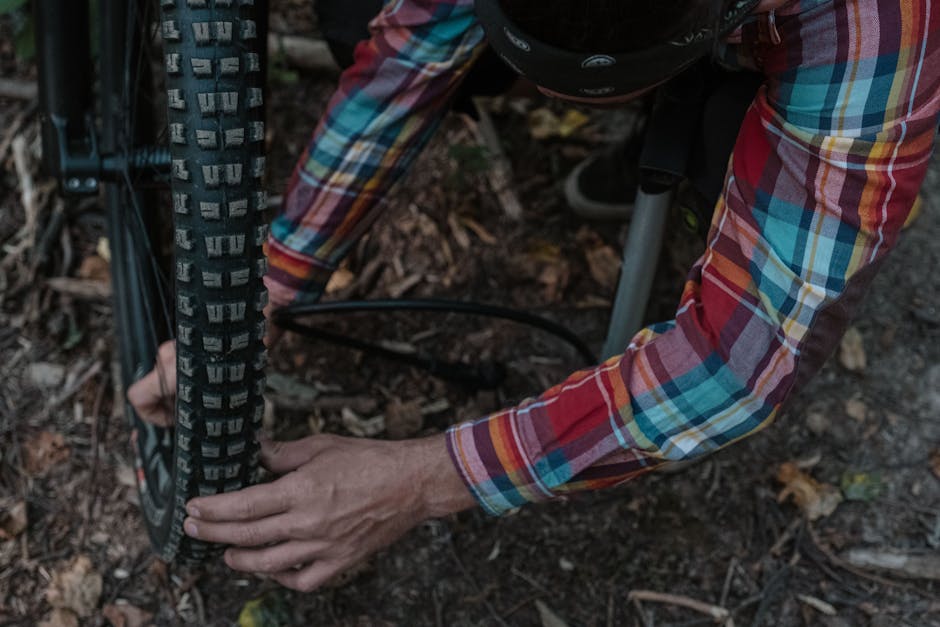
Maintenance: bring a lightweight repair kit (pump, spare tube, tire levers, multi-tool), a spare chain link or quick link and a CO2 cartridge. A tune-up at a local shop on arrival typically costs €15–35; more involved repairs (brake pads, tire replacement) run €20–50 depending on parts. Knowing nearby shops helps—e.g. Ciclo Service (Via Santa Caterina, 2, 39100 Bolzano BZ) provides fast service and spare parts.
Gear: opt for versatile clothing (windbreaker, technical layers) rather than expensive niche pieces. Renting a GPS or using free apps (Komoot, Ride with GPS) avoids buying an expensive device. For e-bikes, check battery capacity (range 60–120 km depending on elevation) and negotiate a longer-term rental discount (often around 10% for more than 3 days).
Low-cost routes, free attractions and food tips
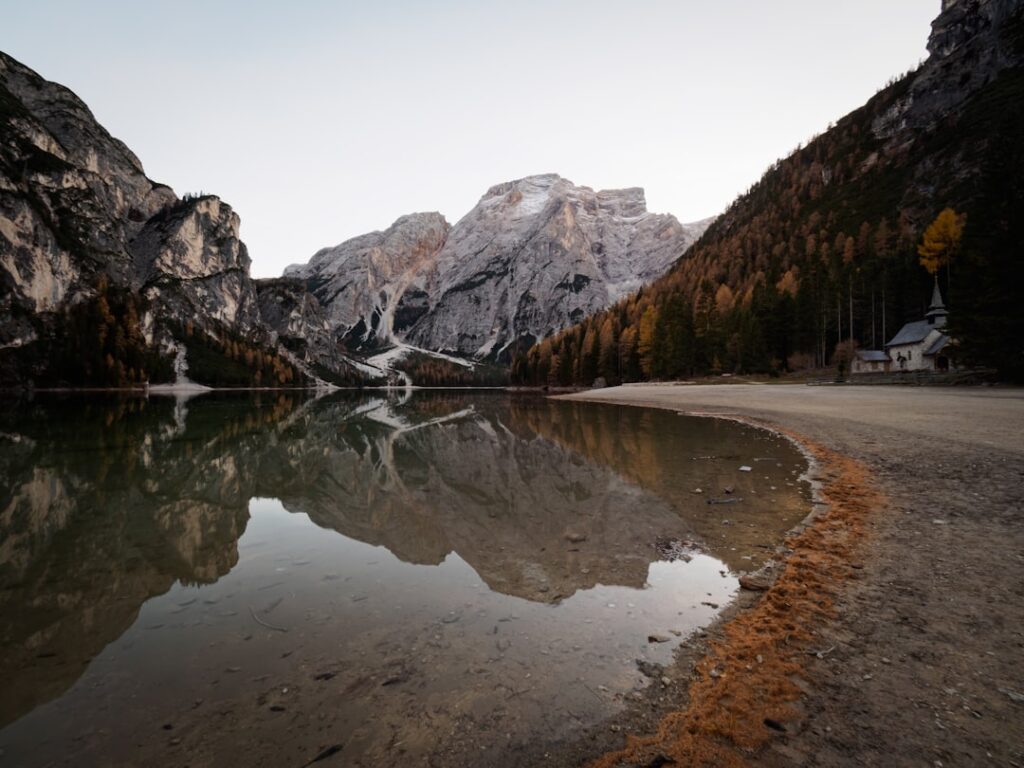
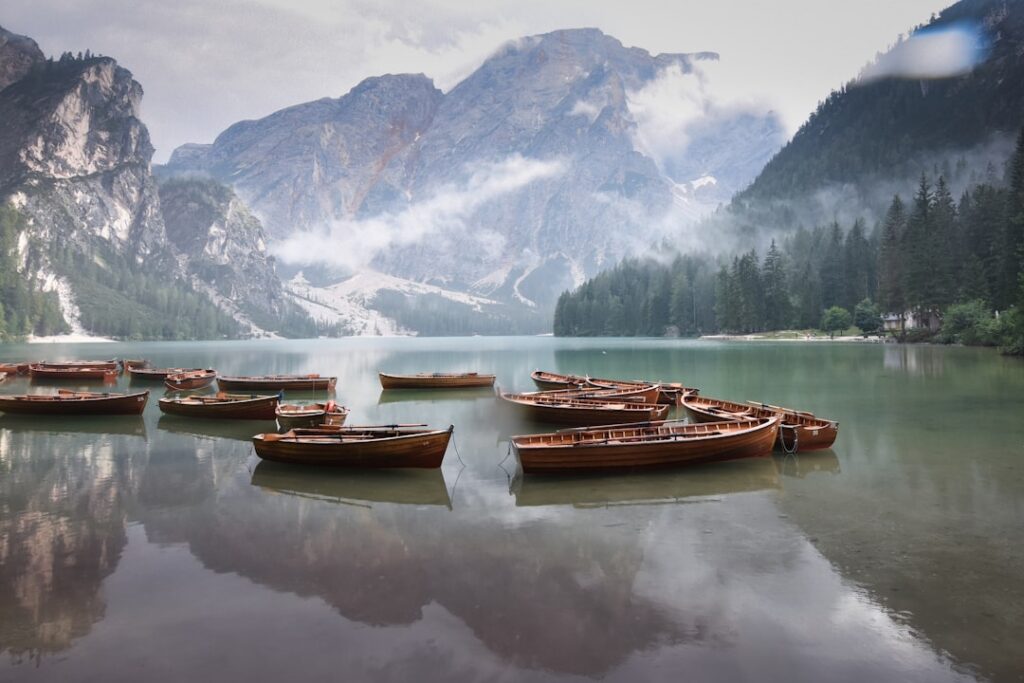
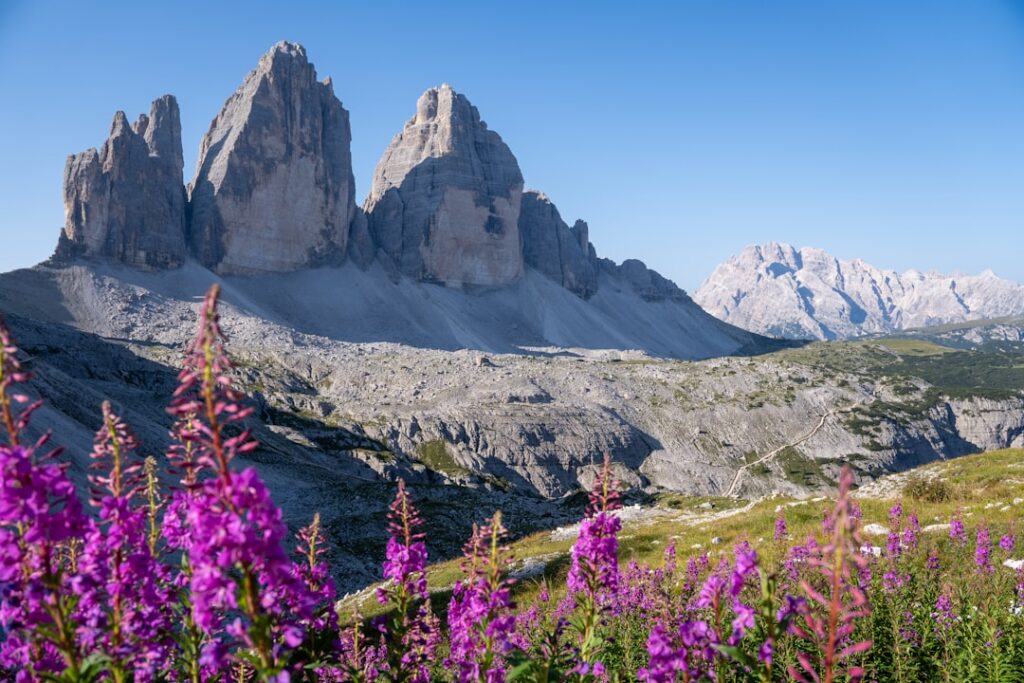
Many spectacular routes in the Dolomites are free and doable without a guide. Must-rides include the loop around Passo Sella (Passo Sella, 39048 Selva di Val Gardena BZ / Passo Gardena nearby), the historic climb to Passo Pordoi (Strada del Pordoi), the stroll along Lago di Braies (Pragser Wildsee, 39034 Braies BR) and the panoramic Tre Cime di Lavaredo road from Auronzo (Rifugio Auronzo, Strada per Lavaredo, 1, 32041 Auronzo di Cadore BL). These routes don’t require an entrance fee; only a few car parks and rifugi charge (Lago di Braies parking ~ €6–8 / day in summer; trail access is free).
Paid attractions worth considering: Museo Marmolada Grande Guerra (Museo della Grande Guerra sulla Marmolada, Punta Rocca area) or cable cars (e.g. Funivia Marmolada from Malga Ciapela to Punta Rocca, Malga Ciapela, 32020 Rocca Pietore BL, cable car fare roughly €20–30 round trip). Use these selectively to manage your budget and favor panoramas you can reach by bike. Cable car hours vary—generally 08:30–17:00 in summer—so check locally before heading out.
Food: buy local produce at supermarkets (Spar, Coop) and make picnic lunches—a major saving. Example costs: bread €1.50–3, local cheeses €6–12 / kg, cured meats €10–20 / kg. Rifugi serve hearty meals (rifugio menu €12–22)—perfect for a special evening. Tip: have a big breakfast, picnic at lunch, and dine at a rifugio once or twice for the experience without overspending.
Safety, insurance and final local tips
Prevention prevents unexpected costs. Buy travel insurance that covers your bike (repatriation, theft, damage); short-term plans range €15–50 depending on coverage. In Italy, helmets are strongly recommended (mandatory for under-14s in some regions); budget an approved helmet (EN 1078) from €40–120 or rent one for €3–6 / day. Also pack a small first-aid kit and a local SIM card for your phone (TIM, Vodafone; prepaid plans €10–20 for a few days).
Local rules and environmental respect: avoid riding off marked trails in protected areas (Parco Naturale Dolomiti d’Ampezzo, Parco Naturale Puez-Odle) to avoid fines. Respect pass signage (e.g. Passo Giau, 32020 Cortina d’Ampezzo BL) and any access time restrictions. In bad weather, descend safely and use refuges or local buses. Finally, haggle for long-term rentals, book directly when possible and compare prices; a friendly email or call can often lower the bill.
Conclusion — Travel smart to fully enjoy the Dolomites by bike
The Dolomites are an exceptional playground for cyclists, from legendary passes to peaceful valley trails. With careful planning—season choice, transport, accommodation, bike rental and route selection—you can have a rich, affordable alpine experience. Keys to saving include flexible dates (May–June or September), combining train and bus, choosing budget-friendly lodging (rifugi, agriturismi, campsites), knowing local bike shops, and balancing self-catered meals with occasional rifugio dinners for authenticity without overspending.
Invest in a small repair kit and suitable insurance to avoid large unexpected bills. Take advantage of free routes and natural parks while respecting local regulations and the environment. Keep useful contacts handy (tourist offices, bike shops, rifugi): Office Turistico Cortina d’Ampezzo (Corso Italia, 37, 32043 Cortina d’Ampezzo BL, typically open 09:00–18:00 in season, tel 0436 8686), the Val Gardena tourist office (Via Roma, 1, 39047 Ortisei / St. Ulrich) can help tweak your route and find local deals.
Apply these tips and you’ll cut costs without losing what matters most: the freedom to pedal through unique landscapes, discovering villages like Selva di Val Gardena (Wolkenstein), Ortisei (St. Ulrich) and Auronzo di Cadore, and the simple joy of a sunset on the dolomitic cliffs. Safe travels—ride carefully and savor every climb: the views are worth the effort, and with a little savvy, they don’t have to cost a fortune.