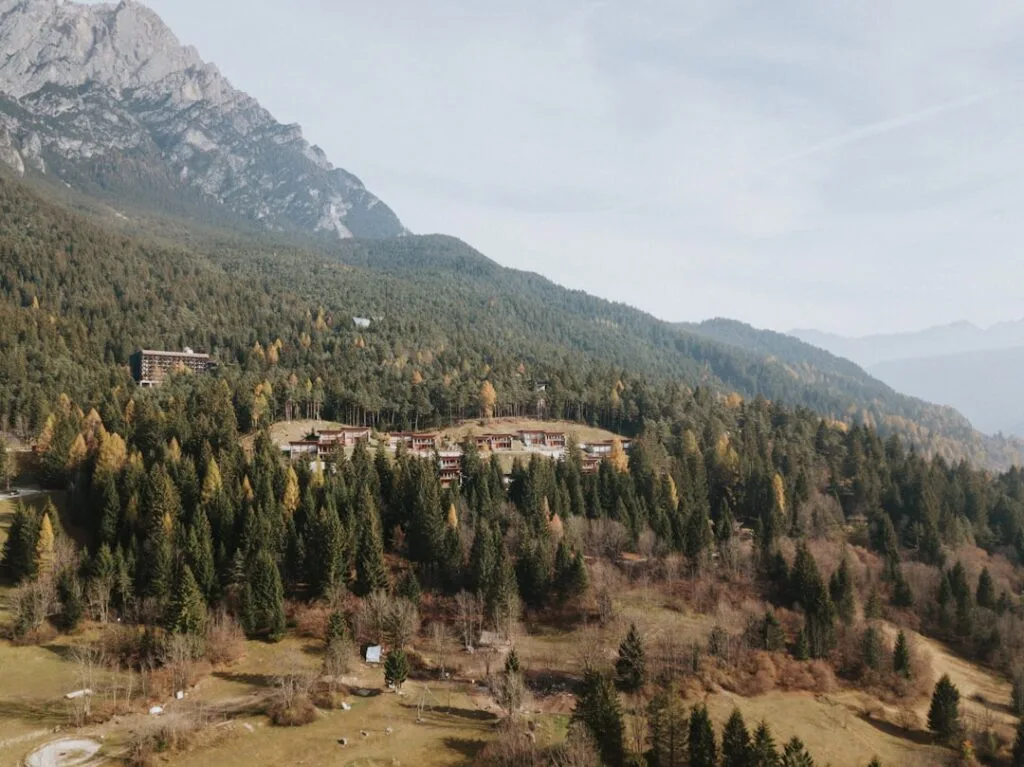






Introduction: Cycling Between Villages in the Dolomites
The Dolomites, a UNESCO World Heritage site, are an unrivaled playground for cyclists: dramatic passes, panoramic roads lined with alpine meadows, and stone villages where time seems to slow down. Choosing to bike from Cortina d’Ampezzo to Ortisei, ride down to Lago di Braies, or cross the Val Badia means immersing yourself in a landscape where pale rock faces meet slate roofs. Every pedal stroke brings you closer not only to spectacular views but also to local encounters — bakers, shepherds, woodworkers — and Tyrolean cuisine: cheeses, speck, canederli and polenta.
Cycling here takes many forms: mountain biking on forest tracks and alpine pastures, gravel on compact trails, or road cycling for tackling legendary passes like Passo Pordoi and Passo Sella. Village-to-village routes are designed to be flexible — you can include train or cable car segments to cut the challenge, or push for a long day linking Arabba to Corvara. The dense cycling network suits families and hardcore bike tourists alike: some easy paths follow rivers and cross meadows, while others cling to rocky slopes with cliffside views of the Dolomites’ jagged spires.
Logistics are part of the experience: knowing where to rent an e-bike in Selva di Val Gardena, the schedules of lifts that carry bikes, or which refuges stay open out of season. In this guide I offer practical, on-the-ground advice to plan your rides between Dolomite villages: recommended itineraries, useful contacts (tourist offices, rental shops, refuges), indicative prices in euros, opening hours and local tips to make each stage more enjoyable. Whether you have a day, a weekend or a week, this information will help you plan memorable legs while respecting the fragile environment.
 Click here to book a one-way transfer to Cortina d’Ampezzo
Click here to reserve an express airport bus to Cortina
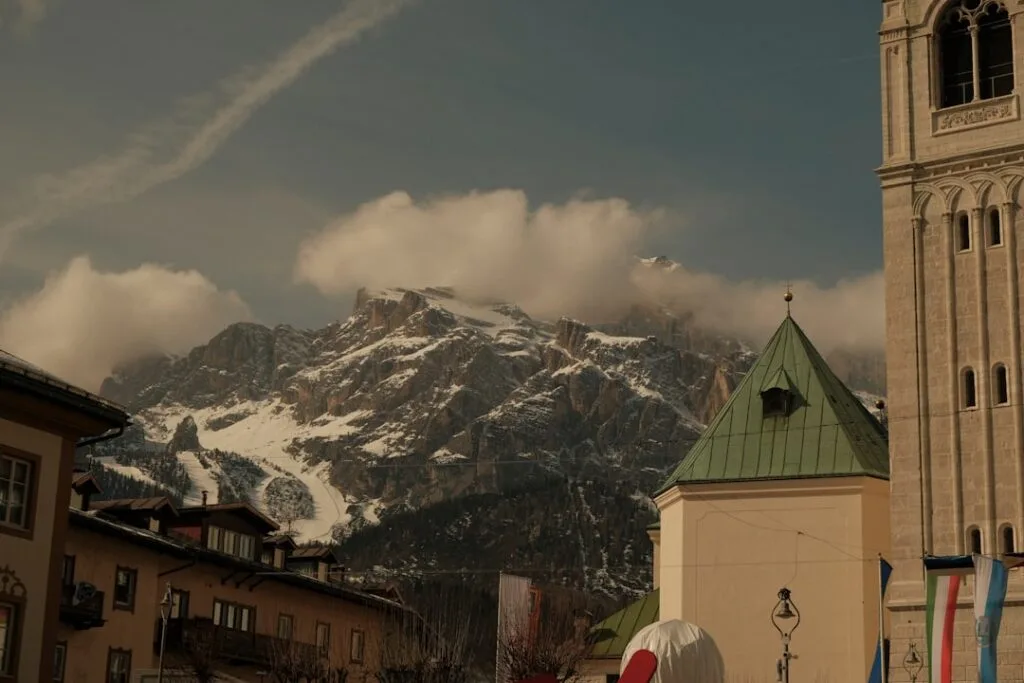
Signature Routes: From Cortina d’Ampezzo to Lago di Braies
One of the classic routes links Cortina d’Ampezzo → San Cassiano → Corvara → Selva di Val Gardena → Lago di Braies and mixes paved roads with bike-path sections where the scenery shifts around every corner. Start in Cortina d’Ampezzo (Ufficio Informazioni Turistiche, Via Cesare Battisti 1, 32043 Cortina d’Ampezzo BL, Italy): the tourist office is usually open Monday to Saturday from 9:00 to 18:00, and Sunday from 9:00 to 12:30. You can pick up maps, GPS tracks and weather advice there. The first stretch to San Cassiano is a gentle warm-up of 25 to 35 km depending on the route, crossing Pra’ del Fascia and pretty villages like La Villa.
Continuing toward Corvara (P.zza S. Stefano, 1, 39033 Corvara in Badia BZ, Italy) you can join the famous Sellaronda loop (clockwise or counterclockwise). The Sellaronda is roughly 58 km with 1,400 to 1,800 m of elevation gain depending on the variant: it’s a full-day challenge for fit cyclists. If you’d rather avoid the steepest climbs, the Colfosco cable car (funivia Colfosco, Via Plan, 63, 39033 Corvara) sometimes carries bikes off-season — check local info for schedules and conditions. Around halfway, a stop in San Cassiano or La Villa for a cappuccino and canederli will top up your energy.
The final descent to Lago di Braies (Lago di Braies, 39030 Braies (BZ), Italy) follows quiet secondary roads and the lake is a well-earned visual reward. Access to the lake is free, but parking (public parking area, Via Lago 1) usually costs €6–10 per day in high season. The walk around the lake is 3.5 km and makes a perfect break after a day on the bike. Note: in summer the area is very busy between 9:00 and 16:00, so it’s best to set off early or ride late in the afternoon.
Click here to book a day trip to Lago di Braies from Venice
Click here to book a private day tour of the Dolomite lakes
Three Recommended Routes by Ability
To help you build your trip, here are three concrete options with distances, addresses and practical info. Each route can be adapted with public transport or lifts to lower the difficulty.
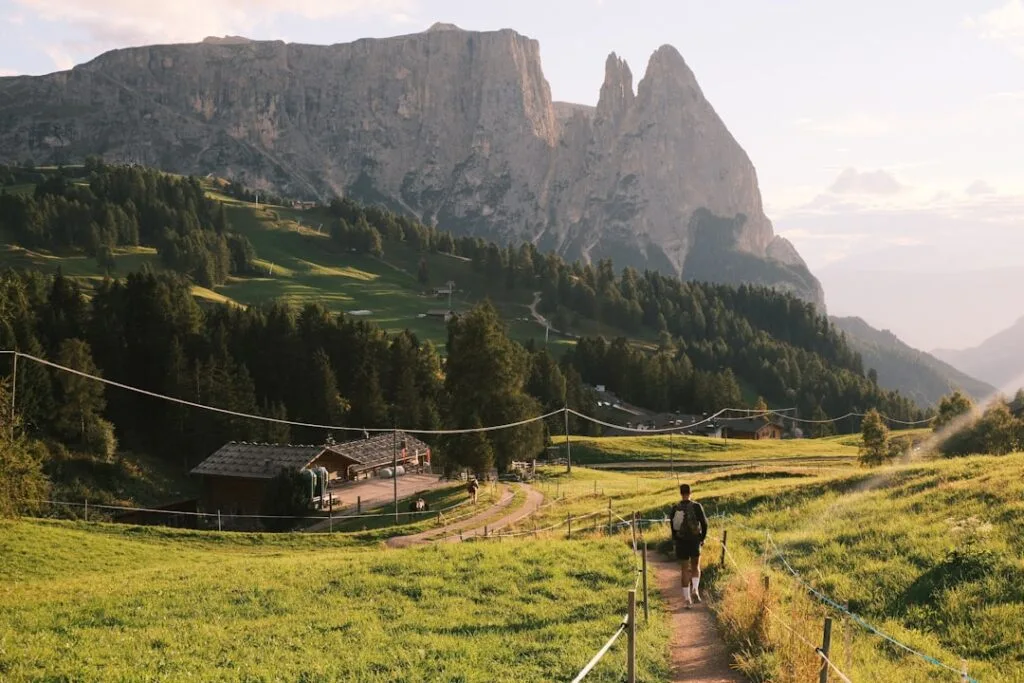
1) Family Route: Ortisei → Alpe di Siusi
Distance: ~18–22 km round trip. Start in Ortisei (Ufficio Turistico Ortisei, Via Sasslong 2, 39046 Ortisei BZ, Italy) open from 9:00 to 17:30. Take the easy bike path toward Siusi allo Sciliar (Alpe di Siusi) through the Val Gardena. Alpe di Siusi is a vast grassy plateau, perfect for breaks and for kids to run around. The Ortisei–Alpe di Siusi cable car (Funivia Seceda/Alpe di Siusi, Via Rasciesa 77, Ortisei) also carries bikes depending on the season; cable car prices: one-way €10–14 per person, bike supplement €3–6.
2) Sport Route: Arabba → Passo Pordoi → Canazei
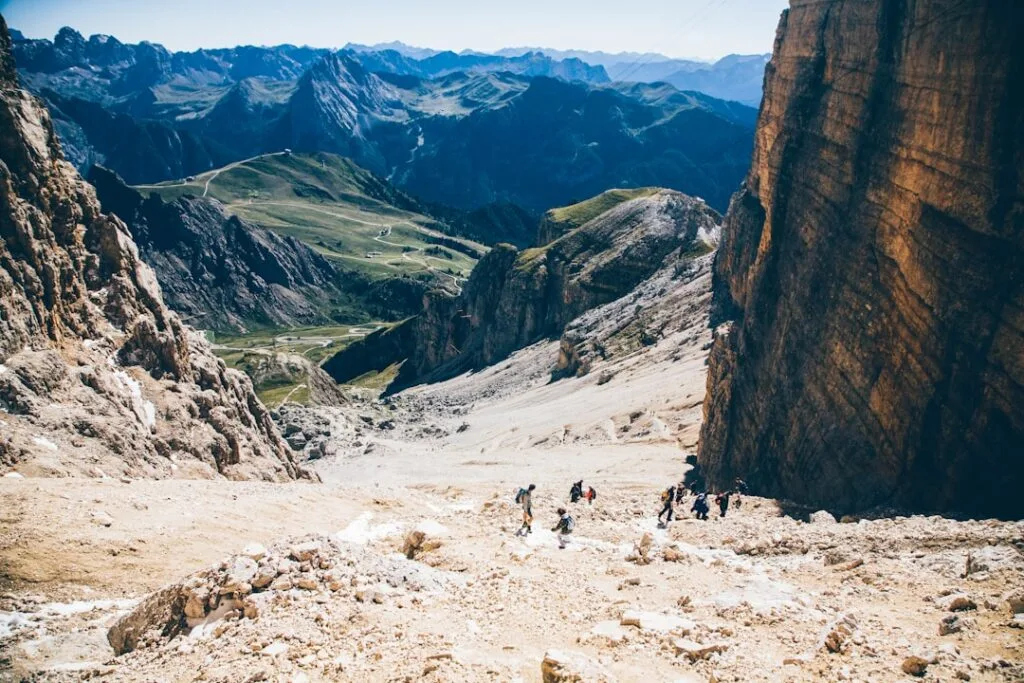
Distance: ~35–45 km depending on the variant. Start in Arabba (Ufficio Turistico Arabba, Piazza Fodom 9, 32020 Arabba BL, Italy) open 8:30–17:00. Climb to Passo Pordoi (2,239 m) via the SS48: the ascent is demanding but incredibly scenic. The Rifugio Fodom (located on the road, Strada del Fodom, 9) serves food: hot dishes €12–18, often open from 8:00 to 20:00 in season. The descent to Canazei reveals striking views of the Marmolada. Watch for traffic in high season; helmets and high visibility are recommended.
3) Gravel Route: Val di Funes → Santa Maddalena → Sesto
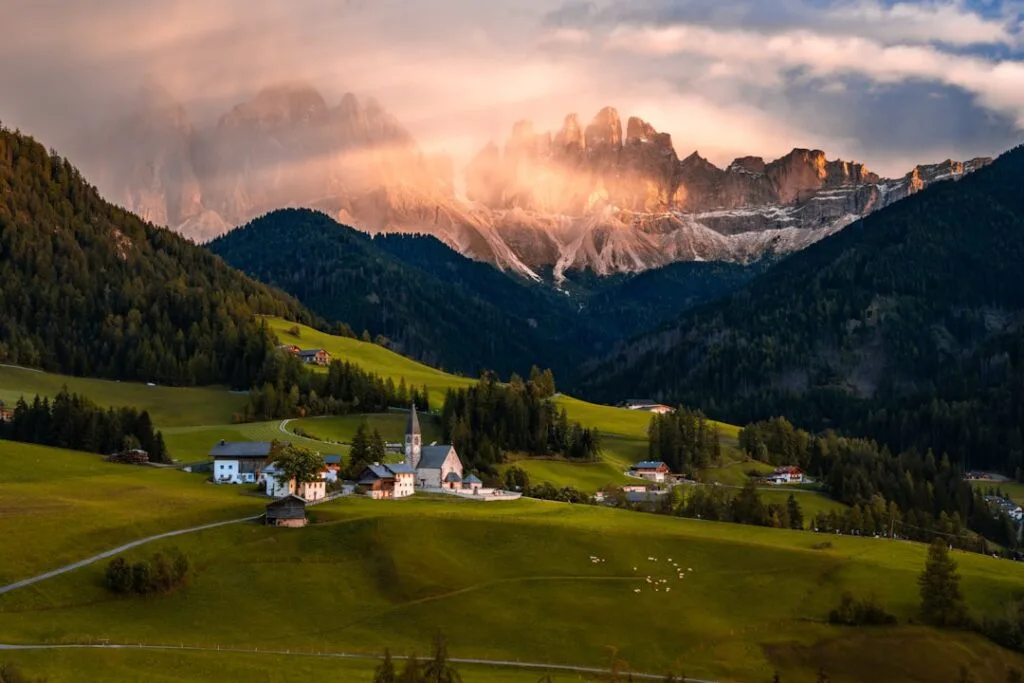
Distance: 25–40 km depending on the loop. You can start from the center of Val di Funes, Ufficio Turistico Via St. Vigilio 6, 39040 Funes (BZ), hours 9:00–18:00. This route mixes gravel tracks and small roads, passing the iconic church of Santa Maddalena (Chiesetta di Santa Maddalena, 39040 Santa Maddalena), extremely photogenic at dawn or dusk. Trails around the Puez-Odle Nature Park offer balcony views; some sections require a gravel bike or a mountain bike. Refuges like Rifugio Fanes (Rifugio Fanes, Località Fanes 1, 39030) offer lodging and meals: half-board €40–65 per person depending on season, open mainly June–September.
Practical Services: Rentals, Lifts, Refuges and Contacts
To organize your village-to-village stages, here are precise addresses for rental shops, lifts that accept bikes, and key refuges. These details will save time and help avoid surprises.
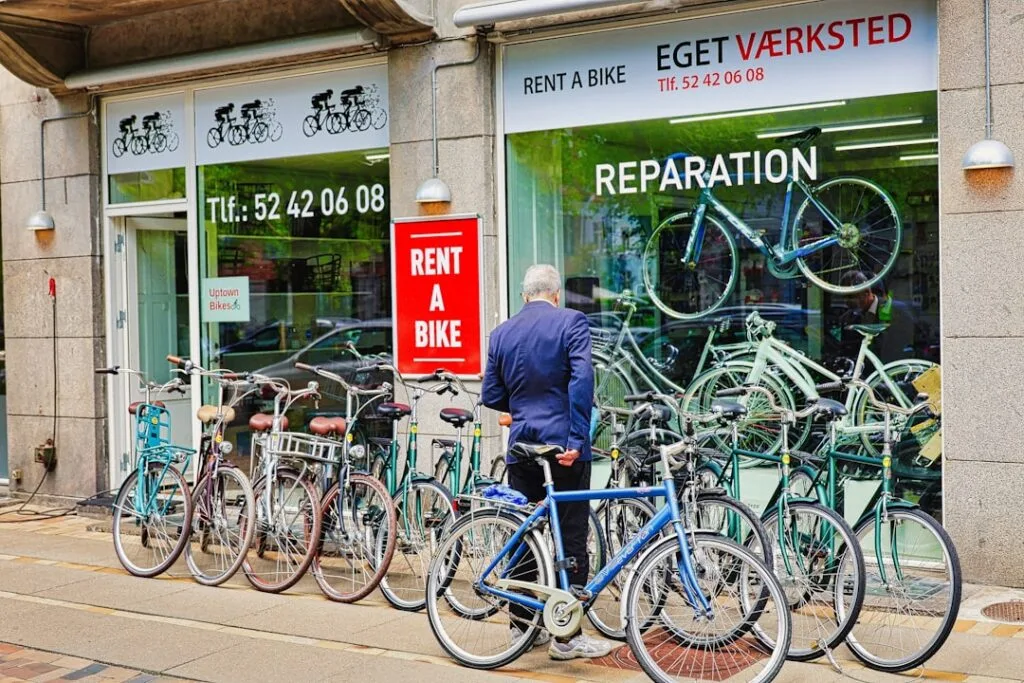
- Noleggio Bike Service Cortina – Via Roma 22, 32043 Cortina d’Ampezzo (BL). Opening hours: 8:30–19:00 in summer. Rates: mountain bike daily €28–35, e-bike €55–75 per day. Phone: +39 0436 123456 (example contact, verify locally).
- Sport Fritz Fahrradverleih – Piazza S. Giovanni, 3, 39046 Ortisei (Bz). Hours: 8:00–18:00. Rates: road bike €30–40/day, helmet free depending on availability.
- Rent a Bike Arabba – Via Forno, 12, 32020 Arabba. Hours: 9:00–17:00. Delivery to valley hotels available (paid service €10–20).
Lifts: several cable cars accept bikes for a surcharge. Example: Funivia Col Raiser (Selva di Val Gardena) – Via Col Raiser 1, 39048 Selva di Val Gardena, variable hours, bike fee €3–6. To be sure, call or check the official site before you leave. Refuges like Rifugio Auronzo (if you head up toward the Tre Cime di Lavaredo) often list service hours: kitchen open from 7:30 to 20:00, overnight stays roughly €40–70 half-board.
Click here to book a half-day Sellaronda experience
Click here to book an electric mountain bike tour
Local Tips and Safety: Preparing Your Village-to-Village Ride
Before you set off, a few golden rules to make the most of your rides between Dolomite villages:
- Check the weather: conditions can change even in summer. Consult local forecasts (Meteo Alto Adige, the municipality tourist site) and start early to avoid afternoon storms.
- Gear up properly: helmet mandatory, gloves, waterproof wind jacket, repair kit, pump and an extra battery for e-bikes.
- Follow traffic rules: some national roads (SS48) get heavy traffic; prefer back roads and bike paths when possible. Free-roaming dogs can surprise you — be cautious in hamlets.
- Hydrate and eat local: bakeries and farm taverns sell sandwiches, local cheeses and drinks. Indicative prices: coffee €1.50–3, sandwich €4–8.
- Book refuges in advance in high season (June–September). Many close off-season or have reduced hours in spring and autumn.
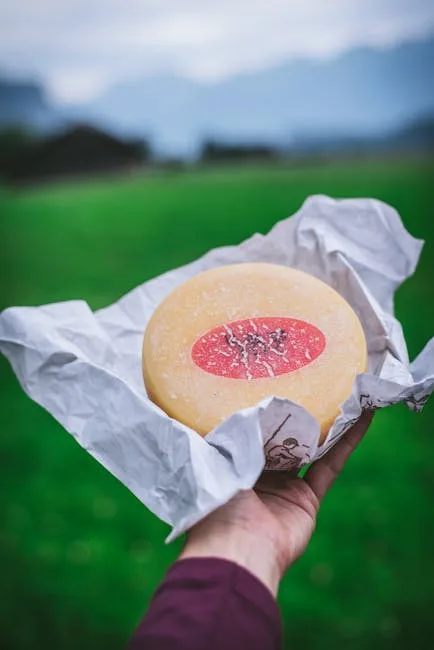
Finally, leave room for the unexpected: an unplanned detour to a lesser-known pass can reward you with an even more dramatic view and the chance to meet an artisanal cheese maker. Residents of the Dolomites are generally warm and happy to share tips on shortcuts, the best light for photos, or where to stop for a regional specialty. Respect natural areas: pack out your trash, avoid riding off marked trails, and stick to routes open to cyclists.
Click here to book a Dolomites vineyard and wine tasting
Conclusion: Pedal Through Heritage, Food and Scenery
Riding between villages in the Dolomites pairs physical effort with sheer appreciation: every climb is rewarded by unique panoramas, and every descent brings you into a village where tradition endures. With a dense web of secondary roads, bike paths and services (rentals, lifts, refuges), you can craft tailor-made routes from family rides on Alpe di Siusi to the challenging ascent of Passo Pordoi. The addresses listed — tourist offices, rental shops like Bike Service Cortina or Sport Fritz in Ortisei, refuges like Rifugio Fanes or Rifugio Auronzo — give practical anchors for planning your stages.
Beyond numbers (kilometers, elevation, prices), what stays with cyclists is the rhythm: how the light plays on stone house facades, the sound of streams along the descent, or the smell of fresh bread at lunchtime. The Dolomites offer diverse landscapes — alpine lakes, limestone walls, pastures — and cycling places you in the middle of that variety. Respect the seasons, watch the weather, book ahead and check local services to ensure calm, rewarding days on the road.
And above all, set out intending to enjoy the stops as much as the miles: a pause in a tiny church like the Chiesetta di Santa Maddalena at sunrise, a simple but hearty meal in a Tyrolean stube, or a night in a mountain refuge after a hard day will become lasting memories. The Dolomites reveal themselves slowly, at the pace of a respectful cyclist — and every village you pass will offer a new perspective on this incomparable mountain range.