





Introduction: Eco-Friendly Spas in the Dolomites — Wellness in the Heart of the Mountains
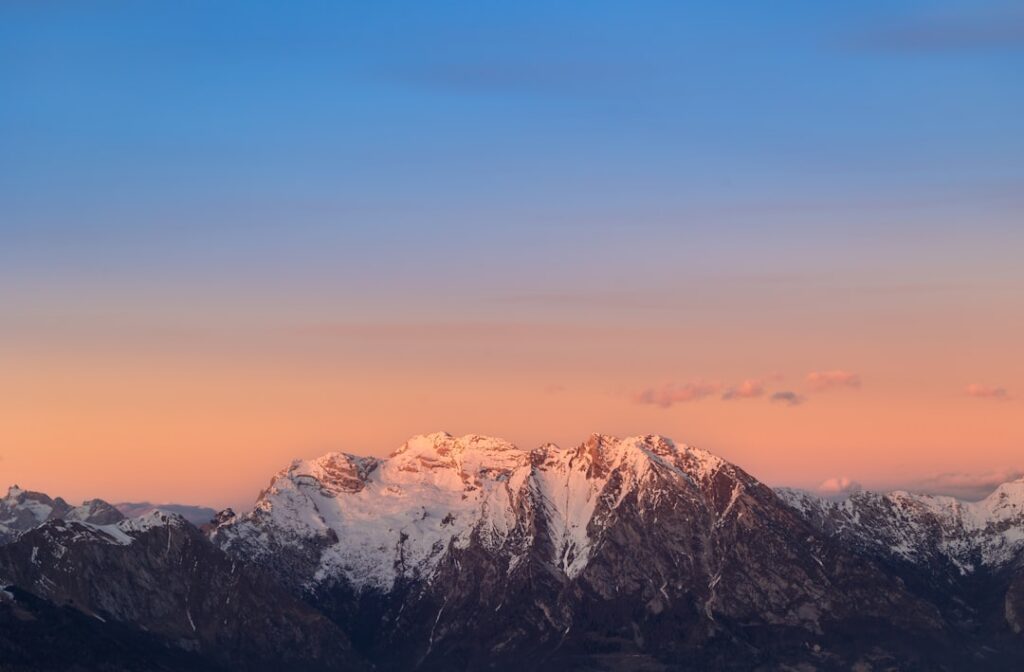
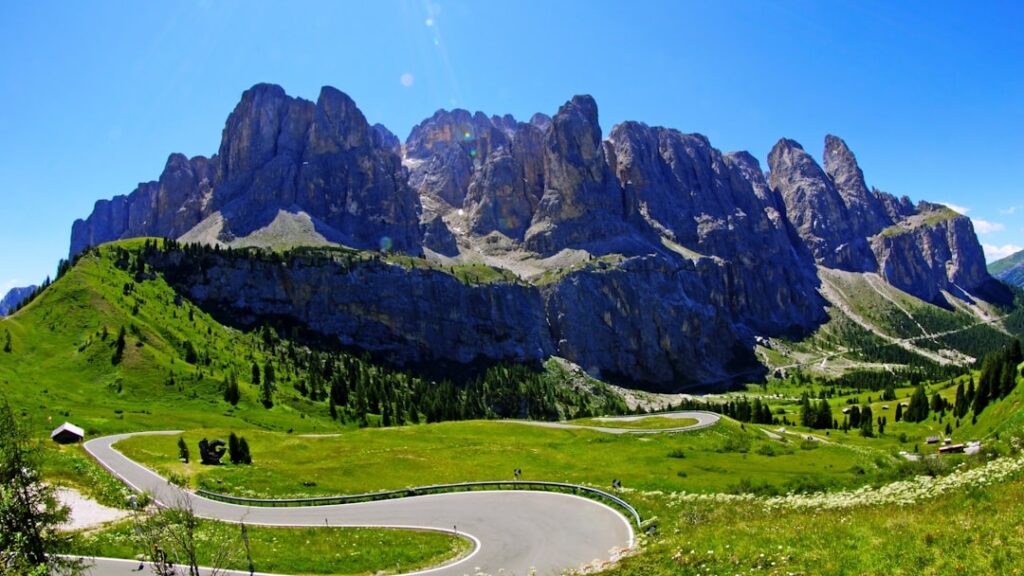
The Dolomites, a UNESCO World Heritage site, provide a dramatically beautiful backdrop: sheer limestone peaks, flowered alpine meadows and spruce forests that read like pages of Europe’s geological history. In that stunning setting, wellness culture has found the perfect stage. But for today’s travelers, relaxation increasingly goes hand in hand with responsibility: how can you enjoy a spa without harming the delicate environment of the Dolomites? Eco-friendly spas are the answer, blending sensitive architecture, prudent water and energy use, local products and treatments inspired by alpine traditions. This guide takes a deep dive into the green options available in the Dolomites, profiling properties, sustainable practices, addresses, indicative prices and practical tips to plan a restorative, low-impact stay.
Choosing an eco-friendly spa goes beyond a label: it means checking where materials come from (certified local wood, stone, high-performance insulation), where skincare ingredients originate (local essential oils, high-altitude herbs) and how the venue manages its consumption. Across the Dolomites, many hotels and thermal centers have adopted solar panels, heat recovery systems, natural water treatment and waste-reduction programs. The result: you can alternate panoramic baths, hilltop saunas, mountain-herb massages and silent walks while being confident your visit supports landscape conservation and local communities.
This guide is for travelers who want discreet luxury with a conscience: families, solo travelers, couples seeking a romantic escape and athletes looking to recover after a hike. You’ll find detailed descriptions of venues across valleys — Val Gardena, Alta Badia, Val di Fassa — with full addresses, indicative prices in euros, opening hours and local tips (booking, soft mobility, spa etiquette). We also include recommendations to extend your eco-friendly experience: local restaurants to favor, low-impact hiking routes and artisan shops selling region-made skincare products.
Finally, this article gives practical markers for spotting a genuinely sustainable spa (certifications, transparency about water and energy use, partnerships with local farmers). The Dolomites remain a powerful destination for rejuvenation — and today it’s possible to unwind there without compromising the fragility of the landscape. Read on to discover specific places — from hotel spas integrated into village life to stand-alone wellness centers — and plan a stay that benefits both you and the mountains.
Principles and Practices of an Eco-Friendly Spa in the Dolomites
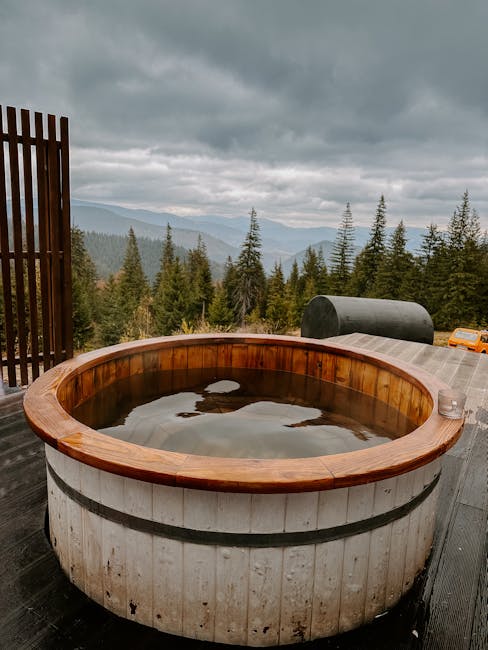
Before listing venues, it’s important to understand what makes a spa truly sustainable. In the Dolomites, eco-friendly spas focus on several pillars: reducing energy footprint, circular water management, use of local materials, sourcing food locally and social engagement with nearby communities. In practice, this means buildings insulated to the highest standards, pellet or high-efficiency boilers, and often solar panels or heat pumps. On the water side, these spas implement non-potable water reuse (irrigation, toilets) and natural filtration systems for pools, minimizing chemical use.
Treatments follow the same logic: scrubs and massages use organic vegetable oils, alpine botanicals (arnica, St. John’s wort, genepy), and mineral muds from local sources when available. Many centers offer territory-themed therapies — for example, an « Alpine Herbal Wrap » made from high-altitude foraged plants or a « Dolomite Stone Massage » using locally sourced heated stones. Staff are frequently trained in sustainable practices: measured product use, waste sorting and educating guests on mindful water and energy consumption.
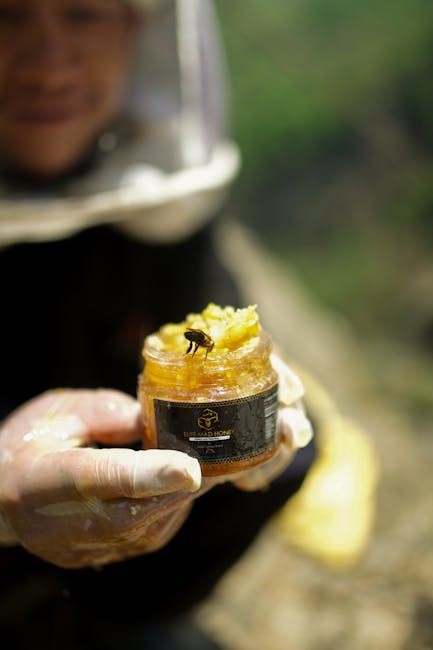
The spa kitchen is another lever. Menus prioritize seasonal produce and nearby farms — alpine cheeses, Dolomite honey, valley-grown vegetables. Spa package lunches sometimes include organic options from €18 to €35 depending on the venue, and breakfasts made with local ingredients may be included in room rates. Finally, transport to and from the spa is designed to lower carbon impact: electric shuttles from stations or parking areas, EV charging points and partnerships with e-bike services.
Tips for travelers: look for labels such as Green Key, ISO 14001 or the EU EMAS scheme, but remember many local initiatives don’t yet hold formal certification. Ask about product sourcing, recycling policy, water consumption per visitor and whether the property supports local conservation projects. These questions will help you pick a place where your relaxation actively contributes to protecting the Dolomites.

Four Recommended Eco-Friendly Spas — Addresses, Prices and Opening Hours
Here are four properties that exemplify sustainability efforts in the Dolomites, with practical info to plan your visit. Prices and hours are indicative: check directly with each spa before booking.
1) Adler Spa Resort Dolomiti — Ortisei (Val Gardena)
Address: Adler Spa Resort Dolomiti, Via Meisules 1, 39046 Ortisei (BZ), Italy.
Opening hours: Spa open daily from 08:00 to 20:00. Panoramic pool available 07:00 to 22:00 for hotel guests. Spa reception open 08:00–19:00.
Indicative rates: Day spa access (non-residents) from €45 (3 hours), half-day pass €30; massages from €70 (25 min) up to €150 (80 min) for specialized treatments. Overnight rates with breakfast from around €220 depending on season.
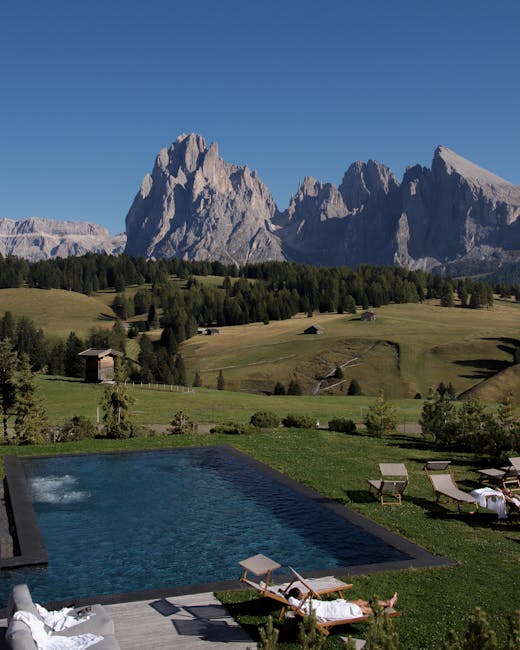
Description: Adler Spa Resort Dolomiti is known for its blend of certified local wood and large windows framing Sassolungo and the Alpe di Siusi. The center includes themed saunas, saline baths, indoor and heated outdoor pools and an extensive program of treatments featuring larch and arnica extracts. The hotel sources foods and textiles from local artisans. Green initiatives include heat recovery, natural pool filtration and strict waste management.
2) Rosa Alpina Hotel & SPA — San Cassiano (Alta Badia)
Address: Rosa Alpina Hotel & SPA, Via Col Alt 116, 39033 San Cassiano (BZ), Italy.
Opening hours: Spa open 09:00 to 19:00 (extended hours on select days). Treatments by reservation between 09:00 and 18:00.
Indicative rates: Spa access generally reserved for guests; day passes for outsiders possible by appointment from €60 (3 hours). Signature treatments between €90 and €180.
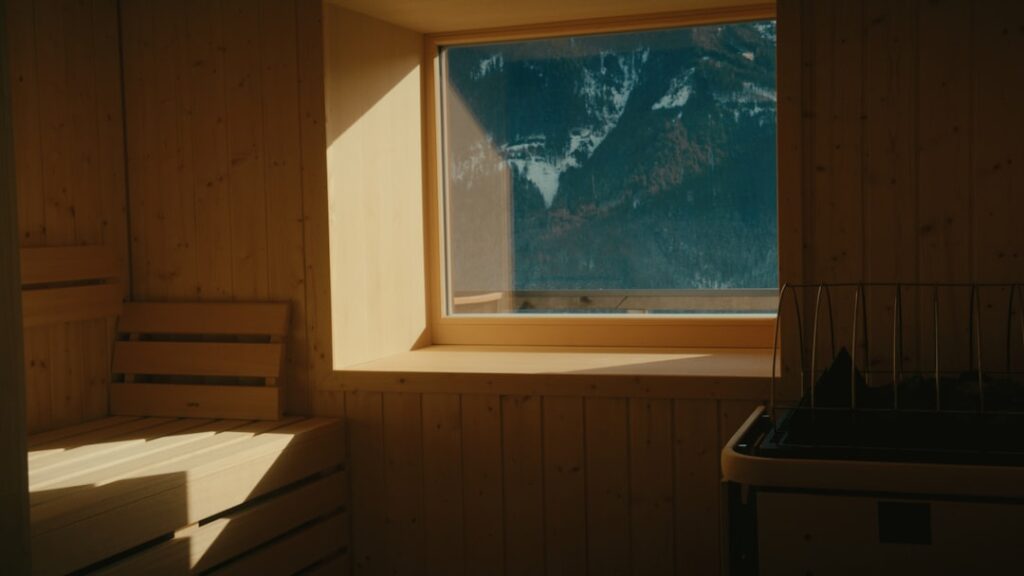
Description: Rosa Alpina emphasizes noble local materials and a small, intimate spa offering treatments inspired by high-altitude plants, like Dolomite hay wraps and arnica oil massages. Rosa Alpina’s cuisine favors regional producers — alpine cheeses, Tyrolean cured meats and seasonal vegetables — lowering food-related carbon footprint. The hotel collaborates with local farmers to source ingredients and has invested in advanced insulation technologies.
3) Hotel La Perla Spa — Corvara in Badia (Alta Badia)
Address: Hotel La Perla – Corvara, Via Crò Ciasles 14, 39033 Corvara in Badia (BZ), Italy.
Opening hours: Spa accessible from 08:00 to 20:00. Massages and treatments by appointment 09:00–19:00.
Indicative rates: Spa access (guests and non-residents by reservation) €35 for 3 hours; treatments €50 to €160. Weekend spa + board packages from around €190 per night depending on season.
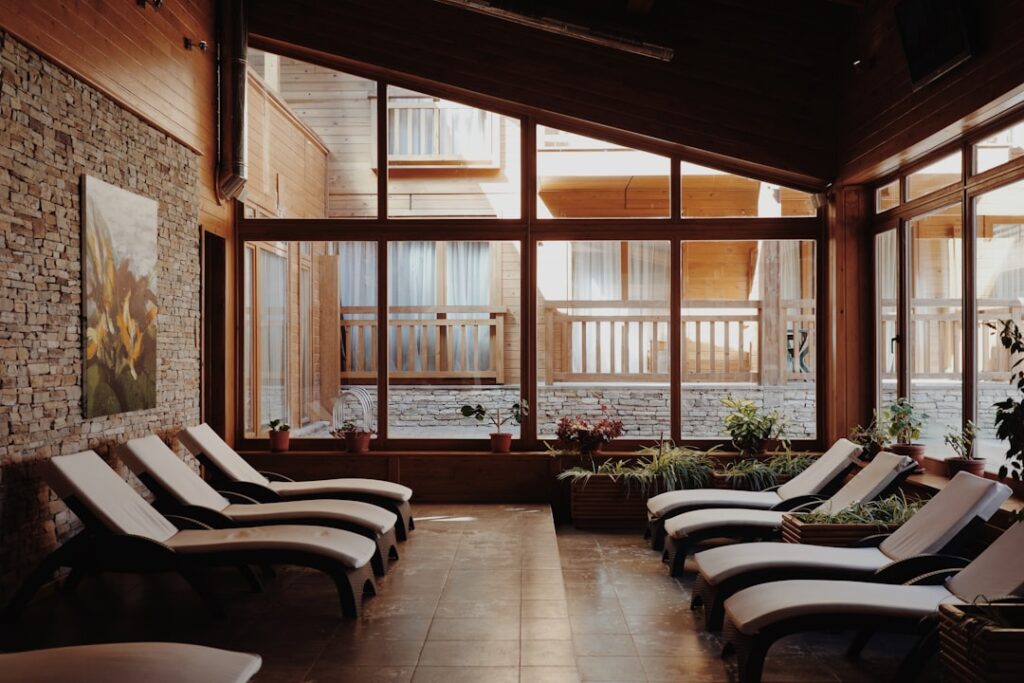
Description: In the heart of Corvara, Hotel La Perla combines tradition and ecology: pellet boilers, hot water sourced via heat exchangers and partnerships with organic local producers for the kitchen. Signature treatments include a valley herb bath and a hot-stone massage using Dolomite stones. The property also offers low-impact activities — small-group guided hikes and workshops on responsible plant foraging.
Complementary Activities and Low-Impact Wellness Routes
A spa stay in the Dolomites should connect with the landscape: morning strolls, high-altitude hikes, e-biking and forest bathing (shinrin-yoku) complement treatments and amplify health benefits. Here are practical suggestions and routes that pair well with the spas listed above.
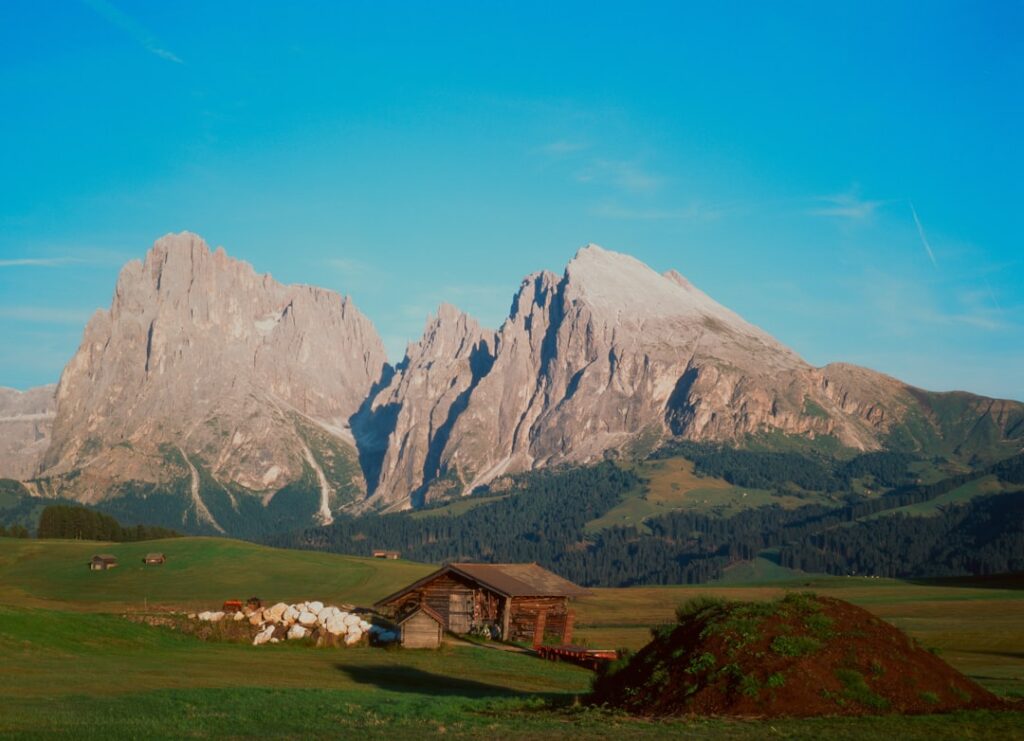
Route 1 — Alpe di Siusi (Seiser Alm) after a morning at the Ortisei spa: take the Ortisei-Furnes/Seceda cable car or a local bus (Val Gardena line); easy walks across the meadows lasting 2 to 4 hours depending on the route. Bring sturdy shoes, water and a light blanket for a panoramic nap after the spa. Stick to marked trails to protect alpine flora.
Route 2 — Walks around San Cassiano after Rosa Alpina: short trails (1–3 hours) through alpine pastures and spruce groves, accessible directly from Via Col Alt. Enjoy a photo-focused stroll (no wild harvesting without permission) and stop at a local rifugio for a warm drink made with local honey. These walks suit families and seniors following a relaxing treatment.
Practical tips to reduce impact: favor public transport (trains to Bolzano/Bozen or Verona then regional buses), use electric hotel shuttles or rent an e-bike for short trips. Avoid unnecessary scenic helicopter flights: silence is a key component of wellness and noise disturbs wildlife. Finally, respect park signage and pack out your waste (zero-waste picnic) if you plan to eat outdoors.
 Click here to book a forest bathing experience in the Dolomites
Click here to book a photo session at Alpe di Siusi
Click here to join yoga and a short hike at Lake Pragser Wildsee
Local Practical Tips and Spa Etiquette for a Smooth Stay
Planning a stay at an eco-friendly spa involves a few rules and tips to make your visit pleasant and respectful.
- Booking: Book treatments at least 7–14 days in advance; during high season (July–August, December–February) book even earlier. Ask in advance whether spa access is available to non-residents and which areas are mixed or reserved.
- Transport: Key stations near the Dolomites are Bolzano/Bozen (BZ) and Brunico/Bruneck (BZ). From there, regional buses serve Ortisei, Corvara and San Cassiano. Many properties offer a shuttle from the station for €10–20 per trip.
- What to bring: Pack your swimsuit, non-slip sandals and lightweight sauna clothes. Some spas provide robes and towels (included in access price); others charge for these items (€5–10).
- Prices and tipping: Displayed prices often include VAT. Tips aren’t mandatory in Italy but appreciated — 5–10% for a quality treatment is customary.
- Local respect: avoid picking wild plants, respect protected areas (e.g. Puez-Odle Nature Park), stay on marked trails and never light fires.
If you’re traveling with family, check for family swim hours and children’s activities (nature discovery workshops, gentle mini-spa). For travelers with reduced mobility, confirm pool and sauna accessibility: many venues have lifts and ramps, but it’s best to check at booking.
Click here to book the direct airport bus from Venice to Cortina

Conclusion: Choose Responsible Wellness in the Dolomites
Caring for yourself in the Dolomites shouldn’t come at the mountain’s expense: choosing an eco-friendly spa actually enhances the experience. You leave not only more relaxed but also more aware of the ecosystem you’ve visited. The properties highlighted — Adler Spa Resort Dolomiti in Ortisei, Rosa Alpina Hotel & SPA in San Cassiano, and Hotel La Perla in Corvara — demonstrate concrete sustainability measures, combining responsible construction, smart water and energy management, local sourcing and treatments rooted in alpine herbalism. By choosing these options you support the local economy, celebrate high-altitude craftsmanship and help preserve UNESCO-listed landscapes.
The key to a successful stay is planning: check hours and availability, book your treatments and transfers in advance, favor low-impact transport and follow trail etiquette. Consider extending your eco-friendly choices beyond the spa: dine in mountain refuges or agritourism venues, buy honey or alpine cheese directly from producers and take part in workshops about alpine flora. Those small steps, added together, make a real difference for the Dolomite valleys.
Finally, embrace slowness: after a mountain-herb massage, take time to watch the light shift across the Dolomite spires, sip a local herbal tea in silence and listen to the larks sing. Authentic wellness here is as much inner as outer — nourished by preserved landscapes and a shared commitment to protecting them. Booking an eco-friendly spa in the Dolomites means choosing rest that respects the mountains and their people, today and for generations to come.