





Introduction: Why a family route in the Dolomites is an unforgettable experience
The Dolomites, a UNESCO World Heritage site, are a playground made for families who love nature, easy adventure, and warm mountain hospitality. Here, jagged limestone peaks, alpine meadows, and turquoise lakes come together to create views that fascinate both kids and grown-ups. A well-planned family route mixes short, playful hikes with cozy mountain huts where you can rest and sample local dishes, and adds extras like cable car rides, educational trails, and cultural discoveries in the valleys. This kind of itinerary is perfect for introducing little ones to the mountains without overwhelming them, while giving parents moments of quiet and awe.
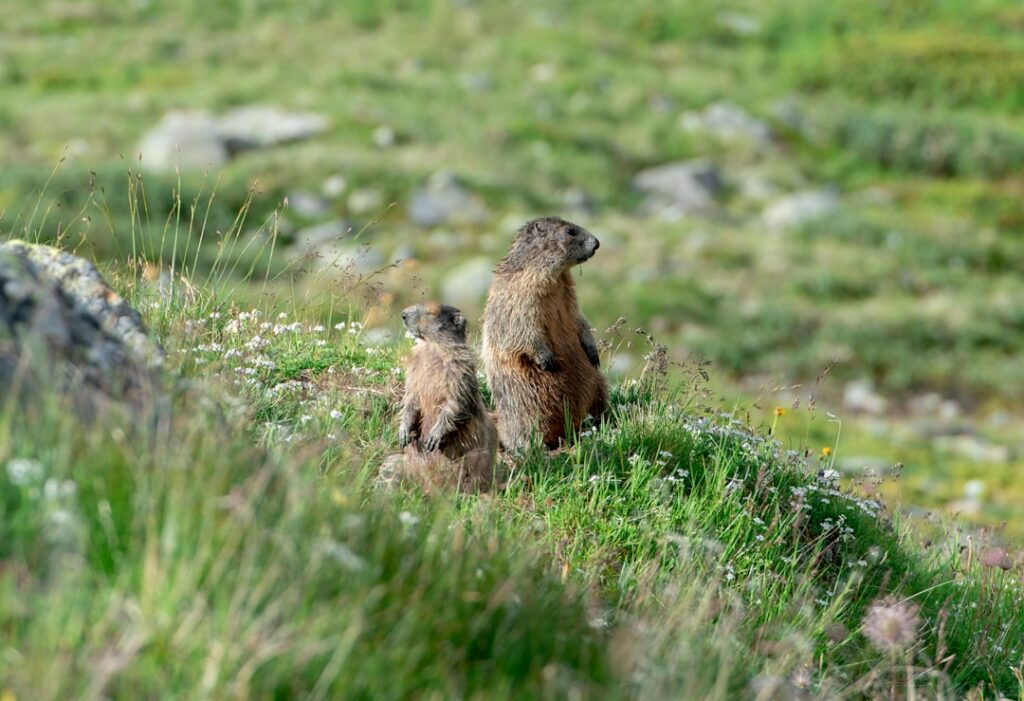
This article lays out a concrete route linking welcoming, family-friendly huts that are easy to reach. Each stop includes practical details: exact addresses, opening times, price ranges, immersive descriptions of the place, and local tips to extend the experience. Mountain huts in the Dolomites are more than places to sleep: they’re often hubs of activity, with makeshift play areas, panoramic terraces ideal for spotting marmots, and hearty meals made from local products (cheese, speck, polenta, Apfelstrudel).
When planning a family route, vary the difficulty: lake-front flat walks, modest passes that are stroller-accessible with an all-terrain buggy, and one or two short climbs suited to children (30 to 60 minutes uphill) so they can feel the pride of a small mountain conquest. The huts chosen for this itinerary stand out for their hospitality: warm, attentive, often French- or English-speaking, and offering useful services (kids’ menus, family dorms, charging points for devices, sometimes even laundry or car access depending on the stage).
Safety and logistics are essential: check the weather, book huts in high season (July–August), bring warm clothes even in summer, and favor hiking shoes for children. Local transport (buses, cable cars) makes it easier to organize looped stages and avoid long, tiring returns on foot. Follow this step-by-step guide for a family week in the Dolomites where landscapes, food, and hut hospitality create lasting memories.
Stage 1: Rifugio Lagazuoi — Alpine immersion that’s easy for little explorers
Rifugio Lagazuoi (Rifugio Lagazuoi Emilio Comici) is an ideal first stop for families: perched on the Passo Falzarego, it offers spectacular views of the Cinque Torri and the Lagazuoi massif. Address: Passo Falzarego, Strada Statale 48, 32020 Colle Santa Lucia (BL), Italy. The hut is reachable either by an easy hike from the pass or by the « Funivia Lagazuoi » cable car that departs from Passo Falzarego (approximate departure point: Piazzale Falzarego, 32020 Cortina d’Ampezzo BL).
Opening times: generally open from late May to late September, and during Christmas and Easter holidays. Typical hours: 08:00–20:00 (seasonal variations apply). Typical prices: meal plates and drinks between €8 and €18; family dorm sleeping around €30–50 per person (sheets and blanket included), private rooms subject to availability €70–120.
 Click here to book a guided Lagazuoi high-altitude hike
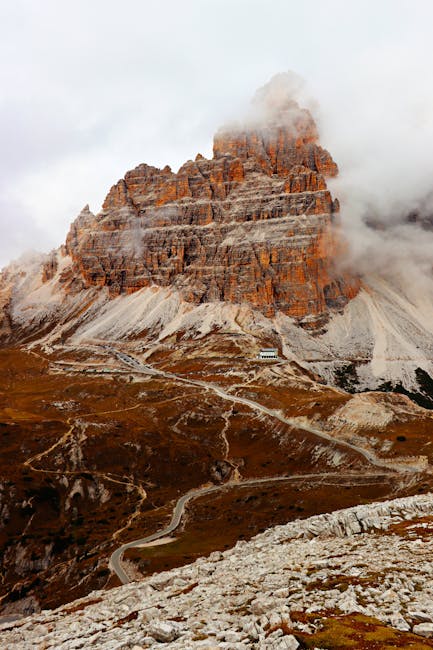
Immersive description: stepping through the door at Rifugio Lagazuoi, you’re greeted by the smell of coffee and wood smoke, and a terrace that feels like it’s floating above the world. Kids love scrambling on the rocks around the hut and watching colorful paragliders launch from the ridges. Menus focus on comfort food: canederli (bread dumplings), mild goulash for little ones, and homemade apfelstrudel for dessert. Staff are used to families and often offer child-sized portions.
Practical tips: take the cable car from Passo Falzarego if you have young children or a stroller; book ahead in high season. Pack a small first-aid kit and energy snacks. If the weather turns, the hut has warm indoor spaces and card games to keep kids entertained.
Stage 2: Rifugio Nuvolau — Dramatic panorama and a short hike
Rifugio Nuvolau is one of the most photogenic huts in the Dolomites, perched on Monte Nuvolau near Passo Giau. Address: Rifugio Nuvolau, Strada Statale 48, Passo Giau, 32020 Colle Santa Lucia (BL), Italy. You can reach the hut via a short but spectacular hike: from the Passo Giau parking area, count on about 30 to 45 minutes of ascent on a well-kept trail.
Opening times: usually open from June to September, indicative hours 09:00–19:00. Prices: drinks and simple dishes €6–16, dorm night €25–45 per person, full evening meal around €18–25. The hut is beloved for its 360° views: families can climb together and be rewarded with panoramas of the Tofane, the Marmarole, and the small lake below.
Immersive description: the short climb to Nuvolau is dotted with rock formations where kids love to hide and play explorers. The hut’s terrace is a perfect lookout for spotting chamois and marmots in the alpine pastures. Inside, the vibe is rustic and friendly: wooden tables, postcards pinned to the walls, decorative oil lamps. Summer evenings reveal shooting stars and the mountain’s hush wrapping the hut.
Practical tips: bring warm layers even if the day is hot — wind can make the terrace chilly. Pack binoculars for the kids and a small illustrated guide to alpine birds and mammals. For photos, aim for late afternoon when the light turns the peaks golden.
Click here to book the Col Giau guided scenic loop
Stage 3: Rifugio Averau — Cinque Torri and playful activities for children
Rifugio Averau (Rifugio Averau 2362 m) sits in the heart of the Cinque Torri area, a place rich in climbing history and easy scrambling routes. Address: Rifugio Averau, SP24 Passo Giau, 32020 Cortina d’Ampezzo (BL), Italy. The main access is from the Passo Giau parking area or via a hike from the village of La Villa/Colle Santa Lucia.
Opening times: summer season, generally mid-June to mid-September, typical hours 08:30–19:00. Prices: hot meals €10–20, drinks €4–8, dorm nights €28–50, private rooms depending on season €80–130. Rifugio Averau is known for generous portions and friendly service, ideal for families who want to pair hiking with a light introduction to climbing (via ferrata sections and climbing schools offer family-friendly routes).
Immersive description: the Cinque Torri are made of rock blocks perfect for exploratory strolls. Informational panels along the path tell stories from the First World War, which can become a bite-sized history lesson for kids. At the hut, the terrace feels like a natural theater: at snack time, plates of strudel and hot drinks create a cozy scene while children watch beginner climbers on the easy routes.
Practical tips: for families with slightly older kids, book a beginner climbing session with a local guide (expect about €60–90 for a family group, gear included). Bring a lightweight helmet for play around the boulders and approach shoes if you plan small scrambles. Check parking availability at Passo Giau, as spaces can be limited in peak season.
Click here to book a guided panoramic hike to the 5 Torri
Stage 4: Rifugio Fanes — Alpine plateau, legends, and Ladin cuisine
Rifugio Fanes (Rifugio Fanes al Lago or Rifugio Fanes Alta) is part of the natural area of the Fanes-Senes-Braies Nature Park, a region full of Ladin legends and flower-filled meadows. Indicative address: Rifugio Fanes, Strada dei Fanes, 39030 Marebbe (BZ), Italy — depending on the route you pick, there are several huts and marked trails around the plateau. This area is perfect for day circuits out of a single base.
Click here to book a day hike in the Fanes region
Opening times: generally open from late May to late September, daytime services typically 08:00–20:00. Prices: meals €12–22, dorm nights €30–55, guided nature walks (if available) €10–25 per person. Huts here often host children’s activities: Ladin tale readings, wooden toy workshops, and guided walks with a naturalist.
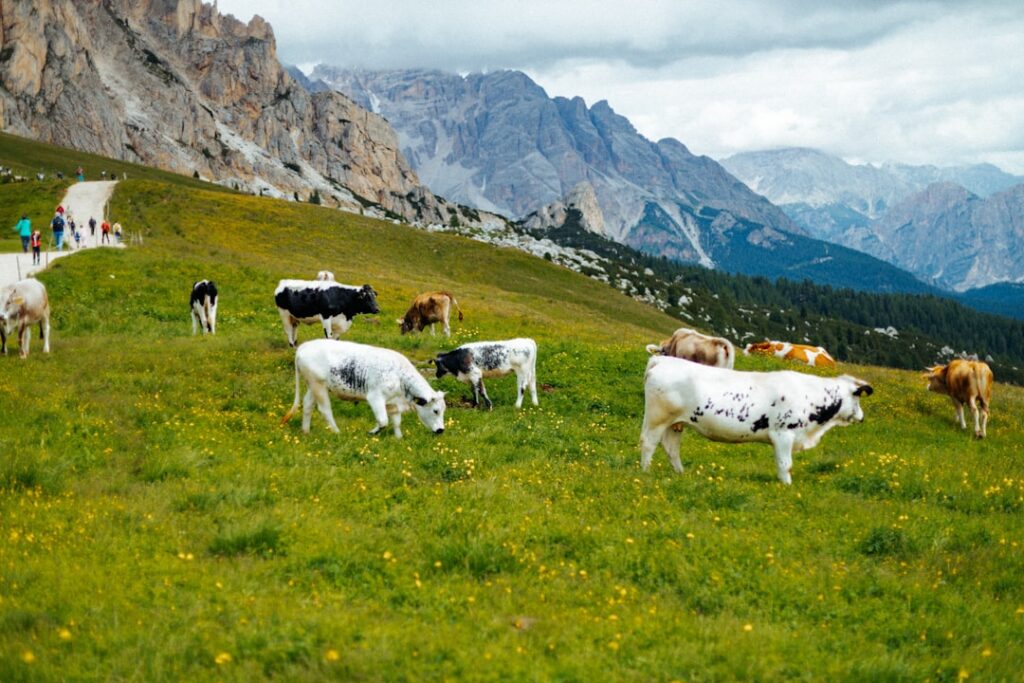
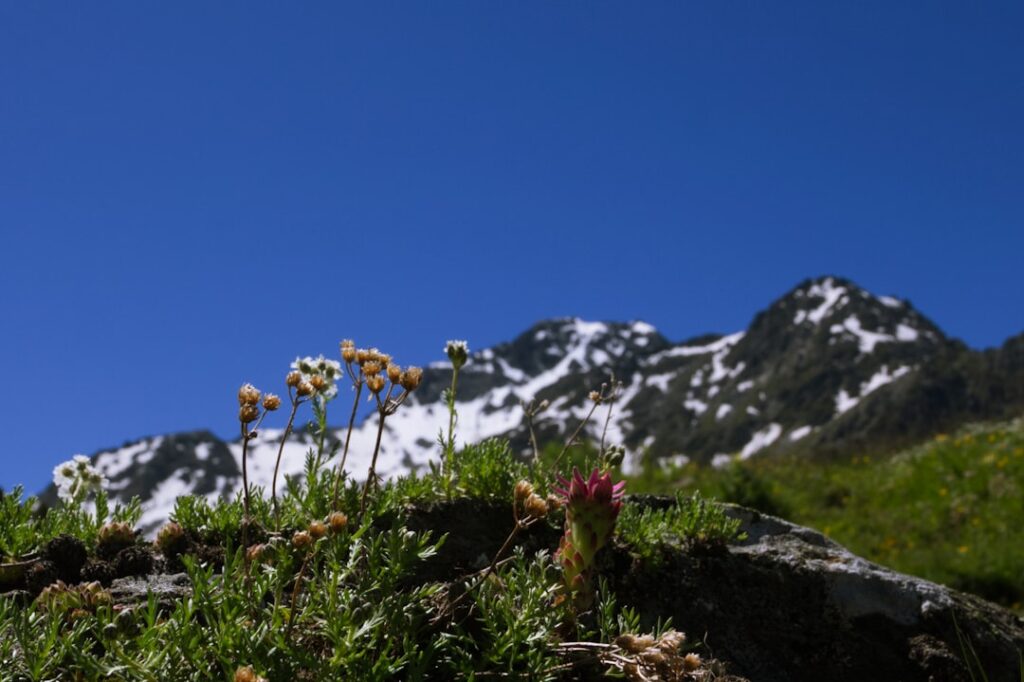
Immersive description: the Fanes plateau feels like a fairy-tale setting: rolling green hollows, grazing cattle, and distant cowbells. Huts serve cuisine rooted in local tradition: aged cheeses, barley soup, polenta, and alpine herb dishes. Families can enjoy easy walks around ponds, botanical spotting, and peaceful moments to the sound of bells.
Practical tips: stick to marked trails for children’s safety; respect grazing areas and don’t feed the animals. Bring a local plant guide (or download an app) to make the walk playful: identifying edelweiss, gentians and other alpine flowers turns the hike into an educational treasure hunt.
Stage 5: Rifugio Biella / Lago di Braies — A lakeside stop at a crystal-clear lake
To finish the route, nothing beats a stop by an iconic lake: Lago di Braies (Pragser Wildsee) is one of the most photographed lakes in the Dolomites. Nearby, Rifugio Biella (or an alternative depending on the loop you choose) makes an ideal rest stop. Lake address: Lago di Braies, 39030 Braies (BZ), Italy. Possible nearby hut address: Rifugio Biella, Strada Braies, 39030 Braies (BZ) — check seasonal opening and availability.
Click here to book a yoga and short hike at Pragser Wildsee
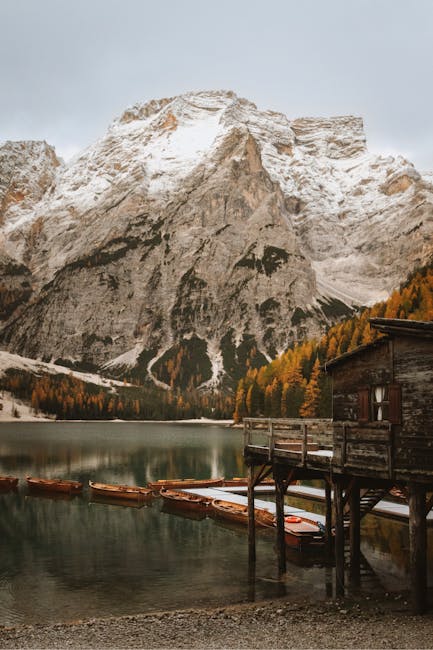
Opening times: the lake is accessible year-round, while facilities around it (cafés, boat rental) are often open from April to October, hours 08:00–18:30. Prices: boat rental about €15–30 / 30 minutes, lake access is free (paid parking €5–10 depending on duration), hut meals €10–20, hut overnight €30–60. The lake’s atmosphere lets families unwind after several days of walking: picnics on the shore, boat rides, or easy circuits around the water.
Immersive description: Lago di Braies’s emerald waters mirror the towering rock faces like a perfect reflection. Kids love rowing boats and watching small fish and water insects. Rifugio Biella and nearby cafés serve simple, comforting food: panini, hot soups, and homemade pastries. The lakeside loop is flat and suitable for all-terrain strollers.
Practical tips: arrive early to beat the crowds and catch magical morning light for photos. Book boat rentals in advance in high season. Follow local rules: swimming is often discouraged to protect the ecosystem and for safety reasons.
Conclusion: How to prepare your family route and make the most of the huts
Putting together a family route in the Dolomites that centers on welcoming huts is a smart way to combine discovery, comfort, and mountain immersion. The huts featured — Rifugio Lagazuoi, Rifugio Nuvolau, Rifugio Averau (Cinque Torri), Rifugio Fanes, and the facilities around Lago di Braies — each bring something different: panoramic ridges, short accessible summits, legendary plateaus, and tranquil lakes. Combining these stages creates a balanced itinerary that respects children’s pace while leaving room for visual and culinary delights.
A few final tips to ensure your trip goes smoothly: always book huts in advance during high season (July–August), check the weather forecast several days ahead and the morning of each stage, and keep a small travel pharmacy with you. Adapt stages to your children’s ages: favor short climbs, cable cars, and playful activities. Pack warm layers even in summer and sun protection; rock reflections can be intense. Above all, take time to teach kids to respect the mountain (don’t disturb wildlife, carry out your trash, stay on trails).
The Dolomites offer a wide range of family experiences: shared efforts, delicious breaks in authentic huts, and nights under a starry sky. Following this route will turn a simple trip into a string of unforgettable moments, where each hut becomes a chapter in your family’s mountain story. Happy hiking and enjoy Ladin and Italian hospitality!
Click here to book a one-way transfer from Venice airport to Cortina d’Ampezzo
Click here to book a Dolomites and Lake Braies day tour from Venice