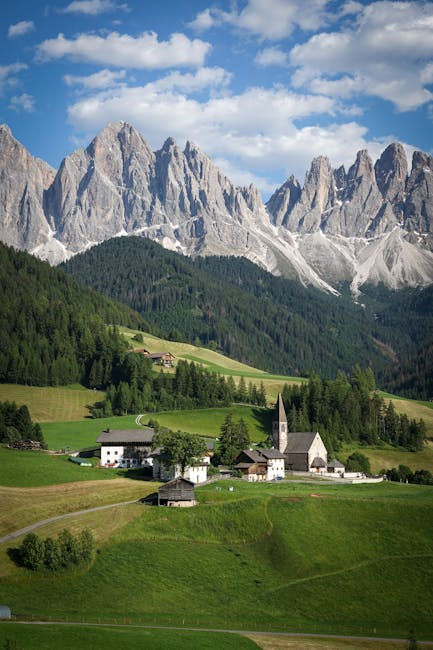






Introduction: Dive into the Soul of the Dolomites by Staying in Village Centers
The Dolomites, a UNESCO World Heritage site, are far more than a string of rocky peaks. They cradle picturesque villages where every alley, church and farmhouse tells a mountain story — of Ladin traditions and warm hospitality. Sleeping in these classic villages — from Ortisei to Corvara, from Cortina d’Ampezzo to Santa Maddalena — turns a hiking or skiing trip into a full cultural immersion: wakes to church bells, breakfasts piled with local farm produce, and evenings spent savoring Tyrolean specialties beside a traditional stove.
Choosing to stay in a village rather than a large resort means adopting a gentler pace. You can head out early for a via ferrata or a hike to a rifugio, or return after a day on the slopes to stroll past carved wooden facades and Baroque chapels. Accommodation ranges from rustic agriturismi and family-run B&Bs to boutique spa hotels and high-altitude refuges — each offering a different take on the Dolomites. They’re also fantastic vantage points: at sunrise, peaks such as the Odle (Geislergruppe) or the Tre Cime di Lavaredo blaze pink and gold, painting the faces of village houses.
This guide offers a practical, immersive look at where to sleep in these classic villages: exact addresses, price ranges in euros, opening hours, atmosphere descriptions, local tips (bookings, access, transfers, seasons), and concrete suggestions to live like a local. The following sections cover several emblematic Dolomite villages: Ortisei and Val Gardena, Cortina d’Ampezzo and the Cadore rifugi, Alta Badia with Corvara and San Cassiano, Val di Funes with its Santa Maddalena church, plus practical advice to choose the right base whether you’re hiking, skiing, dining or just resting.
A few practical notes before we dive in: in high season (July–August for hiking, mid-December to late March for skiing) you’ll want to book weeks — even months — ahead for specific hotels like the Adler Spa Resort Dolomiti or the Cristallo in Cortina. Mountain huts often require reservations by phone or via their website and may offer fixed-price half-board. Finally, mountain roads can be closed in winter or require snow chains — check local conditions and parking before you arrive.
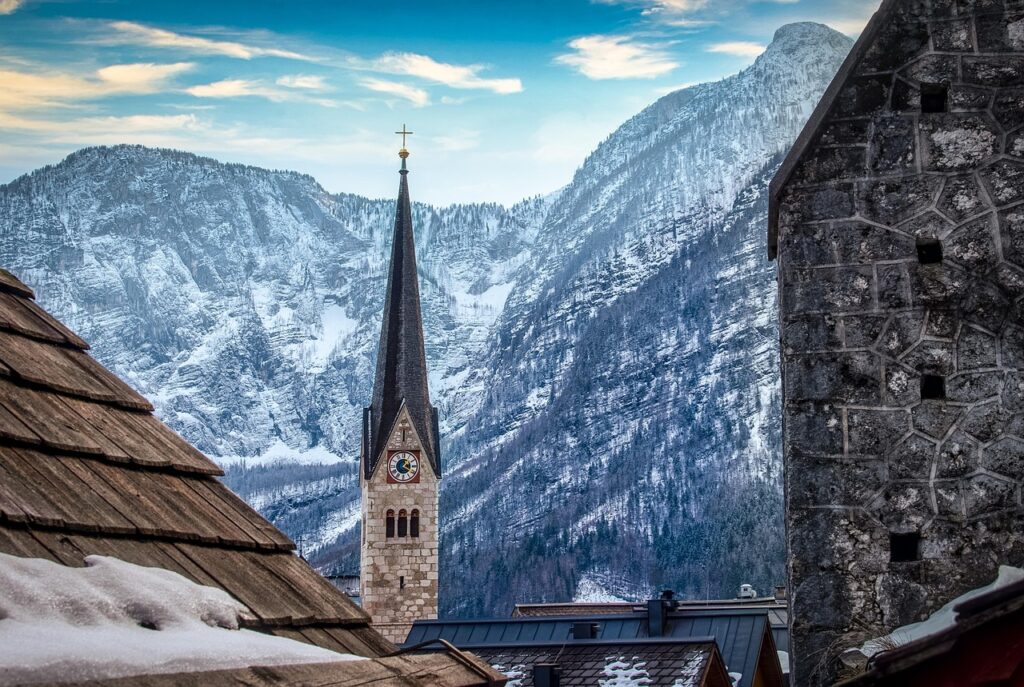
Ortisei (St. Ulrich) and Val Gardena: Ladin Charm and Spa Comfort
Ortisei (St. Ulrich in Gröden), in Val Gardena (Val Gardena/Gröden), is one of the friendliest villages for anyone wanting to mix modern comfort with mountain character. You’ll find charming hotels, family-run guesthouses and several well-regarded wellness centers. The village center is lively but intimate: cobbled lanes, flower-filled balconies and woodcarving workshops — a living local tradition.
Adler Spa Resort Dolomiti — address, prices, hours
Address: Via Rezia 86, 39046 Ortisei (BZ), Italy.
Price guide: rooms from €180 per night in low season; suites and spa packages €350–€700 depending on dates and treatments.
Hours: front desk open 24/7; spa typically accessible from 08:00 to 20:00 (hours vary by season and bookings).
Description: Large 5-star hotel with indoor pool, multiple saunas, a Kneipp course and an extensive menu of treatments. The modern-alpine architecture and use of natural materials create a quietly luxurious feel. Many rooms have balconies with views of the Seceda or Puez-Odle massifs.
Local tip: book spa treatments in advance (especially on weekends). For hikes, the village shuttle or the Seceda cable car (funivia Ortisei) will quickly put you on classic routes. Hotel parking and garage are often charged (expect €10–20 per day).
 Click here to book a professional photo session in Val Gardena
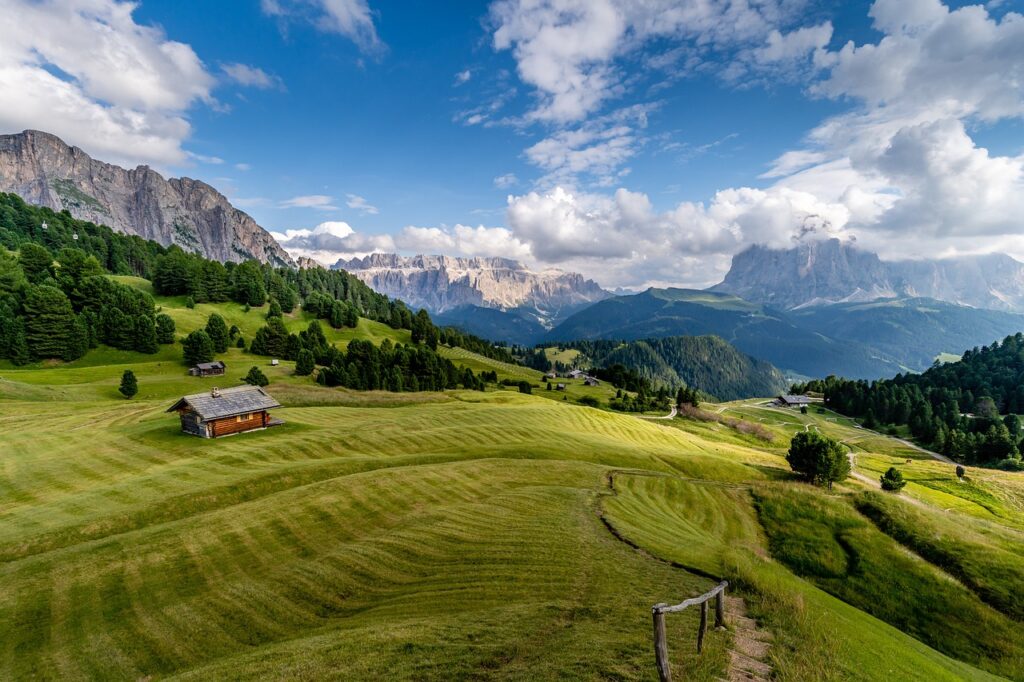
Hotel Gardena Grödnerhof — heart of the village
Address: Via Meisules 19, 39046 Ortisei (BZ), Italy.
Price guide: €110–€260 per night depending on season and room category.
Hours: reception 07:00–22:00; breakfast 07:30–10:00; restaurant 12:00–14:00 and 19:00–21:00 (times may vary).
Description: Mid-sized hotel with a family atmosphere, centrally located a few minutes on foot from lifts and craft shops. Great for families and hikers looking for a convenient base.
Practical tip: look for rooms with a kitchenette if you enjoy cooking with market-fresh ingredients. In summer, use the municipal satellite car parks marked by the town if you’re driving; the historic center favors pedestrians.
Cortina d’Ampezzo and the Cadore Rifugi: Alpine Elegance and Access to the Tre Cime
Cortina d’Ampezzo, often called the “Queen of the Dolomites,” is the most glamorous destination in the range. Its elegant center along Via Cesare Battisti boasts high-end shops and cafés. Cortina is also an excellent hub for exploring nearby peaks, notably the Tre Cime di Lavaredo and historic refuges like Rifugio Lagazuoi. Accommodation ranges from luxurious 5-star hotels to charming small B&Bs.
Hotel Cristallo, a Luxury Collection Resort & Spa
Address: Via C. Battisti 55, 32043 Cortina d’Ampezzo (BL), Italy.
Price guide: rooms from €260 in low season; suites can exceed €700 in high season and holidays.
Hours: reception 24/7; spa 07:00–21:00; restaurant hours vary (dinner typically 19:00–22:00).
Description: Historic hotel blending alpine elegance with five-star service. Ideal for those who want comfort, great dining and guided activities (climbing, via ferrata, skiing).
Local tip: in winter, pre-book taxis or private transfers to reach areas outside the center (Passo Falzarego, Cinque Torri). In summer, set off early for the Tre Cime di Lavaredo to beat the crowds and coach traffic.
Click here to book a guided refuges tour of the Tre Cime
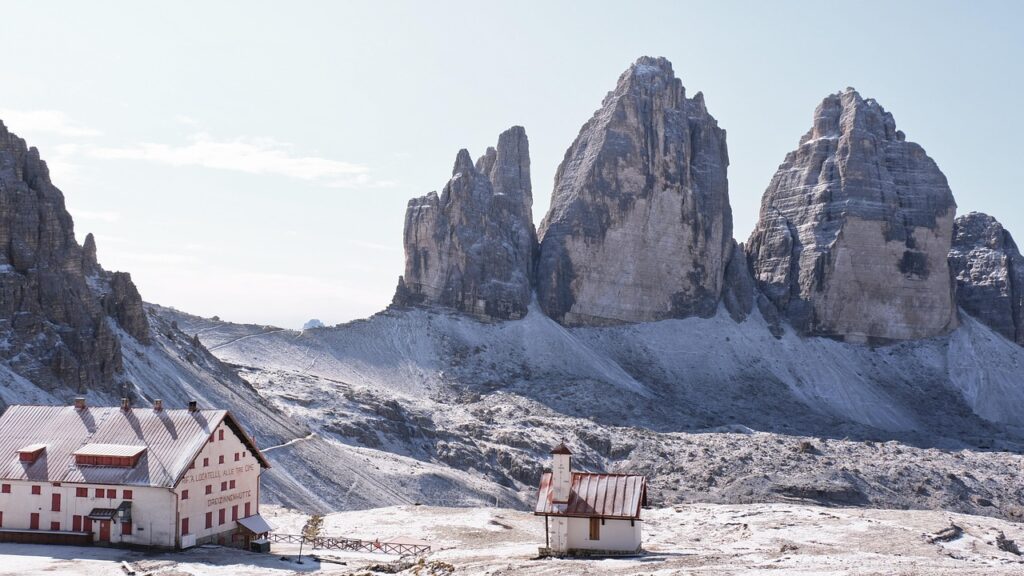
Rifugio Lagazuoi — high-altitude refuge
Address: Rifugio Lagazuoi, Passo Falzarego, 32043 Cortina d’Ampezzo (BL), Italy.
Price guide: nights in the hut €30–€60 per person in dormitories or simple rooms; meals €10–€25 depending on dish and drink.
Hours: seasonal opening typically from April/May to October (weather-dependent); kitchen often open 08:00–20:00 — always check before you go.
Description: Perched atop Lagazuoi, this rifugio offers some of the most spectacular Dolomitic views. Reachable by cable car from Passo Falzarego or by trails, it’s a starting point for First World War routes and via ferratas.
Practical tip: bring warm clothing even in summer (altitude > 2,700 m); book half-board if you arrive late because high-altitude services are limited. Wear sturdy boots for rocky sections.
Alta Badia: Corvara, San Cassiano and the Ladin Soul
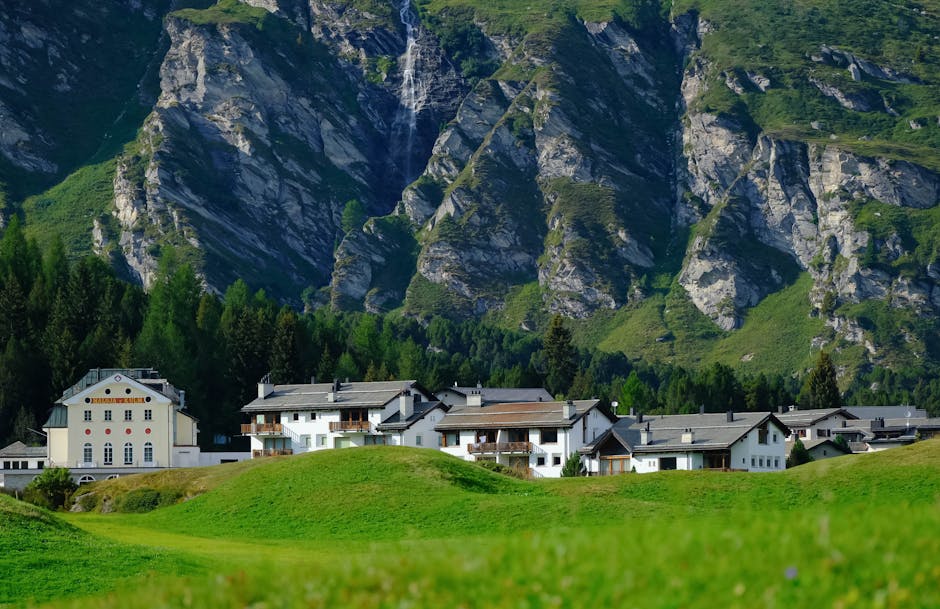
Alta Badia, with villages like Corvara in Badia and San Cassiano (San Cassiano in Badia), is a microcosm of Ladin culture, alpine gastronomy and direct access to the hiking arenas and ski runs of the Dolomiti Superski. The villages offer a perfect mix of daytime adrenaline and evening gentleness: Michelin-starred restaurants alongside family-run huts.
Click here to book a half-day Sellaronda tour in the Dolomites
Hotel La Perla — Corvara
Address: Via Col Alt 36, 39033 Corvara in Badia (BZ), Italy.
Price guide: rooms from €150 in low season; suites and gourmet packages €300+.
Hours: reception generally 07:00–22:00; spa and pool 08:00–20:00; restaurant 12:00–14:00 and 19:00–21:30.
Description: Family-run boutique hotel known for its cuisine and service. Perfectly placed for access to the Sella Ronda slopes or the Sella hiking trails.
Local tip: try Ladin dishes, especially canederli (Knödel) and local speck. In summer, ask about multi-day Alta Via offers to organize transfers and light luggage transport.
Hotel La Tambra — San Cassiano
Address: Str. La Tambra 17, 39036 San Cassiano (BZ), Italy.
Price guide: €120–€250 per night depending on season and room type.
Hours: reception 07:30–21:30; breakfast 07:30–10:00; restaurant services vary by season.
Description: Charming lodging often favored by hikers who want quick access to Piz Boè routes or lifts to Puez-Odle.
Practical tip: Alta Badia villages are well served by ski shuttles in winter. Check if your hotel offers the Badia Mobil Card (discounts/transfers) or arrangements for bulky items (bikes, skis).
Val di Funes (Funes) and Santa Maddalena: Iconic Scenery and Pastoral Tranquility
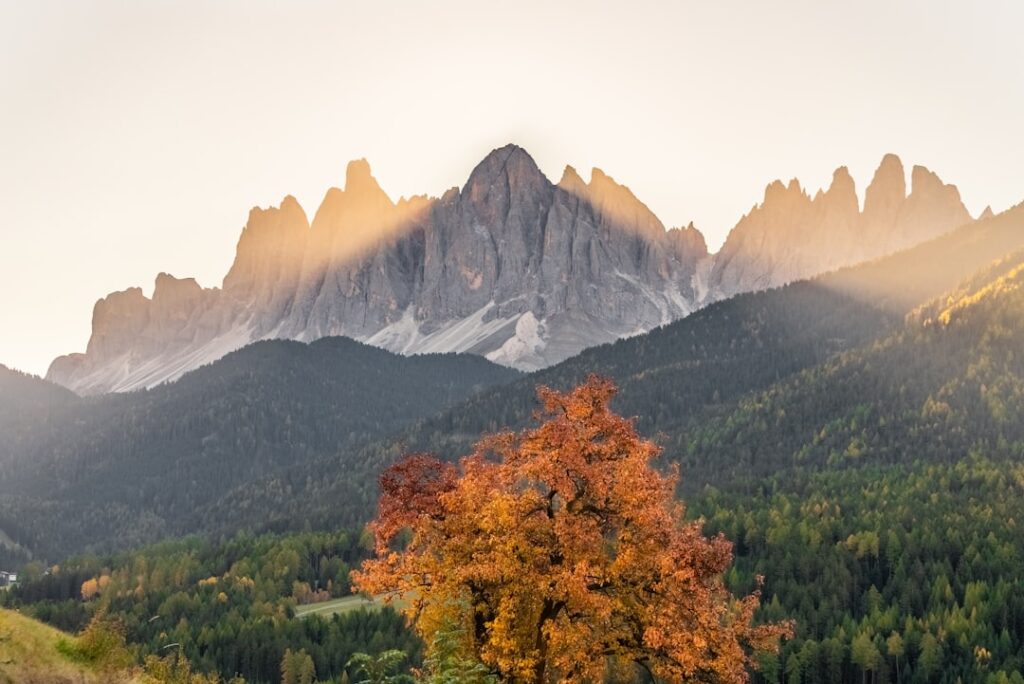
Val di Funes (Villnöss in German) is famous for its outstanding panorama of the Odle (Geislergruppe) and the iconic image of the Chiesa di Santa Maddalena (Church of St. Magdalena) set against jagged peaks. Accommodation here is mainly family-run guesthouses, farm stays (agriturismi) and a few boutique hotels — perfect for travelers seeking calm, nature and picture-perfect sunrise and sunset scenes.
Chiesa di Santa Maddalena — visiting and access
Address: Santa Maddalena (St. Magdalena), 39040 Funes (BZ), Italy (GPS coordinates available).
Hours: the church is often open to the public during the day, typically 09:00–18:00 in summer; mass times vary (check the local parish).
Description: A small parish church nestled in a meadow, it has become one of the most photographed scenes in the Dolomites. Morning light and low clouds create very different moods across the seasons.
Practical tip: for photos, arrive before sunrise to catch the golden hour and avoid crowds. Respect the peaceful setting: stay on paths, keep noise to a minimum, and don’t picnic on cultivated plots without permission. Nearby parking is limited; aim for very early morning or late afternoon arrivals.
Agriturismo Ranui — a farmstay experience
Address: Via Ranui 1, 39040 Funes (BZ), Italy.
Price guide: rooms/family units €70–€140 per night; breakfast often included with local farm products.
Hours: check-in typically 15:00–20:00; check-out 07:00–10:00; the farm operates throughout the day with activities and direct product sales.
Description: A classic farmstay in a renovated farmhouse offering immersion in pastoral life: cheeses, fresh milk, guided walks and horses.
Local tip: ideal for families and travelers seeking authenticity. Check if the farm offers dinner by reservation — a great way to sample local specialties (strudel, speck, cheeses).
Click here to reserve a private sunrise hike with breakfast
Practical Tips and Recommendations for Choosing Where to Sleep
Staying in traditional Dolomite villages requires a few adjustments compared with city travel. Here are concrete, practical tips to make the most of your stay.
- Booking: High season = book 2–6 months ahead for popular hotels (Adler, Cristallo, La Perla). For mountain huts (Rifugio Lagazuoi), reserve as early as possible by phone or website.
- Transport: some villages have pedestrian zones; check public parking (often charged €5–20 per day) and local shuttles in summer and winter. Mountain roads may require snow tires or chains in winter.
- Budget: expect €60–€120 per night for guesthouses and agriturismi; €120–€300 for comfortable hotels; €300+ for spa and luxury hotels. Rifugi: €30–€70 per person for dorm or simple room.
- Meals: half-board is often the most practical option at altitude. In villages, look for agriturismi for home-cooked meals at fair prices.
- Seasons: summer (June–Sept.) for hiking, alpine flowers and open huts; autumn (late Sept.–Oct.) for colors and quieter trails; winter (Dec.–March) for skiing; shoulder seasons for peace but limited services.
- Gear: sturdy hiking boots, layered clothing, sunscreen and a refillable water bottle. For rifugi, bring a headlamp and a towel if not provided.
- Languages & payment: Italian and German are common; English gets you by in hotels and tourist restaurants. Cards are widely accepted, but some rural spots prefer cash.
- Local respect: the Dolomites are a fragile natural area — don’t leave litter, respect pastures and stick to marked trails.
Click here to book a one-way private transfer to Cortina d’Ampezzo
Click here to book the express airport bus to Cortina
Conclusion: Pick Your Alpine Nest According to What You Want
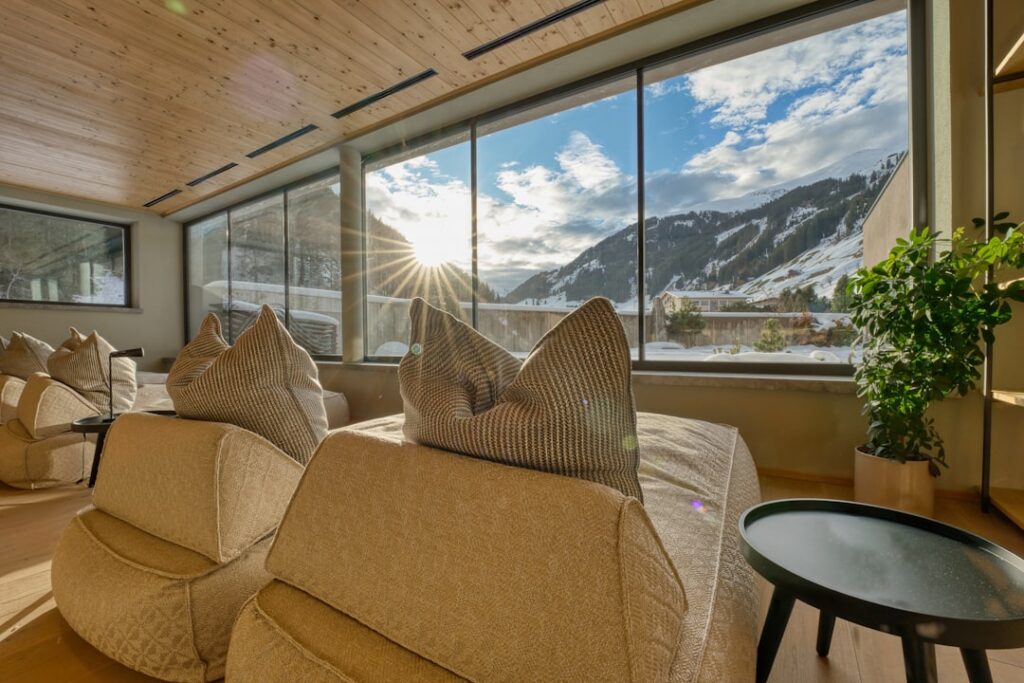
The Dolomites’ classic villages offer a spectrum of stays, from peaceful luxury to pastoral authenticity, and the rugged refuge life for adventurers. Ortisei and Val Gardena are perfect if you want a mix of Ladin culture, spa services and quick access to trails. Cortina d’Ampezzo pairs alpine glamour with an ideal position to explore the Tre Cime and historic rifugi. Alta Badia (Corvara, San Cassiano) will charm food-lovers and hikers who want to be at the heart of the Sella Ronda, while Val di Funes and the little church of Santa Maddalena are a haven for photographers and lovers of tranquil pastoral landscapes.
Practically speaking, decide your priority first: hiking, skiing, spa relaxation or cultural immersion. Book accordingly — rifugi for high-altitude nights, agriturismi for authentic local life, boutique hotels for comfort and gastronomy. Don’t forget to plan logistics (transport, rifugio hours, parking) and respect local customs: Ladin flavors, valley quiet and environmental protection. And leave room for the unexpected: a scenic drive, a stop at a village café or the show of the setting sun lighting the Dolomites can become the highlight of your trip.
Whether you’re after a balcony overlooking stone spires, a warm room after a cold day on the slopes, or a humble inn serving cheese produced on-site, sleeping in the Dolomites’ typical villages promises authenticity and lasting memories. Plan smart, respect the places you visit, and let the gentle alpine nights carry you — waking to church bells and the first light on the peaks is worth the journey alone.