





Introduction
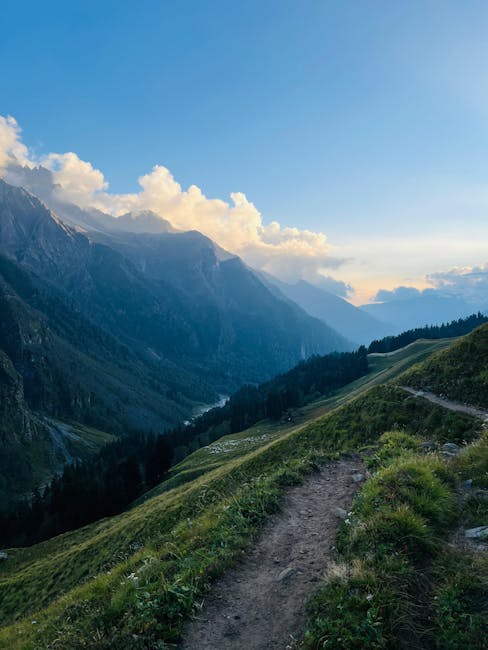
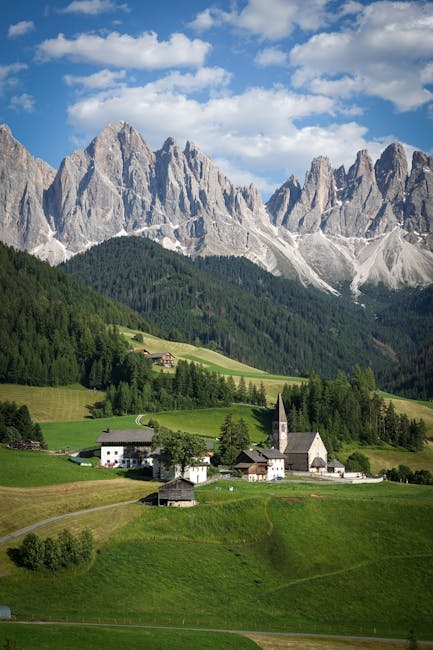
The Dolomites, a UNESCO World Heritage site since 2009, are one of Europe’s most spectacular and diverse mountain ranges for hiking. From pink limestone cliffs and lush alpine meadows to pastures dotted with chalets and jagged skyline ridges, every village along these mountains is not only a gateway to world-class trails but also a place of living alpine culture, hearty mountain food, and services tailored to walkers. This guide highlights the best hiking villages in the Dolomites, giving exact addresses, landmark pointers, price estimates, opening times, immersive landscape descriptions and practical tips to plan your hikes with confidence.
Moving roughly from south to north and west to east, the valleys each have a distinct vibe: Val di Fassa and Val Gardena show strong Ladin influence with well-marked trails and family-run mountain huts; Cortina d’Ampezzo, more cosmopolitan, links to challenging alpine routes and efficient lifts; Alta Badia and the Gardena Pass area offer accessible circular circuits and classic huts; and the zones around the Tre Cime di Lavaredo and the Sesto group provide vertiginous views reachable via alpine roads and well-maintained paths.
This article is more than a list: you’ll find basic itineraries, landmarks (churches, museums, cable cars, refuges), exact addresses (hotels, tourist offices, huts), info on costs (cable cars, museums, shuttles) and useful opening times to structure your hiking days. You’ll also get local tips — which mapping apps to favor, how to manage food supplies, when to avoid crowds and unstable weather, and how to respect the mountain environment. Finally, suggested photos will help you picture the landscapes and prepare your photography kit.
Cortina d’Ampezzo: Gateway to the Classic Routes
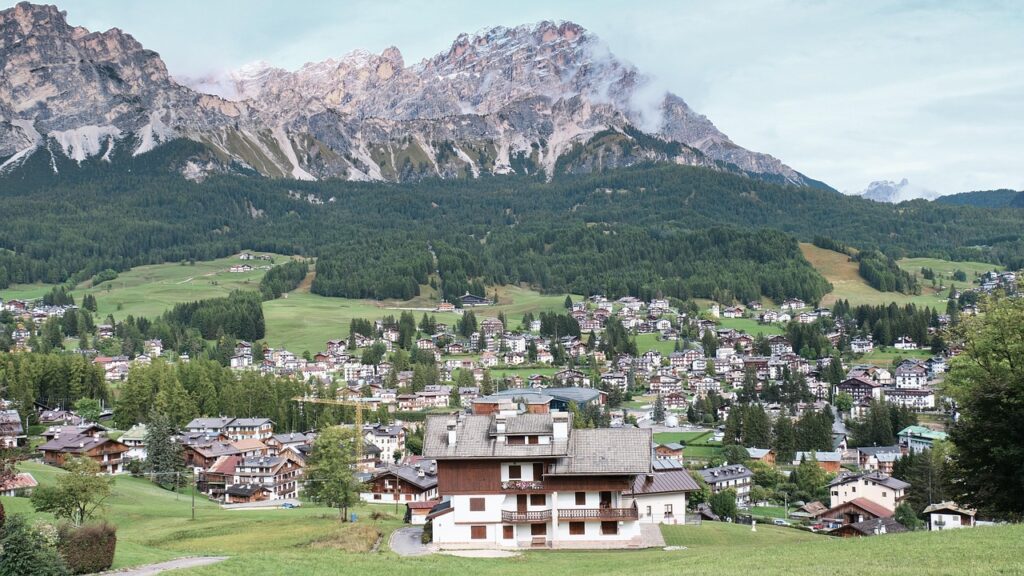
Cortina d’Ampezzo is one of the most famous villages in the Dolomites, located in the Belluno province. Known for its elegance, shops and facilities, Cortina is also an excellent starting point for hikes of all levels — to the Cinque Torri, the peaks of the Tofane Group or the alpine lakes. The town center revolves around via Roma and Piazza Angelo Dibona; the tourist office, Ufficio Turistico Cortina, is located at Corso Italia 69, 32043 Cortina d’Ampezzo (BL). Opening hours: daily 09:00–18:00; cost: free information and brochures.
Two lifts are particularly useful to reach popular trails: the Cable car Faloria (Funivia Faloria) departs from Via Faloria 24, 32043 Cortina d’Ampezzo, high-season hours: 08:30–17:00, approximate round-trip price: €22 adult. The gondola connecting Cortina to the Tofane massif (Freccia nel Cielo – Col Druscié) departs from Piazzale Olimpia, 32043 Cortina d’Ampezzo, hours: 08:30–17:30; round-trip roughly €25.
Recommended route: start in town (Piazza Angelo Dibona), climb via CAI trail 403 toward Rifugio Dibona (if open) then traverse to the Pianozes valley and return via Forcella Col dei Bos. Local point of interest: Cortina’s parish church, Chiesa Arcipretale dei Santi Filippo e Giacomo, piazza A. Dibona, free to visit; mass and visiting times: 07:30, 10:00, 18:00 (check the schedule at the entrance).
Practical tips: in high season (July–August) set off early — 07:00–08:00 — to avoid crowds and heat; bring trekking poles, sturdy ankle-high boots and a windbreaker: weather can change quickly above 2,000 m. Huts such as Rifugio Son Forca or Rifugio Scoiattoli accept reservations (phone recommended); budget €20–35 for a hot meal in a rifugio and €40–70 for a half-board night depending on the period.
 Click here to book a guided panoramic hike to the 5 Torri
Practical tips: in high season (July–August) set off early — 07:00–08:00 — to avoid crowds and heat; bring trekking poles, sturdy ankle-high boots and a windbreaker: weather can change quickly above 2,000 m. Huts such as Rifugio Son Forca or Rifugio Scoiattoli accept reservations (phone recommended); budget €20–35 for a hot meal in a rifugio and €40–70 for a half-board night depending on the period.
San Cassiano and Alta Badia: Ladin Lands and Scenic Trails
San Cassiano (St. Kassian in German) is a signature village of Alta Badia, located on the SS244 road; the main tourist office is Ufficio Turistico San Cassiano, Via Col Alt 6, 39036 San Cassiano (BZ). Opening hours: Monday–Saturday 09:00–12:30 and 15:00–18:00 in high season; map and brochure prices: €1–3. San Cassiano is perfect for balcony hikes that link multiple huts and offer sweeping views of the Sella Group and Lavarella cliffs.
One classic route is the loop via Passo Valparola and Passo Falzarego, with an ascent to Rifugio Lagazuoi (one of the most photogenic huts) located at Rifugio Lagazuoi, Passo Falzarego, 32020 Colle Santa Lucia (BL). Lagazuoi cable car hours: 08:30–17:00; round-trip price: about €30. From the top you get a panoramic vista over the eastern Dolomites and can descend on historic wartime trails and restored tunnels.
San Cassiano also offers gentler walks: the stroll to Lake Piasters and the climb to Rifugio Ücia de Sennes for meadow views. Food: try canederli (dumplings), polenta with mushrooms and rich cream desserts; a full meal in a local stube costs about €18–35. For lodging, Hotel La Perla, Via La Chësa 24, 39036 Corvara in Badia (BZ), provides route information and transport services to trailheads (tel. +39 0471 839050).
Logistics tips: Alta Badia has a regional bus network (SAD – Trentino Alto Adige); a local ticket is around €2.50–5 depending on distance. High mountain huts generally open from June to September; check opening dates on official sites. Always carry a paper map (IGN or Tabacco) and download an offline map (Maps.me or Komoot). Finally, respect wildlife and alpine meadows: stay on marked trails and carry out your trash.
Click here to join a guided hike to Lagazuoi
Ortisei (Urtijëi) and Val Gardena: Sculpted Trails and Ladin Culture
Ortisei, known in Ladin as Urtijëi, is the largest village in Val Gardena and a major hub for hikers and folk-art lovers. The tourist office, Ufficio Turistico Ortisei, is at Via Rezia 85, 39046 Ortisei (BZ). Opening hours: daily 08:30–12:30 and 15:00–18:00 in July and August; guided themed hikes (woodcarving, Ladin history) are available by reservation.
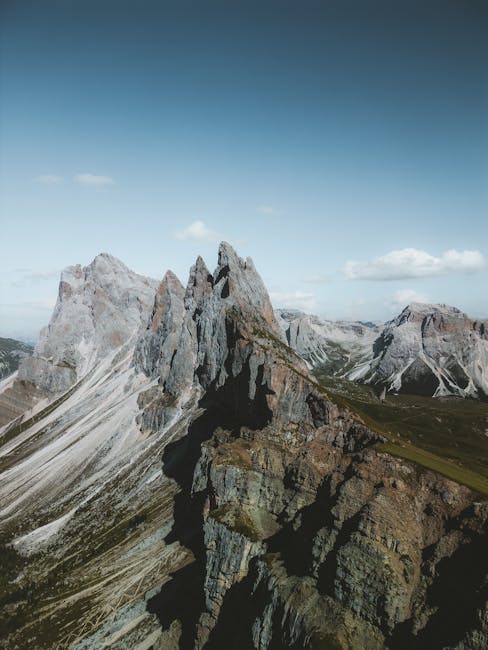
Ortisei is the gateway to the Seceda massif via the Seceda Funicular (part of the Val Gardena Ronda), departing from Ortisei, piazza Stetteneck, hours: 08:00–17:30; price: around €15–22 round-trip depending on season. From the summit, spectacular trails run along sharp ridges with views of the Sella and Sassolungo (Langkofel). A recommended route: Seceda – Col Raiser – Rifugio Firenze, a moderate 4–6 hour loop with nonstop panoramas.
Sights and visits: don’t miss the parish church Chiesa di San Giacomo, Via J. Benedet 2, 39046 Ortisei, a fine example of alpine architecture and local sculpture; open to visitors, mass and visiting times: 08:00, 10:00 and 18:00. For art fans, the Museum Gherdëina, Via S. Antonio 16, 39046 Ortisei, showcases the valley’s woodcarving tradition; admission: €6 adult, concessions available; opening hours: 10:00–17:00 (closed Mondays off-season).
Practical tips: trails around Ortisei are well signposted (yellow CAI signs and red-white markers); carry Tabacco map no. 07/08 (Val Gardena/Val di Fassa). Local buses connect Ortisei with Santa Cristina and Selva di Val Gardena (ticket about €2.50). Book huts during busy periods. And try a Tirtlen (a fried pastry) at a stube — a great energy snack for a day on the trail.
Click here to book a photo session in Val Gardena
Sights and visits: don’t miss the parish church Chiesa di San Giacomo, Via J. Benedet 2, 39046 Ortisei, a fine example of alpine architecture and local sculpture; open to visitors, mass and visiting times: 08:00, 10:00 and 18:00. For art fans, the Museum Gherdëina, Via S. Antonio 16, 39046 Ortisei, showcases the valley’s woodcarving tradition; admission: €6 adult, concessions available; opening hours: 10:00–17:00 (closed Mondays off-season).
Canazei and Val di Fassa: Glacier Routes and Alpine Lakes
Canazei is the heart of Val di Fassa and a great base for reaching Sella passes, the Catinaccio (Rosengarten) group trails and high mountain lakes. The tourist office APT Val di Fassa – Canazei is at Via Dolomites 63, 38032 Canazei (TN). Opening hours: 09:00–18:00; free brochures available. Strategic lifts (part of the Sella Ronda network) give access to circular routes on foot or by MTB: for instance, the funivia Canazei – Pecol (Col Rodella) leaves from Piazza Marconi, Canazei, hours: 08:30–17:00; price: roughly €18–28 round-trip depending on destination.
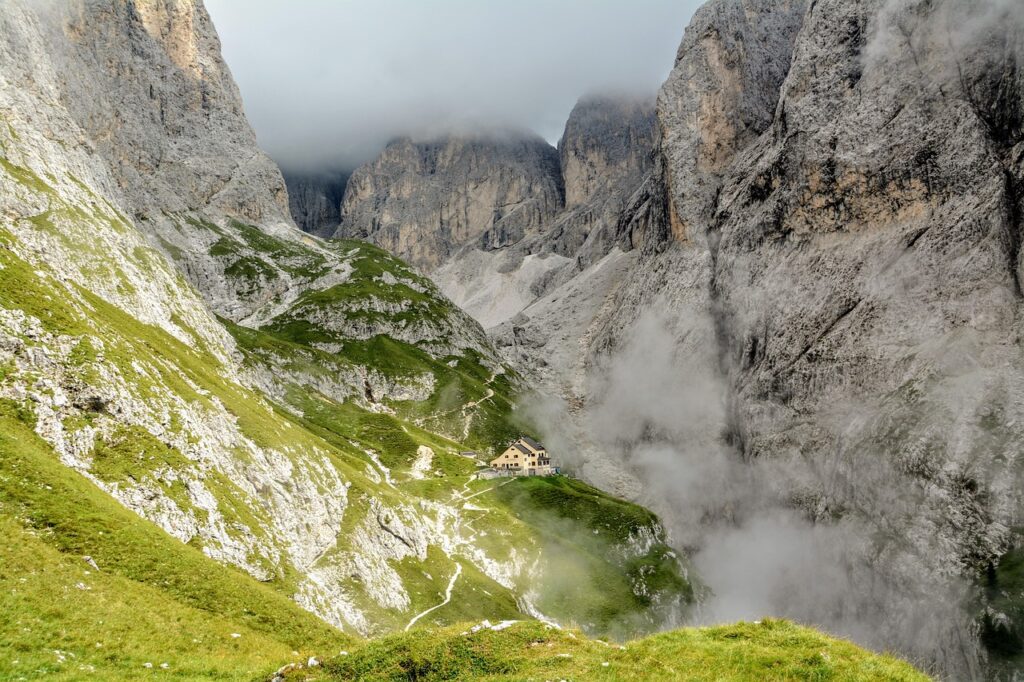
A signature hike: from Canazei to Passo Pordoi following the trail along the Sella face, with stops possible at Rifugio Contrin (Rifugio Contrin, Val Contrin, 38032 Canazei) for a meal and break. Lake Carezza (Lago di Carezza) is also a short drive away for an easy walk around the lake; access: free; parking paid and variable (€2–5).
Prices and lodging: a summer night in a 3-star hotel in Canazei costs around €70–120; half-board in a rifugio: €35–55. Long-distance refuges on the Alta Via (e.g. Rifugio Re Alberto) often charge €20–40 per bunk bed per night, breakfast and dinner extra. For long crossings (Alta Via 1 and 2), plan stages carefully, book nights in advance and check hut opening times (usually June–September).
Local tips: weather in Val di Fassa can shift fast — consult regional forecasts on METEOTRENTINO or the ARPA Trentino app. Carry a basic first-aid kit, a power bank, and if you expect rocky sections, a light helmet. Consider a Dolomiti Superski Guest Card if you’ll use multiple cable cars over several days: it can lower the overall lift cost (prices vary by season).
Click here to book your half-day Sellaronda experience
Auronzo di Cadore and the Tre Cime di Lavaredo: Iconic Trails and Historic Huts
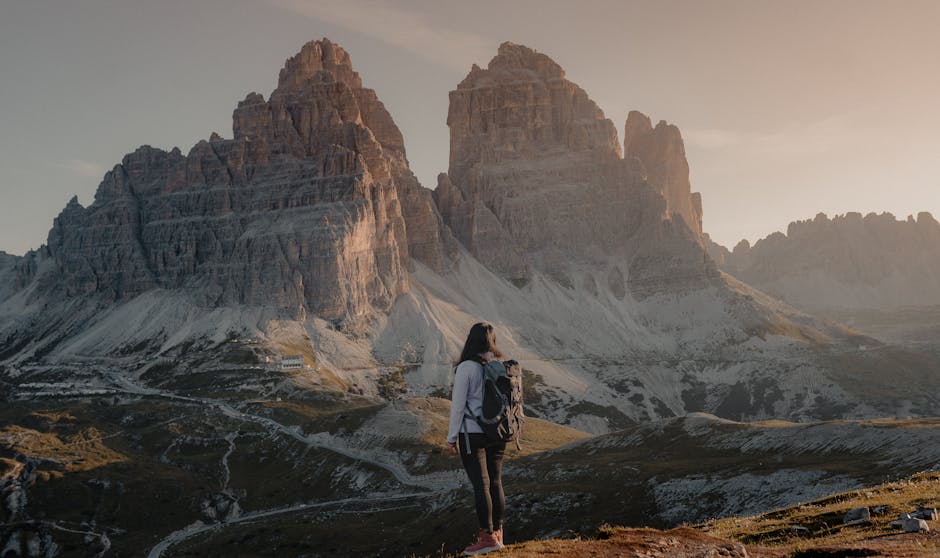
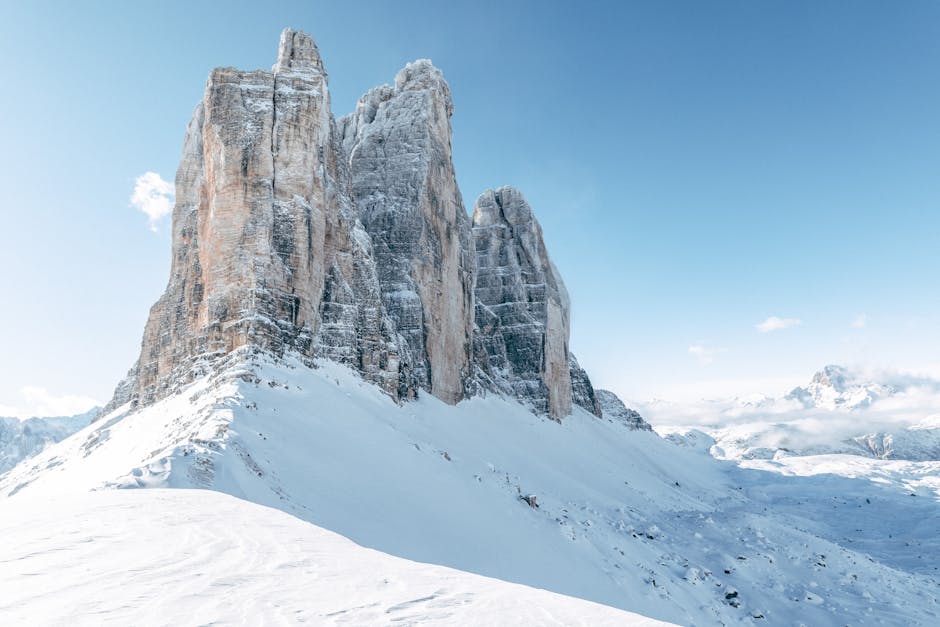
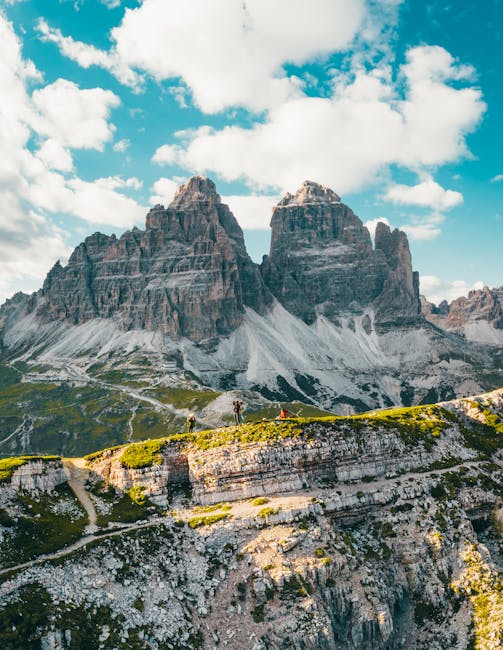
The Tre Cime di Lavaredo (Drei Zinnen) area is arguably one of the most iconic landscapes of the Dolomites. Auronzo di Cadore is the main village to access the site easily (although Dobbiaco/Toblach and the Passo Tre Croci area are also starting points). Auronzo’s tourist office is Ufficio Informazioni Turistiche Auronzo, Via Cesare Battisti 1, 32041 Auronzo di Cadore (BL). Opening hours: daily 09:00–17:30 in high season; info: free documentation.
To reach the Tre Cime trailhead you can park at Parcheggio Rifugio Auronzo (Parking Auronzo, SS48, 32041 Auronzo di Cadore), usually open 06:00–20:00; parking fee: around €30 per car (daily rate, seasonal variation). From the lot the classic loop (Rifugio Auronzo – Rifugio Lavaredo – Forcella Lavaredo) takes about 3–4 hours. Rifugio Auronzo (on the edge of the parking) offers food and lodging; address: Rifugio Auronzo, SS48, 32041 Auronzo di Cadore, tel. +39 0435 4011; meal prices: €15–30, overnight in dorm or room varies €30–80 by season.
Another interesting access point is the small village of Misurina, near its namesake lake Lago di Misurina, SS51, 32041 Misurina (BL), which offers a stunning view of the Tre Cime at sunrise. The local museum Museo delle Tre Cime dives into the alpine and military history of the area; address: Via delle Dolomiti 10, 32041 Misurina, hours: 10:00–16:00; admission: €5–8.
Practical tips: the Rifugio Auronzo car park may close if overcrowded or under snow: check the municipality site for updates. For sunrise (a magical experience) plan to park the day before or arrive extremely early (access gates can be closed at night); bring headlamps for early ascents. Protect yourself from the sun: high altitude and light-colored limestone reflect a lot of light. Finally, follow refuge keeper instructions and never light fires.
Click here to discover Tre Cime refuges with a guide
General Tips for Hikers in the Dolomites
Before you head out, a few rules and best practices will greatly improve safety and enjoyment. First, always plan your route using both a paper map (Tabacco) and an offline GPS app (Komoot, ViewRanger, Maps.me). Trails are marked by the Club Alpino Italiano (CAI) with numbers and red-white paint; learn to recognize these signs.
For gear, prioritize: ankle-support hiking boots (Vibram soles), a waterproof-breathable jacket, a thermal layer, a hat, UV sunglasses and sunscreen. Always carry water (1.5–2 L per person for a typical day), energy snacks (bars, dried fruit), a first-aid kit, a map and a power bank. If your itinerary exceeds five hours or includes exposed sections, add a light helmet and possibly a safety kit for equipped passages.
- Seasonality: the best period is late June to early October for most trails; some passes remain snow-covered late in the season.
- Permits and restrictions: you don’t need a general permit to hike, but protected areas (Parco Naturale Puez-Odle, Parco Naturale Dolomiti d’Ampezzo) may have specific rules (dogs on leash, no camping zones).
- Transport: regional bus links are frequent; check timetables at tourist offices. Mountain parking can be paid and limited.
- Environmental respect: don’t pick protected plants, don’t disturb wildlife, and carry out your rubbish (leave no trace).
Finally, if you’re new to the mountains or planning technical routes, hire a mountain guide (local Alpine Guides). The Italian Alpine Association (Guide Alpine Dolomites) offers guiding services starting around €200–300 per day (price varies by duration and expertise).
Conclusion
Dolomite villages offer far more than trailheads: they are cultural hubs where Ladin traditions, mountain hospitality and direct access to an incredibly varied landscape converge. Whether you seek a peaceful stroll around a glacial lake, the thrill of a rocky ridge, or the discovery of historic routes, each village — Cortina d’Ampezzo, San Cassiano, Ortisei, Canazei, Auronzo di Cadore, Misurina — has its own character and services for hikers (tourist offices, huts, lifts, parking).
To prepare your trip: always check cable car and hut opening times (many close off-season), carry Tabacco paper maps and a GPS app, and book accommodations and huts for July–August. Respect the mountains by staying on marked trails and acting responsibly toward wildlife and plants. Keep some flexibility in your schedule: mountain weather can force changes, and it’s often more rewarding to soak up a view from a hut at a relaxed pace.
The Dolomites remain a destination where the villages themselves are part of the hiking experience: stubes, parish churches, local museums, woodcarving workshops and historic rifugi enrich every break and detour. By following the logistical tips and choosing villages that match your level, you’ll make the most of this dramatic territory. Happy hiking — take the time to listen to the silence of the mountains and watch the pink rock change color through the day.