





Introduction
Driving through the Dolomites is an experience that blends adrenaline, awe and logistics. These UNESCO-listed mountains offer spectacular roads, legendary passes and jaw-dropping panoramas: sheer rock spires, high alpine meadows and emerald glacial lakes. But that beauty comes with challenges — high altitude, tight hairpins, rapidly changing weather and sometimes limited services off-season. This guide is aimed at drivers — tourists in cars, motorcycles and motorhomes — who want to make the most of Dolomite roads while minimizing risks and maximizing enjoyment.
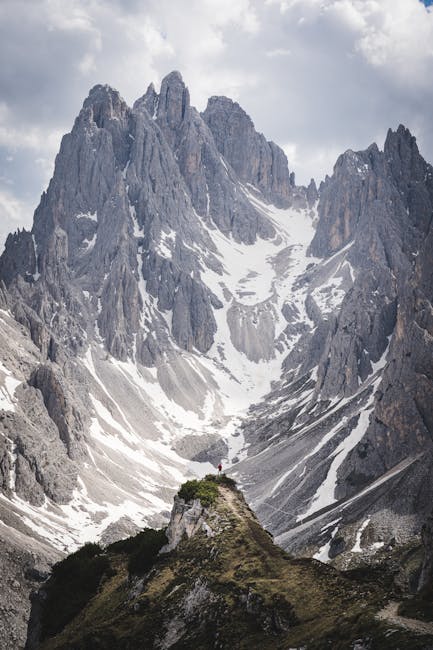
First things first: “high altitude” in the Dolomites usually means stretches between 1,500 m and over 3,000 m. The most famous passes, like Passo Pordoi (2,239 m), Passo Sella (2,240 m) and the Tre Cime di Lavaredo area (Forcella Lavaredo, up to 2,999 m on the highest accessible trails), bring conditions very different from the lowlands: thinner air, lower temperatures, strong winds and the possibility of fog or even snow in summer. Anticipating these factors is key to driving with confidence.
In this introduction I’ll cover the practical basics: preparing your vehicle and gear, planning routes while taking cable car and hut opening times and fees into account, understanding local road signs and right-of-way rules, and specific driving tips for climbing and descending at altitude. We’ll also look at human factors: physiological effects of altitude (headache, breathlessness), hydration, what to eat before hitting the road, and how to spot safe, scenic pullouts.
Finally, this guide includes concrete references — full place names, exact addresses, indicative opening hours, prices in euros and practical recommendations for each site mentioned. That way you can enjoy iconic viewpoints like Lago di Braies (Pragser Wildsee) and the Tre Cime di Lavaredo (Drei Zinnen), while handling the logistics: parking, peak times and services at trailheads and cable car stations. Whether you’re day-tripping from Cortina d’Ampezzo or road-tripping over the passes from Bolzano, this guide aims to make you self-sufficient, cautious and relaxed.
 Click here to book a day trip to Lake Braies
Click here to book a guided tour of the Tre Cime refuges
Preparing your vehicle and gear for altitude
Vehicle prep is the first non-negotiable step for driving in the high Dolomites. Before any ascent, do a focused check: brakes, tire condition (pressure and tread depth), oil level, coolant and battery. Cooler temperatures and long stretches in low gears will stress the drivetrain more than flat roads. If you’re on a motorcycle, check cold tire pressures and secure your luggage and fastenings; if you’re in a motorhome, check load distribution to avoid dangerous imbalances on twisty roads.
A mountain-ready emergency kit should be within easy reach: survival blanket, headlamp, windproof and waterproof jacket, gloves, snow chains (if traveling off-season), first aid kit, warning triangles and jumper cables. Also carry a water reserve (minimum 2 litres per person) and non-perishable food (energy bars, dried fruit). Fuel stations can be scarce on some alpine routes: plan your fuel autonomy accordingly.
Electronics: an up-to-date GPS (phones may lose signal), a paper map of the region (Dolomites map) and a power bank. Install a reliable weather app and a route planner that accounts for closed passes. For motorcyclists, a small tool kit and a tire repair kit can save the day. If you’re driving a rental vehicle, make sure the rental company allows mountain driving and is aware the car will be used at high altitude.
Practical equipment tips:
- Brake check before every descent: prolonged braking heats the system and can reduce effectiveness. Use engine braking whenever possible.
- Tires: in summer, prioritize good-condition tires; in spring and autumn carry chains or use winter tires if forecasts predict cold or snow.
- Recommended pressure: the pressure shown on the vehicle sticker is the reference, but check and adjust after a long climb if needed.
- Parking: stop only in designated areas and at huts; some viewpoints, like the Lago di Braies car park, have restricted hours and fees (details below).
Compare and plan routes: passes, cable cars and parking
Route planning is crucial: the Dolomites are full of passes and access points that can be very busy in high season. Classic routes include Passo Pordoi, Passo Sella, Passo Gardena, Passo Falzarego and the Tre Cime di Lavaredo massif. Each pass has its own opening calendar and services (cable cars, car parks, huts).
Some practical details with addresses and essential info:
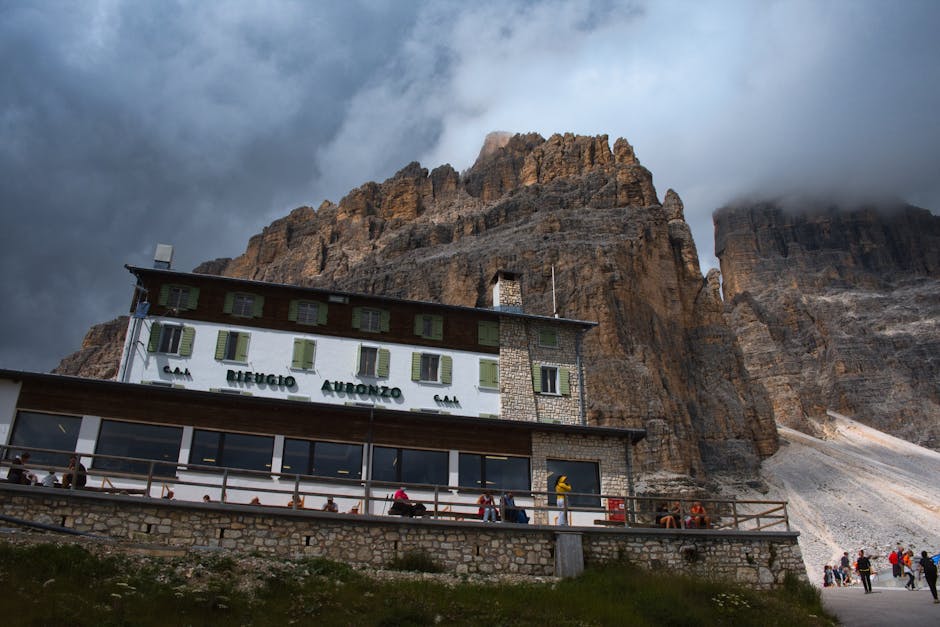
- Rifugio Auronzo (Tre Cime di Lavaredo) — Address: Forcella Lavaredo, 32041 Auronzo di Cadore BL, Italy. Opening hours: generally open from late May to mid-October, 07:00–19:00 (seasonal). Price: road access to the Rifugio Auronzo car park is often paid, approximately €30–40 per day for cars (varies by season).
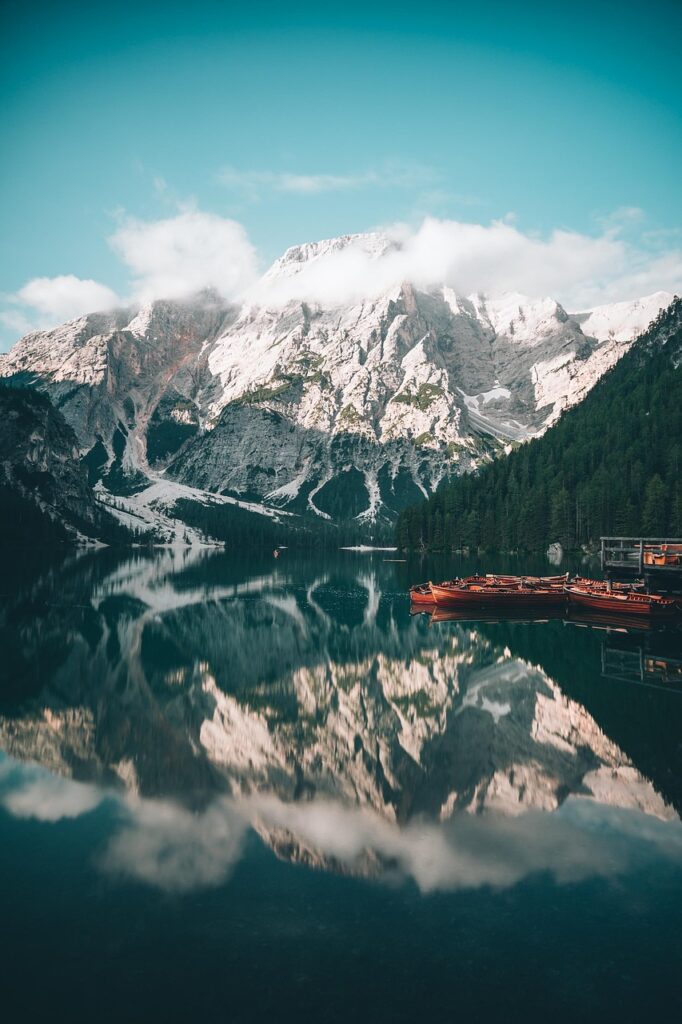
- Lago di Braies (Pragser Wildsee) — Address: Lago di Braies, 39030 Braies (BZ), Italy. Parking hours: in high season the public car park may operate 06:00–20:00 with managed access; shuttle buses available. Price: parking from €6–10/hour or a day pass around €25 for cars (seasonal rates).
- Passo Pordoi – Funivia Sass Pordoi — Address: Funivia Sass Pordoi, Passo Pordoi, 38036 Canazei TN, Italy. Opening hours: cable car often runs 08:30–16:30 in summer; Price: roundtrip about €30–35 per adult (indicative, seasonal).
- Passo Falzarego – cable car to Lagazuoi — Address: Passo Falzarego, 32020 Colle Santa Lucia BL, Italy. Opening hours: generally 09:00–17:00 (seasonal). Price: roundtrip €25–35.
These times and prices are reference points; always check official sites before you leave. Many car parks and cable cars close outside the season, and some road sections are closed to private vehicles at certain hours to limit congestion — notably around Lago di Braies and some Tre Cime access roads. Booking a cable car ticket or reserving a parking space in advance at popular sites will save you a lot of time.
To organize your day:
- Start early: the best light for photos and the least traffic are at sunrise.
- Focus on one or two major sites per day to avoid excessive driving and constant stops.
- Plan alternatives in case of bad weather: local museums, huts with views or detour roads.
- Respect signs and access barriers: some stretches are reserved for shuttle buses or pedestrians during summer.
Click here to book a guided hike to Lagazuoi 2,800 m
Click here to discover the Grande Dolomites circuit and the Pordoi pass
Climbing and descending: techniques and safety
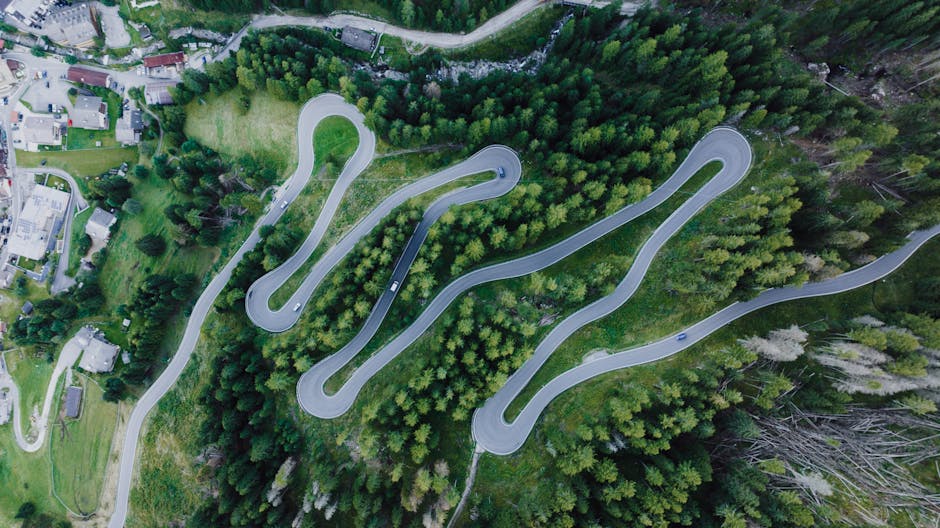
Driving at altitude requires special attention to engine and brake management. When climbing, use lower gears to keep power and avoid overheating the clutch. Modern turbocharged engines lose less power at altitude than older naturally aspirated engines, but you’ll still feel the difference. If the engine feels strained, slow down and hold a steady speed rather than forcing overtakes.
On descents, use engine braking: downshift progressively before corners and avoid prolonged hard braking that can cause overheating and brake fade. For long downhill stretches, stop regularly in designated areas to let the braking system cool.
Some rules and practical tips:
- Safe distance: increase the gap to the vehicle ahead. On winding mountain roads, stopping distances are longer than on flat roads.
- Hairpin turns: give a short beep when visibility is limited before tackling a tight hairpin if there’s no mirror; follow the local priority signs.
- Parking: always use official car parks and designated viewpoints; avoid unstable or unprepared shoulders.
- Weather: in rain, snow or fog reduce speed by 20–40%; use dipped headlights and fog lights front/rear if required by regulations.
- Respect nature: don’t leave litter, obey signs and stay on footpaths; some roads cross protected areas and alpine pastures.
Drive cautiously while taking time to enjoy the views — slowing down to appreciate a panorama is fine as long as you don’t obstruct other road users. If a stretch makes you uncomfortable, pull into a service area and let traffic pass.
Physiological effects of altitude and tips for drivers
High altitude also affects the human body. Common symptoms at moderate to high altitude include breathlessness during exertion, slight drop in concentration, headaches, fatigue and dehydration. For drivers, these effects can reduce alertness and decision-making ability, especially after hours of focused driving.
Practical recommendations:
- Hydration: drink regularly, even if you’re not thirsty. Allow at least 1–2 litres per person for a half-day at altitude; dry air and exertion increase needs.
- Food: favor light meals rich in complex carbs (a full sandwich, light pasta) and energy snacks (nuts, bars). Avoid alcohol before or during driving as it increases dehydration and impairs alertness.
- Regular breaks: every 1–1.5 hours take a 10–15 minute break to stretch and check the vehicle.
- Altitude and sleep: if you climb and sleep at high altitude (hut or high-altitude hotel), acclimatize gently the first night and avoid intense exertion the next morning.
- Medication: if you are sensitive to altitude or have respiratory issues, consult a doctor before traveling; some people use acetazolamide with a prescription to prevent acute mountain sickness.
Watch for signs of distress in passengers: confusion, vomiting, extreme drowsiness or difficulty breathing. If severe symptoms occur, descend to a lower altitude and seek medical help. Alpine huts like Rifugio Auronzo (Forcella Lavaredo) or valley stations can assist in assessing the situation and directing you to local emergency services if needed.
Click here to book a private sunrise hike with breakfast
Must-see sites: addresses, hours, prices and local tips
Here’s a selection of emblematic Dolomite sites with practical info so you can plan your stops with confidence:
- Lago di Braies (Pragser Wildsee)
Address: Lago di Braies, 39030 Braies (BZ), Italy.
Opening hours: parking and access are managed seasonally; early morning access recommended (06:00–20:00 in high season).
Price: basic parking €6–10/hour, day pass €20–30 depending on seasonal management; boat rental around €15–20 for 30 minutes.
Tip: arrive before 08:00 to avoid crowds and parking overflow. Respect pedestrian areas around the lake and don’t leave any trash. - Tre Cime di Lavaredo – Rifugio Auronzo
Address: Rifugio Auronzo, Forcella Lavaredo, 32041 Auronzo di Cadore BL, Italy.
Opening hours: road access generally from late May to mid-October (07:00–19:00), depending on winter conditions.
Price: paid road access (often €30–40 per day for cars), parking at the hut. Circular trail doable in 2–4 hours on foot.
Tip: wear good shoes and bring a windproof jacket; weather changes quickly at the top. - Passo Pordoi – Funivia Sass Pordoi
Address: Funivia Sass Pordoi, Strada Statale 48 delle Dolomiti, Passo Pordoi, 38036 Canazei TN, Italy.
Opening hours: cable car runs mainly in summer, roughly 08:30–16:30.
Price: roundtrip ticket ~€30–35 (adult).
Tip: the panoramic terrace at the top offers 360° views of the Dolomites; bring warm clothing even in summer. - Cortina d’Ampezzo – Piazza Angelo Dibona
Address: Piazza Angelo Dibona, 1, 32043 Cortina d’Ampezzo BL, Italy.
Opening hours: shops and tourist offices generally open 09:00–18:00; some stores extend hours in winter season.
Price: central parking is paid depending on zones (day rates €15–25 variable).
Tip: Cortina is a great base for exploring; book accommodation well in advance in high season.
These stops are perfect for alternating driving with short walks, helping your body acclimatize and giving your eyes time to drink in the scenery. Follow local recommendations: hut opening hours and access restrictions are there to protect fragile natural areas.
Click here to book a private day tour of the Dolomites’ lakes
Local etiquette and respectful mountain behavior
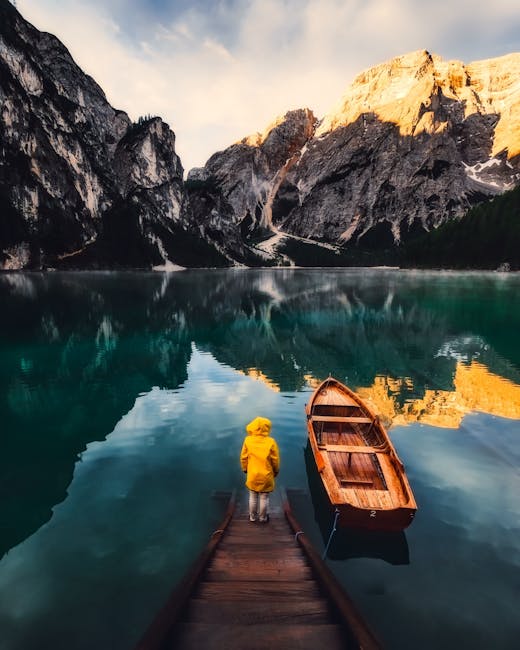
The Dolomites are a living landscape: shepherds, hikers, cyclists, mountain guides and local communities share these roads. Adopting respectful behavior ensures both your safety and the preservation of the scenery. Here are commonsense tips that are often overlooked:
- Obey speed limits and signs: on narrow roads priority is clearly marked; don’t commit if you can’t see far enough ahead.
- Don’t block stopping areas: stop only in designated scenic spots; keep huts and bus stops clear.
- Support the local economy: buy drinks and snacks at huts — prices reflect the logistics of altitude (e.g. coffee €2.50–3.50, simple meals €12–20).
- Animals and pastures: respect fences and don’t chase livestock; some roads run alongside alpine pastures where cows and sheep roam freely.
- Waste management: pack out your trash if no bins are available; the “leave no trace” principle is vital in these fragile areas.
Finally, pace yourself: locals know a mountain day is not a race. Enjoy a coffee at a rifugio, ask people for local weather and route tips, and take time to stay still in front of a panorama that’s worth more than a single snapshot.
Conclusion
Driving at high altitude in the Dolomites is an incomparable adventure, combining epic scenery, technical roads and genuine human encounters. To get the most from it, preparation — vehicle, gear and route planning — is essential. Check your vehicle’s condition, pack a mountain-ready emergency kit, plan your stops and bookings (parking, cable cars, huts) and be ready for changing weather and altitude.
On the road, adopt a preventative, calm driving style: manage braking, use engine braking, adapt to tight turns and strictly follow signs and parking rules. Take care of your body: stay hydrated, take regular breaks and be alert to signs of acute mountain sickness. If someone feels unwell, the rule is simple — descend to a lower altitude and seek help if necessary.
Above all, respect the environment and local communities: leave places like Lago di Braies and the areas around the Tre Cime clean, support huts and local businesses, and approach these age-old landscapes with humility. The Dolomites reward patience and caution with views that linger in memory, and with the special feeling of sharing an exceptional natural space with mindful fellow travelers. Safe travels, take care on the passes, and enjoy these roads that inspire travelers worldwide.