





Introduction
Packing for the Alta Via in the Dolomites is more than just stuffing a backpack: it’s a promise of alpine freedom, and how you organize will largely determine how enjoyable and safe your trek is. The Alta Via, in its various flavors (Alta Via 1, Alta Via 2 and local variants), crosses UNESCO-listed landscapes: stratified faces, otherworldly scree slopes, flower-filled pastures, historic mountain huts and wind-swept cols. Traveling light while keeping the essentials is an art. This article offers a short, practical checklist tailored to the Dolomites, but it goes beyond a simple inventory: it explains why each item matters, where to buy or rent locally, and gives concrete tips to optimize weight and use.
The Dolomites often demand quick adjustments to weather: cool mornings and sunny afternoons, with sudden summer storms possible. Trails vary widely: flat alpine traverses, technical stretches with chains and ladders, and sections that hang above cliffs. The right pack, suitable boots, a reliable rain kit and a headlamp can be the difference between an enjoyable hike and a long, tiring day. Sleeping in rifugi (mountain huts) also means knowing opening times, exact locations and how to book — part of the logistical prep.
We’ll break down pack contents into clear categories: clothing and layers, technical gear, food and hydration, safety and first aid, documents and comfort, plus options for lightening your load by renting locally. Each section includes local tips, names of huts and points of interest (with addresses and opening hours), and indicative price ranges in euros for common services like lifts, shuttles or dorm beds. Whether you’re planning the classic Alta Via 1 from Dobbiaco to Belluno or a 3-day slice around Cortina d’Ampezzo, this checklist aims to be concise but complete so you can head out with confidence.
Before you leave, always check trail conditions with local tourist offices, adapt your load to your fitness and planned weather, and remember that quality, well-chosen gear will be used in all conditions — letting you fully appreciate the Dolomites’ mineral grandeur.
 Click here to discover Cortina and the Dolomites in a day
<img width="1024" height="576" src="http://dolomites.ue.is/wp-content/uploads/sites/18/2026/03/tre-cime-di-lavaredo-sunrise-near-cortina-1024×576.jpg" class="aligncenter" alt="Tre Cime at sunrise near Cortina » loading= »lazy » />
1) Clothing and Layers: the Lightweight Essentials
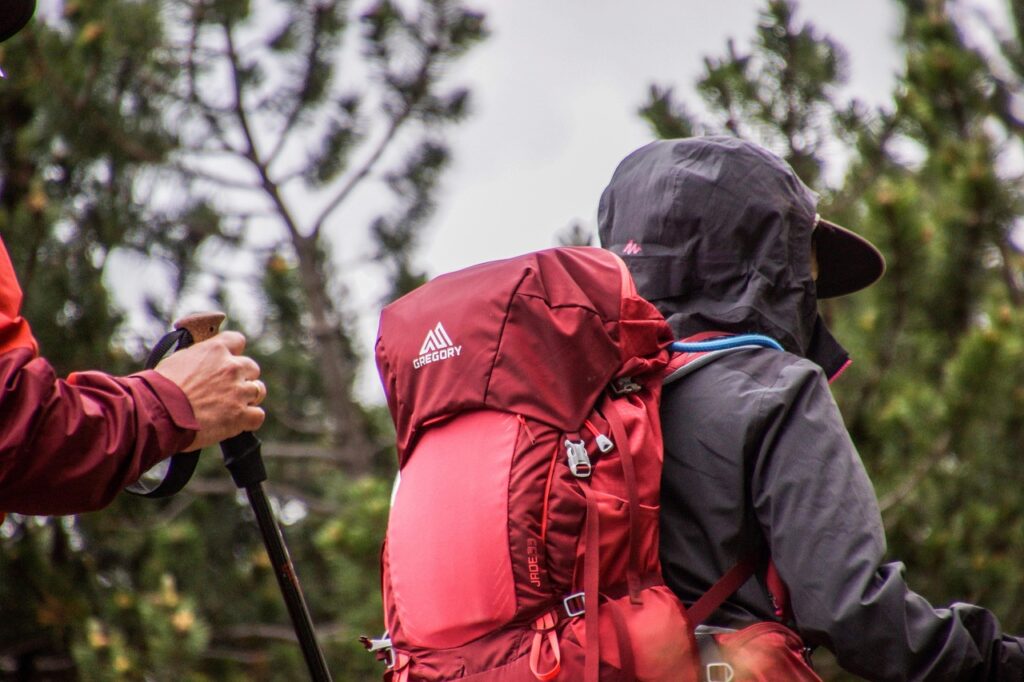
On the Alta Via the golden rule is layering: several thin layers replace one bulky garment and let you adjust your body temperature as conditions change. At a minimum your pack should include:
- Base layer: a breathable synthetic or merino wool T-shirt (two shirts if you’ll be out several days without washing). Example: a light 150 g merino T-shirt.
- Insulating layer: a light fleece or a compressible synthetic down jacket (roughly 300–600 g depending on fill). Prefer a compressible jacket that can double as a night layer in huts if needed.
- Wind/rain shell: a hardshell or waterproof-breathable jacket (Gore-Tex or equivalent) — essential for sudden rain and wind. Expect to pay between €120 and €400 depending on the model.
- Hiking trousers: convertible zip-off trousers or a lightweight, durable pair. A spare bottom layer can be handy if you get soaked in a long storm.
- Underwear and socks: two pairs of hiking socks (wool or blends), breathable underwear.
- Accessories: thin beanie, buff/neck gaiter, light gloves and waterproof gloves if you plan to cross late cols. Even in summer mountain evenings can be chilly.
Local tip: in the Cortina d’Ampezzo valley, Sport Mountain srl (Via Cesare Battisti, 20, 32043 Cortina d’Ampezzo BL, Italy, generally open 09:00–12:30 and 15:00–19:00; indicative prices: T-shirts €40–90, jackets €150–350) sells or rents technical layers. In Dobbiaco/Toblach, Sportservice (Piazza Municipio 1, 39034 Dobbiaco BZ) also rents light down jackets and waterproofs for roughly €10–25 per day depending on the gear.

Organization: pack clothes in waterproof sacks or compression pouches to save space and keep things dry. Place your down jacket near the top or compressed at the bottom if you normally carry heavier items above it. Huts usually provide pillows and blankets, but bring a lightweight liner (sleeping bag liner) — often required for hygiene in huts (typical purchase cost €20–40, sometimes sold at the huts).
2) Boots, Poles and Technical Gear
Alta Via trails range from well-marked paths to rocky sections with fixed cables (partial via ferrata). Having the right technical gear is crucial:
- Hiking boots: choose mid- or high-cut boots with good grip (Vibram sole) and ankle protection. For technical sections a stiff sole and firm support are preferable. Average price: €100–220.
- Trekking poles: reduce strain on knees during descents and stabilize you on loose ground. Foldable or telescopic, lightweight (about 200–300 g each) and adjustable.
- Helmet and via ferrata kit: if your route includes official via ferrata sections, you may need a helmet, harness and via ferrata lanyard. Rental is possible in Cortina centers (e.g. Rockstore Cortina, Via Roma 54, 32043 Cortina d’Ampezzo; hours 09:00–18:00; kit rental €20–40/day).
- Accessory cord and slings: a short cordelette (6–8 mm) isn’t usually necessary for the standard Alta Via, but a 120 cm tubular sling and a small pulley can be handy to secure packs or help a partner.
- Insoles and blister care: orthotic insoles, blister patches and adhesive tape for toes.
Practical advice: break in your boots before you go with several long hikes and try them with thin then thick socks to find the right fit. In Cortina d’Ampezzo, Fausto’s Trek (Corso Italia, 70, 32043 Cortina d’Ampezzo BL) offers boot fitting services and custom insoles (cost €40–90). Poles are typically €8–15/day to rent.
Click here to join a panoramic hike at 5 Torri

Technical safety: check the condition of trail markers and SIGNA signs at the start of each day. The Auronzo di Cadore Tourist Office (Piazza O. Stanchina, 2, 32041 Auronzo di Cadore BL, Italy; open 09:00–12:30 and 15:00–18:00; free info and maps or printed maps €2–5) provides information on equipped passages. When in doubt, reroute and avoid exposed sections during storms or wet conditions.

3) Food, Hydration and Lightweight Cooking
Managing food on the Alta Via is a balance between weight, calories and enjoyment. Huts serve generous meals (breakfast and dinner often included if you take half-board), but you’ll still need snacks and water for the day. A typical food checklist:
- Hydration: water bladder and/or bottle (1.5–2 liters) plus a small spare bottle. Mountain springs exist but aren’t guaranteed: use a lightweight portable filter (e.g. Sawyer Mini) if you plan to refill from sources — budget €35–60.
- Energy snacks: energy bars, dried fruit, nuts, chocolate, fruit pastes. Favor calorie-dense, non-perishable foods.
- Light meals: freeze-dried soups or meals for an emergency hot meal (50–80 g per meal, €5–8 each). Huts like Rifugio Auronzo (Rifugio Auronzo, Passo Santa Lucia 3, 32041 Auronzo di Cadore BL; hours vary, often 07:30–22:00 in high season; dorm bed €35–60) offer hearty dinners but if you’re vegetarian/vegan, notify them when booking.
- Stove and pot: useful if you prefer to cook. Canister stoves (butane/propane) are convenient; remember airline restrictions on carrying fuel. Typical weight: 200–400 g for a compact stove plus a canister (cost €6–10 per canister depending on size).
Useful hut info: Rifugio Lagazuoi (Strada Falzarego 1, 32043 Cortina d’Ampezzo BL; tel. +39 0436 870311; cable cars often run 08:00–17:00 depending on season; dinner/half-board €25–60) is a strategic stop with unforgettable views, known for its Great War panorama and surrounding ridges. Book half-board in high season to secure a hot meal and a bed. Hut meal prices vary: lunches €12–20, beer €5–7.
Click here to book a guided hike to Lagazuoi
Local tip: eat a solid breakfast before you head out (a hearty 07:00–08:00 breakfast will help avoid mid-day energy slumps), spread calories with salty and sweet snacks, and avoid drinking very cold water while climbing to reduce cramps. In valleys like Val di Fassa there are local grocery stores (Cooperativa di Canazei, Via Roma 5, 38032 Canazei TN; hours 08:00–12:30 and 15:30–19:00) to restock pasta, cheese, bread and local cured meats (speck).

4) Safety, First Aid and Documents
Mountain safety is about both mindset and kit. A compact, well-thought-out first aid kit, navigation tools and essential documents should always be in your pack:
- First aid kit: plasters, sterile dressings, cohesive bandage, antiseptic, painkillers (paracetamol/ibuprofen), antihistamine, medical tape, tweezers, small wire cutter. Add personal meds (asthma, diabetes) and copies of prescriptions.
- Blister kit: specialist blister plasters (Compeed), adhesive dressings, second-skin products. Total cost €5–15.
- Navigation tools: paper map for your route (Tabacco 1:25.000 maps are the Dolomites standard), compass, GPS or a smartphone with offline maps (Maps.me, Gaia GPS). Print out hut coordinates and emergency points.
- Phone and battery: at least a 10,000 mAh power bank (€20–40), cables and an adapter. Coverage varies: Auronzo and Cortina have good signal, but ridgelines can be isolated.
- Documents: ID/passport, European Health Insurance Card (EHIC) for EU citizens, private insurance details (emergency numbers), cash in euros as some huts don’t accept cards; budget €50–80 per day if you plan to sleep and eat in huts.

Emergency contacts and local addresses: National Alpine Rescue and Speleological Corps (Corpo Nazionale Soccorso Alpino e Speleologico – CNSAS) — local station in Cortina d’Ampezzo (Via Marconi 10, 32043 Cortina d’Ampezzo BL; emergency number: 118 in Italy, or 112 for general emergency). Check with the local tourist office (e.g. Ufficio Turistico Cortina d’Ampezzo, Piazza Angelo Dibona 1, 32043 Cortina d’Ampezzo; hours 09:00–18:00) for maps and safety advice. Helicopter rescues are coordinated by CNSAS and can incur significant costs if your insurance does not cover evacuation.
Practical tips: always tell a friend or the hut warden your planned route and daily stages. Carry a printed list of huts with addresses and opening hours. If you’re in a group, split first aid supplies and key tools. Learn a few basic first aid moves: controlling bleeding, immobilizing an ankle, and treating mild hypothermia.
Conclusion
Packing for the Alta Via in the Dolomites requires method, pragmatism and respect for the mountains. By justifying each choice — layered clothing, sturdy boots, appropriate technical gear, compact calorie-dense food, safety equipment and documents — you turn a potentially risky traverse into a smooth, memorable experience. Iconic huts like Rifugio Auronzo (Passo Santa Lucia 3, 32041 Auronzo di Cadore BL; often open 07:30–22:00 in high season; dorm bed €35–60) or Rifugio Lagazuoi (Strada Falzarego 1, 32043 Cortina d’Ampezzo BL; tel. +39 0436 870311) are not just rest stops but cultural and historical waypoints: they offer hearty meals, local advice and views that alone justify the effort.
Before you go, confirm hut and lift schedules (for example Lagazuoi cable car or Falzarego funicular), since services change with season and weather. Auronzo di Cadore Tourist Office (Piazza O. Stanchina 2, 32041 Auronzo di Cadore BL; hours 09:00–12:30 / 15:00–18:00) and Cortina d’Ampezzo Tourist Office (Piazza Angelo Dibona 1, 32043 Cortina d’Ampezzo; hours 09:00–18:00) provide up-to-date info. Plan a realistic daily budget: €30–80 depending on whether you sleep and eat in huts or buy food in the valleys. Also factor in possible rental costs (boots, helmet, via ferrata kit) which generally range €10–40/day.
Finally, always adapt your pack to your specific route and fitness level: the less you carry, the more comfortably you’ll hike, but never skip safety essentials. Renting or buying locally can lighten your initial trip, but investing in a good pair of boots and a waterproof jacket will pay off on many future outings. The Dolomites reward preparation: standing on a col as light hits the limestone towers and valleys, with the huts and ridgelines around you, brings a rare sense of accomplishment. Safe travels, stay cautious and fully enjoy the Alta Via!

