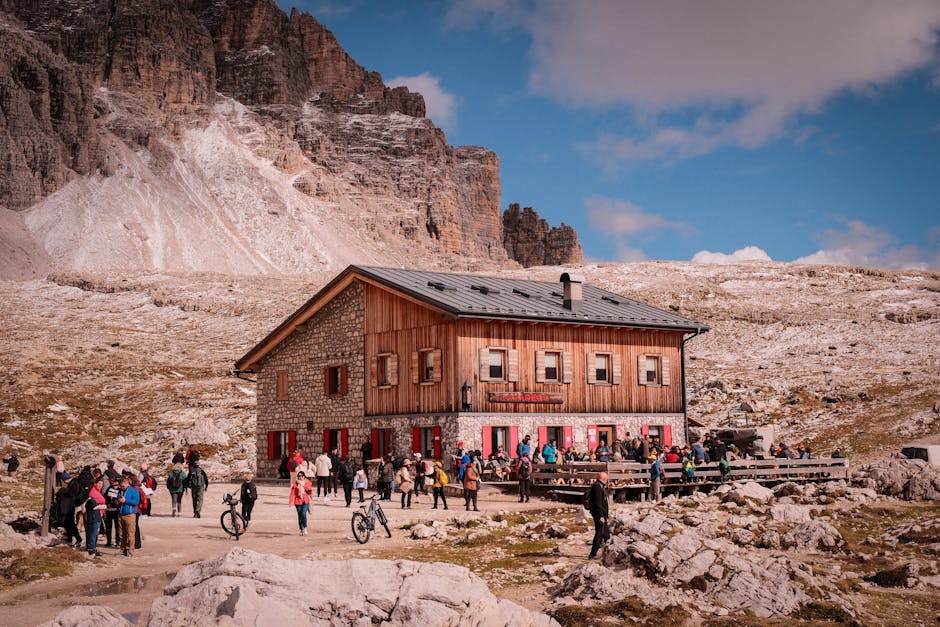






Introduction: Why do a 3-day Alta Via express in the Dolomites?
The Dolomites, the alpine jewel of northeastern Italy, are famous for their changing-colored limestone walls, jagged peaks and deep valleys. Among the long-distance paths that cross this UNESCO World Heritage massif, the Alta Via routes are multi-day trails that plunge you into the rocky heart of the range. A 3-day “express” Alta Via is aimed at fit hikers short on time: it packs the most spectacular, accessible stages into a brief window, prioritizing iconic views, comfortable mountain huts and streamlined logistics.
This trip format is perfect for anyone with a long weekend or those wanting to add a serious hike to a broader Italy itinerary. In three days you can combine airy ridgelines, deep-blue alpine lakes, wind-swept passes and traditional villages where you’ll enjoy polenta and speck. The plan here follows the spirit of Alta Via No. 1 and local variants while staying realistic: expect 6–10 hours of walking per day, nights in rifugi (mountain huts) or small hotels, and practical start/finish points like Cortina d’Ampezzo, Dobbiaco/Toblach or Misurina.
Pulling off this kind of route depends on focused preparation: light but complete kit (waterproof jacket, technical layers, sturdy high-cut hiking boots), detailed maps or GPS, hut reservations and knowledge of local bus timetables for transfers. More than gear, an Alta Via is a sensory experience — sunrise turning the Lavaredo faces pink (the enrosadira), the smell of wood smoke in a rifugio, the crisp scrape of boots on a stony trail — which makes a short but intense Alta Via truly magical.
In this article I offer a practical, immersive 3-day Alta Via in the Dolomites, with detailed stages, recommended huts (addresses, indicative prices, opening times), weather-based alternatives and local tips to get the most from each moment. This guide is aimed at hikers in good physical shape prepared to walk 6–9 hours a day, sleep in huts and savor hearty mountain food after a hard day’s walk. Get ready for breath-taking panoramas, warm encounters by the stove and simplified logistics to turn a short trip into a lasting memory.
 Click here to book your airport transfer to Cortina d’Ampezzo
<img width="520" height="650" src="http://dolomites.ue.is/wp-content/uploads/sites/18/2026/03/tre-cime-di-lavaredo-sunrise-view-1773930614.jpg" class="aligncenter" alt="Tre Cime di Lavaredo sunrise view » loading= »lazy » />
Stage 1: From Rifugio Auronzo (Misurina) to the Cadini di Misurina — Iconic scenery and gentle acclimatization
The first day puts you right in front of the most famous views: the Tre Cime di Lavaredo massif and the Cadini di Misurina. Recommended start: Rifugio Auronzo, located at Località Auronzo, 3, 32041 Misurina (Comune di Auronzo di Cadore, Provincia di Belluno). The hut is reachable by car via the scenic SS48 road from Misurina (car toll about €30 round-trip depending on season), or by local bus from Cortina d’Ampezzo. Rifugio Auronzo is usually open from late May through October; reception hours: 07:00–22:00 (seasonal variations). Dorm beds start around €35–45 per person, private rooms €70–120, half-board (dinner + breakfast) about €35–45 per person. The hut also offers an à la carte menu (dishes €10–20).
Route: from Rifugio Auronzo take trail no. 101 and the variant that crosses the base of the Tre Cime, giving incredible viewpoints on the north faces of the three peaks. After admiring the Tre Cime, follow the path toward the Cadini di Misurina, a series of rocky ridges and gullies carved by erosion. This section includes exposed stretches but they are equipped with cables and short ladders (some variants allow for light via ferrata use). Estimated time: 4 to 6 hours depending on photo stops and walking pace.
Practical tips for stage 1: set off early (as early as 07:30) to beat the crowds at the Tre Cime and get the best light for photos. Carry 1.5–2 liters of water, energy snacks and a small first-aid kit. Trails can be muddy after rain; trekking poles help keep your balance on rocky ground. If afternoon thunderstorms roll in (very common in summer), descend toward Misurina or shelter in a nearby rifugio. Resupply point: Rifugio Lavaredo (near the Tre Cime) serves drinks and simple meals (hours 08:00–20:00, drinks €3–6).
Click here to book a guided tour of the Tre Cime huts

Stage 2: Central traverse — Forcella pass, alpine lakes and a high-altitude rifugio
Day two is the most demanding: it connects iconic areas to wilder, less-traveled sections, following passes, alpine lakes and ridgelines. Start early from the Cadini/Misurina heading for the Forcella (pass) and then toward lakes like Lago d’Antorno or Lago di Landro depending on the variant you choose.
Recommended route: climb the trail toward the Forcella (often marked no. 101/105 on the Tabacco 1:25,000 map). Cross rocky terrain and lingering snowfields in spring; the section can include equipped passages (ladders, cables). After the Forcella, the descent offers panoramic views over Lago di Misurina and the lower valleys. The day’s goal: reach a high-altitude rifugio for the night, for example Rifugio Locatelli – Dreizinnenhütte (address: 55 Strada di Toblach, 39034 Sesto/Sexten, Bolzano/Bozen — generally only accessible on foot from the trails; exact coordinates and access details are listed with the hut). Opening hours: often 07:00–21:00 in high season (June–September). Prices: dorm €40–50, half-board €38–48.
Alternative: Rifugio Pian di Cengia (near Forcella Giau on some variants) is a more isolated option. Address: Località Pian di Cengia, 32041 Misurina, Auronzo di Cadore (access and coordinates vary). Hut rates: meals €15–25, overnight €30–50 depending on comfort.
Practical tips for stage 2: pack warm layers — nights and mornings at altitude can be chilly (5–10 °C even in summer). Book your spot at the rifugio the day before (call or email — most huts take reservations by phone or email; spaces fill quickly in high season). Bring a headlamp for any night-time tasks inside the hut. Check the weather in the morning (local forecasts: Meteo Dolomiti or ARPAV Veneto): afternoon storms are common, so start early and avoid exposed ridges late in the day.
Click here to book the Col Giau loop with a guide

Stage 3: Descend to Cortina d’Ampezzo or Dobbiaco — Heritage, comfort and logistics
The third day focuses on reaching the valley and your arrival town, letting you finish in comfort after two intense days. Two main options: descend to Cortina d’Ampezzo (an international alpine resort) or to Dobbiaco/Toblach (quieter, with good rail links). Your choice will shape the final route and transfers.
Cortina option: descent via marked trails toward Valle di Landro and Passo Tre Croci, then follow the road down to Cortina d’Ampezzo. Useful address in Cortina: Tourist Information Cortina d’Ampezzo, Corso Italia, 57, 32043 Cortina d’Ampezzo (BL), Italy. Opening hours: generally 09:00–18:00 (summer season). Services: luggage storage (€5–10), hotel bookings, shuttles. Typical city-center hotel: 3-star rooms from €80–120/night, restaurants (typical spot: Osteria Da Alberto, Via Pietro Zandonella 3, 32043 Cortina d’Ampezzo — dishes €12–25).
Dobbiaco/Toblach option: arrive by trail descending toward the Braies/Dobbiaco valley — ideal if you need to catch a train. Station address: Stazione di Dobbiaco, Piazza Stazione, 1, 39034 Dobbiaco (BZ). Regional train times (Trenitalia/Trentino Trasporti): check schedules online; fares €4–15 depending on destination. In Dobbiaco you’ll find useful services: bike rentals, restaurants (Restaurant Toblach Bahnhofstrasse) and buses to Cortina or Brunico/Bruneck.
Practical tips for stage 3: carry some cash for last-minute transfers (shuttles, taxis). If you need to retrieve a car left at the start, arrange a private transfer or use long-term parking options near Cortina (e.g. Parcheggio Auto Stazione, Via dello Sport, 32043 Cortina d’Ampezzo — rates vary). After the effort, treat yourself to a local meal: canederli (dumplings), strangolapreti and a Tyrolean craft beer; expect main courses €12–25 in local restaurants.
Click here to book an express bus from Venice to Cortina

Local practical tips and safety
- Bookings: call huts (Rifugio Auronzo + Rifugio Locatelli + alternatives) at least 2–4 weeks ahead in high season. Phone numbers and emails are on the huts’ official sites — most reply in English and Italian.
- Gear: high-cut hiking boots, waterproof and windproof jacket (Gore-Tex recommended), technical layers, trekking poles, first-aid kit, headlamp, water bottle (1.5–2 L), high-energy food. Light crampons recommended in spring if snowfields remain.
- Weather: check ARPA Veneto / MeteoTrentino before departure. Afternoon storms form often; plan exposed crossings for the morning.
- Hut rules: fixed meal times (often dinner 18:30–20:00, breakfast 06:30–08:00), respect nighttime quiet, blankets are provided but bring a lightweight sleeping bag liner or parka for dorms.
- Transport: local buses to Cortina and Misurina (linee DolomitiBus), regional trains from Dobbiaco. Typical shuttle fares €2–8 depending on distance.
- Leave no trace: take your rubbish with you, use hut toilets (often charged €0.50–1), and stick to marked trails to avoid erosion.
Conclusion: Experience the intensity of the Dolomites in 3 days — summary and final recommendations
A 3-day express Alta Via in the Dolomites is an intense experience that compresses the grandeur of these mountains into a short itinerary. Despite its brevity, this format lets you reach several of the most emblematic sites — Tre Cime di Lavaredo, airy passes, alpine lakes — while enjoying the hospitality of rifugi and alpine cuisine. To succeed on this mini-trek you need good fitness, careful logistics (reservations, vehicle transfers or train/bus planning) and the flexibility to adapt to the typical thunderstorm-prone mountain weather.
On the practical side, I recommend you:
– Book hut nights at least 2–4 weeks ahead in high season.
– Travel light: opt for a well-organized 30–40 L pack rather than lugging a big bag full of unused items.
– Start early each morning: this not only reduces storm risk but gives you the best light for photographing cliffs and lakes.
– Have alternative routes planned in case of trail closures (local contacts, hut numbers).
– Respect your group’s pace: an express Alta Via isn’t a race; the aim is to enjoy the scenery and the shared hut experience.
Finally, the charm of such a trek lies as much in the views as in the small shared moments: a hot soup after a day’s walk, a sunset that sets the rock on fire, a simple chat with a hut keeper. Even in three days, the Dolomites deliver emotional depth and beauty that justify every kilometer. Whether you finish in Cortina d’Ampezzo for comfort and services or in Dobbiaco for peace and rail connections, leave time to extend the moment: an extra night in a hut, a morning by a lake or a quick cultural stop (local museum in Cortina: Museo Etnografico, Corso Italia 76, hours vary, entry €5–8) will give your express Dolomites trip a memorable final touch.
Click here to book a vintage boat ride on Misurina
If you’d like, I can tailor this itinerary to your exact starting point, check bus and train times for your specific dates or provide a printable packing list and hut contacts with phone numbers and booking links. Safe travels and make every step count between the massive limestone walls of the Dolomites — it’s a short but intense adventure that stays with you for a long time.
