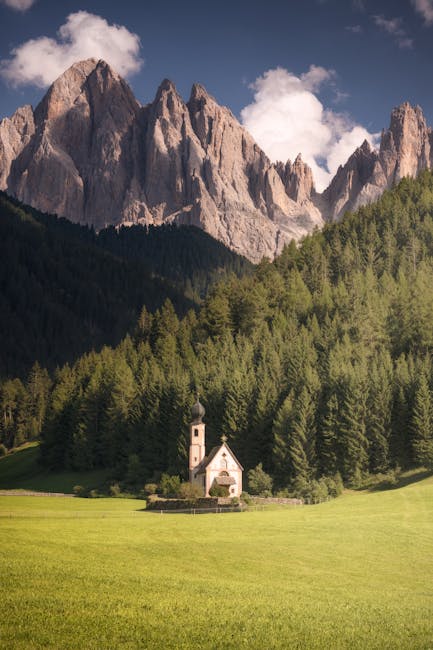






Introduction
The Dolomites, a UNESCO World Heritage site, serve up jaw-dropping views that are perfect for making lasting family memories. That said, mountain trips can quickly turn into strenuous hikes, and traveling with kids — whether toddlers or occasionally stubborn teenagers — calls for planning and, above all, routes that fit family needs. This guide is for families who want to enjoy the best viewpoints without slogging through endless elevation gain: cable cars, scenic drives, lakes with easy access, and huts close to parking. You’ll find suggested outings, exact names and addresses, approximate prices in euros, typical opening times, and local tips to get the most out of each spot with peace of mind.
We focus on “effortless panorama” experiences: mechanical ascents (gondolas, funivias), flat lakeside walks, short well-maintained trails and direct car access to memorable viewpoints. Each suggestion is designed with safety and comfort for little ones in mind, and to make photographs easy: off-road strollers, child carriers, and tasty stops at huts that are simple to reach. The goal isn’t to dodge the mountains but to offer their essence — ochre ridges, fragrant alpine meadows, clouds playing around rocky pinnacles — without extreme exertion.
The sections below detail four family-friendly itineraries in the Dolomites: Lago di Braies (Pragser Wildsee) for an emerald-lake stroll, the Tre Cime di Lavaredo via the road to Rifugio Auronzo for an iconic panorama reachable by car, the mechanical ascent on Marmolada to get close to glaciers and peaks, and the gentle pastures of Alpe di Siusi / Seceda where kids can run free. For each site you’ll find full names, exact addresses, approximate euro prices, typical opening times, an immersive description and practical local tips like the best times to avoid crowds or alternatives if the weather turns sour.
Before you go: always check the weather and official opening times (especially out of season), pack warm layers even in summer — high points can be chilly — and bring a small first-aid kit. With these routes, the mountains become a playground of wonder: the grand Dolomite landscapes are shareable, photogenic and easy to enjoy without excessive strain. Grab a map, charge your phones and pack sandwiches — the view is the reward.
Lago di Braies (Pragser Wildsee): lakeside stroll and traditional rowboat
Lago di Braies, also known by its Italian name Pragser Wildsee, is one of Italy’s most photographed alpine lakes and a perfect family spot. Located in the municipality of Braies (Prags), this turquoise lake is bordered by a flat 3.5 km path that circles the water — ideal for an off-road stroller or kids who enjoy spotting trout. The main starting point is the lake car park: Lago di Braies / Pragser Wildsee, Strada del Lago, 39030 Braies (BZ), Italy.
Practical info: parking is at the Parcheggio Lago di Braies (address above) and fees vary by season and time — expect roughly €30 per day in high season (July–August); outside peak times it may be cheaper or free for a short stop. Access to the lake is free; there’s no entrance fee. Traditional wooden rowboats are available to rent from the boat rental point near the jetty: about €20–€25 for 30 minutes (indicative prices). Rental services typically run 09:00 – 18:00 in high season.
Immersive description: imagine the gentle splash of oars, the water surface mirroring the distant rocky peaks, and the scent of pine rising from the shores. The path around the lake is flat, wide and often busy with families and photographers. Kids can safely explore the banks under your supervision, and there are several picnic spots. The nearby village of Braies / Prags has cafés and a small grocery store for supplies.
Local tips: arrive early (before 09:30) in high season to avoid full parking and crowds. Note: the area is protected; don’t feed the fish and follow signage. In icy conditions the walk can be slippery — wear suitable footwear. If the boat rental is fully booked, the walk remains spectacular; consider visiting the small lakeside chapel, the Kapelle am See, for an iconic photo.
 Click here to book a day trip to Lago di Braies

Practical info: parking is at the Parcheggio Lago di Braies (address above) and fees vary by season and time — expect roughly €30 per day in high season (July–August); outside peak times it may be cheaper or free for a short stop. Access to the lake is free; there’s no entrance fee. Traditional wooden rowboats are available to rent from the boat rental point near the jetty: about €20–€25 for 30 minutes (indicative prices). Rental services typically run 09:00 – 18:00 in high season.
Immersive description: imagine the gentle splash of oars, the water surface mirroring the distant rocky peaks, and the scent of pine rising from the shores. The path around the lake is flat, wide and often busy with families and photographers. Kids can safely explore the banks under your supervision, and there are several picnic spots. The nearby village of Braies / Prags has cafés and a small grocery store for supplies.
Local tips: arrive early (before 09:30) in high season to avoid full parking and crowds. Note: the area is protected; don’t feed the fish and follow signage. In icy conditions the walk can be slippery — wear suitable footwear. If the boat rental is fully booked, the walk remains spectacular; consider visiting the small lakeside chapel, the Kapelle am See, for an iconic photo.
Tre Cime di Lavaredo (Drei Zinnen): iconic panorama from Rifugio Auronzo
The Tre Cime di Lavaredo, also called the Drei Zinnen in German, are the classic image of the Dolomites. For families wanting a stunning panorama without a long trek, the road up to Rifugio Auronzo is the most practical option. Access and starting point: Rifugio Auronzo, Strada per le Tre Cime, 6, 32041 Auronzo di Cadore (BL), Italy. The road from Auronzo is toll-based: the « strada delle Tre Cime » is a private, paid road.
Fees and times: driving up to Rifugio Auronzo requires a toll of around €30 round trip per car (indicative, seasonally variable). The road is usually open from late spring to autumn (roughly May to October) depending on snow conditions. Rifugio Auronzo itself (address above) offers food services: hot meals typically served from 08:00 to 18:00 in high season (times may vary). The walk from the parking to the viewpoints around the Tre Cime is easy, with short paths (20–45 minutes depending on the viewpoint).
Immersive description: at sunrise, the limestone faces of the Tre Cime shift from pink to gold; from the viewpoints near the hut, kids can safely take in the scale of the cliffs. The most popular loop (trail no.101) skirts dramatic viewpoints without major technical difficulty. The scene is dominated by the three towering pinnacles, glacial valleys and alpine meadows where livestock sometimes graze.
Practical tips: reserve a parking spot or arrive very early to avoid queues; shuttle buses from Auronzo center are an alternative in high season. Pack warm clothing — even in summer the breeze can be crisp — and snacks, as the hut can be very busy at lunchtime. If you want a quieter option, try the viewpoint at Rifugio Lavaredo (reachable via a short path from the parking) for a similar view with fewer people.
Click here to explore the Tre Cime refuges with a guide

Fees and times: driving up to Rifugio Auronzo requires a toll of around €30 round trip per car (indicative, seasonally variable). The road is usually open from late spring to autumn (roughly May to October) depending on snow conditions. Rifugio Auronzo itself (address above) offers food services: hot meals typically served from 08:00 to 18:00 in high season (times may vary). The walk from the parking to the viewpoints around the Tre Cime is easy, with short paths (20–45 minutes depending on the viewpoint).
Immersive description: at sunrise, the limestone faces of the Tre Cime shift from pink to gold; from the viewpoints near the hut, kids can safely take in the scale of the cliffs. The most popular loop (trail no.101) skirts dramatic viewpoints without major technical difficulty. The scene is dominated by the three towering pinnacles, glacial valleys and alpine meadows where livestock sometimes graze.
Practical tips: reserve a parking spot or arrive very early to avoid queues; shuttle buses from Auronzo center are an alternative in high season. Pack warm clothing — even in summer the breeze can be crisp — and snacks, as the hut can be very busy at lunchtime. If you want a quieter option, try the viewpoint at Rifugio Lavaredo (reachable via a short path from the parking) for a similar view with fewer people.
Marmolada: glacier access for families thanks to the funivia (cable car)
The Marmolada, often called “the queen of the Dolomites,” tops out at 3,343 m and gives the rare chance to get close to a glacier without a long expedition. The easiest family access is from Malga Ciapela via the Funivia Marmolada / Funivia Marmolada – Punta Rocca. Departure address: Funivia Marmolada, Località Malga Ciapela, 32020 Rocca Pietore (BL), Italy. The ascent is in two stages: the gondola to the intermediate station and the final section up to Punta Rocca.
Fees and times: a round-trip ticket for the funivia usually costs around €36 – €42 depending on season and child discounts (indicative prices). Typical hours: 08:30 – 16:30 in high season, with departures every 20–30 minutes; reduced hours off-season. Access to the glacier and upper viewpoints may be subject to safety conditions; follow staff instructions.
Immersive description: from Punta Rocca you look down over the Marmolada glacier, ice canyons and serrated ridges. Children are often fascinated by the contrast between permanent snow and the flower-strewn pastures below. At the top there’s a small museum and a panoramic café where you can warm up with a hot chocolate while taking in views of Monte Pelmo and the Sella group.
Local tips: bring sunglasses and sunscreen — glare off the ice is intense. Temperatures can drop fast: pack warm layers for the kids. If winds are strong or there’s avalanche risk, the funivia may be suspended temporarily: check local bulletins and the official Funivia Marmolada site before you go. Book tickets online in high season to avoid queues.
Alpe di Siusi (Seiser Alm) and Seceda: gentle pastures and accessible panoramas
Alpe di Siusi (Seiser Alm) and Seceda are ideal for families seeking wide meadows, easy trails and remarkable views. Recommended access points are the Seiser Alm gondola (Seiser Alm Bahn) and the cable car from Ortisei to Seceda. Addresses: Seiser Alm Bahn – Piazza Seis, 39040 Siusi allo Sciliar (BZ), Italy ; Seceda Cable Car – Via Nives 29, 39046 Ortisei (BZ), Italy.
Fees and times: for Seiser Alm a round-trip gondola fare is roughly €28 – €32 per adult (children’s discounts available); typical hours: 08:30 – 17:00 in season. For Seceda a round-trip from Ortisei is also around €30, with frequent departures in the morning and afternoon. Many hotels and mountain huts accept cash and card.
Immersive description: Seiser Alm unfurls vast rolling meadows dotted with wooden huts, cowbells and wildflowers. Paths are wide and well surfaced — perfect for an off-road stroller or little cyclists. Seceda, meanwhile, offers a dramatic ridge: the cable car ride becomes part of the adventure, followed by a short trail to a stunning viewpoint dominated by vertical rock faces.
Practical tips: pack a picnic or plan a meal at one of the accessible huts such as Rifugio Bolzano / Schlernhaus or Rifugio Fermeda, where simple child-friendly dishes are available (main course price around €12 – €18). If you’re traveling with a stroller, check whether the gondola cabin accepts strollers (most do, but boarding is usually easier early in the morning). And although the trails are easy, turn it into a game for the kids — a great setting to learn map reading and discover nature.
Click here to book a photo session at Alpe di Siusi

Fees and times: for Seiser Alm a round-trip gondola fare is roughly €28 – €32 per adult (children’s discounts available); typical hours: 08:30 – 17:00 in season. For Seceda a round-trip from Ortisei is also around €30, with frequent departures in the morning and afternoon. Many hotels and mountain huts accept cash and card.
Immersive description: Seiser Alm unfurls vast rolling meadows dotted with wooden huts, cowbells and wildflowers. Paths are wide and well surfaced — perfect for an off-road stroller or little cyclists. Seceda, meanwhile, offers a dramatic ridge: the cable car ride becomes part of the adventure, followed by a short trail to a stunning viewpoint dominated by vertical rock faces.
Practical tips: pack a picnic or plan a meal at one of the accessible huts such as Rifugio Bolzano / Schlernhaus or Rifugio Fermeda, where simple child-friendly dishes are available (main course price around €12 – €18). If you’re traveling with a stroller, check whether the gondola cabin accepts strollers (most do, but boarding is usually easier early in the morning). And although the trails are easy, turn it into a game for the kids — a great setting to learn map reading and discover nature.

Side activities and food recommendations
- Hut dining recommendations: Try Canederli (Knödel) and Apfelstrudel at family-friendly huts — typical kids’ menu price: €8 – €12.
- Local transport: Dolomiti Bus services link the valleys and are handy if you want to avoid driving; a short ticket costs about €3 – €6 depending on distance.
- Gear: rent hiking child carriers at tourist centers if needed (indicative cost: €10 – €20 per day).
- Safety: bring a survival blanket and a first-aid kit, especially if you head near ridgelines.
Conclusion
The Dolomites give families an accessible landscape of wonder: with smart route choices it’s entirely possible to reach unforgettable viewpoints without the strain of an alpine expedition. From the calm emerald waters of Lago di Braies to the sculpted silhouettes of the Tre Cime di Lavaredo, the icy majesty of the Marmolada and the gentle pastures of Alpe di Siusi and Seceda, each spot offers an experience suited to both kids and adults. Mechanical options — toll roads, gondolas and funivias — make the mountains welcoming, allowing you to share photographic and contemplative moments as a family.
A few final tips: plan your route around cable car timetables and quieter periods to fully enjoy the viewpoints. Book parking or tickets in high season, and favor early morning or late afternoon visits for softer light and fewer people. Don’t forget practical details — snacks, nappies, warm clothes — and involve the children in preparations: pick the photo of the day, spot flowers, or jot down animals you see. And please respect local conservation rules (don’t pick plants, don’t feed wildlife, stick to marked trails) so these landscapes remain pristine for future families.
In short, the Dolomites are ideal for family escapes that offer panoramas with minimal effort. With thoughtful infrastructure, welcoming huts and routes that prioritize visual experience over physical strain, you can give your children the gift of an accessible mountain: spectacular, educational and deeply refreshing. Safe travels, and don’t forget your camera — the views here stick with you for life.
