





Introduction
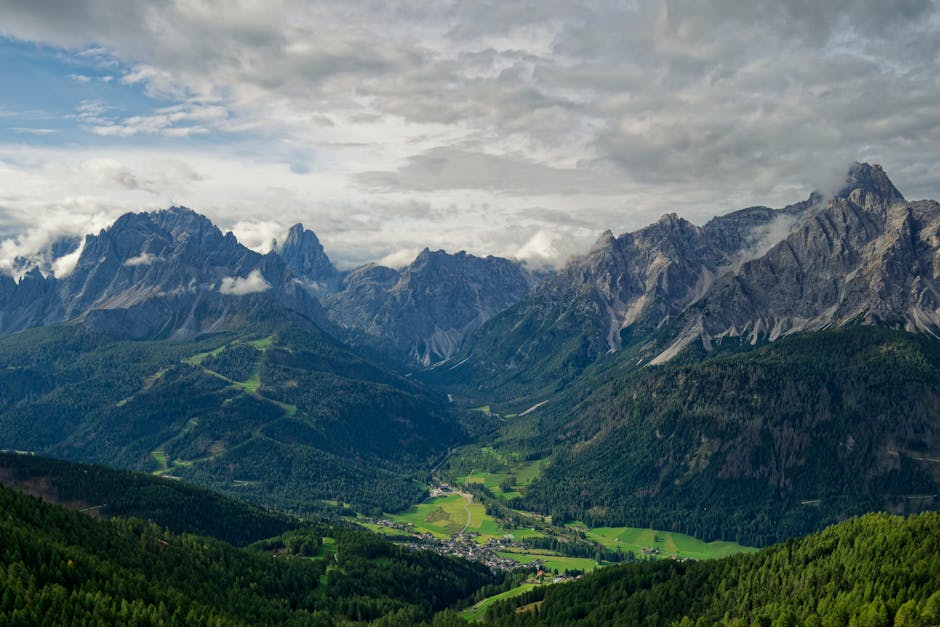
Sunrise hikes in the Dolomites: four words that sum up a uniquely sensory experience — a deep dive into the geology, history and alpine culture of north-eastern Italy. The Dolomites, a UNESCO World Heritage site, stretch across the provinces of Belluno, Bolzano, Trento and Udine. The sight of sunlight gilding the limestone pinnacles has become one of the region’s signature images, drawing hikers, photographers and mountain lovers. But to make an early-morning outing truly successful, you need to plan: know the exact locations, access times, mountain huts, road and parking fees, and the safety rules for high-altitude environments.
In this article I offer a hands-on, immersive guide to planning a sunrise hike in several iconic spots: the Tre Cime di Lavaredo (Drei Zinnen), Lago di Braies (Pragser Wildsee), Seceda and the Alpe di Siusi (Seiser Alm). For each route you’ll find exact addresses, typical opening times and prices, vivid sensory descriptions, plus local tips (gear, transport, weather, rules and family options). This guide is aimed at seasoned hikers as well as trekkers attempting their first mountain sunrise: the goal is for you to arrive at the viewpoint at the right moment, safely, with the right bearings and the best light to fully enjoy the scene.
The Dolomites are a patchwork of peaks, alpine meadows and lakes that react to morning light with almost theatrical transformations: limestone faces take on pink and golden hues — the famous « enrosadira » — shadows stretch, and the calm of dawn is punctuated by birdsong and the tinkling of any frost crystals. To experience this spectacle, you’ll also need to respect practical constraints: seasonal toll roads, huts that open only part of the year, fast-changing weather and sometimes booking requirements. Here you’ll find concrete details like the parking coordinates for the Tre Cime, approximate tolls for the Forcella Lavaredo and huts, seasonal opening hours and tips to avoid crowds and reduce your environmental footprint. Get ready: the magic begins well before sunrise, the moment you step onto the trail in the dim light and the cool air awakens you.

Tre Cime di Lavaredo: classic route for a golden sunrise
The Tre Cime di Lavaredo (Drei Zinnen) are probably the most photographed spot in the Dolomites. Located in the Tre Cime Natural Park, they form three dramatic rock towers: Cima Piccola, Cima Grande and Cima Ovest. Typical starting point: the Rifugio Auronzo parking area, reached via the Strada Auronzo (Strada Statale 48 delle Dolomiti). Exact address: Rifugio Auronzo, Strada Auronzo, 32041 Auronzo di Cadore BL, Italy.
Access and hours: the road up to Rifugio Auronzo is a seasonal toll road. Car fee (summer): roughly €30 round-trip per vehicle (indicative, varies year to year). The road is generally open from early May to late October; typical hours: 04:00–20:00 in high season (check before you go, night closures or restrictions can change). The Rifugio Auronzo parking fills up quickly; for a 06:00 sunrise, plan to arrive around 04:30–05:00 depending on the time of year.
Route: from Rifugio Auronzo (about 2,320 m) follow the loop trail toward the Tre Cime via paths no.101/105 heading to Rifugio Lavaredo (Rifugio A. Locatelli). The walk to the hut takes roughly an hour at a relaxed pace, but at sunrise every step becomes a discovery: the towers throw long shadows, morning mist retreats from the valleys and the first light turns the limestone faces pink. The viewpoint in front of Rifugio Lavaredo is a prime spot to catch the enrosadira on Cima Grande. Allow 2–3 hours for a relaxed loop with photo stops.
Practical tips: bring a headlamp, warm layers (temperatures can drop sharply before sunrise), sturdy hiking boots and microspikes if frost is possible. Carry water and a small snack; several huts (Rifugio Auronzo and Rifugio A. Locatelli) offer coffee and breakfast. Hut info: Rifugio Auronzo — typical hours: open daily 07:00–22:00 in season, breakfast from 06:30; price of a coffee: about €2–3. Rifugio A. Locatelli (Rifugio Lavaredo) — address: Forcella Lavaredo, 3, 39030 Auronzo di Cadore BL, Italy (to be verified), open in season, platters and drinks range between €5–€15 depending on the dish.
 Click here to book a guided tour of the Tre Cime huts

Lago di Braies and the morning stillness on the water
Lago di Braies (Pragser Wildsee) is another iconic spot. Exact address: Lago di Braies, 39030 Braies (Prags) BZ, Italy. The lake is accessible year-round, but visitor flow management in peak season imposes strict rules: in high season, road access can be limited with shuttles or remote parking zones. Fees and access: the official parking near the lake costs about €6–€12 for a half-day depending on the period; some paid shuttles may cost €2–€6.
Sunrise on the lake: the water’s surface, often mirror-calm at dawn, perfectly reflects the rock faces and pines, creating spectacular photographic compositions. The loop around the lake is easy (about 1.2 km) and suitable for everyone. For the best effect, arrive before dawn — many people come to capture the golden light on the traditional wooden boats. In season, rowboat rentals (Ruderboot) are available: roughly €25–€35 per hour per boat (rates vary). Visitor center hours: often 08:00–19:00 in summer, but the site is accessible before official opening for early photographers.
Local tips: don’t monopolize the jetties if others are waiting to photograph. Don’t throw anything in the lake and follow signage to preserve water clarity. If you plan to rent a boat, book early at the lakeside ticket office. If it’s cold, bring a blanket and a thermos. Paths around the lake can be icy late at night; trekking poles and grippy footwear are recommended. Expect heavy crowds in summer; one trick is to head to the small wooden footbridge on the west shore for less congested compositions.
Click here to book a yoga and short-hike session at the lake
Seceda and Alpe di Siusi: high-altitude panoramas and flowered meadows
Seceda and the Alpe di Siusi make the perfect pair for those seeking wide panoramas and alpine meadows in bloom. Seceda (2,519 m) sits in the Odle/Geisler valley in Val Gardena. Typical access point: the Ortisei–Furnes–Seceda cable car. Cable car address: Seceda Cable Car, Via Rezia 5, 39046 Ortisei (St. Ulrich) BZ, Italy. Cable car hours (summer season): generally 08:00–17:00, with extended times depending on season and weather. Round-trip cable car fare: about €30–€35 per adult (local rates — check current prices).
Seceda offers a razor-edge ridge, ideal for a dramatic sunrise; low-angle light accentuates the shadows across grassy undulations and distant spires. Early access is often via the first cable car (check whether they run very early), or on foot from the Ortisei valley station — a longer ascent chosen by fit hikers. Alpe di Siusi (Seiser Alm) is Europe’s largest high-altitude meadow: central address Seiser Alm / Alpe di Siusi Visitor Center, 39040 Castelrotto (Kastelruth) BZ, Italy. Access by cable car from Ortisei or by car to specific access points. Park/parking fees: lots around Compatsch cost about €5–€12 per day in high season.
Hiking tips: for a Seceda sunrise, plan the night before (stay in Ortisei or Selva di Val Gardena) and check the first cable car departures; some operators may open earlier on request or for photography shoots. Bring a headlamp if you hike up on foot. On the Alpe di Siusi the trails are numerous and well-marked; pairing an easy hike with a sunrise over the meadows creates a gentle contrast between rocky summits and endless pastures. Respect grazing areas (don’t disturb livestock), stay on marked routes and, if a storm is forecast, descend immediately. Local huts (e.g. Rifugio Bolzano) serve breakfast from about 06:30–07:00; price for a simple breakfast: around €6–€12.
Click here to book a photo session in Val Gardena or Alpe di Siusi

Gear, safety and essential local tips
A successful sunrise depends as much on preparation as on the view. Here’s a detailed checklist and essential local advice:
- Basic gear: headlamp with spare batteries, windproof jacket and lightweight down jacket, gloves, beanie, waterproof hiking boots, trekking poles (optional), small first-aid kit, paper map or GPS with offline trails.
- Food & drink: bring water (1–1.5 L per person minimum), hot drinks in a thermos, energy snacks (bars, dried fruit). Many huts open early but it’s wise to be self-sufficient.
- Weather & seasons: weather can change quickly. In spring and autumn patches of snow/ice may remain — microspikes and thermal clothing are recommended. In summer watch for violent afternoon storms: start early and plan to be off exposed ridges by late morning/noon if storms are possible.
- Transport: use public transport where possible (regional trains and buses SAD/Trentino) to reduce impact. Parking at key sites (Tre Cime, Lago di Braies) is paid and sometimes controlled by shuttle systems.
- Local rules: follow park signage, no open fires, take all litter with you, keep dogs on a leash in park or grazing areas. Some areas are protected and off-trail access is forbidden.
- Huts & accommodation: huts (Rifugio Auronzo, Rifugio A. Locatelli, Rifugio Bolzano) have seasonal opening windows — book in high season. Dorm bed rates: about €30–€45, private rooms: €60–€120 depending on comfort and period.
- Photography: arrive early, bring a sturdy tripod and filters if you need to control direct light. Be considerate of other photographers and avoid blocking prime viewpoints for too long.

Access, transport and useful information
To plan your travel: the nearest international airports are Venice Marco Polo (VCE) and Treviso (TSF), then train connections to Belluno or regional buses to Cortina d’Ampezzo, Dobbiaco, Brunico and Ortisei. Dolomiti Bus and SAD lines link villages to natural sites. Schedules and fares change with the season; expect increased service in summer.
Click here to book a transfer from Venice airport to Cortina
Useful addresses and contacts (verify before you leave):
- Rifugio Auronzo — Strada Auronzo, 32041 Auronzo di Cadore BL, Italy — phone: check the local site, open in season, café/restaurant on site.
- Rifugio A. Locatelli (Dreizinnenhütte) — Forcella Lavaredo area, 39030 Auronzo di Cadore BL, Italy — mountain hut, open in season, traditional food, accommodation.
- Lago di Braies — 39030 Braies (Prags) BZ, Italy — paid parking, tourist welcome center.
- Seceda Cable Car — Via Rezia 5, 39046 Ortisei BZ, Italy — hours vary by season, tickets sold on site.
- Seiser Alm Visitor Center — Alpe di Siusi, 39040 Castelrotto BZ, Italy — trail info, parking, cable car details.
Conclusion
A sunrise hike in the Dolomites is an experience that blends natural beauty, measured effort and respect for the mountain environment. Whether it’s the dramatic setting of the Tre Cime di Lavaredo, the mirror-like calm of Lago di Braies, the spectacular ridges of Seceda or the endless meadows of the Alpe di Siusi, each place tells its own visual and sensory story. The secret to a successful outing is preparation: check road and cable car hours and prices (and anticipate tolls), book huts and rentals if needed, pack the right gear and follow local regulations. Safety — weather awareness, equipment and staying on trails — must come first so the sunrise can be enjoyed worry-free.
Finally, remember that the Dolomites are a lived-in, working landscape: shepherds, farmers and guides are part of the human fabric here. Behaving respectfully (leave no trace, keep dogs on a leash, respect hut hours) helps ensure these spectacular places remain accessible and beautiful for future generations. If you’re planning a specific trip, don’t hesitate to contact local tourist offices (e.g. APT Dolomiti or the tourist offices of Ortisei, Auronzo, Braies) for last-minute updates on access, weather and openings. Prepare your camera, lace up your boots before dawn and let yourself be carried away by the transformation of rock and light: in the Dolomites a sunrise is not just a show — it’s a revelation.