



Introduction
The Dolomites, a UNESCO World Heritage site, are one of Europe’s most thrilling playgrounds for gravel riding. From glacially carved white roads and airy mountain passes to spruce forests and mirror-like lakes, the scenery shifts with every pedal stroke, offering an endless array of secret routes for adventurous cyclists. This gravel guide takes you off the usual tourist lines to discover unpaved tracks, exposed ridge passages, remote mountain huts and views that will stick with you for years.
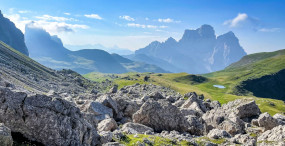
Graveling in the Dolomites isn’t just about picking a bike with chunky tyres — it’s about learning to read the terrain, expecting sudden weather changes, respecting the delicate local economy and enjoying understated but excellent Alpine hospitality. You’ll roll near iconic sites like Lago di Braies (Pragser Wildsee), the Tre Cime di Lavaredo, Passo Giau, the Marmolada and Passo Sella, but you’ll also find quieter trails such as the ridges of Val di Fanes, the secret slopes of Seceda and forgotten backroads around Cortina d’Ampezzo.
This guide aims to be both practical and immersive. You’ll find detailed route descriptions, technical tips for your bike and gear, exact addresses for huts and resupply points, indicative pricing and opening hours, plus local recommendations on where to sleep, where to eat and how to move around while respecting natural park rules. The goal: to help you plan a safe, respectful and unforgettable gravel adventure.
Before you head out, always check trail conditions with local tourist offices and huts, carry an offline map or a GPS device with route tracks, and adapt your itinerary to the weather. The Dolomites can serve up blazing sunshine in the morning and violent thunderstorms by afternoon in summer. High altitude also amplifies temperature swings: bring technical layers, wind and rain protection, plus a full repair kit. Bear in mind some huts close off-season and several passes may be impassable in winter or late spring.
In the sections below you’ll find full route breakdowns, bivvy and lodging suggestions, maintenance and kit advice for gravel bikes, and practical tips for enjoying local food without losing time on the road. Buckle your helmet, check your tyre pressure and get inspired by the Dolomites’ secret gravel lines.
 Click here to book a day trip to Lago di Braies

Route 1: Alpine Loop Around Lago di Braies and the Braies Forests
The loop around Lago di Braies (Pragser Wildsee) is one of the most photogenic and accessible gravel circuits, mixing gentle forest tracks with short technical sections. Recommended start: Lago di Braies car park, official address Lago di Braies, 39030 Braies (BZ), Italy. The site is managed as part of the nature park and offers onsite services.
Suggested route (about 28–35 km, 400–700 m elevation gain depending on variant): start at the Lago di Braies car park, climb on the Forststraße up to the village of Prags (Braies), ride through small agricultural hamlets towards Val di Braies, then return through woodland along the stream back to the lake. Most of the route is compact gravel; expect some stony and rooty stretches near the shores. It’s ideal for a half-day or full-day ride with a picnic.
Practical info:
- Lago di Braies car park – Address: Lago di Braies, 39030 Braies (BZ), Italy. Indicative fee: €8.00 per day (may vary in high season).
- Boat rentals on the lake – Lago di Braies landing: approx. €30.00 for 30 minutes (indicative). Hours: 08:00–18:00 (high season, subject to change).
- Best time: sunrise to beat the crowds (arrive before 08:00 in summer).
On-trail tips: aim for 40–45 mm tyres for a good balance of comfort and rolling speed. Carry a hand pump, tyre levers and a spare inner tube. Some forest sections can develop muddy ruts after rain — bring a change of clothes. Respect signage and avoid trails closed to bikes, especially near protected areas and bird habitats.
Click here to discover Lago di Braies with yoga and hiking

Route 2: Crossing the Tre Cime di Lavaredo – Passo di Fanes – Local Huts
This line blends dizzying panoramas with remote stretches: the Tre Cime di Lavaredo, the high route around the Sesto/Three Peaks massif, and a descent into the Fanes-Senes-Braies nature reserve. Common access point: Rifugio Auronzo car park, Address: Rifugio Auronzo, 39036 Auronzo di Cadore (BL), Italy. Rifugio Auronzo sits on the Monte Piana road and is a frequent base for Tre Cime explorations.
Suggested route (about 40–60 km, 900–1500 m elevation gain depending on variant): Auronzo – panoramic road towards Rifugio Lavaredo – climb to the ridges (possible technical sections) – cross to Passo di Fanes – singletrack descent into Val di Fanes – arrive at a local hut for the night. Views of the Tre Cime are among the Dolomites’ most spectacular, especially at sunrise or sunset.
Practical info:
- Rifugio Auronzo – Address: Rifugio Auronzo, Località Val Campo, 32041 Auronzo di Cadore (BL), Italy. Hours: open in summer season roughly 07:00–22:00 (variable). Prices: dorm beds from €30.00 per person; half-board from €45.00 (indicative).
- Fanes-Senes-Braies Nature Park – Access is regulated; check San Vigilio di Marebbe tourist office for seasonal restrictions.
Technical advice: the crossing includes steep sections and scree — be comfortable with carrying your bike for short technical stretches. Check hut closing times if you plan to overnight; many close out of season (autumn and spring). Pack local high-energy snacks (speck, cheeses) to resupply on long segments.
Click here to explore the Tre Cime refuges with a guide
Route 3: Legendary Passes – Passo Giau, Passo Falzarego and Lagazuoi
If you’re after exposed cols and ridge roads, this loop links Passo Giau, Passo Falzarego and the Lagazuoi area. It mixes historic paved climbs with gravel variants that immerse you in classic Dolomite panoramas. Suggested start: Cortina d’Ampezzo, Address: Piazza Angelo Dibona, 1, 32043 Cortina d’Ampezzo (BL), Italy.
Suggested route (around 60–80 km, 1500–2200 m elevation gain): Cortina d’Ampezzo – climb to Passo Falzarego – branch to Rifugio Lagazuoi (you can take the Lagazuoi cable car up if you don’t want to pedal to the summit) – traverse to Passo Giau – return via the SS48 with gravel variants along the ridgelines. The contrast between white limestone walls and deep green alpine meadows is striking.
Practical info:
- Funivia Lagazuoi (Lagazuoi Cable Car) – Departure: Passo Falzarego, 32020 Colle Santa Lucia (BL), Italy. Hours: usually 08:30–17:00 (high season). Indicative fare: around €22.00 return per person (confirm before you go).
- Rifugio Lagazuoi – Address: Rifugio Lagazuoi, 32020 Colle Santa Lucia (BL), Italy. Hours: open in season (breakfast 07:30–09:30, kitchen 12:00–20:00). Prices: meals from €12.00, dorms/half-board vary by season.
Local tips: the Giau ascent is short but steep — for gravel, look for parallel tracks to avoid traffic. At Falzarego/Lagazuoi the First World War relics (tunnels and fortifications) add historical depth to the climb: allow time to explore the tunnels and positions around Lagazuoi’s summit. And remember: in bad weather the cable car can be suspended — have a plan B.
Click here to book a high-altitude guided hike at Lagazuoi
Click here to join a guided loop at Passo Giau
Recommended huts and places to stay for gravel riders
Picking the right hut or hotel is key to refueling after a day on the gravel. Here are reliable, welcoming options by area:
- Rifugio Auronzo – Address: Rifugio Auronzo, Località Val Campo, 32041 Auronzo di Cadore (BL), Italy. Indicative prices: dorms from €30.00; half-board from €45.00. Hours: open in season, restaurant roughly 07:00–22:00.
- Rifugio Lagazuoi – Address: Rifugio Lagazuoi, 32020 Colle Santa Lucia (BL), Italy. Prices: meals from €12.00+; overnight/board rates vary. Hours: meals service 12:00–20:00 (seasonal).
- Hotel Cristallo, Cortina d’Ampezzo – Address: Via Roma, 55, 32043 Cortina d’Ampezzo (BL), Italy. Price: rooms around €150.00 in season (indicative). Reception hours: 24/7.
- Rifugio Locatelli (Drei Zinnen Hütte) – Address: Rifugio Locatelli, 39030 Auronzo di Cadore (BL), Italy. A perfect base for the Tre Cime; check availability and opening times before you go.
Practical lodging tips: book well ahead for high season (July–August); carry cash as some huts don’t accept cards for small purchases; check for bike storage or garage space — not all huts offer secure bike storage. Also confirm meal times so you don’t arrive after the kitchen closes.

Technical tips and safety for gravel in the Dolomites
The Dolomites demand preparation and respect for local rules. Here are practical tips to keep your gravel outings safe:
- Bike kit: 40–45 mm tyres, versatile cassette (11–42 or 11–46) for the climbs, well-tuned disc brakes. Bring a full repair kit, pump, multi-tool, a second inner tube and a small patch/sewing kit for larger punctures.
- Navigation: download GPX tracks and offline maps (Komoot, RideWithGPS, Maps.me). Mobile coverage is patchy at altitude; a dedicated GPS unit is preferable to relying on a phone alone.
- Weather: check local forecasts (MeteoDolomiti) before every outing. In summer, storms often form in the afternoon — start early to reduce your exposure to sudden bad weather.
- Safety: tell your accommodation your route and estimated return time. Pack a first-aid kit, a survival blanket and extra high-energy food.
- Respect nature: leave no trace, obey nature park signage and avoid wild camping in protected zones. Wildlife and grazing areas are sensitive to disturbance.
Also, pace yourself: climbs can be long and exposed — take frequent breaks, stay hydrated and eat easily digestible carbs. On descents, be cautious on loose gravel: control your line, slow down and avoid sudden braking on rocky sections.

Conclusion
The Dolomites offer a wide range of gravel routes that will satisfy riders chasing physical challenges as well as those seeking stunning landscapes and cultural experiences. From the mirror surface of Lago di Braies and the ridgelines of the Tre Cime di Lavaredo to legendary passes like Passo Giau and Passo Falzarego and the cozy huts scattered across the valleys, every ride can turn into a compact adventure full of discovery and emotion. This guide aims to give you clear pointers — routes, addresses, indicative prices and local tips — so you can plan successful outings.
To make the most of your trip, prepare your kit carefully, check hut and facility opening times and fares (cable cars, rentals), and stay flexible: high-altitude conditions can force last-minute changes. Above all, respect local people and the environment — the Dolomites’ beauty depends on a fragile balance between tourism and conservation. Practising responsible gravel riding helps preserve these mountains for future generations.
With the right preparation — GPX maps, suitable gear, reserved accommodation and awareness of local rules — every pedal stroke becomes a discovery. Whether you’re after the calm of an alpine lake at dawn, the adrenaline of a technical descent or the camaraderie of a rifugio after a long climb, the Dolomites’ secret gravel routes are ready for your curiosity. Tune up your bike, sharpen your navigation and let the pink-rock ridges lead the way: gravel adventures in the Dolomites promise intensity and lasting memories.