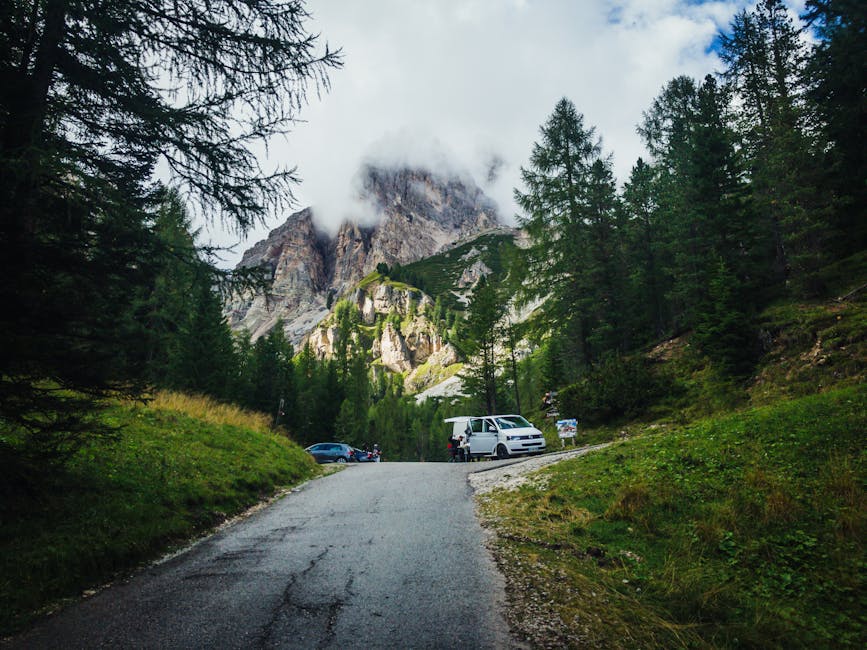





Introduction: A Botanical Adventure for Kids in the Heart of the Dolomites
The Dolomites, a UNESCO World Heritage mountain range, are an exceptional natural playground to introduce children to alpine plants. Between colorful meadows, conifer forests, mysterious peat bogs and limestone cliffs, every step becomes a living science lesson. This kids’ flora discovery itinerary is designed to be fun, educational and family-friendly: short walks, sensory observations, simple workshops and clear markers to help recognize the emblematic plants of the Dolomites.
The approach favors sensory immersion and wonder. Rather than long botanical lists, children learn by touching, smelling and handling — respectfully — leaves, needles, flowers and bark. We suggest easy-to-follow « stations »: a spot to observe alpine flowers like edelweiss (Leontopodium alpinum) and astrantia, a stop by the bogs to feel sphagnum moss, and an exploration of meadows where gentians and crocuses grow. Each activity comes with a small challenge, a field sheet to complete and a color-and-shape recognition game.
The Dolomites also offer specific sites to make the outing concrete and memorable: Lago di Braies (Pragser Wildsee), the splendid Alpe di Siusi (Seiser Alm), the views around the Tre Cime di Lavaredo, and the trails near Cortina d’Ampezzo. These places are easy to reach and provide family-friendly facilities (parking, cafés, mountain huts). For the youngest kids, short activities and one-hour workshops are enough; for older children, you can add mini-talks on mountain ecology or identification sessions with a field magnifier.
Practical precautions and tips are built into each stage: layered clothing, flexible hiking shoes, sunscreen, hats, refillable bottles and a first-aid kit. We also explain how to respect protected flora (don’t pick rare species like edelweiss), how to use local guides, and when to prefer a guided tour with a park ranger or naturalist. Finally, each part of the itinerary lists specific addresses, opening hours and prices so families can plan without surprises.
Whether you base yourselves in Cortina d’Ampezzo, Dobbiaco/Toblach or on the Alpe di Siusi plateau, this route is modular — from a half-day outing to several days. It mixes plant discovery, tasty local treats for kids (strudel, kid-friendly canederli) and playtime outdoors. The goal: kids leave with sensory memories, a filled-out observation sheet and — above all — curiosity about the nature around them. Pack your bags, your field glasses, and a good dose of patience and wonder — the Dolomites have a lot to offer budding little botanists.
 Click here to book a day trip to Braies and the Dolomites

Section 1: Lago di Braies (Pragser Wildsee) — First Encounters with Shoreline Plants
Lago di Braies, known in German as Pragser Wildsee, is one of the most photogenic lakes in the Dolomites and a great starting point to introduce kids to aquatic and shoreline plants. Address: Lago di Braies, 39030 Braies (Prags) BZ, Italy. Main parking: Parcheggio Lago di Braies, Via Lago di Braies, 1, 39030 Braies (Prags) BZ. Parking fee: around €6 for the day in high season (approximate; tickets sold on site). Opening hours: the lake area is accessible 24/7; however, the parking and summer services (bar, boat rentals) usually run from 08:00 to 18:00.
Why this spot is ideal for kids: the flat, safe trail around the lake is about 1.2 km — perfect for little legs. The shoreline hosts typical species: sedges and rushes near the water, small wild orchids in spring, and clumps of the pretty and delicate Primula auricula in places. Children will learn to tell aquatic plants (like the water lily, Nymphaea alba) apart from bank plants (like high-altitude daffodils).
Suggested activity: « The Color Hunt » — give each child a small pouch and a sheet with 6 boxes (dark green, light green, yellow, white, purple, brown). While walking, they search for and photograph (or sketch) a plant matching each color, without picking anything. At the end, hold a short ID session: leaf by leaf, link color, shape and function (e.g. broad leaves to capture light, narrow leaves to resist wind).
Services and options: near the lake is the « Rifugio Lago di Braies » (Restaurant and Boathouse), address: Via Lago di Braies, 1, 39030 Braies (Prags) BZ. Opening times vary by season (generally 08:00–18:00). Boat rental: about €20–€30 for 30 minutes depending on the operator. This is a fun way for kids to observe aquatic vegetation from the water. Tip: avoid the busiest periods (mid-July to August) by visiting early morning or late afternoon for a calmer experience.
Respecting the ecosystem: the lakeshore sometimes hosts protected species; teach children the importance of not picking and of staying on marked paths. Bring a magnifier and a small notebook to record observations: leaf shape, petal color, scent when crushed. Also pack rain gear — weather can change quickly, even in summer.
Click here to join a yoga and hiking session

Section 2: Alpe di Siusi (Seiser Alm) and Seceda — Flower Meadows and Aromatic Herbs
Alpe di Siusi, or Seiser Alm in German, is Europe’s largest high-altitude meadow and a prime place to observe alpine meadows and rich floral diversity. Main access: Compatsch/Compaccio, 39040 Castelrotto (Kastelruth) BZ, Italy. To get there from Ortisei (St. Ulrich), take the Alpe di Siusi cable car: Funivia Ortisei – Alpe di Siusi, Piazza S. Antonio 1, 39046 Ortisei (St. Ulrich) BZ. Cable car fares: about €16–€20 round-trip for an adult (reduced rates for kids; check local site). Hours: most lifts run from 08:30 to 17:00 off-season, extended in summer depending on conditions.
The pasture flora is outstanding: gentians, crocuses, alpine anemones, orchids, bellflowers and, if you’re lucky, patches of edelweiss in rocky areas. On the meadows kids can learn to spot differences between deep-rooted plants and bulb plants, understand the role of pollinators (bees, butterflies) and take a close look at aromatic herbs like wild mint and oregano, often used in Tyrolean cooking.
Educational activity: « The Bouquet That Isn’t Picked » — give each child a small grid and a pencil to draw or attach (photos) five plants they find. Teach them to use a small waterproof pocket guide. To reinforce learning, run a blindfold touch game to distinguish textures: hairy leaves, smooth leaves, hollow stems.
Recommended excursion: Seceda, reachable via the Seceda cable car from Ortisei (Funivia Seceda, Piazza S. Antonio 1, 39046 Ortisei). Approximate fares: €25 round-trip for adults, reduced for children; typical hours: 08:30–16:30, with seasonal variations. The plateau offers spectacular panoramas and flower-speckled meadows — a perfect spot to explain how altitude affects plant distribution (e.g. shrub belt, then herb belt).
Services and huts: Alpe di Siusi has many mountain huts (rifugi) and restaurants such as « Rifugio Panorama » (example address: Alpe di Siusi, 39040 Castelrotto BZ) open from 09:00 to 18:00 in summer, offering homemade cakes and simple kids’ dishes (kids’ menus often around €8–€12).
Local practical tips: favor morning walks when dew highlights the flowers, bring closed shoes and a cap. Meadows are great for calm games (bubbles, telescope observation). Tell children some medicinal or aromatic plants are used locally — show them carefully without picking. Also respect pasture fences: the alpine pastures are grazing land for local cattle breeds; keep a respectful distance.
Click here to book a photo session at Alpe di Siusi
Section 3: Tre Cime di Lavaredo and Rifugio Auronzo — Rocky Zones and Pioneer Plants
The Tre Cime di Lavaredo, the famous limestone spires, are an ideal place to study rock-dwelling flora and « pioneer » plants that colonize cracks and ledges. Main access is via the Auronzo road, with the popular starting point at Rifugio Auronzo, address: Strada delle Tre Cime, 3, 32041 Auronzo di Cadore (BL), Italy. Rifugio Auronzo hours: often open 08:00–18:00 in high season (May–October); call ahead to confirm. Road access fee (private Via delle Tre Cime from Misurina): around €30 per vehicle in high season (daily toll; prices vary — check at Misurina toll booth).
Why this site matters for plant discovery: at these elevations, harsh climate and limestone create niches for specially adapted species: saxifrages, various saxifragaceae, hardy fescues and compact, deep-rooting plants. Edelweiss can be seen on rocky slopes, but it’s a protected species — observe it without picking. Kids will also see how lingering snow affects flowering times.
Kid-friendly activity: « The Crack Map » — a short family hike around Rifugio Auronzo (easy 30–60 minute trails) with stops to identify 5 pioneer plants. Provide magnifiers and explain each plant’s survival strategy: small leaves, hairs to reduce evaporation, adapted root systems. Let kids note position (shade/sun) and the surface where the plant grows (soil, scree, rock face).
Safety and best practice: paths near cliffs can be narrow; keep children within arm’s reach and wear grippy-soled shoes. Temperatures may be cool even in summer; pack fleeces and windbreakers. Before driving the road, check track conditions and pay the toll at the Misurina booth (toll booth address: Misurina, 32041 Auronzo di Cadore BL).
Services and accommodation: Rifugio Auronzo offers drinks, simple dishes and dining areas. Approximate prices: drinks €3–€5, simple meals €10–€18. Families wanting to extend their exploration can visit Cortina d’Ampezzo (Address: Corso Italia 1, 32043 Cortina d’Ampezzo BL) which has museums, naturalist guides and outdoor gear shops. Tip: plan an early visit to avoid buses and to capture the best light for photos.
Click here to book a guided hut tour of the Tre Cime area
Section 4: Monte Piana, Peat Bogs and the Great War Open-Air Museum — Soil History and Ecology
Monte Piana is a plateau easily reached from Cortina d’Ampezzo, known for its open-air World War I museum and for wetlands and peat bogs that host specific plant communities. How to get there: Monte Piana trailhead at Passo Tre Croci, 32043 Cortina d’Ampezzo (BL), Italy. Open-air museum and information panels: Monte Piana Open-Air Museum (Museo all’aperto Monte Piana). Opening: the outdoor museum is accessible year-round, but guided tours are typically offered from June to September between 09:00 and 17:00 (check with Cortina tourist office). Guided tour prices: around €10–€15 per person for themed tours, with reduced rates for children.
Botanical highlights: Monte Piana’s peat bogs and wet soils host sphagnum mosses (peat moss), as well as insect-eating plants such as sundews (drosera) in some spots, and wet-meadow flora like gentians, cotton-grass with white stems and orchids adapted to acidic soils. Kids are often fascinated by the soft texture of sphagnum and the sponge-like feel of the ground. It’s an excellent place to explain how soil retains water and supports unique habitats.
Suggested activity: « Bog Mission » — equip each child with a mini wooden board (to walk on) and a magnifier. The goal is to identify three types of moss and one carnivorous plant or orchid. Add a workshop on human impact: how the war and its trenches altered the landscape, and how nature has reclaimed the area. The historical angle is a strong attention-grabber for kids: pairing history with ecology helps concepts stick.
Accessibility and tips: the Monte Piana loop trail is moderate; allow 2–3 hours for a family circuit with educational stops. Bring boots if the ground is wet and teach kids how to walk in single file on sensitive areas to avoid trampling fragile vegetation. Info and guides: Cortina d’Ampezzo Tourist Office, address: Via Cesare Battisti 1, 32043 Cortina d’Ampezzo (BL). Opening hours: generally 09:00–17:00 in summer. Guide prices and detailed tours available on site.
Services: nearby huts such as « Rifugio Monte Piana » (check seasonal openings) serve family meals after the walk. Meal prices: €10–€18 depending on the dish. Local tip: respect the memorial signs and leave artifacts where they stand; children can learn the importance of conserving both history and nature in a single visit.
Click here to book a day trip to Cortina

Practical Tips for the Whole Itinerary
- Gear: closed hiking shoes, layered clothing, hat, sunglasses, sunscreen, reusable water bottle, field magnifier, notebook and pencil. For very young kids: short trekking poles and small backpacks.
- Safety: stay on marked trails, don’t pick protected plants (edelweiss, some orchids), keep a respectful distance from livestock and check the weather before setting out.
- Respect: teach children to admire without disturbing — no trampling of flower carpets, no picking in protected areas, and zero litter: carry out all trash.
- Timing and seasons: the best period for alpine flora is late May to early September; for late-spring snowmelt flowers, late June–July is ideal. Check lift times and hut opening hours in advance.
- Guides and resources: local tourist offices like the Dobbiaco/Toblach Tourist Office (Address: Via Centrale 45, 39034 Dobbiaco – Tel. +39 0474 973028) offer maps, family guided outings and illustrated brochures.

Conclusion: Nurturing the Curiosity of Little Explorers
The Dolomites are a fantastic learning ground for children: dramatic landscapes, floral diversity and historical heritage combine to create rich educational experiences. Following this kids’ flora discovery route, families will make concrete, safe stops at Lago di Braies for shoreline plants, Alpe di Siusi and Seceda for flower meadows, Tre Cime di Lavaredo for rock pioneer species, and Monte Piana to understand the interaction between human history and peatland ecosystems. Each stage is designed to be immersive and child-friendly: sensory activities, mini-games, observation sheets and welcoming breaks in mountain huts.
Beyond simple species ID, the aim is to introduce children to respect for nature, the patience of observation and the curious spirit of a scientist. The Dolomites teach lessons about plant resilience, how altitude shapes vegetation, and the importance of fragile habitats. By involving kids from the start (prepare the walk, carry a light pack, fill out an observation sheet), you turn a stroll into a memorable and meaningful adventure.
Finally, the practical side is essential for a successful outing: know the key places (Rifugio Auronzo, Lago di Braies, Compatsch/Compaccio at Alpe di Siusi, Passo Tre Croci for Monte Piana), have an idea of costs (examples: boat rental €20–€30, Tre Cime toll €30, cable cars €16–€25 depending on the line), and the approximate opening times of huts and tourist offices. Check exact openings in advance and reserve when necessary, especially in high season.
In short: pack your binoculars, magnifiers and notebook; follow local rules; favor observation over picking; and be ready to be amazed by a child’s wonder at a simple mountain flower or a patch of moss. The Dolomites, with their sharp peaks and gentle meadows, are the perfect classroom to grow young naturalists and to spark a lifelong passion for nature.