





Introduction
Cortina d’Ampezzo, a gem of the Dolomites, is one of those mountain towns that blends alpine elegance, mountain traditions and breathtaking panoramas. Located in the province of Belluno in Veneto, Cortina is a favorite destination for skiers, hikers, history buffs and anyone who appreciates mountain beauty. The town center’s layout, stone-and-wood facades, historic hotels and artisanal shops create a unique atmosphere where the seasons set the tempo for activities and the color of the landscape.
A first visit often feels like stepping into a living postcard: in winter, snow-capped roofs and streets buzzing with skiers contrast with the clear calm of high plateaus; in summer, alpine meadows and walkable mountain huts offer a cool refuge. But Cortina is more than scenery: it’s a fully equipped village with museums, churches, modern cable cars and a food scene that mixes local produce with creative flair. In this guide we’ll explore the heart of Cortina d’Ampezzo—its must-see spots, practical addresses, opening times and prices, plus local tips to make the most of your stay.
You’ll find detailed information here on the Basilica Minore dei Santi Filippo e Giacomo, the funicular and cable cars up to Faloria and the Tofana massif, museums like the Museo d’Arte Moderna Mario Rimoldi, and hiking routes toward the Cinque Torri or Lago di Federa. For each place we give exact addresses, usual opening hours and typical prices when they are publicly available and stable, along with practical tips—how to get around without a car, where to book, what clothing to pack by season, and tricks to avoid the crowds. This article also includes visual cues with image markers to help you plan your camera shots or photo gallery.
Whether you’re planning a short ski-focused weekend, a summer week in the mountains or a cultural stopover, this guide will give you the essentials to shape your trip. We favor an immersive approach: sensory descriptions, full addresses, typical time windows and sample prices in euros to make planning easier. At the end of each section you’ll find local tips to help optimize travel and bookings. Lace up your boots, charge your camera and bring a good map—Cortina d’Ampezzo is waiting.
 Click here to book your Venice airport transfer to Cortina

Basilica Minore dei Santi Filippo e Giacomo and the Historic Center
The Basilica Minore dei Santi Filippo e Giacomo is both the spiritual heart and a visual anchor of Cortina d’Ampezzo. Sitting on the main square, its bell tower and relatively restrained baroque façade reflect the religious traditions of the area. Address: Piazza Angelo Dibona, 1, 32043 Cortina d’Ampezzo BL, Italy. The church is generally open from 08:00 to 12:00 and from 15:00 to 19:00; Sunday mass takes place on Sunday mornings at 10:00. Entry is free, though paid guided tours (around €5–€8) are sometimes offered by the local tourist office.
As you wander around the basilica, take time to stroll down Corso Italia, the main shopping street lined with sports shops, local craft stores and historic cafés. Corso Italia is the place to pick up technical gear or a wool souvenir. For a flavor break, many eateries serve local specialties such as canederli, polenta and Dolomite cheeses. Shop hours are often posted on storefronts: most open between 09:00 and 19:00, with a mid-afternoon closure outside peak season.
Practical tips: the square and town center are easy to explore on foot. In high season parking can be limited—prefer paid parking near the bus station or underground car parks if available. For photos, mornings give soft light on the basilica façade, while sunset highlights the mountains behind the square. Guided walks of the historic center help explain the Austro-Hungarian influence on local architecture and traditional costumes.

Faloria, Funivia Faloria and Panoramic Views of the Dolomites
The cable car up to Faloria is a must for anyone wanting sweeping views over Cortina and the surrounding peaks. The main departure point is the Funivia Faloria, located at Via Faloria, 1, 32043 Cortina d’Ampezzo BL, Italy (the start is usually signposted from the town center). Hours: typically 09:00 to 17:00 in summer and 08:30 to 16:30 in winter, though times vary with weather. Round-trip prices are roughly €18–€25 for an adult; discounts apply for children and seniors.
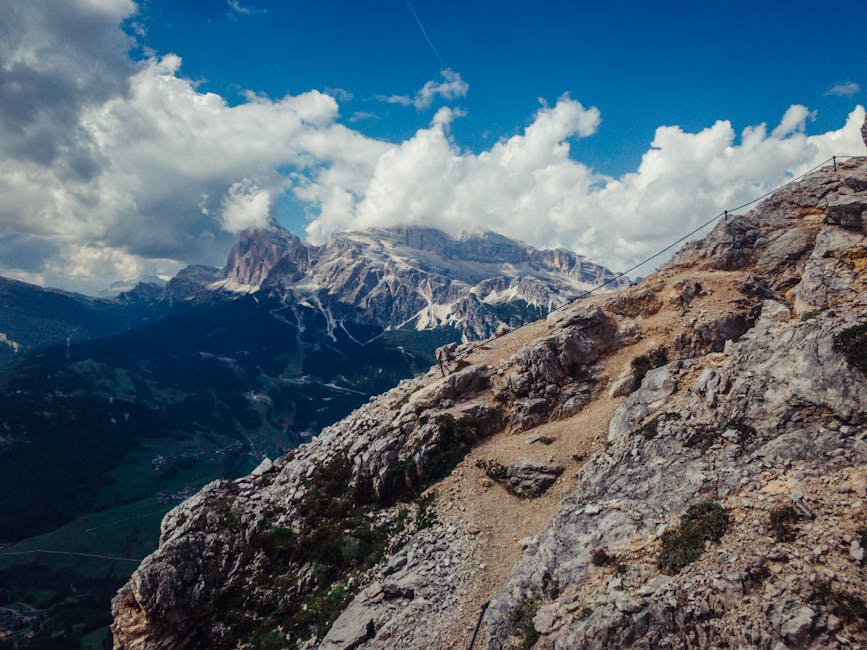
At the top, the Cima Faloria area offers easy-to-moderate trails, scenic viewpoints and the Rifugio Faloria (mountain hut) where you can enjoy traditional dishes and a cup of mulled wine in winter. Exact hut location shifts seasonally but it’s clearly signposted at the cable car drop-off. The views take in the Tofana, Cristallo and the Pale di San Martino ranges. In summer, it’s a great launch point for family-friendly hikes; in winter, slopes and off-piste routes are managed according to avalanche safety.
Practical tips: bring extra layers—altitude and wind can make it several degrees colder than the town. If you want to photograph the alba (sunrise), check for special opening hours or morning guided tours—photographer sessions sometimes run around €30–€40 including transport. Book cable car seats for busy high-season weekends to avoid long lines.
Click here to book a private sunrise hike
Tofana di Mezzo, Slopes and Mountain Huts: Outdoor Activities
The Tofana massif, particularly Tofana di Mezzo, is synonymous with top-quality skiing and dramatic alpine climbing. The main cable car to the Tofana area leaves from Piazzale Tofana (approximate address: Piazzale Tofana, 32043 Cortina d’Ampezzo BL, Italy). Hours vary by season but are typically 08:30–16:30 during the ski season. Lift pass prices for the ski area can range from €45 to €70 per day depending on timing and age; half-day and multi-day passes are also available.
Tofana’s runs suit intermediate and advanced skiers, offering long descents and impressive views. In summer, climbing routes and via ferrata attract climbers—the Dibona via ferrata is a classic, with dizzying sections and vistas over the Ampezzo valley. For hikers, numerous refuges like the Rifugio Capanna Tondi (details posted at lift stations) serve hearty mountain food and offer dorms or rooms.
Practical tips: book ski lessons and equipment ahead in high season; several rental shops on Corso Italia offer delivery to the lift base. If you plan a via ferrata, rent the specific gear (helmet, lanyard, harness) and check trail conditions with the local Soccorso Alpino if weather is unstable. Avoid solo high-mountain outings without an experienced guide. Expect alpine dining prices around €12–€25 per dish; carrying snacks and water is always a good idea.
Click here to book a guided snow excursion in Cortina
Museo d’Arte Moderna Mario Rimoldi and Cultural Heritage
The Museo d’Arte Moderna « Mario Rimoldi » is a key cultural stop in Cortina, showcasing modern and contemporary art often connected to 20th-century Italian artists. Address: Corso Italia, 57, 32043 Cortina d’Ampezzo BL, Italy (check municipal signage for the exact entrance). Typical hours: 10:00–18:00 during the tourist season, with one or two closed days in low season. Admission is usually around €6–€10, with discounts for students and seniors and free entry for children under 12 accompanied by an adult.
The museum complements a mountain visit with an artistic take on the landscape: works inspired by the Dolomites, temporary exhibitions and photographic archives. Nearby, other cultural venues punctuate the town such as the Galleria d’Arte Moderna Contemporanea (check the tourist office for current programming) and rotating exhibitions often hosted in municipal spaces.
Practical tips: combine a museum visit with lunch on Corso Italia. Audio guides and guided tours, when available (often for €3–€5), add depth to the experience. Confirm opening days and temporary shows by contacting the tourist office: Ufficio Informazioni e Accoglienza Turistica, Address: Corso Italia, 42, 32043 Cortina d’Ampezzo BL, Italy, Hours: 09:00–18:00 in high season; local info phone numbers are usually listed on municipal resources.

Conclusion
Cortina d’Ampezzo is a place to experience with both your eyes and your body: you’ll admire peaks carved by time, taste mountain recipes, and follow trails and pistes that tell the story of the Dolomites. This guide aims to give you concrete reference points—addresses, usual hours and indicative prices—to organize a short or extended stay. The basilica and historic center offer cultural and shopping immersion, while Faloria and the Tofana invite you to rise above the valleys and take in the landscape’s grandeur.
Key practical takeaways: book in high season (accommodation, lifts, ski lessons); match your gear to the weather and altitude; favor public transport or carpooling to reduce congestion in the center. Remember that mountain weather can change fast: check conditions each morning with the lift operators and mountain huts before setting out. Finally, leave room in your itinerary for unexpected discoveries—a craft shop, a family-run bistro or an unplanned viewpoint.
When planning your trip to Cortina d’Ampezzo, consult official sources for up-to-date times and prices: the local tourist office, the lift operators’ websites (Funivia Faloria, Tofana) and museum calendars. With good preparation, Cortina delivers a full alpine experience: refinement, nature, sport and culture come together in a landscape ranked among Europe’s most spectacular. Safe travels, and take the time to listen to the silence of the peaks at dawn—often that’s where Cortina’s soul reveals itself best.