





Introduction
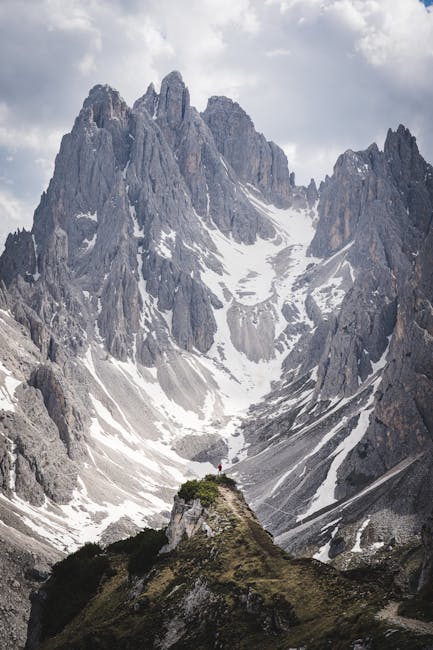
The Dolomites, a UNESCO World Heritage alpine range, are an exceptional playground for anyone who loves camping beneath towering peaks. Between limestone needles, emerald lakes and hanging pastures, every route becomes a full-sensory experience — starry skies, blazing sunsets and crisp mountain air blended with the scent of fir and damp grass. Camping in the Dolomites isn’t just pitching a tent: it’s choosing a front-row seat to natural monuments like the Tre Cime di Lavaredo, the Sella massif or the Pale di San Martino amphitheatre, and diving into Italian alpine culture.
This article lays out detailed routes for camping beneath the summits, giving practical info for each stage: sights and landmarks, addresses and access, opening hours where applicable, indicative prices in euros, and local tips to make your bivouac a success. Whether you’re a lone hiker chasing absolute silence or a family after a wild-nature adventure, you’ll find suitable options: established campgrounds near mountain huts, permitted wild-camping spots to use with caution, and loop routes linking lakes, passes and panoramas.
We’ll also cover Dolomites-specific rules — including bivouac regulations, periods to avoid, and how best to respect the environment and local communities. You’ll get logistical recommendations: public transport, parking, rifugi (mountain huts) to warm up in, and useful addresses (post offices, tourist information desks, outdoor shops). The prices shown reflect common rates in the tourist season (spring–autumn) and may vary — always allow a margin.
Finally, each itinerary includes local tips — from the best light for photos, to when to avoid the crowds at Lago di Braies, to which huts to book in advance such as Rifugio Auronzo or Hut Pederü. Pack your gear, respect the mountains and set off to explore these routes for camping under the Dolomites’ summits: a land of contrast, silence and endless horizons.
Itinerary 1: Tre Cime di Lavaredo and the Misurina Area
The hike around the Tre Cime di Lavaredo (Drei Zinnen) is an absolute must. A classic starting point is the Auronzo car park on the Strada Statale 48 delle Dolomiti, which leads up to the main refuge. The main site is Rifugio Auronzo (address: Loc. Auronzo 3, 32041 Misurina BL, Italy). The car park is paid — indicative fee €30 per vehicle for the day (access hours: generally 07:00–19:00 in high season). Rifugio Auronzo is open from late May to October depending on weather; approximate hours: 06:30–20:00 for reception, meals and dormitories. Dorm nights: from €30–€45 per person, hot meals: €15–€25.
 Click here to discover the Three Peaks of Lavaredo from Misurina
Click here to explore the Tre Cime refuges with a guide

From the car park, the classic loop (Trails 101/105) is roughly 10 km and delivers spectacular views of the iconic faces. For camping there are two main choices: a valley campground before reaching Misurina, for example Camping Misurina (address: Via Lungolago, 9, 32041 Misurina BL, Italy). Camping rates: tent pitches from €10–€20 per night depending on season; typically open April to October, reception 08:00–20:00. Booking during high season is strongly recommended.

Practical tip: wild camping is strictly regulated in the Tre Cime area. It’s only tolerated outside protected zones and only if you keep at least 100 metres from refuges, main trails and watercourses. Prefer camping at an official site or staying in a rifugio to minimize impact. For photography, sunrise from the southern loop gives soft light on the Tre Cime’s east face; bring warm layers even in summer — early-morning temps often hover around 5–10 °C.
Itinerary 2: Lago di Braies (Pragser Wildsee) and the Braies Valley
Lago di Braies, known as Pragser Wildsee in German, is one of the Dolomites’ most famous lakes. Address and access: Lago di Braies, Strada Provinciale 36, 39030 Braies (BZ), Italy. Car park hours: the main lot opens early (around 06:00) and closes in the evening depending on season; in high season parking is paid and very limited (indicative fee €8–€12 for a few hours). A shuttle service runs from the village of Braies and the nearby bus station.
The 3.6 km loop around the lake is accessible to everyone and lets you see the iconic rowboat and the cliffs behind. For camping, Camping Seeblick (address: Via Lago, 44, 39030 Braies, Italy) offers pitches and bungalows; rates: tent pitches from €12–€25/night, rowboat rental €10–€15/30 minutes. The Braies tourist information office (Pro Loco Braies) has variable hours, usually open 09:00–17:00 in season.
Note the local rules: the immediate lakeshore can be extremely busy and wild camping is forbidden along the lake to protect the ecosystem. For a more intimate camping experience, head up to the higher pastures or to nearby valleys like Val di Braies, while respecting protected zones. Best times to visit are early morning or late afternoon to avoid tourist buses — the golden light really enhances the lake’s colors.
Click here to practice yoga and hike at Lago di Braies
Itinerary 3: Val di Funes (Villnöss) and the Santa Maddalena Alp
Val di Funes, also called Villnöss, is famed for the small hamlet of Santa Maddalena and its picturesque church framed by the Odle/Geisler peaks. Address: Parish Church of Santa Maddalena, Via Santa Maddalena, 2, 39040 Santa Maddalena di Funes BZ, Italy. The little church is usually accessible freely, with Sunday service around 10:00–11:00; morning visits are recommended for the low, flattering light. Parking: a small lot near the church (free but limited).

For camping, the area has peaceful sites such as Camping Val di Funes (address: Via Rienz, 1, 39040 Funes, Italy). Rates: tent pitches €12–€22/night. This region is perfect for hikers who want short walks, photo sessions and quiet nights under the stars. Trails into the Puez-Odle Nature Park offer extraordinary panoramas; the park runs an information centre, the Puez-Geisler Visitor Center (address: Via Principale 10, 39040 St. Magdalena, hours vary, often 09:00–17:00).

Local tips: the weather in Val di Funes can turn quickly — bring a waterproof jacket and thermal layers. Respect livestock and farm enclosures: this is an active pastoral area. For water and supplies, stock up at the nearest supermarket (for example CONAD in Santa Cristina Val Gardena, Via Rezia 48, opening hours 08:00–20:00). At night up high the temperature can drop below 0 °C outside peak season, so bring an appropriate sleeping bag.
Itinerary 4: Passo Sella, Col Rodella and the Sella Massif
Passo Sella (Sellajoch), at the crossroads of Val Gardena and Val di Fassa, is an ideal launch point to explore the Sella massif. Access: Passo Sella, Strada Statale 242, 39048 Selva di Val Gardena (BZ), Italy. Parking and access: parking areas are spread around the pass and usually open early; indicative daily fee €5–€15 depending on location. The well-known hut Rifugio Sella (address: Passo Sella, 39048, seasonal opening) offers meals and dorm beds, meal prices €12–€25.
Hiking routes: loops to Col Rodella and nearby ridges cater to all levels. The area is popular for climbing and via ferrata — check schedules and guide availability (for example Alpine Guides di Val Gardena, Via Dolomites 21, 39047 Selva di Val Gardena). For camping, use official valley campgrounds like Camping Seiser Alm (address: Via Alpe di Siusi, Castelrotto, seasonally open). Pitch prices range from €12 to €30/night depending on amenities.
Tips: the Sella area is exposed and windy — pitch your tent on the sheltered side and stake it well. Summer is very busy — an early start guarantees quieter trails and the best light for photos. For safety, always tell someone your itinerary and check weather bulletins from the CAI (Club Alpino Italiano) or local tourist offices, which are often open 09:00–18:00 in season.
Click here to discover the Sellaronda in half a day
Conclusion
Camping beneath the Dolomites’ summits is an adventure that requires preparation, respect for local rules and sensitivity to the environment. The routes covered — from the Tre Cime di Lavaredo to Lago di Braies, Val di Funes to Passo Sella — offer varied experiences: nights in a rifugio, organized campsites, or discreet (but regulated) bivouacs in less-sensitive areas. The addresses, opening times and prices given will help you plan concretely — but always double-check up-to-date info before you leave, since seasonality and weather often change openings and rates.
Recommended practices: book huts and pitches in high season, use designated car parks to avoid fines, bring suitable gear (sleeping bag rated to about -5 °C, certified stove, basic first-aid kit), and favor walking or shuttle use to reduce pressure on fragile sites. Respect wildlife and plants: leave no trace, don’t light fires outside permitted areas and pack out your trash.
Above all, let the mountain’s pace carry you: the show of light on dolomitic rock at sunset, the distant whistle of marmots at dawn, and a pristine star-filled sky far from urban glow. Those moments are the true reward of camping beneath the peaks. Safe travels, prepare well and savor every panorama the Dolomites offer — a region that gives itself generously but asks for respect and caution in return.