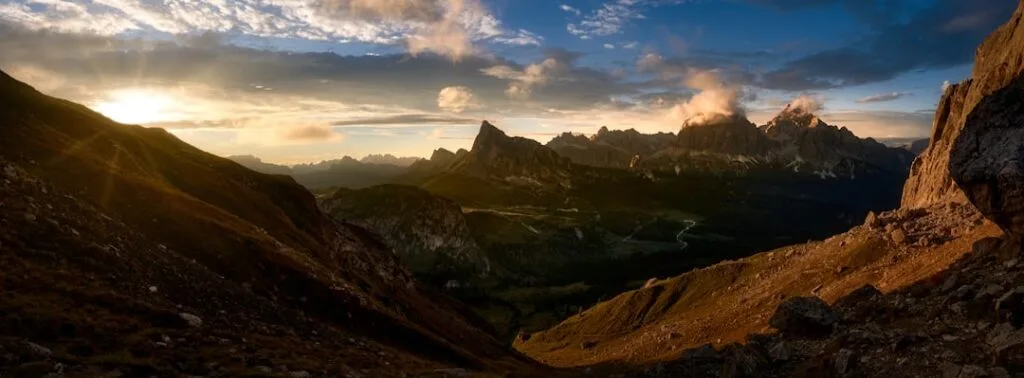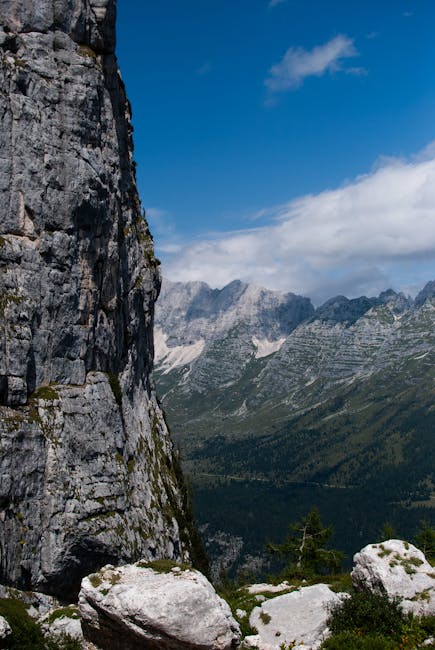






Introduction: The Dolomites’ Historic Mountain Passes and Their Military Importance
The Dolomites — that dramatic limestone range with sheer faces and jagged ridgelines listed as a UNESCO World Heritage site — are far more than a playground for hikers, climbers and photographers. These mountains have been battlefronts, natural watchtowers and vital communication arteries throughout history, especially during World War I. The region’s historic mountain passes — Passo Falzarego, Passo Pordoi, Passo Sella, Passo Giau, the Monte Piana plateau and the approaches to the Marmolada — still bear the marks of military occupation: hand-hewn tunnels bored into rock, fossilized trenches, forts and war museums, lookout huts converted from shelters, and restored military paths (via ferrata). These remnants tell a story of endurance, ingenuity and adaptation to extreme conditions where the landscape dictated tactics and limits for armies.
To understand why these passes mattered militarily, you first need to grasp the strategic role of the terrain. Mountain passes act as natural gateways between valleys, control points for trade routes and essential links between defensive positions. Holding a pass historically meant controlling troop movements, supply lines, reconnaissance and the ability to launch counterattacks. In the First World War, when Italy and Austria-Hungary clashed in these heights, every summit, cornice and gap could become an observation post for artillery, a machine-gun nest or a refuge for soldiers.
Today the Dolomite passes invite both nature lovers and memory-seekers. Hikers follow marked trails that often reuse old military roads; local guides run tours of the Lagazuoi tunnels and Monte Piana routes; outdoor museums and interpretation centres display uniforms, artifacts and period documents. The passes are spaces of collective remembrance where commemorations and educational visits take place, blending reverence with discovery. For modern travellers, visiting these sites offers a twofold experience: the emotional power of a spectacular landscape and the intensity of human history carved into the stone.
This guide walks you through a themed route across key Dolomite passes and sites, focusing on military history, practical info (addresses, opening hours, prices), and local tips to get the most out of visits to these charged places. Whether you’re a historian, an inquisitive hiker, a photographer or simply a traveller wanting to understand the landscape, you’ll find directions to the spots where nature and history meet. We’ll cover Passo Falzarego and the Lagazuoi tunnels, Monte Piana, the Marmolada massif and its Museo della Grande Guerra, Passo Pordoi and its forts, plus Passo Giau and its strategic roads. Each section includes immersive descriptions, exact addresses, prices in euros, opening times and safety tips to visit respectfully.
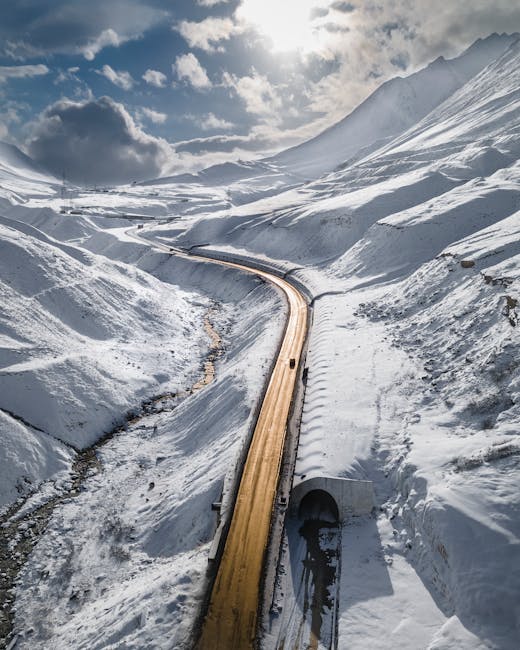
Passo Falzarego and the Lagazuoi Tunnels: The Front Suspended in Stone
Passo Falzarego (1,752 m) is one of the Dolomites’ most evocative military memory sites. Nestled between Cortina d’Ampezzo and the Badia valley, it was a major theatre of operations for both Austro-Hungarian and Italian forces in World War I. The main attraction is the Lagazuoi tunnel complex, now reachable via the Lagazuoi funivia (cable car), which takes you up to the carved galleries and caverns hewn into the rock. Largely restored, these tunnels reveal niches, troop quarters and connecting galleries where soldiers lived, fought and sheltered under brutal conditions.
Practical information:
- Lagazuoi funivia address: Strada Passo Falzarego, 32020 Colle Santa Lucia (BL), Italy.
- Funivia fares: Round-trip adult approx. €17.00; child (6–12) €9.50; family discounts and Dolomiti Superski cards may apply depending on season.
- Opening hours: usually 09:00–17:00 from April to October (hours vary off-season — check the official site before you go).
- On foot: several trails start from Passo Falzarego; walking up takes about 1.5–2 hours depending on fitness.
The Lagazuoi tunnels make for an immersive visit: you walk through passages cut into the rock, spot period inscriptions, lamp niches and machine-gun embrasures. The summit of Lagazuoi offers breathtaking panoramas — a collage of limestone ridges, deep valleys and snow-topped peaks depending on the season. The trail along the military works has been made safer but can still be narrow and exposed in places; sturdy footwear, a windproof layer and a headlamp (if you plan to explore darker galleries) are recommended.
Local tips:
- Start early to avoid crowds, especially in summer and school holidays. Sunrise paints the faces of the rock in incredible colors.
- Weather can turn quickly even in summer — gusts and sudden chill at the summit are common. Pack layers and waterproof protection.
- If you want a historical guided tour, contact the Cortina d’Ampezzo tourist office (Via Cesare Battisti, 2, 32043 Cortina d’Ampezzo BL, tel. +39 0436 867700) to book a specialist guide.
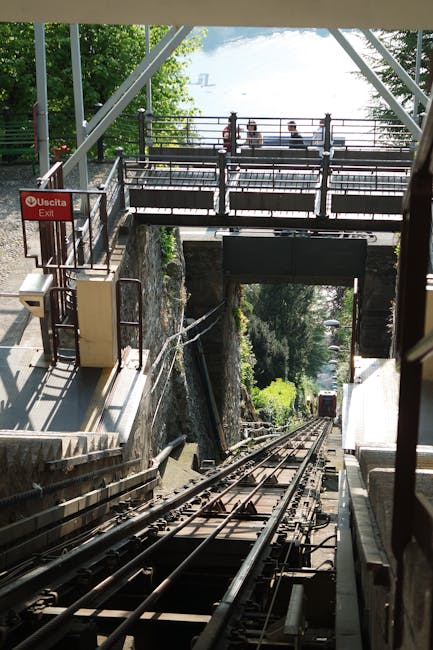
Monte Piana and the Museo all’Aperto: A Plateau of Memory and Great War Trails
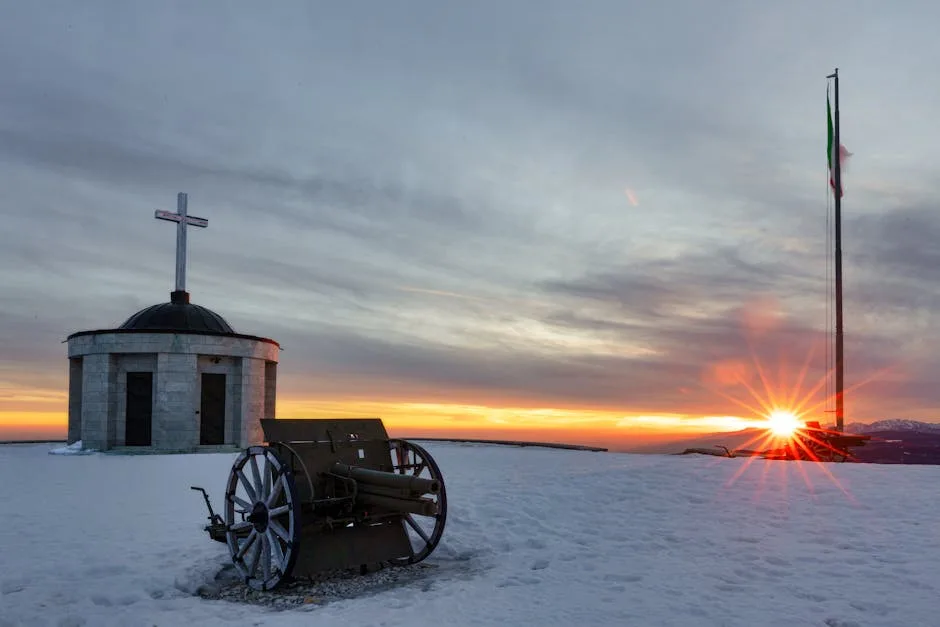
Monte Piana (2,324 m), near Dobbiaco/Toblach, is one of the most moving places to understand mountain warfare in the Dolomites. The relatively flat plateau overlooking the valley became a deadly battleground between 1915 and 1917, quickly turning into a static front full of trenches, firing lines and observation posts. Today, the Museo all’Aperto di Monte Piana is an open-air museum preserving intact remains: stone casemates, remnants of equipment, wooden crosses and commemorative markers.
Practical information:
- Museo all’Aperto di Monte Piana address: Località Monte Piana, 39034 Dobbiaco (BZ), Italy.
- Access: park at Carbonin/Centinia, Strada Statale 49, 39034 Cortina d’Ampezzo/Dobbiaco area; follow signs to Monte Piana.
- Prices: access to the plateau is free; guided tours by local guides cost around €8.00–€15.00 per person (depending on length and season).
- Opening times: the outdoor site is accessible year-round but access may be limited in winter for safety; guided tours mainly run April–October.
Walking Monte Piana is both contemplative and educational. The marked route crosses battle sites and observation points, with information panels in Italian, German and English. As you wander, you can sense how closely soldiers’ daily lives were bound up with the harsh landscape: improvised shelters, rusting canisters and blast marks remain. Personal stories — often shared by local guides — bring a human dimension to the numbers and maps. The plateau also makes the strategic layout clear: the ridge lines offered exceptional visibility and made any enemy advance painfully costly.
Local tips:
- Wear sturdy hiking boots: the plateau is often rocky and can be muddy or icy depending on the season.
- Bring water and a packed lunch: there are no food services on the plateau itself, only huts at the edges.
- Respect the site: do not move or touch military objects and follow the markers to preserve the archaeological character of the area.
Marmolada, Passo Fedaia and the Museo della Grande Guerra: Glacier, Forts and Memory
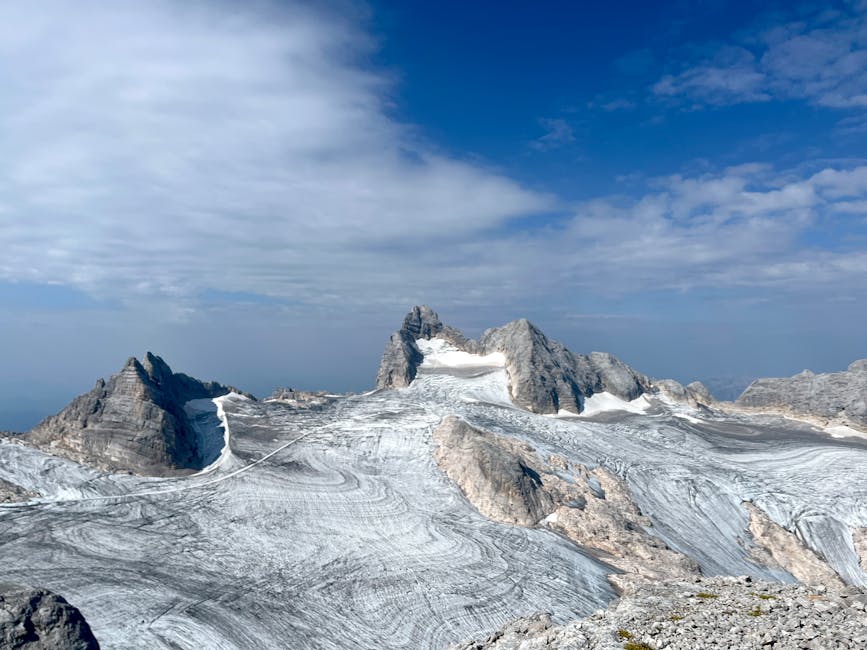
The Marmolada, the “King of the Dolomites,” dominates the region with the largest glacier in the range. It is also the backdrop to intense military history: soldiers carved positions, tunnels and storage depots into its slopes. The Museo della Grande Guerra della Marmolada is a major interpretation centre chronicling the ordeal of mountain troops in extreme alpine conditions. The view from Passo Fedaia (2,057 m) and the Fedaia dam offers a striking contrast between the icy mass of the glacier and human infrastructure.
Practical information:
- Museo della Grande Guerra Marmolada address: Pian dei Fiacconi, 32020 Rocca Pietore (BL), Italy.
- Prices: adults approx. €6.00–€10.00; reduced (students, seniors) €4.00–€7.00; occasional free entry for children under 6 (museum policy may vary).
- Opening hours: generally 09:00–17:00 from early June to late September; reduced hours off-season. Check the official site before visiting.
- Access to Passo Fedaia: Strada Statale 641, near Lago del Fedaia; parking at the Fedaia dam, 32020 Malga Ciapela Rocca Pietore (BL).
The museum displays objects, uniforms, maps and personal accounts, but the most powerful experience is often walking to the remains of posts and galleries and, if done with care and a guide, approaching the glacier itself. The road to Passo Fedaia is one of the most spectacular summer drives: azure lake, sheer cliffs and direct views of Marmolada’s north face. Partly accessible forts and tunnels show how armies fortified and adapted to the alpine environment.
Local tips:
- In high season, parking at the dam may be paid (expect about €5.00–€15.00 for the day depending on local management); arrive early to secure a spot.
- If you want to walk on the glacier, hire a certified guide (typical half-day rate €50.00–€90.00 depending on group size and route).
- Bring sunglasses and sunscreen: snow and ice strongly increase glare and UV exposure.
Passo Pordoi, Passo Sella and Passo Giau: Strategic Roads, Forts and Observation Posts
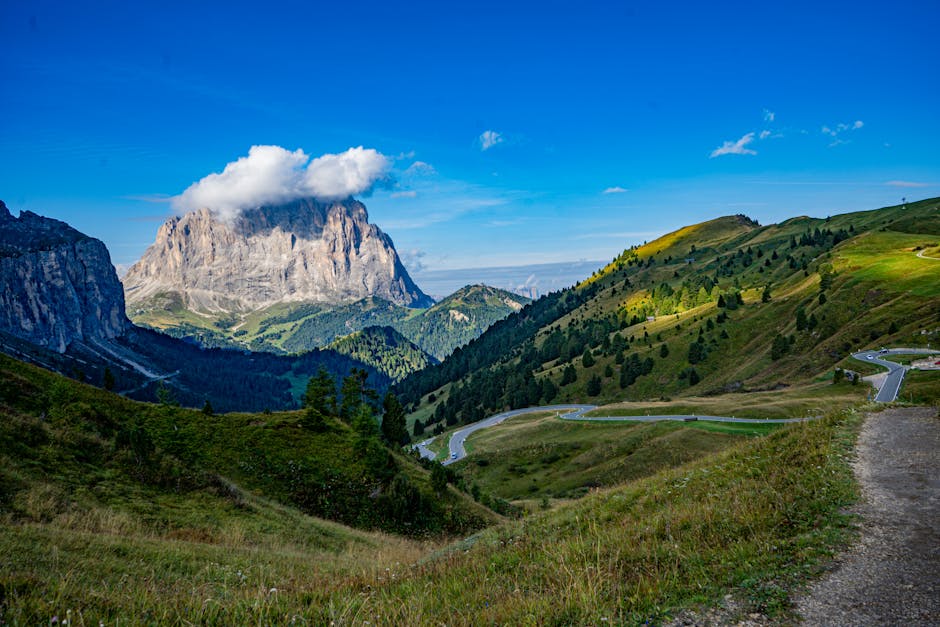
Passes like Passo Pordoi (2,239 m), Passo Sella (2,240 m) and Passo Giau (2,236 m) are today famous for their breathtaking roads and views, but they once played a key role as communication lines between valleys and as military strongpoints. Passo Pordoi, for instance, linked the Fassa valley to the Ampezzo valley and offered natural positions to monitor enemy movement. Passo Sella, at the foot of the Sella massif, controls several vital gaps, while the quieter Passo Giau served as a secondary axis for manoeuvres and discreet transport of equipment.
Practical information and sites to visit:
- Passo Pordoi: Strada Statale 641 near Canazei, 38032 Canazei TN, Italy. Parking and Rifugio Pordoi (Rifugio Maria) nearby. Parking fees vary (often €3.00–€10.00 depending on season).
- Passo Sella: Strada Dolomiti SS241, 39048 Selva di Val Gardena (BZ), Italy. Access via the SS243 from Selva/Gardena; parking at Col Rodella and at the base of the Sella.
- Passo Giau: Strada Comunale del Giau, 32020 Cortina d’Ampezzo (BL), Italy. Rifugio Passo Giau (Rifugio L’Aquila): Strada del Passo Giau, 32020 Colle Santa Lucia Cortina area.
On these passes you’ll still find bunkers, remnants of fortifications and firing positions. Some mountain huts and restaurants at the passes house small photo displays or collections of Great War objects. At Rifugio Pordoi and Rifugio Passo Giau, for example, you can sometimes spot explanatory panels about local battles and military routes. These huts also serve as trailheads for shorter historic hikes to more isolated military works.
Practical tips:
- Check hut opening times: in high season (June–September) most are open roughly 08:00–20:00; off-season hours are reduced and closures are possible.
- If you’re driving, prepare for mountain roads (good tyres, adequate fuel); some roads may be closed by late snow.
- For a deeper historical perspective, book a guided tour with a mountain guide specialised in military history (indicative rates €40.00–€80.00 depending on duration and group size).
Cinque Torri and the Forgotten Forts: Small Arenas, Big Stories
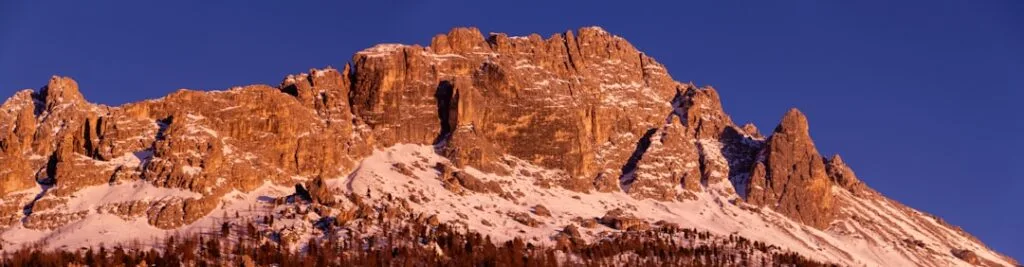
The Cinque Torri, a cluster of iconic rock pillars near Cortina d’Ampezzo, served as small defensive arenas and lookout points during the war. Around the Cinque Torri you can find a concentration of military structures: trenches, firing nests and restored galleries integrated into an accessible educational route. The site pairs the unique aesthetics of the stone towers with the solemnity of Great War relics, making it a rewarding stop for families, school groups and photographers.
Practical information:
- Cinque Torri address: Località Cinque Torri, 32043 Cortina d’Ampezzo (BL), Italy. Recommended parking at Rifugio Scoiattoli, 32043 Cortina d’Ampezzo.
- Prices: outdoor areas are free to access; some local guided tours cost €6.00–€15.00 depending on length.
- Opening times: the site is accessible year-round; huts and local museums follow the tourist season (full hours June–September).
The loop around Cinque Torri is relatively short and equipped with informative panels that place the fights in their geographic context. The Museo all’Aperto at Cinque Torri lets you explore restored galleries and bunkers. The area is ideal if you want to spend a cultural morning and an afternoon climbing easier sport routes (single-pitch) suitable for beginners, under the supervision of a climbing guide.
Local tips:
- Photographers will find the late-afternoon light especially flattering on the faces of the Cinque Torri — bring a tripod for long exposures at sunset.
- If you’re interested in climbing, contact the local ASD to book an instructor (prices vary, typically €40.00–€80.00 for a half-day depending on the group).
- Respect marked zones: some galleries are fragile and protected for safety and conservation reasons.
Conclusion: Between Remembrance, Learning and Responsible Tourism
The Dolomites’ historic passes are both visually spectacular and rich in history. Visiting Passo Falzarego, Monte Piana, the Marmolada, Passo Pordoi, Passo Sella, Passo Giau and the Cinque Torri lets you cross sublime landscapes while plunging into an intense human story marked by war, endurance and resilience. These sites offer comprehensive narratives: military strategies shaped by the terrain, techniques for coping with cold and altitude, and memory efforts realized today through museums, educational trails and restored underground works.
To make the most of your visits, adopt an attitude of respect and come prepared. Confirm the opening times and prices listed above (they change with the season), book guided tours to deepen the historical context and favour local guides to support the mountain economy. Bring appropriate gear (hiking boots, warm and waterproof clothing, water, a headlamp if needed) and check weather forecasts before taking exposed trails. Local tourist offices — notably the Cortina d’Ampezzo Tourist Office (Via Cesare Battisti, 2, 32043 Cortina d’Ampezzo BL, tel. +39 0436 867700) or the ufficio turistico di Dobbiaco (via Dolomiti, 2, 39034 Dobbiaco) — can provide maps, guide recommendations and updates on site accessibility.
Finally, visiting these passes helps keep memory alive: taking guided tours, following interpretive signs, not touching or moving artifacts and supporting local museums (even with small donations) all contribute to preserving these traces for future generations. The Dolomites teach, by the power of their terrain and the depth of their history, how landscapes shape human stories. They invite both reflection and wonder. Whether you’re heading up a steep trail to an underground gallery, riding the Lagazuoi cable car, or visiting the museums of the Marmolada and Monte Piana, each pass tells a page of European history — best read slowly, with care and humility.