





Introduction: Dive into the Dolomites — a nature-based treasure hunt
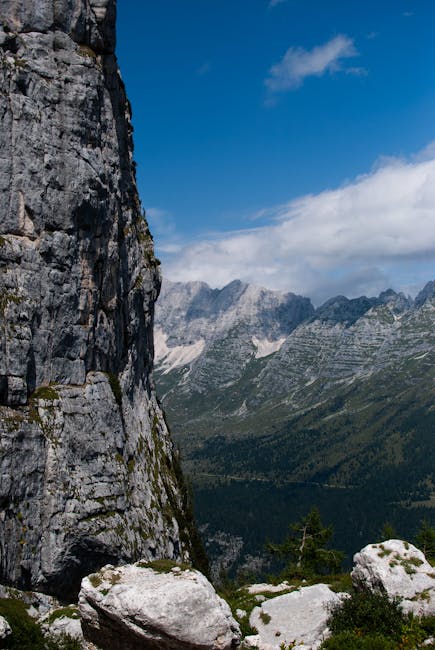
The Dolomites, a UNESCO World Heritage site, are a one-of-a-kind playground for adventure lovers: ochre cliffs, flower-strewn alpine meadows, emerald high-altitude lakes and well-preserved mountain villages. A nature treasure hunt here isn’t just about finding hidden objects — it’s a sensory and cultural experience: follow clues scattered among airy ridges and larch forests, discover century-old mountain huts, uncover tucked-away waterfalls and take in panoramas that shift with every step. Possible “treasures” are many: a secret viewpoint of the Tre Cime di Lavaredo at sunrise, a rock covered in rare lichens, a spring so pure it becomes the day’s goal, or a shepherd’s signature tucked in an old refuge logbook.
Organizing a treasure hunt in the Dolomites requires a mix of logistical planning, creativity with clues, and deep respect for the environment. Trails cross protected areas (natural parks such as Parco Naturale Fanes-Senes-Braies, Parco Naturale Puez-Odle, and Parco Naturale delle Dolomiti d’Ampezzo); it’s essential to check opening hours, circulation rules, seasonal closures of mountain huts, and official access points. The experience can be designed for families with kids, experienced hikers, or school groups looking to combine orienteering, botany and geology.
In this article I offer detailed routes, clue ideas inspired by local flora, fauna and geology, plus a practical list of emblematic spots and resupply points — with addresses, indicative prices and opening hours — to help you build your own nature treasure hunt in the Dolomites. Whether you want a playful half-day around Lago di Braies (Pragser Wildsee) or a two-day expedition between Passo Tre Croci and the Tre Cime di Lavaredo, you’ll find suggestions for every level, safety tips, and ways to minimize your impact on these fragile landscapes.
I’ll also describe multi-sensory clue examples (listening, touch, observation), variations for children and adults, and accommodation options — mountain huts and small hotels — with practical details (exact addresses, approximate prices in euros, opening hours). As you read on, the landscapes will come to life: the towering walls of the Marmolada, the rolling meadows of Alpe di Siusi, the dark Fanes forests, the pinnacles of Cinque Torri. Get ready for an immersive experience where each clue brings you closer to a treasure that, in the Dolomites, is often less an object than an unforgettable moment.
Treasure-hunt routes: 4 immersive options for every level
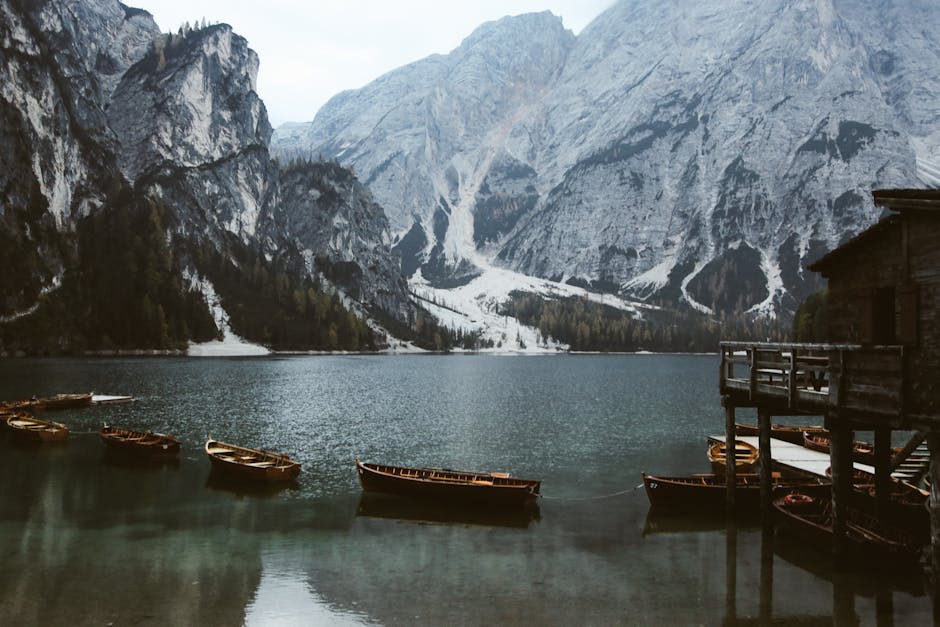
Route 1 — Lago di Braies (Pragser Wildsee): ideal for families and beginners. Starting point: Parkplatz Lago di Braies, Strada Provinciale 38, 39030 Braies (BZ), Italy. The lake is accessible year-round, but traffic is regulated in high season; paid parking costs roughly €6–10 for a few hours (rates vary by season). Hours: the lake area is open 24/7 but parking and services (bar/restaurant) follow variable schedules — for example, Ristorante Lago di Braies (Address: Strada Lago, 2, 39030 Braies) typically opens about 08:00–19:00 in summer. The easy loop around the lake (about 3.5 km) offers natural hiding spots: tree trunks, rocky niches and shoreline coves. Suggested clues: a white feather attached to a stump, a painted stone hidden under a root, or a torn map tucked into a wall crevice. Night variant: a firefly hunt (in season) with headlamps and strict no-disturbance rules.
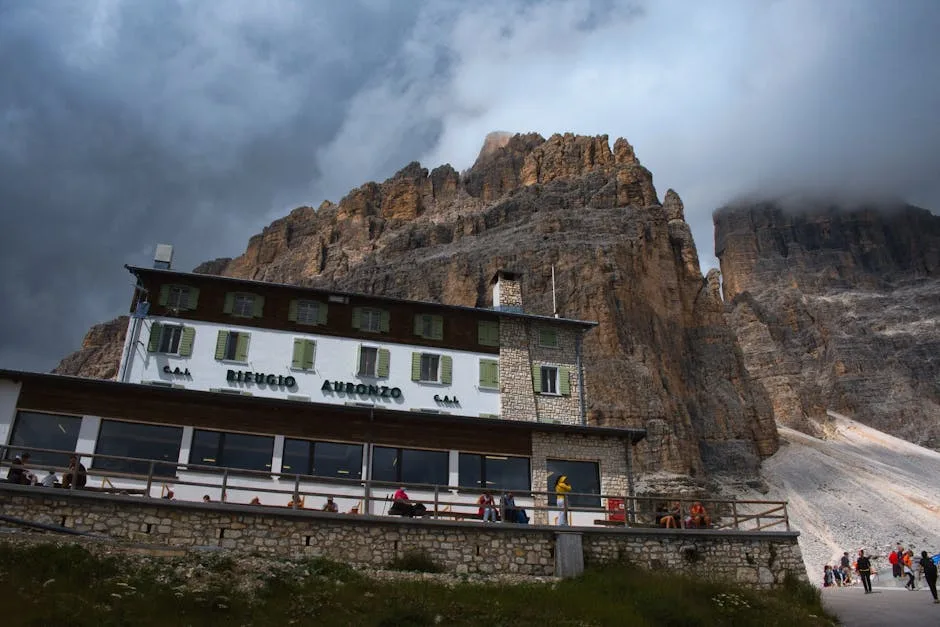
Route 2 — Tre Cime di Lavaredo and Rifugio Auronzo: for seasoned hikers. Trailhead and hut: Rifugio Auronzo, Strada Regionale 48, 32041 Auronzo di Cadore BL, Italy. Paid parking at Rifugio Auronzo (parcheggio): around €30 per vehicle in high season (check local rates on arrival). Hut season: Rifugio Auronzo is generally open from late June to mid-October; restaurant and accommodation open early for the flow of hikers. The classic loop (moderate difficulty) circling the Tre Cime delivers breathtaking views. Clues: a small metal plate (mini compass engraved) fixed under a wooden bench, a riddle carved into a dolomite stone, or a message-in-a-bottle placed inside a stone shelter. Bring warm clothing for dawn and light crampons if late snow is possible.
Route 3 — Alpe di Siusi (Seiser Alm) and hidden tracks: suited to active families and cyclists. Access: Pza. Compaccio 38, 39040 Castelrotto (BZ) for the Alpe di Siusi cable car (Funivia Alpe di Siusi / Seiser Alm Bahn). Cable car fare: round-trip ticket roughly €16–20 per adult depending on season; hours usually 08:30–17:00 (times vary). Alpe di Siusi is a vast plateau (the largest alpine meadow in Europe) with countless trails and shelters. Ideal hiding spots: cairns, hay bales, wooden cladding. Nature clues: a specific conifer needle sample, an animal track cast in clay, or a mini botanical kit teams must assemble.
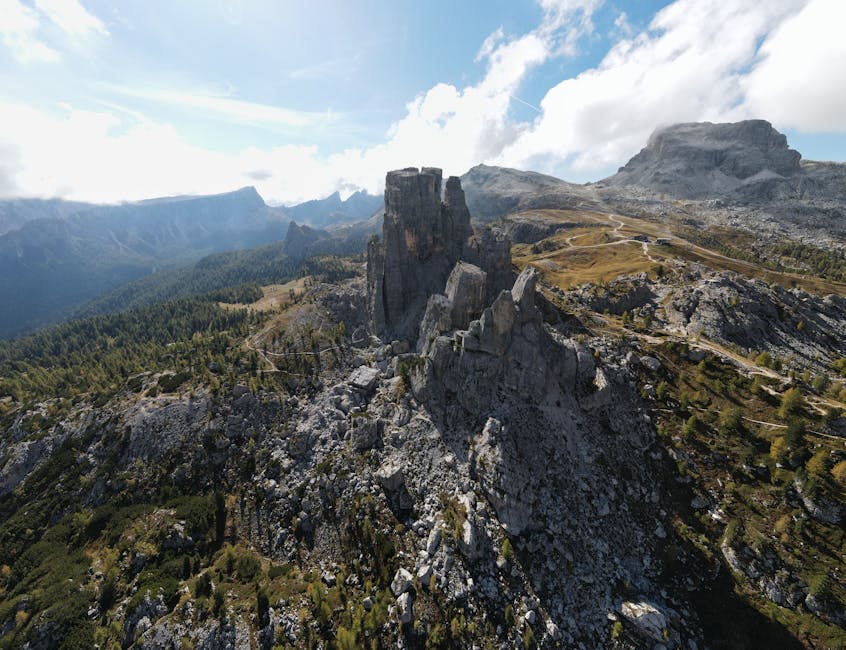
Route 4 — Cinque Torri, Passo Falzarego and war-time tunnels: a history-themed hunt. Access point: Passo Falzarego, Strada Statale 48, 32020 Cortina d’Ampezzo BL, Italy. The Cinque Torri (five towers) are a rocky area with trails and World War I tunnels. Parking fee: around €5–10 per day at the Passo Falzarego car park; hours: the site is accessible year-round, local huts (e.g. Rifugio Averau, Strada del Passo Falzarego, 32020 Colle Santa Lucia BL) are usually open June–October. Historical clues: shrapnel plates, replica period maps, riddles based on bunker inscriptions. Bring a lamp, a lightweight helmet for tunnels, and strictly respect signs forbidding access to certain galleries.
Each route can be scaled in duration (half-day, full day or a two-day expedition) and difficulty. Treasures can be symbolic (printed certificates, stamps, small local tokens) to avoid leaving a trace. Secure permissions if you plan to place fixed objects; prefer portable, biodegradable caches. For night hunts, always inform the local mountain office (especially in high-mountain areas) and leave your route plan with the originating village.
Clues and puzzles inspired by Dolomite nature
To make a treasure hunt memorable, use clues that tap into the Dolomites’ rich natural palette: geology (characteristic dolomite rock), botany (edelweiss, gentian, rhododendron), hydrology (springs and streams), wildlife (chamois, marmots), and human uses (shepherding, alpine pastures, mule tracks). Clues can be sensory (listen to a stream), tactile (identify a bark), visual (spot a rock formation that looks like a face), or based on mini educational workshops (identify three edible wildflowers — only with a guide).
Concrete clue examples:
– The mirror-print: press a temporary symbol onto a stone with an erasable medium, accompanied by a cryptic line pointing to a cardinal direction or altitude (e.g. “where the shadow drops at noon, under the flat stone at the second pace”). This encourages precise observation of the terrain.
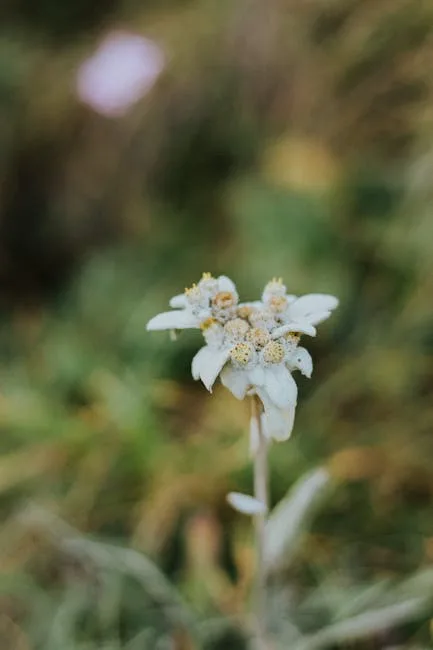
– The botanical clue: give a small illustrated card of three local leaves (larch, beech, rhododendron); the correct combination leads to the next site. It’s a chance to teach plant identification and respect for protected species (never pick wild edelweiss, for example).
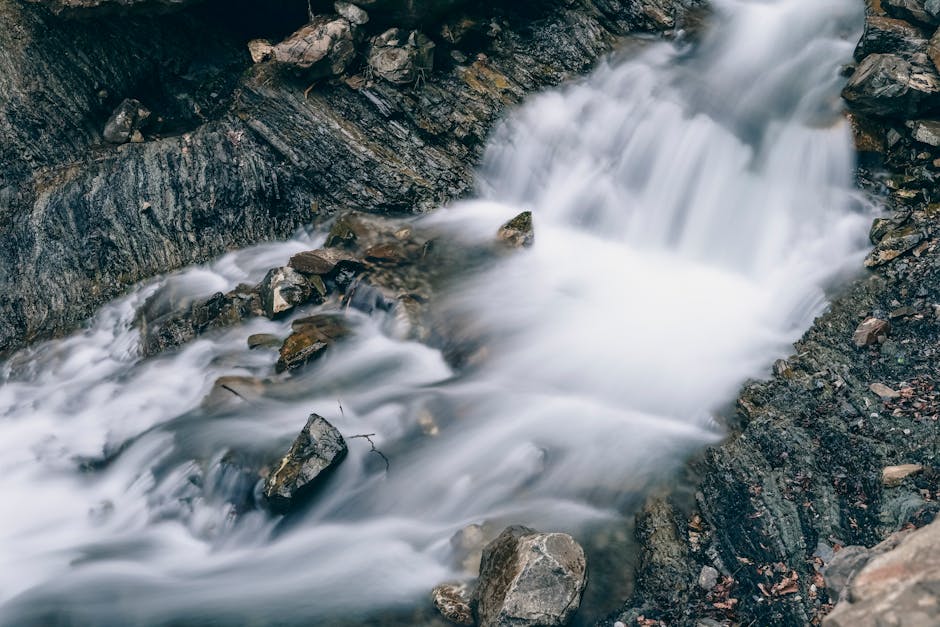
– The sound riddle: use the noise of a waterfall or stream as a waypoint. Give the clue: “Follow the clear voice that sings between two stones; it guards the secret of a green ring” — pointing toward a small pool.
– The geological clue: a whiter dolomite vein within a darker wall can be marked on a map. Ask participants to estimate the geological age from a visual cue (add educational elements).
Suggested materials for clues:
– Waterproof notebook and pencils
– Compass and topographic map (e.g. Tabacco map 01/03 depending on the sector)
– Stamps and passport-style booklets for each team (always a hit with kids)
– Small plastic botanical kits (magnifiers, ID cards)
– Headlamps for night variants
– Small biodegradable treasures (fabric swatches, laminated illustrated cards)
Eco-responsible rules to include:
– Don’t attach objects directly to vegetation or permanent rock; prefer portable caches slipped under a stable rock.
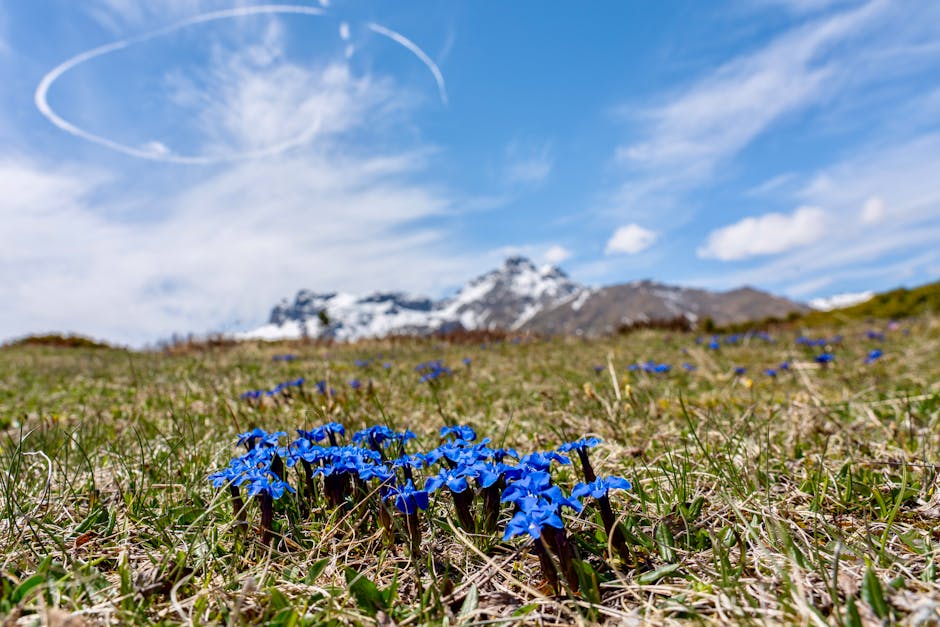
– Forbid picking protected flowers (edelweiss, for example) and inform participants which species to observe only.
– Leave no trace: bring a trash bag and a collection point at the end of the hunt.
– Respect sensitive site schedules (nesting areas for raptors, alpine grazing during transhumance).
Finally, adapt clue difficulty to your audience: for kids, favour simple visual clues and playful treasures; for adults, mix cryptograms and orienteering challenges. A well-designed treasure hunt in the Dolomites becomes a way to learn geology and Alpine culture while having fun — participants leave not only with a small prize, but with knowledge and mental images that last.
Key spots, huts and resupply points — addresses, prices and hours
To properly organise a treasure hunt, it’s essential to know your support points: huts for sleeping or eating, tourist information offices, official car parks and a few local shops. Here are concrete addresses and practical info (indicative rates and opening hours to verify before departure as they vary by season and weather).
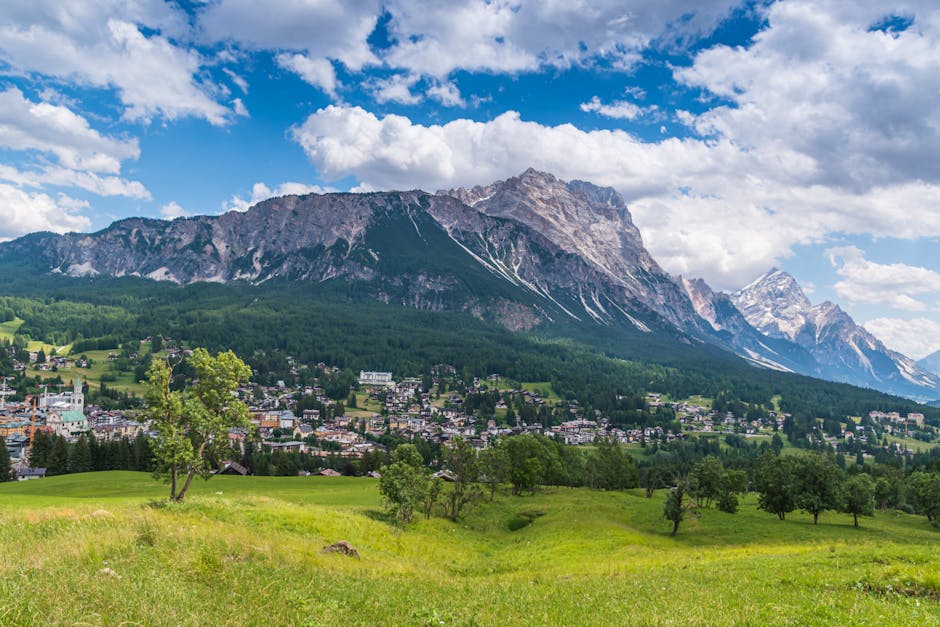
Cortina d’Ampezzo — Ufficio Turistico Cortina d’Ampezzo
– Address: Corso Italia, 32, 32043 Cortina d’Ampezzo BL, Italy
– Hours: typically 09:00–12:30 and 15:00–18:30 (winter/summer times vary)
– Services: trail information, maps, permits and local guide bookings
– Tips: call ahead to book a guide if you plan a hunt in technical areas.
Rifugio Auronzo (Tre Cime di Lavaredo)
– Address: Rifugio Auronzo, Str. Regionale 48, 32041 Auronzo di Cadore BL, Italy
– Price: parking at the hut around €30 per vehicle (summer); dorm bed in a hut around €35–50 per person, half-board €55–80 (prices vary)
– Hours: generally open late June to mid-October; restaurant service usually 07:00–20:00.
– Immersive description: from Rifugio Auronzo’s balcony the limestone faces glow pink at sunset and the air carries the scent of roast potatoes and speck.
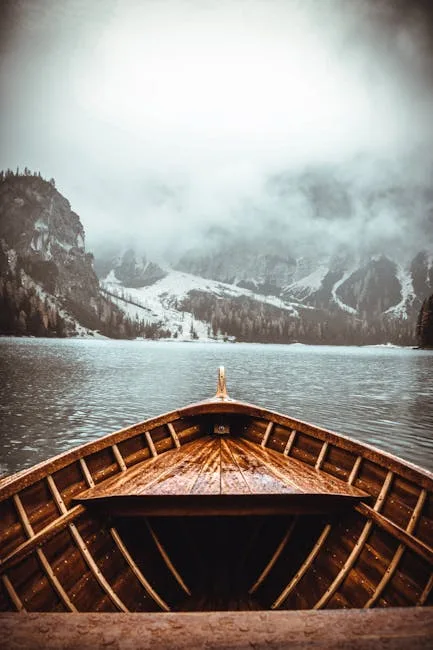
Lago di Braies — Parcheggio Lago di Braies and Ristorante Lago di Braies
– Parking address: Strada Provinciale 38, 39030 Braies (BZ), Italy
– Price: paid parking about €6–10 for a few hours; boat rental about €15–20 / 30 min (indicative rates)
– Hours: lake access 24/7, but services (bar, boat rental) usually 08:00–18:00 (seasonal)
– Tip: arrive early in high season to avoid crowds and capture perfect reflections.
Marmolada — Punta Rocca / Malga Ciapela
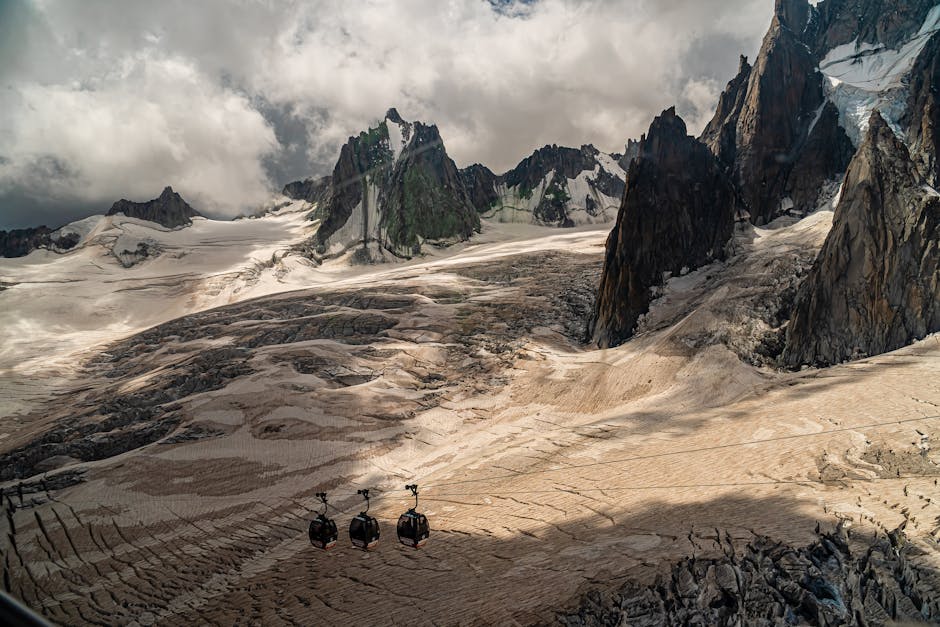
– Access address: Strada Statale 641, 32020 Rocca Pietore (BL) — Marmolada cable car / Serauta cable car from Malga Ciapela
– Price: cable car round-trip about €30–40 per adult; Great War museum on the Marmolada (Museo della Grande Guerra) entrance fee varies (often €5–10)
– Hours: cable car varies by season (usually 08:30–16:00); museum open during tourist season.
– Description: glaciers and war remains, extreme panoramas and high-altitude paths for a history-themed hunt.
Alpe di Siusi — Funivia Alpe di Siusi (Seiser Alm Lift)
– Base station address: P.za Compaccio 38, 39040 Castelrotto (BZ), Italy
– Price: round-trip ticket about €16–20 / adult; bike rentals and guides available on site
– Hours: cable car roughly 08:30–17:00 (variable)
– Services: plateau huts offering Tyrolean cuisine (main courses €12–18; drinks €2–5).
Rifugio Averau (Cinque Torri)
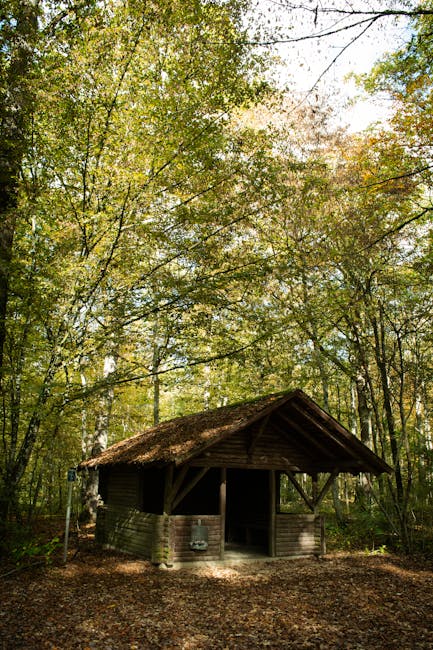
– Address: Strada del Passo Falzarego, 32020 Colle Santa Lucia BL, Italy
– Price: daily dish €12–18; dorm/night in a hut depending on season €30–60; drinks €3–6
– Hours: open in season (June–October), often 08:00–19:00 for meals.
– Tip: great spot to replace forgotten gear and to shelter from the typical afternoon mountain storm.
Before you go, always call huts or tourist offices (numbers are available on each municipality’s official sites) to confirm rates, availability and opening hours — they change frequently with weather and snow conditions. Also factor in extra costs: shuttles, cable cars, equipment rental, and possibly a mountain guide (guide rates: €200–350 / day for a UIAGM/IFMGA guide, to be split among participants).
Practical tips, safety and environmental respect
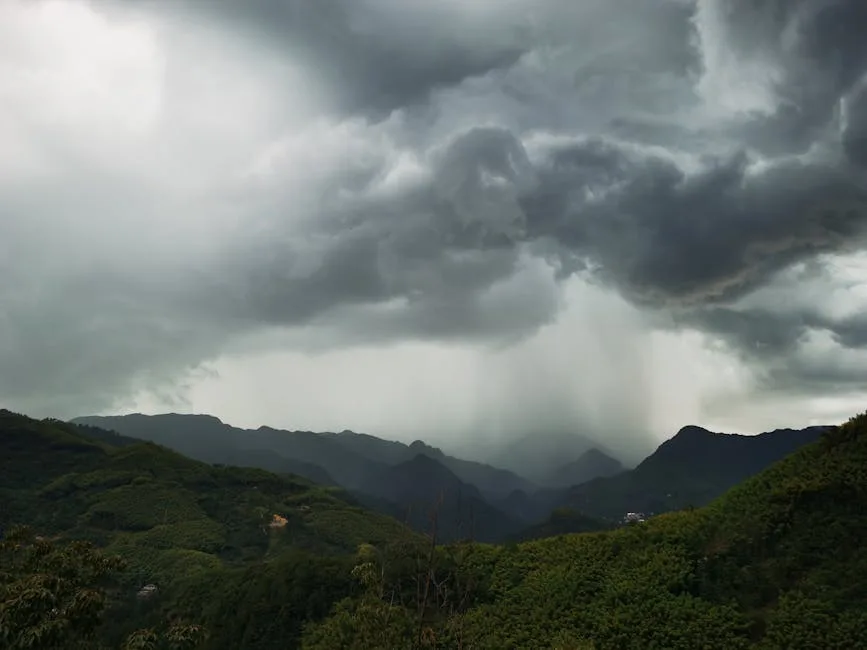
The Dolomites are high-altitude terrain where weather can change very quickly, even in summer. Here are detailed practical tips to run a safe treasure hunt with minimal impact.
Essential gear:
– Layered clothing (breathable technical layers, windproof shell, fleece); temperatures can drop 10–15°C between the valley and 2,500 m.
– Sturdy hiking boots, light crampons if snow or ice is possible.
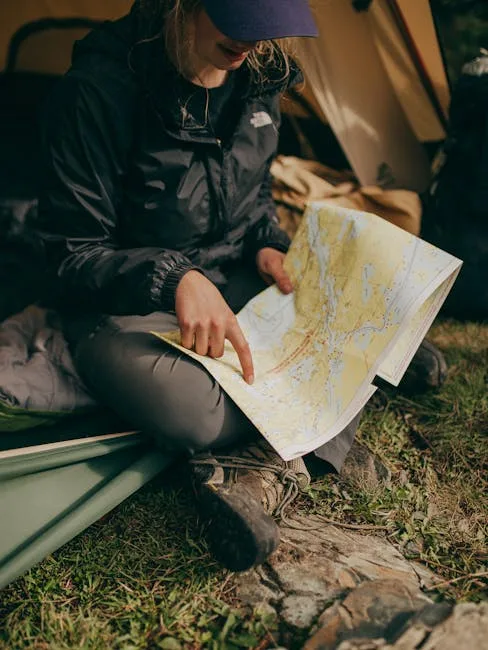
– Compass, topographic map (Tabacco maps popular for the Dolomites: e.g. Tabacco 03 Cortina d’Ampezzo, 05 Fanes-Senes-Braies), and/or GPS.
– First-aid kit, survival blanket, whistle and headlamp.
– Charged mobile phone and power bank (network coverage often limited on ridges).
Mountain safety:
– Always inform someone in the departure village of your route and estimated return time. For busy areas, leave your contact details at the tourist information office (e.g. Ufficio Turistico Cortina d’Ampezzo).
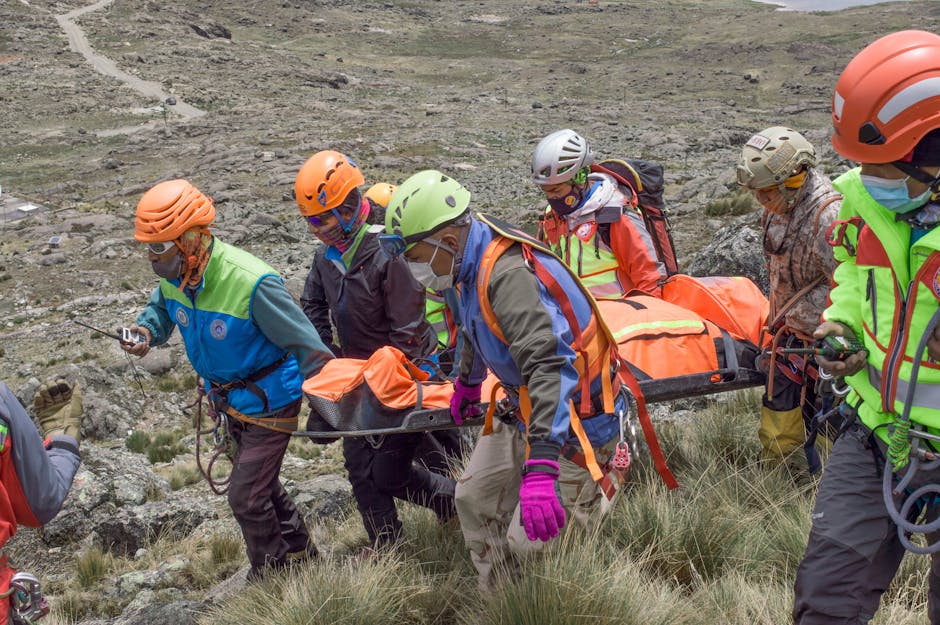
– In an emergency, call 112 (European emergency number) or 118 in Italy; mountain rescue (Corpo Nazionale Soccorso Alpino e Speleologico – CNSAS) is professional but response times depend on access.
– Respect access bans: some Great War galleries are unstable and closed for safety reasons.
– For children, plan a supervisor-to-child ratio appropriate to age: at least one adult per 4–6 children depending on age.
Environmental respect:
– Follow the “Leave No Trace” principle: take back everything you bring, don’t use glue or non-biodegradable materials to fix clues.
– Prefer removable caches (waterproof boxes, laminated envelopes) and retrieve them after use.
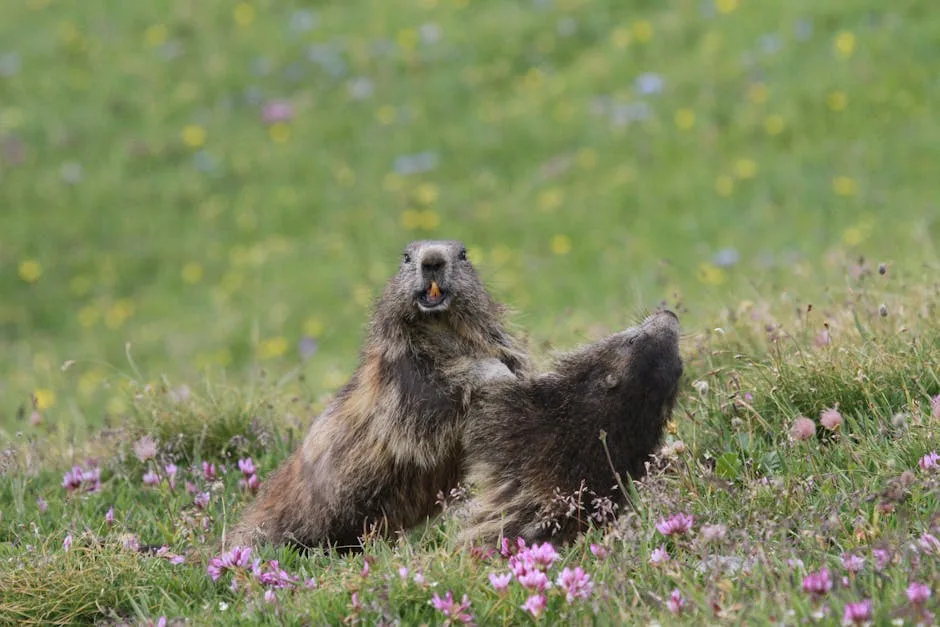
– Avoid disturbing wildlife: keep a respectful distance from chamois, marmots and raptors; do not feed animals.
– Respect pastures: livestock may be present in summer; pass slowly, close gates and ask the shepherd’s permission if necessary.
Local tips:
– Best time to organize: late June to early September to access huts and cable cars; October offers beautiful autumn colours but some services close.
– Transport: favour local shuttles to main parking areas (e.g. Lago di Braies shuttle in summer) to reduce congestion; regional trains and buses (Südtirol/Alto Adige Mobilität) connect several valleys.
– Food: treat yourself to Tyrolean specialties after the hunt — canederli (dumplings), speck, strudel — main dishes in huts cost about €12–18.
– Local guides: hiring a UIAGM/IFMGA guide (€200–350 / day) provides safety and natural history interpretation — recommended for technical zones and history-themed hunts.

Finally, document your treasure hunt with photos (respecting the privacy of locals and other hikers), and share lessons learned: this helps improve future editions and raises awareness about the Dolomites’ fragility. A well-organised hunt becomes an educational lever: participants leave not only with a physical token, but with a deeper understanding of these unique mountains — their geological formation, biodiversity and human history.
Conclusion: Create lasting, responsible memories in the Dolomites
The Dolomites are a perfect setting for nature treasure hunts: spectacular scenery, living history and rich biodiversity combine beautifully. By planning carefully — choosing routes that suit your group (Lago di Braies for families, Tre Cime di Lavaredo for seasoned hikers, Alpe di Siusi for family rides or cycling, Cinque Torri for a historical angle) — you can deliver an experience that’s fun, educational and environmentally respectful. The addresses and resupply points mentioned (Rifugio Auronzo, Parcheggio Lago di Braies, Funivia Alpe di Siusi, Rifugio Averau) provide concrete support: services, accommodation and local advice essential to a successful hunt.
More than a material reward, the true treasure of the Dolomites is the shared mountain moment: the silence of a sunrise over the Tre Cime, a perfect morning reflection on Lago di Braies, the warmth of a refuge after a day of effort. Emphasise pedagogy in your clues (geology, botany, local history) to turn the hunt into a learning adventure. Also make sure to follow eco-responsible rules strictly so these places remain intact for future generations.
Before you leave, always check current schedules and prices (cable cars, parking, huts) which can change, call huts to confirm openings, and, if needed, book a local guide for technical routes. Doing so will maximise safety and immersion. And remember: a successful treasure hunt in the Dolomites should leave traces in hearts, not on the mountain — travel light, respect nature, and bring home stories rather than objects. Happy hunting and wonderful discoveries in the land of dolomite peaks!