





Introduction: Dolomites Hut-to-Hut Hikes
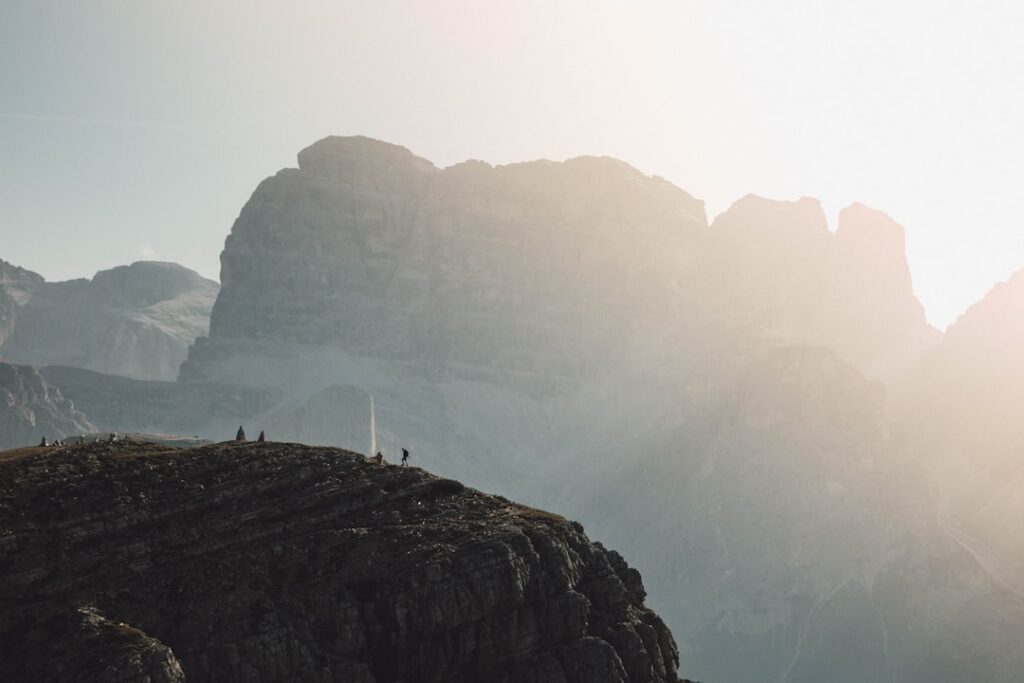
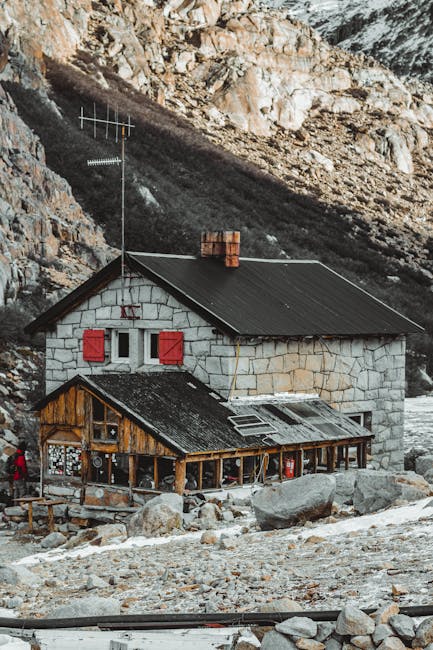
The Dolomites, a UNESCO World Heritage site, rank among Europe’s most dramatic hiking playgrounds. With their pink limestone faces, green valleys and alpine meadows dotted with wooden chalets, the region offers a dense network of marked trails linking countless mountain huts — the famous Italian rifugi. Often family-run or staffed by dedicated caretakers, these huts embody alpine hospitality: rustic dorms, generous regional cuisine, and unbeatable views to wake up to. Walking from hut to hut is one of the most authentic ways to experience the Dolomites, combining physical challenge, friendly encounters and full immersion in landscapes that change by the hour.
Spending nights in mountain huts lets you reach quieter areas and watch sunrises and sunsets from ridgelines where the light turns rock into blazing gold and pink. It’s also ideal for breaking up big elevation gains and enjoying alpine cuisine — plates like polenta concia, canederli (knödel) or warm apple strudel after a long day feel like real rewards. Dolomite huts offer varying comfort levels — from spartan dorms to family rooms — and provide valuable local info on safety, weather and alternative routes.
In this guide I’ll walk you through practical, on-the-ground advice for hut-to-hut hikes in the Dolomites: where to go, how to plan, full contact details, seasonal opening hours and typical prices. You’ll find suggested itineraries around famous groups like the Tre Cime di Lavaredo, the Sella, the Tofane and Lagazuoi, plus tips on booking, gear and local rules. Whether you’re planning a multi-day loop or a single romantic night on a ridge, this information will help you head out prepared and make the most of the alpine experience.
Before setting off, remember mountain weather can change fast: check with local tourist offices, contact huts for availability and opening times, and carry a topographical map or GPS. Many huts are open only from late May/June to late September/October depending on snow; a few remain reachable year-round thanks to lifts or winter routes, but services are reduced outside the season. Finally, respect the environment: pack out your trash, stay on marked trails and be mindful of pastures and wildlife. Ready for the adventure? Let’s explore some must-visit huts and routes.
Rifugio Lagazuoi and the Lagazuoi Via Ferrata — Passo Falzarego
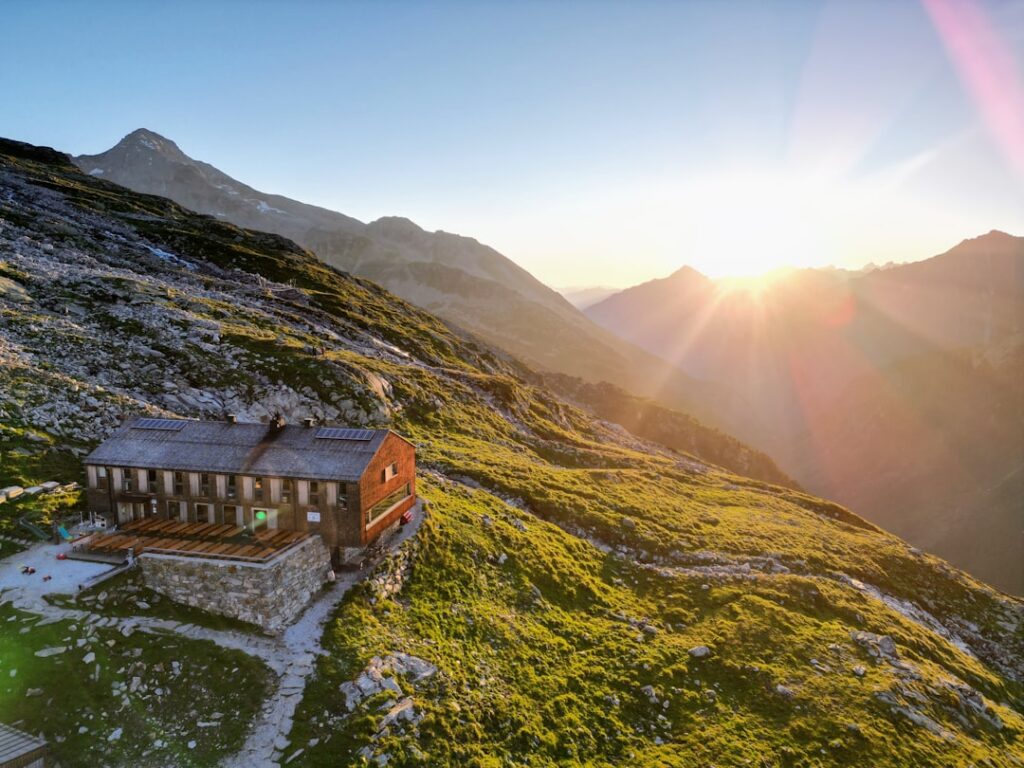
Rifugio Lagazuoi sits at 2,752 meters on the Lagazuoi ridge, offering one of the most spectacular outlooks across the Dolomites, including the Tofane and the Cinque Torri. It’s an excellent start or finish point for a hut-to-hut hike. The most common access is from Passo Falzarego, either via the underground funicular from the Col Gallina lower station (when in service) or by a steep trail from the Passo Falzarego car park.
Address: Rifugio Lagazuoi, Passo Falzarego, 32043 Cortina d’Ampezzo (BL), Italy. Phone: +39 0436 86206. Opening season is typically seasonal: late April / early May to October depending on snow; dining service usually from 08:00 to 20:00 in high season; overnight stays on half-board are generally available from 18:00 to 09:00. Indicative prices: bunk bed in a dorm around €35–45 per person/night, double room with half-board €80–120 per person/night; main dish €12–20.
The main draw is the Lagazuoi Via Ferrata — an equipped climb that follows WWI trenches and leads to dizzying viewpoints. Hikers without via ferrata gear can use an easier footpath on the south side. The hut also provides historical information (bunkers and tunnels), topo maps and route recommendations toward Rifugio Nuvolau or Rifugio Averau. Important: the via ferrata requires a helmet, harness and lanyards, plus experience on exposed terrain.
Local tips: book overnight stays well in advance for high season (July–August). Bring a headlamp if you expect to arrive late; nights at altitude can be chilly even in summer — choose a sleeping bag rated around 0°C to +5°C. Check the morning weather at the hut: fog and strong wind can make the cornices dangerous. Finally, respect the historical remains — do not touch found weaponry and stay on marked trails around trench areas.
Rifugio Auronzo and the Tre Cime di Lavaredo — Misurina
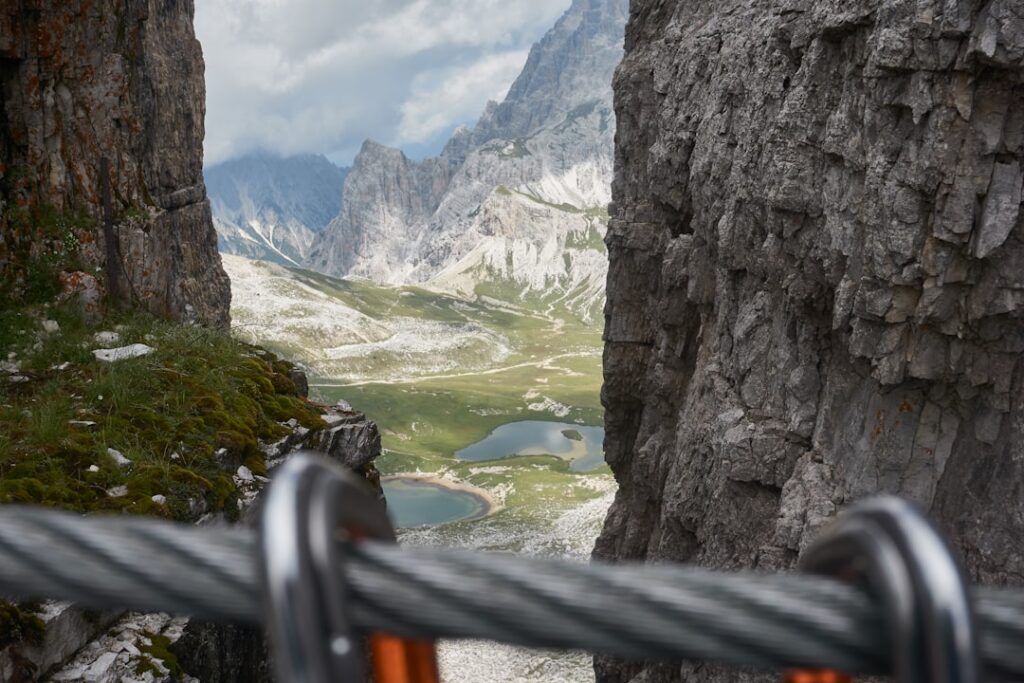
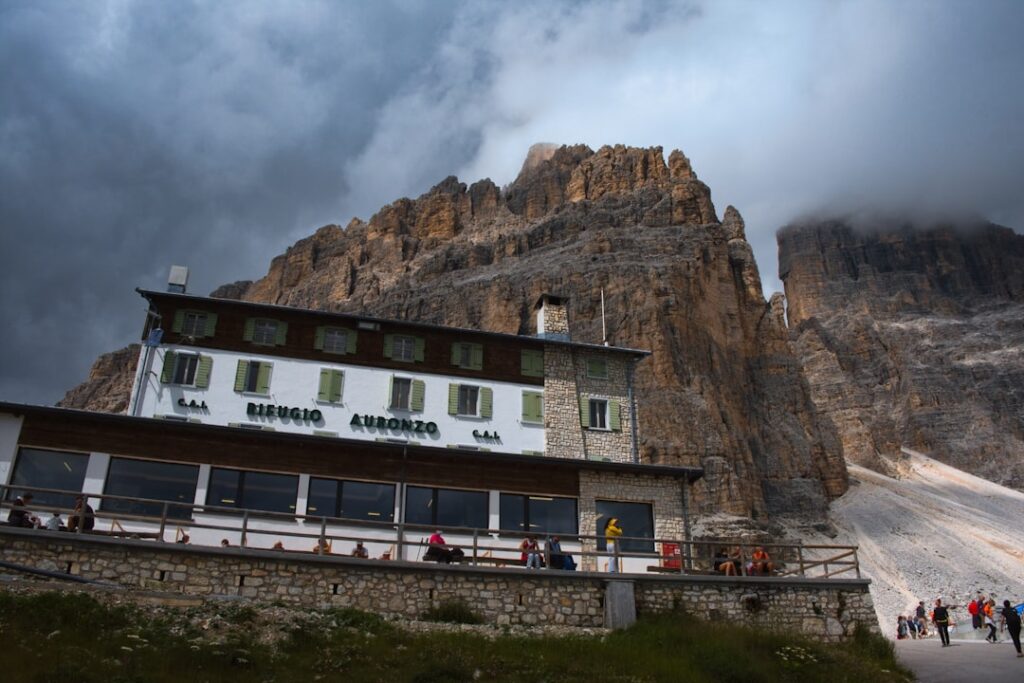
Rifugio Auronzo is the most famous hut for viewing the iconic three peaks of the Tre Cime di Lavaredo. Located just behind the cliffs, it’s the usual starting point for the classic loop around the Tre Cime, accessible from the Auronzo car park. The circular hike is stunning, offering different perspectives on each summit and plenty of photogenic overlooks.
Address: Rifugio Auronzo, Loc. Auronzo 42, 32041 Misurina, Auronzo di Cadore (BL), Italy. Phone: +39 0435 979122. Hours: generally open from mid-May to late October; dining from 07:30 to 20:00 in high season; overnight half-board subject to availability. Prices: road access to the Rifugio Auronzo car park (Strada delle Tre Cime) by car €30–35 per vehicle (2024 indicative); bunk bed €40–55, half-board €85–130 per person. Main dishes on site cost around €12–22.
The classic route (10–12 km loop, 3–4 hours) starts and ends at Rifugio Auronzo, circling the Tre Cime on well-maintained paths, with options to extend toward Lago Antorno or Forcella di Lavaredo. The hut’s terrace gives you front-row views — picture sipping coffee as Cima Grande lights up at sunrise. The area is very busy in July–August; for a quieter experience, head out at dawn or late afternoon.
Practical tips: the access road (Strada delle Tre Cime) is toll-based and sometimes regulated in summer; check opening times at the toll station (typically 08:00–20:00). Bring warm layers and a windbreaker even in summer; weather can flip quickly. If staying overnight, bring earplugs and an eye mask for dorms. Follow signage and don’t climb on unauthorized walls — this is a Natura 2000 protected zone.
Rifugio Nuvolau, Averau and the Cinque Torri Circuit
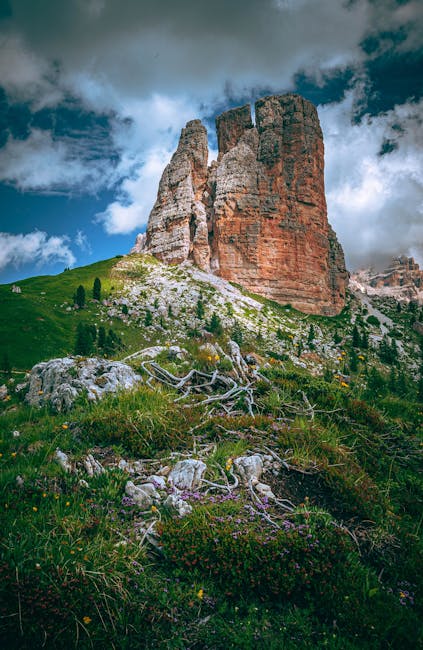
The Cinque Torri plateau and the Nuvolau–Averau area offer varied hikes with easily reachable huts and sweeping views over the Cortina d’Ampezzo range and surrounding valleys. Rifugio Nuvolau (2,574 m) is one of the oldest huts in the Dolomites, famous for its dramatic perch on a rocky ridge. Rifugio Averau, a little lower at the base of a large cliff, is great for a stopover or a hearty lunch after a climb.
Practical addresses: Rifugio Nuvolau, Strada per Passo Giau, 32020 Colle Santa Lucia (BL), Italy. Contact by phone: +39 0436 940232 (reservations sometimes handled via Rifugio Averau). Hours: generally open June to September, dining 09:00–19:00; overnight stays depend on season. Indicative prices: overnight €30–50 in a dorm, half-board €70–110 per person. Rifugio Averau, Località Nuvolau, 32043 Cortina d’Ampezzo (BL). Phone: +39 0436 86258. Open May–October, restaurant 08:00–20:00; overnight on request. Prices similar to Nuvolau.
Trails linking Cinque Torri, Rifugio Scoiattoli, Rifugio Nuvolau and Rifugio Averau include easy scrambling sections, WWI historical sites (trenches and tunnels at Cinque Torri) and views of Marmolada and the Pale di San Martino. Nuvolau’s couloirs and ridges are exposed but manageable for hikers used to airy terrain. Huts serve local specialties like speck, mountain cheese, vegetable soups and regional wines from Piedmont or Trentino.
Tips: the cable car from Cortina or the lift from Passo Falzarego reduces the climb considerably. For a loop itinerary, allow a half to a full day depending on the number of stops and your group’s pace. Bring trekking poles for steep descents. In high season, reserve dinner ahead of time, especially at popular huts like Averau where groups arrive in waves.
Rifugio Fanes and the Fanes-Senes-Braies Nature Park
Rifugio Fanes and the huts in the Fanes-Senes-Braies Nature Park capture Ladin culture and the pastoral side of the Dolomites. The area is scattered with alpine meadows, old summer pastures and high-altitude lakes. Huts here often feature traditional Ladin cuisine, comfortable rooms and act as entry points to long, peaceful hikes away from the busiest cols.
Address: Rifugio Fanes, Località Fanes, 39030 Marebbe (BZ), Italy. Phone: +39 0474 501069. Hours: generally open from June to mid-October; dining 08:00–19:00; overnight half-board depending on availability. Prices: dorm bed €35–50, half-board €75–120 per person. Neighboring huts (Rifugio Pederü, nearby Rifugio Lagazuoi, Rifugio Biella) have similar prices and sometimes slightly different opening times.
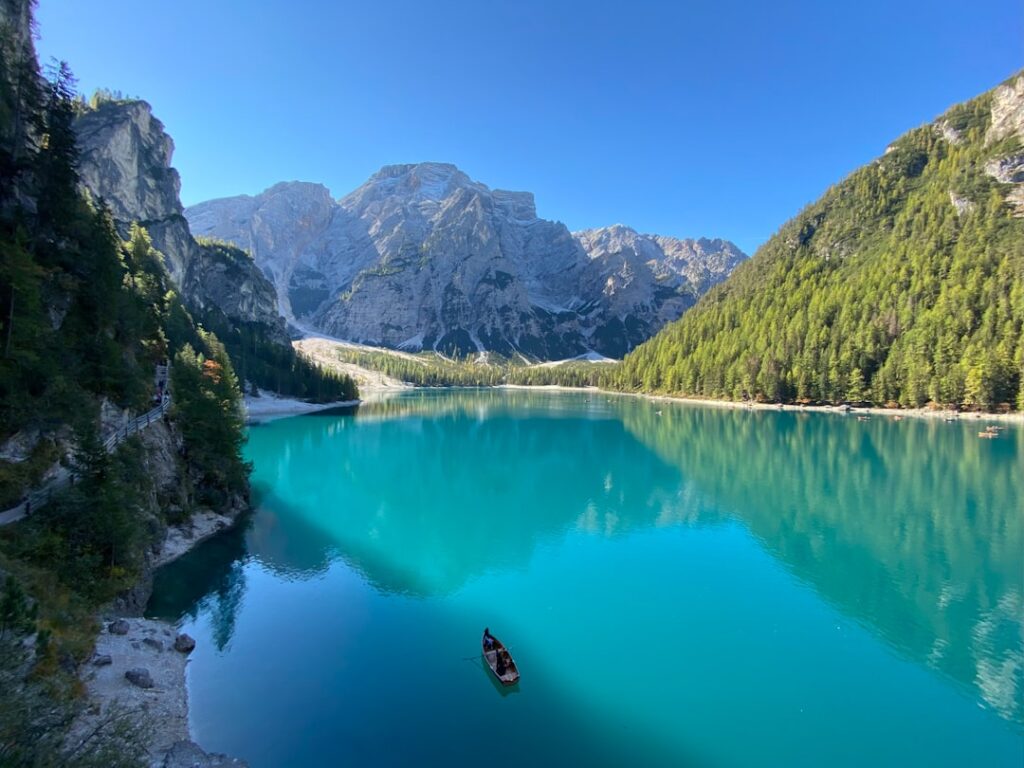
Recommended routes include the Fanes–Sennes–Lagazuoi traverse (or the reverse), the loop around Lago di Braies (Pragser Wildsee) extended toward Fanes for a two- to three-day trek, and variants toward Monte Sella and the range’s ridgelines. Rifugio Fanes is an excellent base for mixed, contemplative and high-altitude itineraries. Landscapes alternate between forests and high meadows, with rich wildlife (chamois, marmots) and abundant alpine flora.
Practical tips: huts in this area may not accept cards everywhere — carry cash in euros. Access roads and car parks (Pederü, Falzarego) have opening hours; check with the tourist office in San Vigilio di Marebbe (Via Principale 21, 39030 San Vigilio di Marebbe, phone +39 0474 501400) for current info. Bring insect repellent for meadow evenings, and store food securely if you camp nearby — huts encourage respectful coexistence with wildlife.
Logistics, Safety and Leave-No-Trace Tips for Hikers
Planning a hut-to-hut hike in the Dolomites involves several practical aspects: transport, reservations, gear and safety. Transport: arrive by train to Belluno, Calalzo di Cadore or Dobbiaco (Toblach) depending on your chosen sector, then use local buses or shuttle services to passes and car parks (e.g. SAD/Trentino Trasporti lines). In high season, roads like the Strada delle Tre Cime or Passo Falzarego can be congested; aim to arrive early and check seasonal driving restrictions.
Reservations: most popular huts recommend (or require) bookings for nights and dinners in July–August. Call or use the hut’s official website — many publish contact details and availability on Dolomites portals and the huts’ Facebook pages. Bring a printed copy of confirmations in case you lose mobile coverage in the mountains.
Recommended gear: sturdy hiking boots (Vibram soles preferred), layered functional clothing (breathable base layer, fleece mid-layer, waterproof/windproof shell), a lightweight sleeping bag for dorms, first-aid kit, Kompass or Tabacco topo maps and GPS/GPX tracks. For equipped routes (via ferrata), a helmet, harness and specific lanyards are mandatory. Don’t forget a headlamp, a refillable water bottle and energy bars.
Safety: stick to time schedules (don’t start too late to avoid shaded crossings), tell someone your route and estimated return time, and check the local weather bulletins (e.g. MeteoTrentino, MeteoDolomiti). In an emergency call 112; some huts maintain VHF radios to contact mountain rescue (Soccorso Alpino e Speleologico). Be prepared for rapid temperature drops and avoid technical routes if storms are forecast.
Environmental respect: the Dolomites are a fragile environment — stay on marked trails, don’t pick protected flowers, never feed wildlife and carry out all your trash. Favor huts that practice sustainability (waste sorting, solar energy). Use biodegradable hygiene products and be mindful with water, which is often scarce at altitude. Finally, respect local culture: learn a few words of Italian or Ladin to greet hut keepers and thank staff — a « Grazie » and a smile go a long way.
Useful Resources and Contacts
- Cortina d’Ampezzo Tourist Office — Corso Italia 76, 32043 Cortina d’Ampezzo (BL). Phone: +39 0436 868686. Hours: typically 09:00–19:00 in high season.
- Sellaronda Information — online info for routes around the Sella and Val Gardena.
- Soccorso Alpino (Mountain Rescue) — mountain emergencies: 112 (European emergency number).
Conclusion
The Dolomites deliver a hut-based hiking experience that blends physical effort, history, cuisine and jaw-dropping scenery. Choosing to sleep in a rifugio plugs you into Italian alpine tradition: warm hospitality, comforting food and the chance to witness mountains under the shifting light of morning and evening. Whether you chase the daring viewpoints at Rifugio Lagazuoi, the sculpted grandeur of the Tre Cime from Rifugio Auronzo, the airy ridges of Rifugio Nuvolau and Averau, or the pastoral calm of Rifugio Fanes, every stop promises unique memories and a glimpse of a preserved mountain culture.
To get the most from these hikes, plan your gear carefully, book ahead and check seasonal opening times and prices. Respect the mountain and its people: stick to trails, minimize your impact and help preserve the landscapes. Above all, embrace the rhythm of hut life: convivial evenings, sunrises from the ridges and starry nights far from light pollution — simple, intense moments that make the Dolomites magical. Happy hiking and enjoy your discoveries in these spectacular mountains!