





Introduction: Cultural travel along the Dolomites’ great roads
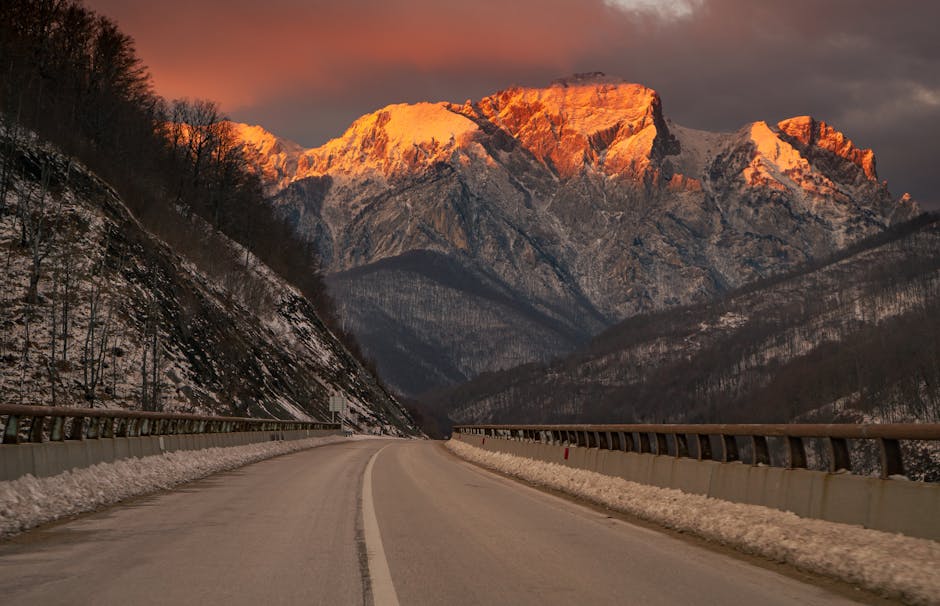
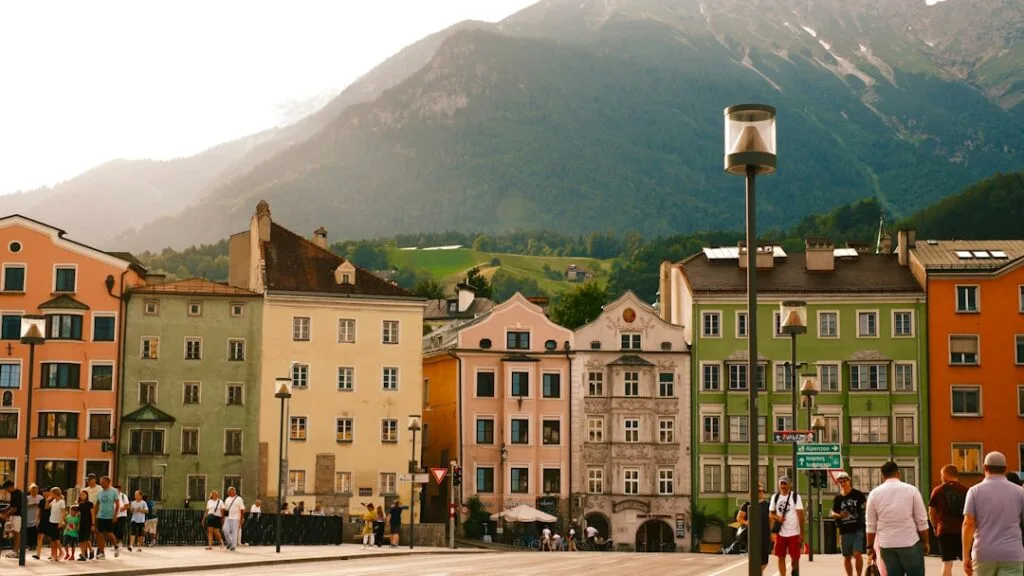
The Dolomites are not just a paradise for hikers and landscape photographers — they also form a rich cultural corridor where history, language, architecture and traditions reveal themselves along scenic drives. Cruising the SS48 (the « Great Dolomite Road« ), the SS244, or crossing iconic passes like Passo Pordoi and Passo Sella isn’t merely about ticking off viewpoints — it’s an invitation to stop, step into small museums, chapels and village squares where alpine life has shaped unique identities. Around every bend you’ll find a village, a church, a museum or a monument telling a different story: that of the Ladin people, South Tyroleans, mountain traditions and the conflicts that scarred these steep slopes.
In this article I lay out a route focused on cultural visits along the Dolomites’ main roads. The approach is itinerant: each stop is designed to fit naturally into a driving route — from Cortina d’Ampezzo to South Tyrol, via the Marmolada and the Ladin valleys. You’ll find immersive descriptions, full practical details, opening hours, admission costs and local tips to make the most of each visit (best light for photos, parking, guided tours, alternatives in bad weather).
Expect to discover specialized museums — mountain museums, Great War exhibitions, Ladin interpretation centers — as well as Baroque houses of worship, castles, farmhouse museums and historic quarters where trade and local crafts remain alive. The itineraries favor sensory experiences: feeling the dampness of a cave, hearing a mountain bell, touching a carved wooden altar, tasting a local specialty after a visit.
Finally, this guide aims to be practical and candid: I point out constraints (seasonal hours, languages available, winter access on snowy roads) and share tips to enrich your discovery (book a guided tour in the language you prefer, combine a cultural visit with a short hike, use designated parking to avoid fines). The Dolomites are a place where culture reveals itself slowly — at the pace of a winding road, a village, a museum and an encounter.
<img width="1024" height="626" src="https://ue.is/wp-content/uploads/sites/18/2026/06/pragser-wildsee-morning-reflections-lake-braies-sunrise-1024×626.webp" class="aligncenter" alt="Morning reflections on Lake Braies (Pragser Wildsee) at sunrise » loading= »lazy » />
Museo della Grande Guerra – Marmolada (Malga Ciapela): mountain memory
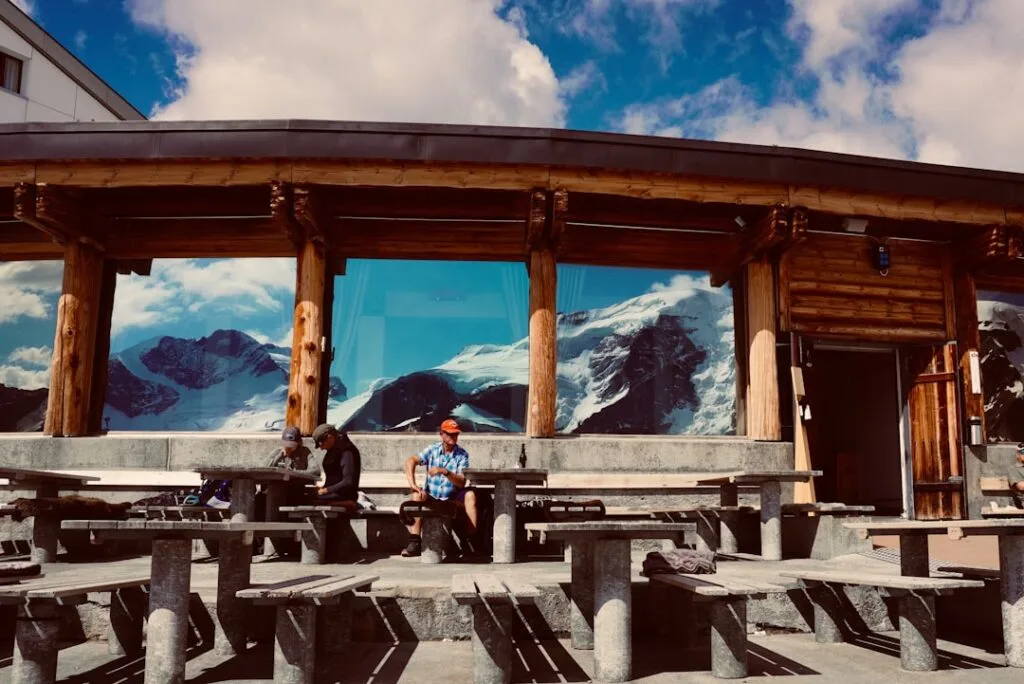
The Museo della Grande Guerra located in Malga Ciapela, at the foot of the Marmolada, is a must-visit to understand how World War I was experienced in the Alps. Situated near the Marmolada cable car, the museum displays collections of objects, weapons, photographs and reconstructions that tell the story of soldiers living on the ridgelines, and the military infrastructure — tunnels, cables, observation posts — carved into the rock.
Address: Museo della Grande Guerra Marmolada, Località Malga Ciapela, 32020 Rocca Pietore (BL), Italy.
Opening hours (seasonal, check for updates before you go): generally open from April to November, Tuesday to Sunday, 09:00–17:00; closed on Mondays outside peak season. Indicative prices: adult ticket around €8.00; reduced (students, seniors) about €5.00; free for children under 6. Group rates and guided tours by reservation are often available (contact the museum by phone or via the official website to book a tour in French or English).
Immersive description: as you enter, the proximity of the peaks is immediately felt. Display cases hold helmets, gas masks, hand-drawn maps and mountain instruments. A major section is devoted to alpine soldiers: black-and-white photos show men digging galleries into the glacier, accompanied by panels explaining high-altitude warfare techniques. The exhibition design mixes original artifacts, reproductions and archival footage that place each item in context. The museum is particularly moving when, through the windows, you lift your eyes to the Marmolada and grasp the vertical nature of the fighting.
Local practical tips: bring a warm layer even in summer — rooms near the displays can be cool and damp. Arrive in the morning to avoid cable-car crowds. If you plan to pair the visit with a glacier excursion, check weather and access conditions: the access road (SR641) can close in poor weather. Parking: paid parking near the Malga Ciapela cable car (seasonal, €3–8 per day). Browse the museum shop for specialist books on mountain warfare.
Lake Braies (Pragser Wildsee) and the Church of Santa Maria Assunta: nature and sacred heritage
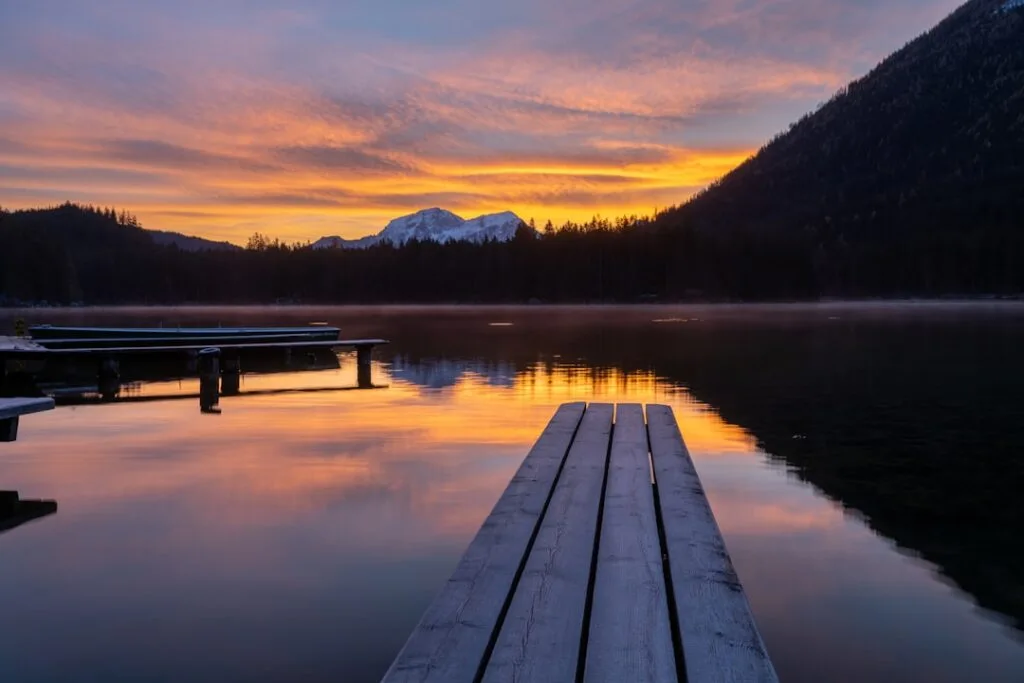
Lake Braies, or Pragser Wildsee, is one of the most photographed lakes in the Dolomites. Following the main road through the Puster Valley, this emerald pool is a must-stop for its scenery, wooden jetty and nearby chapel. But beyond the postcard view, the site also offers a cultural reading of the mountain, showing how faith, leisure practices and landscape protection have evolved over the decades.
Address: Lago di Braies (Pragser Wildsee), 39030 Braies (BZ), Strada al Lago, 2, Italy.
Hours and fees: access to the lake is free, but parking is charged in high season (approx. €6–8 per car for a day; shuttle service from outer lots may be available depending on the period). Boat rentals: roughly €15–30 for 30–60 minutes (rates vary by season). The nearest church, the chapel of Santa Maria Assunta, is in the village of Braies a few minutes’ drive away; it’s generally open to worshippers and visitors, with times depending on local services.
Immersive description: visitors often arrive at dawn or late afternoon, when the lake’s surface becomes a perfect mirror. The wooden jetty draws photographers, but don’t miss the lakeside trail (about a 3.5 km easy loop) for different perspectives — copses, rock outcrops, and marmots on the lookout. The little white church with its modest bell tower provides a contemplative pause: inside, ex-votos and a few local icons attest to a humble but living alpine faith.
Local practical tips: arrive early (before 09:00) in high season to avoid crowds and get a close parking spot. The golden hours at sunrise and sunset give the best light for photos. If you plan to do the full loop, wear comfortable shoes and bring water — there are few refreshment options right at the lakeshore. Respect conservation signs: drones are forbidden without permission and some areas are protected for wildlife.
Museo Ladin Micurà de Rü (Rü) and Ladin interpretation centers
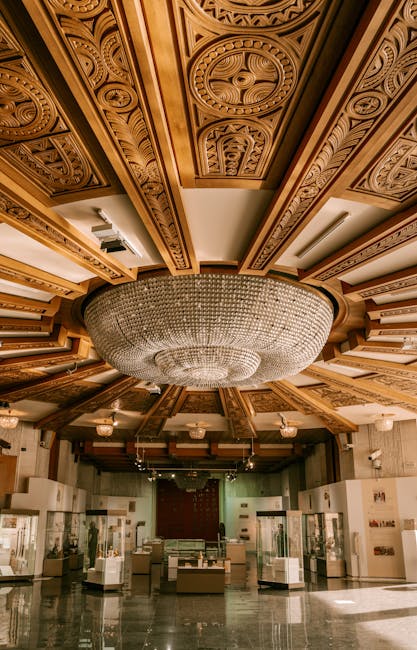
Ladin culture is one of the most fascinating elements of the Dolomites. Spoken in several valleys, it preserves a language, music, traditional dress and craft skills all its own. The Museo Ladin « Micurà de Rü » is dedicated to safeguarding and sharing this intangible heritage: it displays linguistic collections, traditional objects, archival documents and multimedia exhibitions that depict rural life, religious festivals and techniques for livestock and woodwork.
Address: Museo Ladin Micurà de Rü, Str. Colz 45, 39030 San Martino in Badia (St. Martin in Thurn), Italy. (Check the official site for the latest address and contacts before you go.)
Opening hours and prices: generally open April to November, Tuesday to Sunday 10:00–17:00; closed on Mondays outside peak season. Indicative prices: adult entry €6.00–9.00; reduced €4.00–6.00; free or nominal fees for very young children. Language workshops and family activities are common in summer. The museum also offers brochures in German, Italian and sometimes in English or French.
Immersive description: the visit often begins in a room dedicated to the Ladin language, with audio recordings letting you hear local variants. Traditional costumes, farming tools and household utensils evoke high-mountain daily life: cheeses stored in cool cellars, carved wooden grooves used for house decoration, and objects tied to seasonal rites (alpine festivals, processions). Temporary exhibits tackle contemporary subjects: intergenerational transmission, sustainable tourism and language revitalization.
Local practical tips: combine the museum with a stroll through San Martino in Badia: the main square, the parish church and small craft shops are a few minutes on foot. Ask at reception about local events (concerts, artisan markets): attending a Ladin festival is a powerful cultural experience. Finally, plan to drive a car suited to mountain roads: local routes can be narrow and winding, especially in winter.
Practical tips for organizing your visits along the great roads
Plotting a cultural route through the Dolomites requires a balance between scenic driving and time spent on-site. Here are concrete recommendations to maximize discoveries without wearing yourself out:
- Timing and seasons: most museums and interpretation centers follow seasonal hours (high season: June–September). In the low season, some sites close — call ahead or check official websites before you go.
- Languages: in the Aosta Valley, Trentino-South Tyrol and the Ladin valleys, Italian, German and Ladin coexist. Bring a small bilingual guide and, if possible, book guided tours in your preferred language.
- Transport and parking: park in official lots (many are paid in high season). Avoid parking on emergency lanes on passes — local controls are common.
- Tickets and guided tours: for popular museums (Marmolada, some municipal collections), book online to skip queues. Look into combined tickets (museum + cable car) which can save money.
- Clothing and gear: even in summer, bring a windproof jacket, sturdy walking shoes and a refillable water bottle. High-altitude sites are often cooler and damper.
- Respect the heritage: photograph responsibly — some exhibits prohibit photography (obey signage); don’t pick plants or cross protective barriers.
- Local food: pair your visits with tasty breaks: cheeses like Puzzone di Moena, Tyrolean speck, canederli and strudel. Mountain huts (rifugio) often serve home-cooked dishes and unbeatable views.
Finally, leave time for the unexpected: a detour, a temporary exhibition or a chat with an artisan can turn a well-planned day into an unforgettable experience. The Dolomites’ great roads tell a continuous story — take the time to listen.
Conclusion: one road, a thousand stories
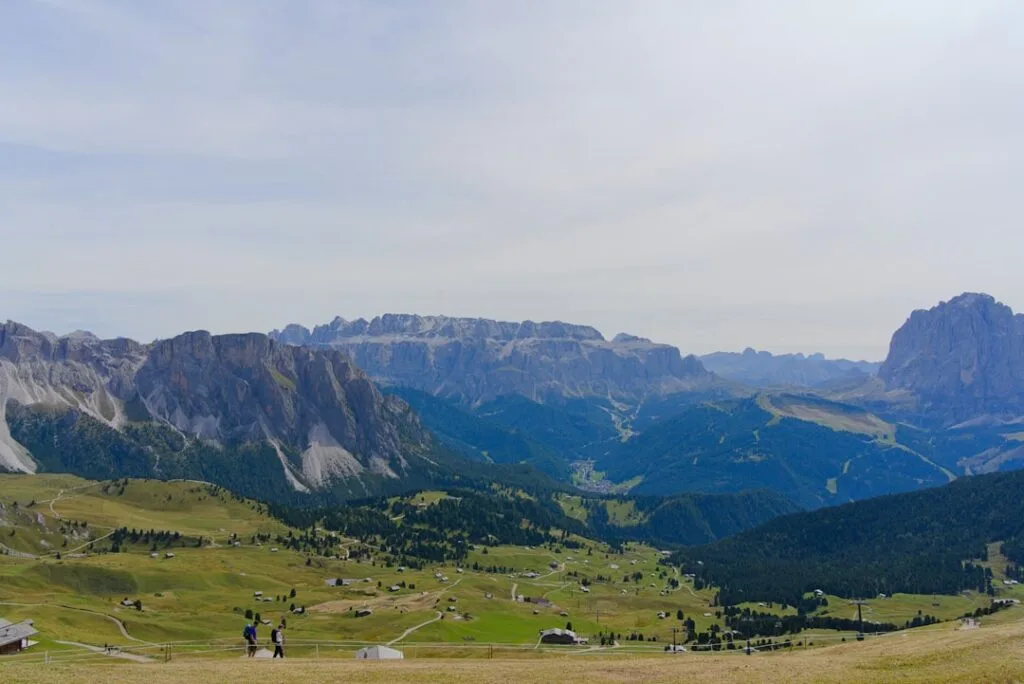
The Dolomites are a land of contrasts: jagged peaks, inhabited valleys, and a diversity of languages and traditions. Driving the major roads, you cross a cultural patchwork where every stop — museum, church, lake or village — adds a piece to the puzzle. The places highlighted here offer complementary entry points: military memory at the Marmolada, the natural and spiritual beauty of Lake Braies, the linguistic and material vitality of the Ladin world. But the richness of the Dolomites goes far beyond these stops: dozens more local museums, hidden chapels, castles and craft workshops line both main and secondary roads.
To get the most from your trip, mix planning with curiosity. Check opening times and prices before you go, book when you can, but also leave gaps for improvisation — a local market, a religious festival or a pop-up exhibition can be a revelation. Respect the sites and their environment: these places are often fragile, both ecologically and culturally. Above all, adopt the mountain’s tempo: a deep visit takes time, pauses and attention to detail. Let the Dolomites tell you their stories by listening, walking, sharing a meal with locals and coming home with a memory card full of photos — and, more importantly, a head and heart full of images and encounters.
Have a great cultural journey along the Dolomites’ great roads — may each stop broaden your perspective on these mountains that shaped unique lives and memories.