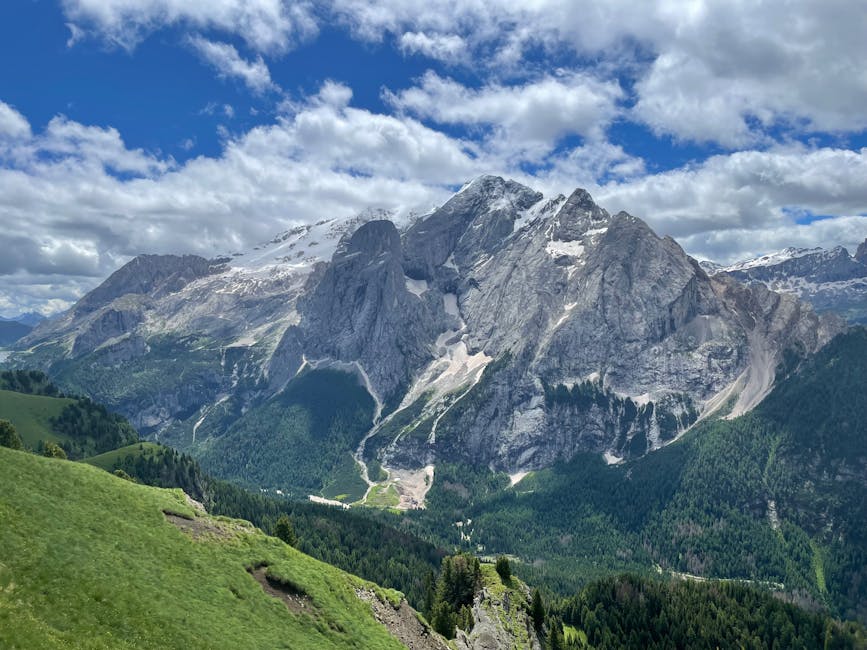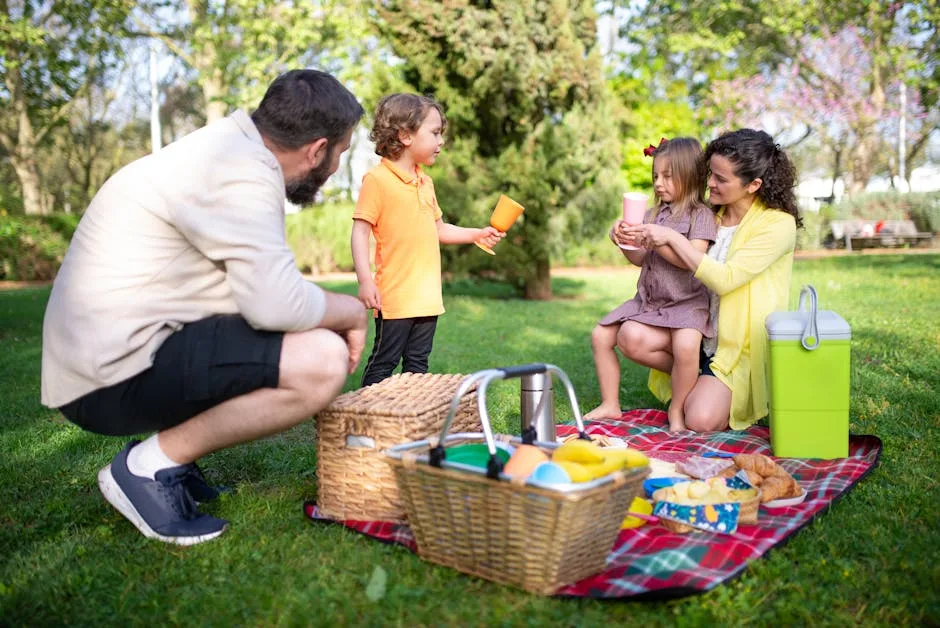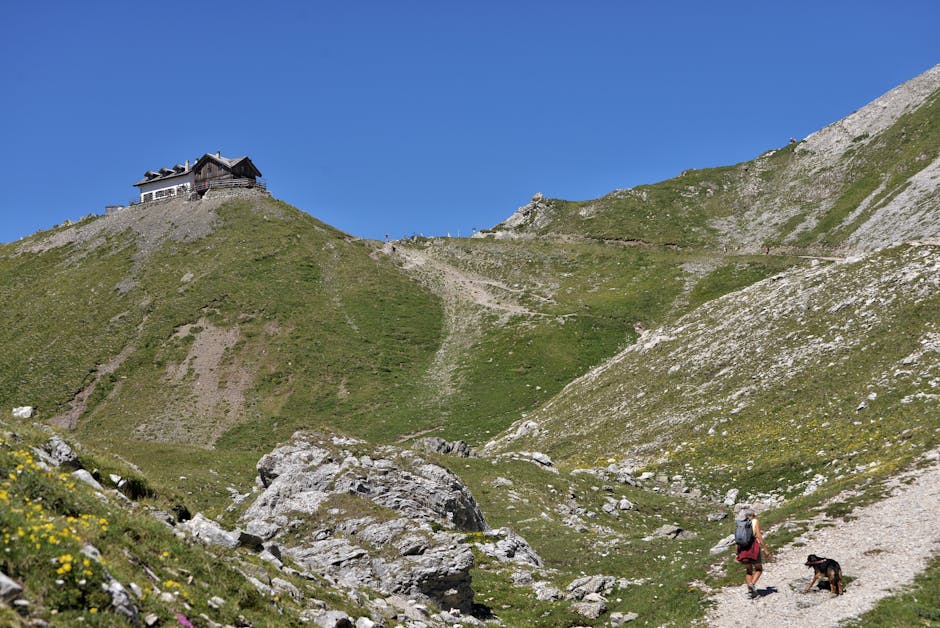






Introduction — Playful mountain huts of the Dolomites: gentle trails, games and accessible panoramas
The Dolomites, a UNESCO World Heritage site, are often linked to sheer cliffs and technical routes. Yet this unique range has another side: playful mountain huts accessible to hikers of all levels, families and lovers of leisurely walks. In this article I offer a gentle, immersive approach to Dolomite refuges: easy routes, friendly stopovers, local addresses and practical details, plus tips to make the most of each visit. The aim isn’t maximum effort but savoring the scenery, meeting people at the hut and enjoying cultural discoveries.
The refuges described here were selected for accessibility (well-marked trails, reasonable elevation gains, family-friendly access), quality of hospitality and striking natural settings. For each spot you’ll find the locally used address (nearest village or recognised road access), seasonal opening hours, estimated prices (meals, overnight), and detailed trail info: duration, elevation gain, must-see viewpoints and safety notes. I also give practical tips on transport (local bus times, parking), minimal gear and the best times of day to enjoy the huts without the crowds.
Playful refuges are not just places to rest; they’re also spots for discovery and hands-on activities: alpine cooking workshops, nature mini-workshops for kids, map loans for orienteering games, short educational trails about local flora and fauna, and sometimes impromptu musical evenings. For amateur photographers these huts provide varied settings — flower-strewn meadows at dawn, rocky silhouettes at sunset, shifting clouds along the ridges — all great motifs for lasting memories.
Finally, I give concrete recommendations: how to reserve your spot at a hut (phone, email, online platform), what budget to plan for a weekend, and how to behave respectfully at the refuge (waste sorting, nighttime quiet, wood stoves). The goal is for every reader to leave with a clear plan for a gentle mini-adventure in the Dolomites, whether traveling with family, as a couple or solo, and to discover these playful refuges as windows onto a living mountain.
Rifugio Lagazuoi — Easy route from Passo Falzarego
Rifugio Lagazuoi is one of the most emblematic and accessible huts in the Dolomites, offering some of the most spectacular panoramic views over the Cortina d’Ampezzo ranges and the Tofana. GPS/address and starting point: Passo Falzarego, Strada Statale 48, 32043 Cortina d’Ampezzo (BL), Italy. Approximate GPS: 46.5138° N, 12.0312° E.
Recommended route: start from the Passo Falzarego car park (paid parking, about €5–8 per day depending on season). Trail no. 401 (well marked) to Rifugio Lagazuoi in 45–60 minutes for an average walker, elevation gain ~200 m, distance ~2.5 km. The path alternates grassy sections and limestone rocks but requires no technical gear. For families with children the trail is passable, with attention on short exposed sections equipped with cables (easy and secure).
Opening times: generally open from late May to early October, and on some winter weekends depending on snow. Typical high-season hours: 08:30–19:00 for the hut (kitchen until 20:00). Overnight: dorms and private rooms, indicative prices: dorm €25–35 per person, double room €60–90 depending on season. Meals: dish of the day €12–18, colazione (breakfast) €5–8.
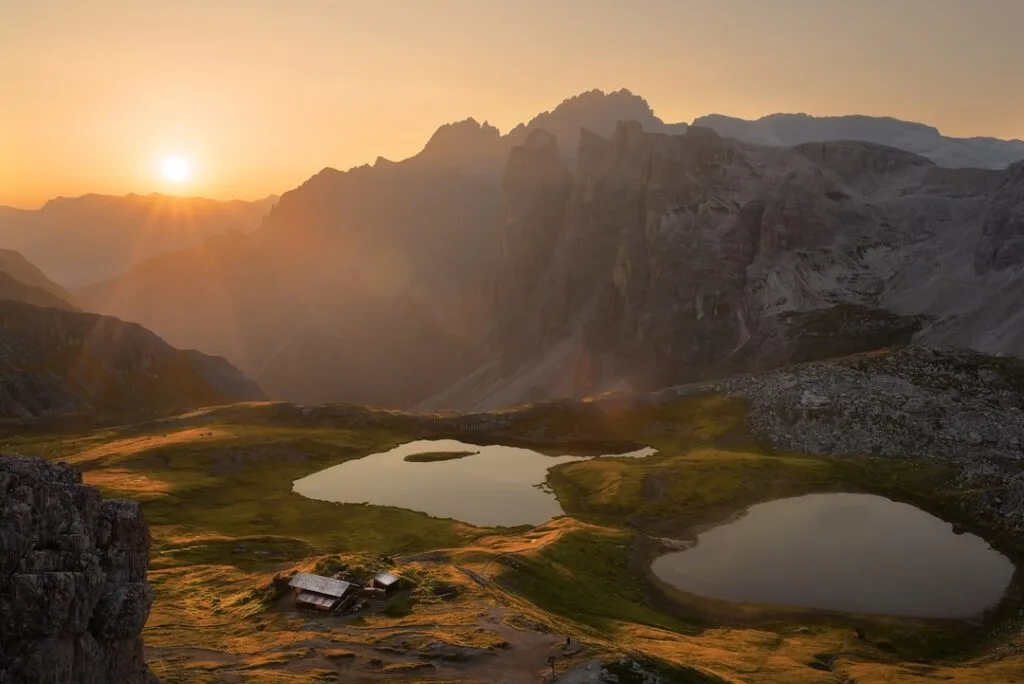
Immersive description: arrive at the hut at sunrise and you’ll see the full skyline of ridges, with Monte Pelmo and the Marmolada in the distance. Built from local stone, the hut offers a large panoramic terrace where you can have coffee while admiring the pink cliffs in the morning. The site is perfect for a relaxing stroll, reading at a wooden table, and games for children. In the evening, sunset light turns the rock golden, often accompanied by marmots coming into the nearby meadows.
Local practical tips: book your overnight in spring and high season is highly recommended by phone (+39 0436 861301) or email ([email protected]). Bring closed hiking shoes, a windbreaker and water; filtered water is available free at the hut but supplies can be limited late in the day. If you want to avoid the climb, take the Lagazuoi cable car (check seasonal times: generally 09:00–16:00) which brings you close to the hut for a ticket (about €20–25 round trip adult).
 Click here to book a guided hike to Lagazuoi
Rifugio Nuvolau and the Nuvolau summit — easy loop from Passo Giau
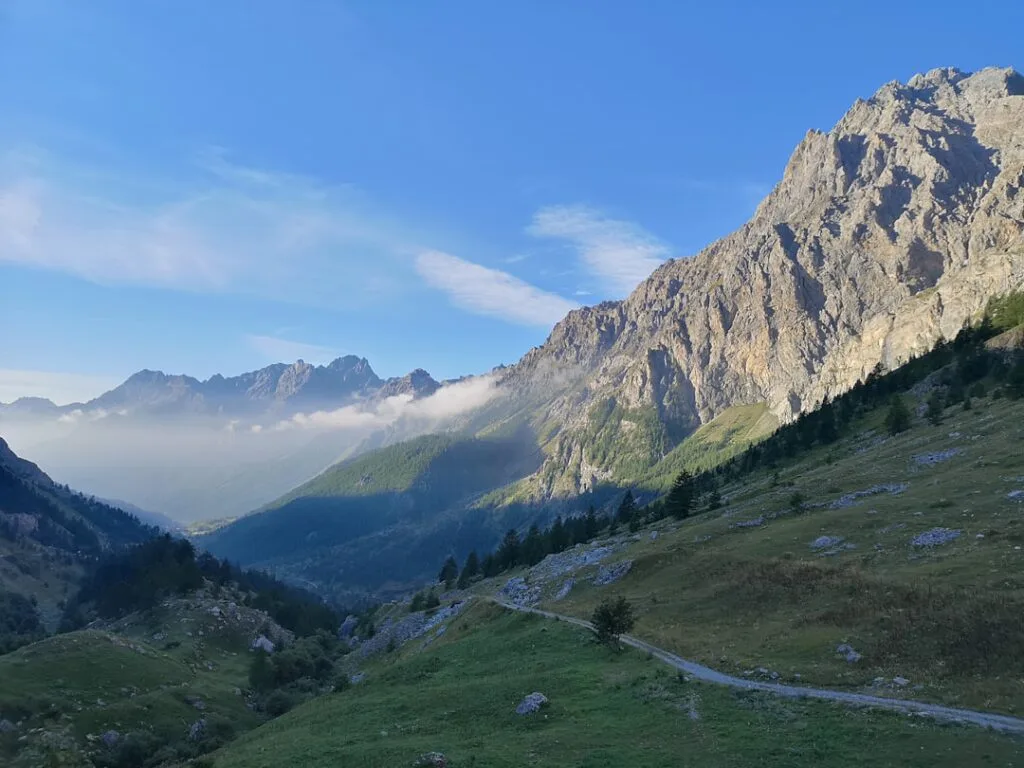
Rifugio Nuvolau, perched on the Nuvolau ridge, is a gem for anyone seeking a short but highly photogenic hike. Recommended start: Passo Giau, SP638, 32020 Colle Santa Lucia (BL), Italy. Approximate GPS of the pass: 46.4622° N, 12.0091° E. From the Passo Giau car park the trail to Rifugio Nuvolau is well signed (about 30–45 minutes one way for 150–200 m of elevation gain).
Route: Passo Giau parking → trail no. 437 → Forcella Ambrizzola → Nuvolau ridge. A loop hike is possible by extending to Rifugio Averau then descending back to Passo Giau; for a very gentle option, a direct out-and-back takes 1 h 15 to 2 h with stops. Terrain: stony trail but no climbing difficulties. Suitable for children from about 6 years old when accompanied.
Opening hours: most years Rifugio Nuvolau is open from late May to October. Typical hours: 09:00–17:30 for bar/restaurant service; overnight stays may be available by reservation. Prices: coffee €2–4, hot dish €10–16, overnight (when offered) €30–60 depending on the option. Phone for info and bookings: +39 0436 867xxx (check the local number); email replies are often slow in high season.
Immersive description: the compact, welcoming stone silhouette of Nuvolau is often photographed at sunrise when the spires create a dramatic backdrop. From the terrace you get a 360° panorama including the Cinque Torri, Monte Pelmo and the Marmolada. On site the atmosphere feels almost old-fashioned: wooden benches, local pottery and the scent of legume soup. The nearby summit lends itself to safe exploration games for kids (viewing baskets, occasional naturalist panels).
Practical tips: avoid mid‑July/ August during the day if you want peace and space; leave early morning or late afternoon to dodge crowds and get the best light for photos. Always check local weather (storm clouds can arrive fast) and pack a small first-aid kit, especially with family. The Passo Giau parking may be paid (€3–6 per day) and summer shuttles link Colle Santa Lucia and Cortina (schedules vary; check local tourist offices).
Click here to book the guided loop at Col Giau
Go stress-free: playful refuges and easy routes for the whole family
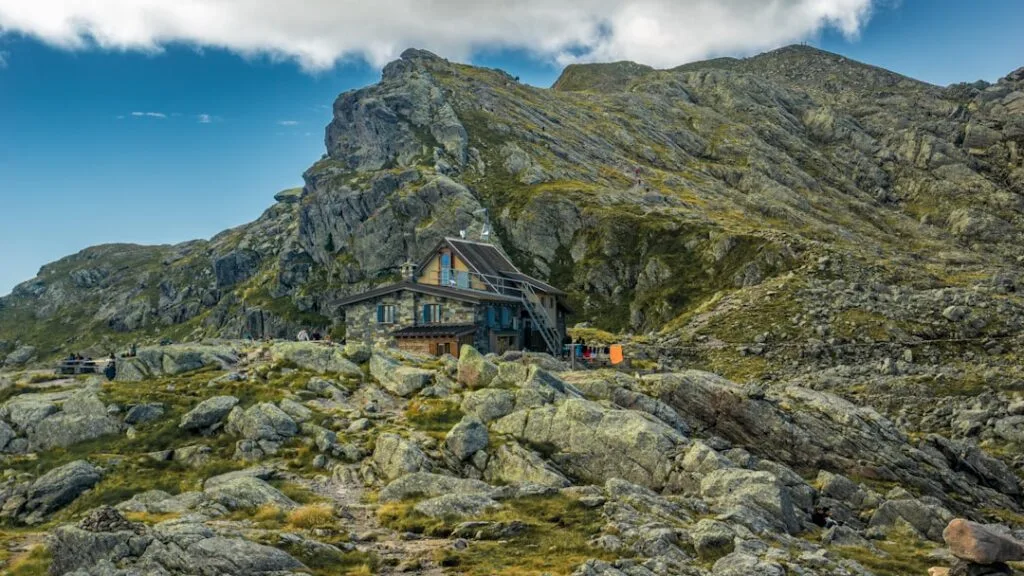
Looking for mountain stops where kids can play while you enjoy the view without too much effort? These easy routes favor gentleness, play and welcoming refuges, accessible from passes or by cable car.
1. Tre Cime circuit from Misurina
Iconic family loop around the Tre Cime, 10 km and ~400 m ascent spread over about 5 hours. Waymarked trails, interpretive panels and spectacular views; economical option if you share transport and plan for tolls.
- ⏱️ Duration: 5 hours
- 📍 Route: Loop: Rifugio Auronzo → Forcella Lavaredo → Rifugio Locatelli → return
- 🎟️ Included: Transport included in the stated offer (see conditions)
- 💡 Highlight: Views of the Tre Cime and naturalist learning opportunities along the way
- 🥾 Level: Suitable for fit beginners, children accompanied
2. Lagazuoi with no effort (cable car)
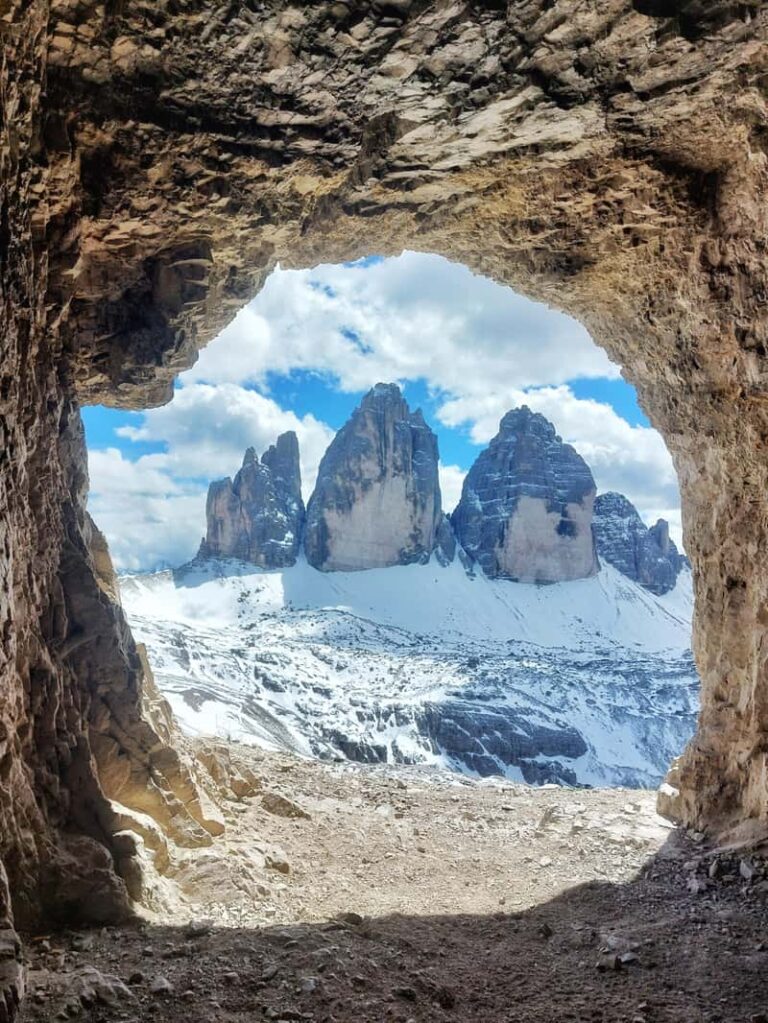
Almost instant access to the panorama thanks to the cable car; short walks and World War I remains to explore. Perfect for sunrise without a big climb and for small groups wanting history and views.
- 🎟️ Access: Cable car (ticket about €20–25 RT depending on season)
- 👥 Group: Small groups or families
- 💡 Highlight: Panorama at 2,800 m and First World War tunnels
- 🗣️ Languages: English, Italian, Spanish (guides available)
3. Cinque Torri from Col Giau
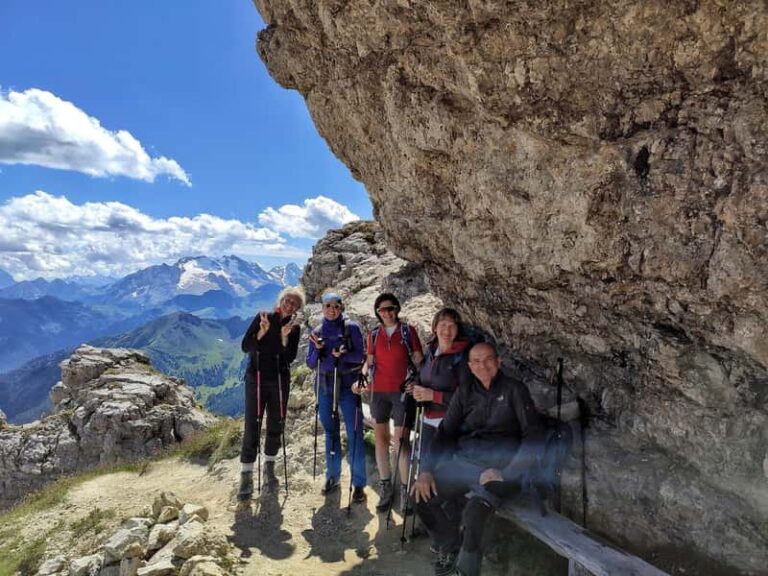
Gentle panoramic loop from Passo Giau, mixing meadows and rock formations. Short, accessible circuit with an open‑air museum and restored trenches: playful and educational for kids.
- 🚩 Start: Passo Giau parking (SP638) — allow €3–6 depending on season
- 📍 Route: Loop: Passo Giau → path to Cinque Torri → Museo all’aperto → return
- 💡 Highlight: Cinque Torri and the open‑air Great War museum
- 🥾 Level: Low elevation gain, family‑friendly
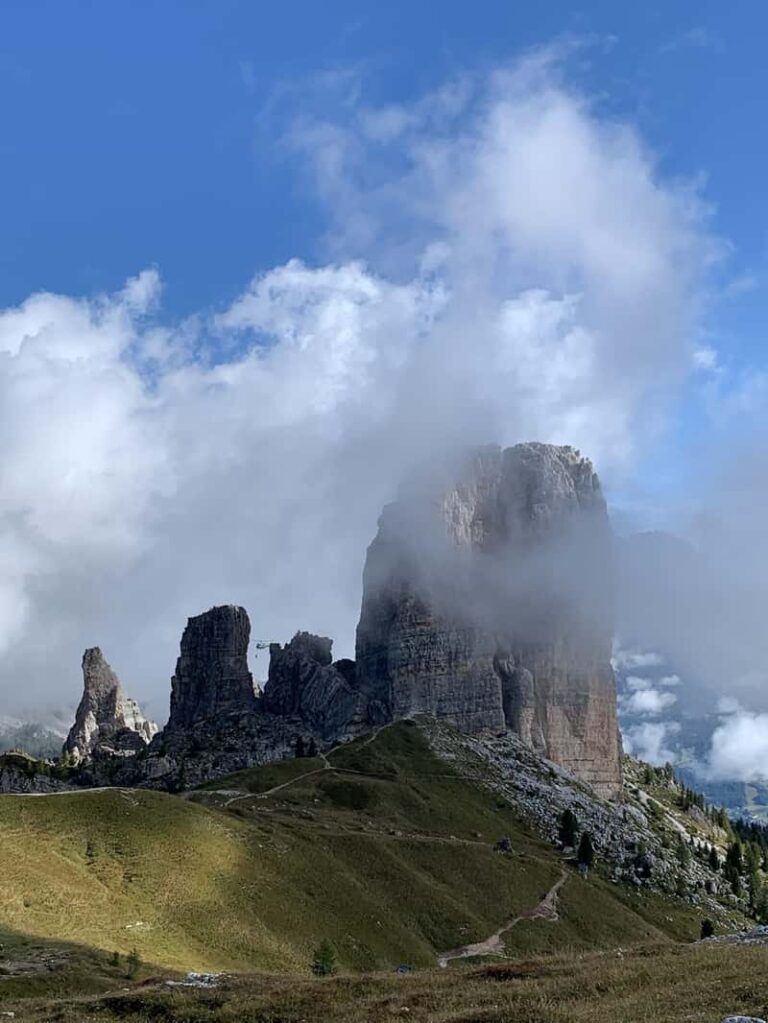
Rifugio Averau and Cinque Torri — playful strolls and low‑gain circuits
Rifugio Averau sits close to the famous rock formations known as the Cinque Torri, offering short, fun routes ideal for families or hikers wanting some history (nearby Great War trenches) without too much effort. Useful address: Rifugio Averau, Località Cinque Torri, 32043 Cortina d’Ampezzo (BL), Italy. Approximate GPS: 46.5335° N, 11.9937° E.
Typical route: start from the Cinque Torri parking (paid in season, €5–8) → trail no. 436 to Rifugio Scoiattoli then a short climb to Rifugio Averau. Walking time: 30–50 minutes, elevation gain ~120–180 m depending on option. For a playful loop, combine a visit to the Great War trenches (interpretive trail) and a stop at the Museo all’aperto delle 5 Torri, reachable on foot from the parking in about ten minutes.
Opening hours: usually open May to October; typical hours 08:30–18:30 for bar/restaurant service. Prices: local beer €4–6, polenta and stew €12–16, overnight (if available) €35–60. The open‑air museum (trenches and info panels) is free; paid guided visits are sometimes offered by tourist offices (around €10–15 per person).
Immersive description: walking between the limestone towers is like stepping into a natural playground: narrow passages, cavities and surfaces perfect for safe exploration games. Kids can follow a mini nature course with clues while adults relax on the rifugio terrace with a slice of homemade strudel and a steaming coffee. In winter the area becomes a ski‑tour domain, but in summer it’s busy for its panoramas and accessibility.
Local practical tips: bring photo documents of the Great War if you want to explain the history to kids — there are on-site panels but a short prepared story will make the visit more vivid. Check the parking condition: when busy, use official lots and take local shuttles (summer service). Mountain huts usually accept card payments but carry cash for small purchases. Finally, respect fenced areas around the trenches to preserve the historical remains.
Click here to book a guided hike to the Cinque Torri
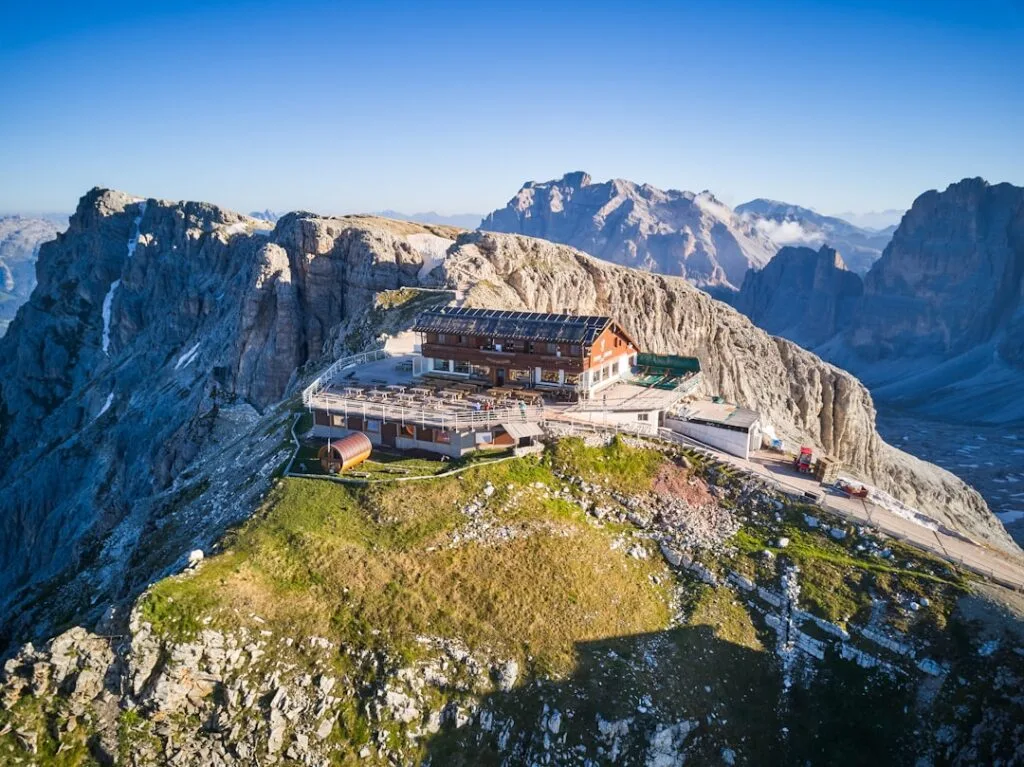
Rifugio Fanes and the Fanes plateau — peaceful walk and activities for kids
The Fanes plateau, in the Fanes-Senes-Braies Nature Park, is known for its alpine meadows, stone shepherd huts and very accessible trails. Rifugio Fanes is an excellent base for playful, immersive walks. Main access address: Rifugio Fanes, Str. de Fanes, 39030 Badia (BZ), Italy. Approximate GPS of the hut: 46.6410° N, 11.9730° E.
Easy route: start from the Pederü car park (reachable by car via the Anterselva/Badia valley), then a flat or gently rising trail to the plateau (about 1–1.5 hours depending on stops). Small elevation gain, suitable for all-terrain strollers on the lower section. Total distance varies (3–7 km) depending on the loop chosen. The trail crosses summer flower meadows and small streams, perfect for nature-spotting games.
Opening times and services: Rifugio Fanes usually opens from late May to October; typical hours 08:00–19:00. Prices: dinner €15–22, breakfast €6–8, overnight €30–70 depending on the room. The hut often offers a kids’ menu, and educational panels about wildlife (ibex, marmot) and flora (local edelweiss) are installed on nearby trails.
Immersive description: imagine rolling meadows, wooden-and-stone chalets, and peaceful grazing cows; the sound of bells mixes with the smell of freshly cut hay. Kids can join activities offered by some hut operators: feeding chickens, a mini cheesemaking workshop or a nature treasure hunt. The plateau’s calm late afternoon is perfect for a family picnic as clouds form stories in the sky.
Practical tips: check road accessibility during heavy spring rains; some access roads can be temporarily closed. Book kids’ workshops in advance, especially during school holidays. Bring a blanket and a basic first-aid kit. For photographers, the golden light at sunrise and sunset flatters the meadows; lakes and small water bodies reflect the mountain range for memorable compositions.
Click here to book a guided hike in South Tyrol
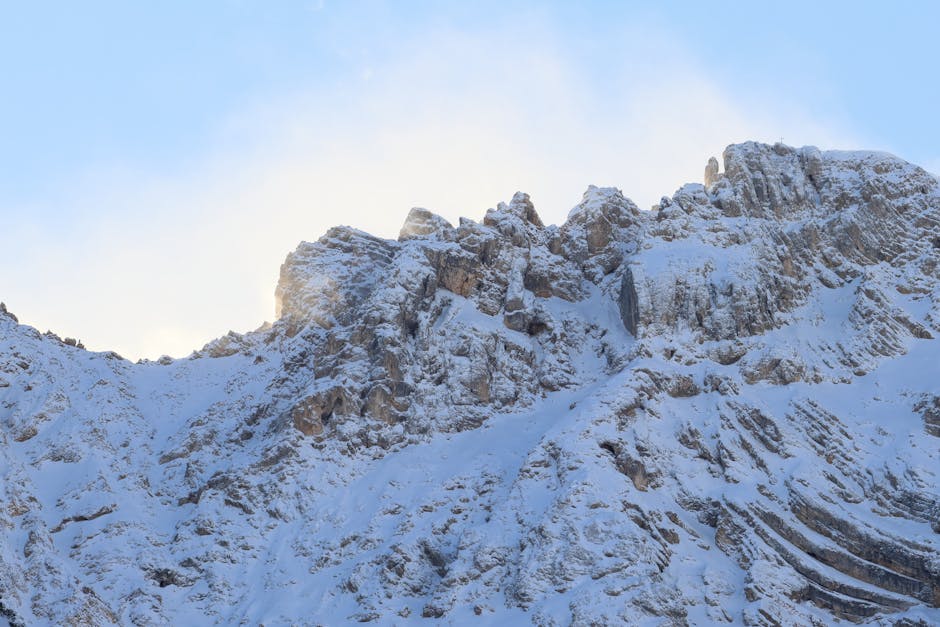
Rifugio Pisciadù — waterfall, accessible via ferrata and playful walk
Rifugio Pisciadù is a great choice for those wanting to combine an easy walk with a touch of light adventure (short via ferrata for experienced people or mini walkways for the curious). Starting point and address: Passo Gardena / Colfosco area, 39046 Ortisei (BZ), Italy (use “Passo Gardena” as a landmark). Approx GPS of Passo Gardena: 46.5330° N, 11.8430° E. The hut itself sits above the canyon where the Pisciadù waterfall flows.
Route: from the Passo Gardena or Colfosco car park, follow the marked trail to Rifugio Pisciadù in 45–75 minutes (moderate climb 150–250 m). The trail sometimes skirts rocky stretches but remains very accessible to non-technical hikers. For families, the path includes sections with handrails and footbridges, adding a playful touch without requiring climbing skills. The area’s via ferrata is suitable for equipped, accompanied people; do not attempt it without gear and experience.
Hours and prices: often open from June to October; usual hours 09:00–18:00. Meal prices: hot dishes €12–18, local beer €4–6. Overnight stays on reservation depending on availability, €30–70 depending on the type of bed. Some years huts offer a discovery package (meal + overnight + short excursion) for about €60–90 per person; ask by phone for details.
Immersive description: the proximity of the Pisciadù waterfall gives the place a refreshing vibe: light mist, the sound of water and a cool microclimate. From the hut’s terrace, the view down into the canyon and onto the cliffs is spectacular. Kids love the footbridges and watching aquatic insects in small pools. In the evening, listening to the stream with a hot chocolate is a frequently mentioned memory.
Local practical tips: grippy-soled shoes are essential. For the via ferrata, check availability of local guides (prices around €40–80 for a half-day) if you’re not experienced; renting a via ferrata kit (harness, lanyards, helmet) costs about €15–25 per day at local sports shops. Parking can be paid and busy in high season; consider an early start for maximum peace and a better parking spot.
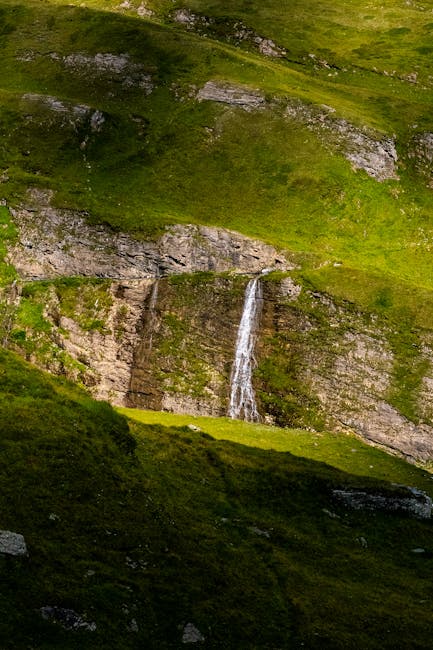
Conclusion — How to plan a successful playful escape in the Dolomites
The Dolomites offer a remarkable range of easy routes leading to family-friendly huts: accessible peaks like Nuvolau, panoramic terraces like Lagazuoi, tranquil plateaus like Fanes, and gentle-adventure spots like Pisciadù and Averau. Each hut has its own character and services: some focus on family hosting with kids’ menus and workshops, others highlight Great War history or pure alpine experience. When planning your getaway, check seasonal opening times, book ahead if you want to stay overnight, and adapt your itinerary to participants’ levels (children, people with reduced mobility). Prices shown here are representative ranges and vary by season and hut policy.
Practical summary tips: always check the mountain weather (MeteoDolomiti, local ARPA) before you set out; pack layered clothing and a headlamp if you plan to stay overnight in a refuge; carry small bills in cash for purchases at refuges (some places prefer or require cash for small items); respect refuge rules (quiet at night, waste sorting and respect for shared living spaces). For transport, check local buses (ATVO, SAD) and paid parking at the passes (Passo Falzarego, Passo Giau, Passo Gardena) — these passes are convenient access points for many easy hikes.
Finally, to make the most of a fun getaway, keep it simple: a short sunrise hike, breakfast at the refuge, a playful activity for the kids (cheese-making workshop, nature treasure hunt), a contemplative nap on the grass and, if you feel like it, an overnight stay to watch the starry sky away from city lights. The Dolomite refuges charm because they strike a balance between nature, culture and conviviality: places where the mountain is savored slowly, with family or friends. With a bit of planning and respect for the sites, you’ll leave with striking images and simple but deep memories — shared moments of joy in one of the most beautiful alpine settings in the world.