





Introduction
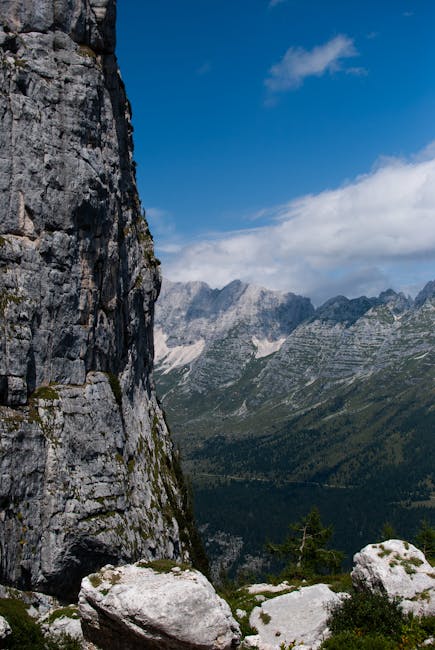
The Italian Dolomites are one of the most photogenic and challenging playgrounds for cyclists worldwide. With hairpin roads, passes shaped by alpine history, turquoise high‑altitude lakes and century‑old rifugi clinging to sheer slopes, the region offers a visual palette that changes at every turn. Whether you’re a road cyclist, gravel rider or mountain biker, you’ll find breathtaking vistas and perfect backdrops to boost your photo portfolio or social feeds.
This article gathers the best cycling photo spots in the Dolomites: iconic passes like Passo Pordoi and Passo Sella, water landmarks like Lago di Braies (Pragser Wildsee), and panoramic summits with 360° views. Each spot is described precisely with the exact address, best seasons or hours, typical fees (parking, lifts, rifugi), and practical tips for the photographer‑cyclist — ideal light, positioning to capture road perspective, recommended kit and safety precautions. The goal is to turn your next ride into a productive, safe photo session without losing the joy of climbing and descending.
Before you go, remember mountain weather can change fast: morning gold and pink can become low clouds by afternoon. Plan shoots around golden hours (sunrise and sunset), respect local rules (protected areas, parks) and prepare for temperature swings. Also note that vehicle access and parking at tourist sites are often paid in high season; it’s useful to know fees and parking alternatives. Finally, share the space courteously with pedestrians and other users — hikers, drivers and fellow cyclists — and be extra cautious if you stop to shoot on the shoulder of a narrow road.
The following sections detail five must‑see places, chosen for their scenic beauty, bike accessibility and photographic potential. For each you’ll find an immersive description, full address, typical prices and hours, plus local tips to optimize your images and cycling experience. Whether you aim for a backlit cyclist silhouette in front of the « Pale di San Martino » or a perfect alpine reflection in a lake, these waypoints will help you plan memorable, photographically successful rides in the Dolomites.
1. Lago di Braies (Pragser Wildsee) — the alpine mirror for cyclist portraits
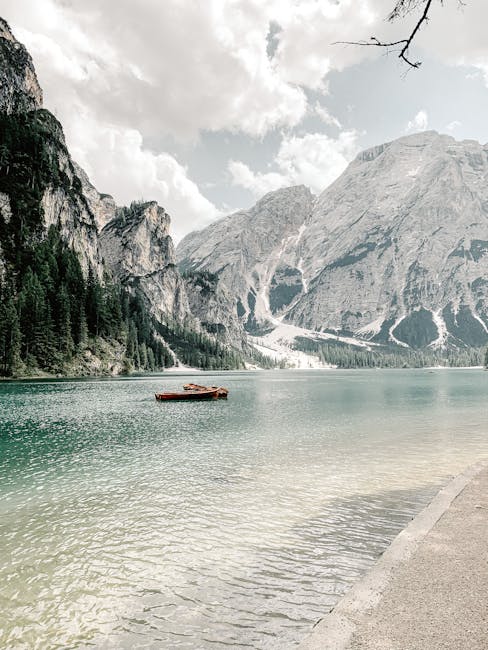
Lago di Braies, known in German as Pragser Wildsee, is arguably one of the most photographed lakes in the Dolomites thanks to its emerald waters framed by forests and dominated by rocky cliffs. For cyclists it’s an ideal spot to combine the human element with a natural mirror: a short climb from the parking area lets you place your bike in the frame or capture a rider entering the scene along the shore.
Address: Lago di Braies / Pragser Wildsee, 39030 Braies (BZ), Italy. Main parking: Parkplatz Lago di Braies, Strada Provinciale 49, 39030 Braies (BZ), Italy.
Cost: lake access is free; parking is paid in high season, roughly €25–30 per car (daily rate varies with tourist calendar). Hours: the site is generally open year‑round, but parking and lake services (bar, boat rental) run from about 07:00 to 19:00 in season (May–Sept); reduced hours off‑season.
Immersive description: arrive early — between 06:00 and 07:30 — to catch soft morning light and the calmest water, ideal for sharp reflections and isolating your cyclist against the mountains. The lakeside path is fairly flat and bike‑friendly for a short ride; however the full loop is often done on foot to preserve the site’s tranquility. Best compositions include the traditional boat near the left shore, the tree line in the background, and a cyclist silhouette on a gravel track to add human scale.
Practical tips: favor a wide‑angle (16–35mm) to capture both lake and ridge, but bring a 70–200mm to isolate details. Pack a lightweight tripod for long exposures at sunrise and a polarizer to cut unwanted glare when the sun is higher. Note: the site is very busy in summer — book accommodation in Braies or arrive early to avoid crowds.
 Click here to discover Lago di Braies on a day trip
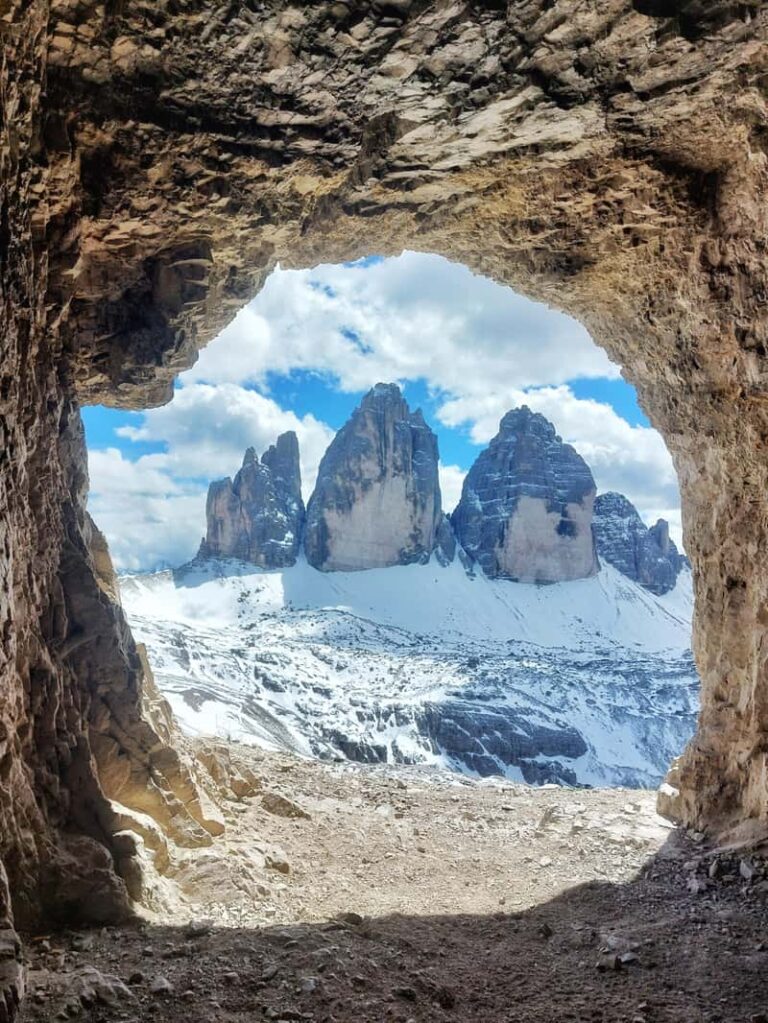
2. Tre Cime di Lavaredo — angular lines and high‑altitude roads
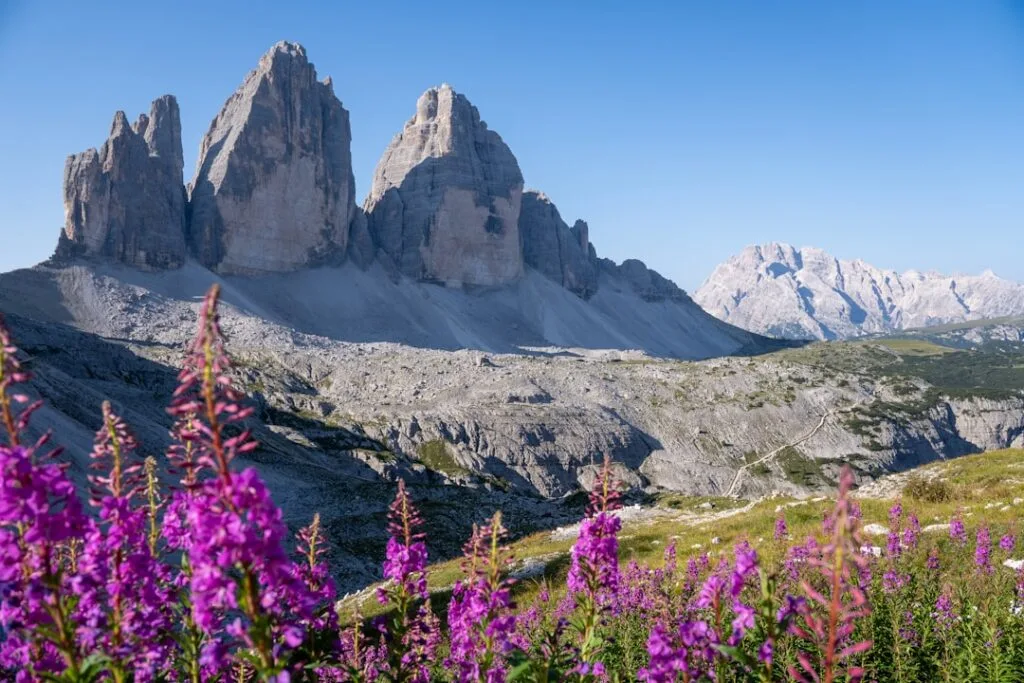
The Tre Cime di Lavaredo, in the Dolomiti d’Ampezzo Natural Park, boast iconic rock silhouettes every photographer dreams of composing with a cyclist poised on the road. The access road to Rifugio Auronzo is a spectacular paved climb that ends in a large parking area — the start of a walking loop — and several viewpoints reachable on foot where the perspective on the three peaks is most dramatic.
Address: Rifugio Auronzo, Strada Regionale 48, 3, 32041 Auronzo di Cadore BL, Italy. Auronzo parking (access to Tre Cime): Strada Regionale 48, 32041 Auronzo di Cadore BL, Italy.
Cost: car access to Rifugio Auronzo parking is subject to a seasonal toll of about €30–35 per vehicle (usually applied June–September); for cyclists, bike access is free, though some access rules may apply during park closing hours. Hours: the road and Rifugio Auronzo services are generally open from 05:00 to 21:00 in high season; off‑season check locally.
Immersive description: for a dynamic shot, place your cyclist on the winding road climbing toward the refuge, framing the iconic peaks below. The contrast between black asphalt and pale limestone walls creates a dramatic composition. In the morning, side light sculpts the north faces of the summits; at sunset, the walls take on a pink hue (« enrosadira »), a typical Dolomites phenomenon that gives an almost supernatural light.
Practical tips: the climb is demanding—bring appropriate gears and good brake pads for the descent. For photos, a telephoto (100–400 mm) isolates peak details, while a wide-angle combined with shallow depth of field will make the cyclist pop in the foreground. Respect marked trails—don’t cross protected areas chasing a new angle—and expect gusty winds near ridgelines. Pack warm layers even in summer: temperatures can swing widely.
Click here to explore the Tre Cime refuges with a guide
Book a tailor-made photo experience
Planning your next cycling trip in the Dolomites? These curated experiences simplify logistics and maximize photo opportunities without drowning you in planning. Each option offers a practical angle—transfer, guided hike, private session, or panoramic route—to be in the right place at the right time. Choose based on your pace, skill level, and the kinds of images you want to bring home.
1. Excursion from Venice to Lago di Braies
Private day transfer from Venice to Lake Braies, with priority access to skip lines and catch the best morning light: ideal if you’re short on time or arriving by train/plane.
- ⏱️ Duration: 10 hours
- 🚐 Transport: Mercedes V-Class, pickup in Venice
- 💡 Highlight: No-wait access to the lake for golden hours
- 🗣️ Languages: English, Italian
2. Guided photo tour at Tre Cime
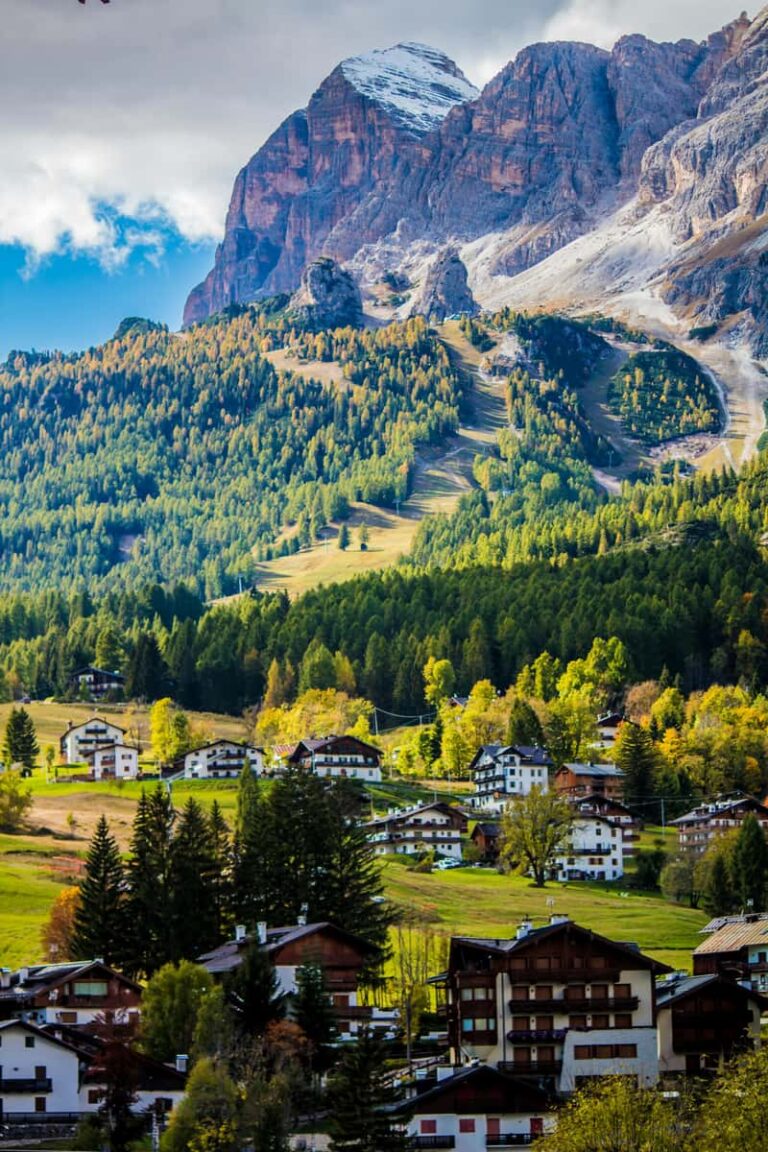
Guided photo hike around the Tre Cime, 10 km with ~400 m ascent; perfect for those wanting to learn alpine composition and come away with varied frames without route-finding alone.
- ⏱️ Duration: 5 hours
- 🥾 Level: Accessible (fit beginners)
- 🎟️ Includes: Transfer Misurina→Auronzo (toll included)
- 🗣️ Languages: English, Italian
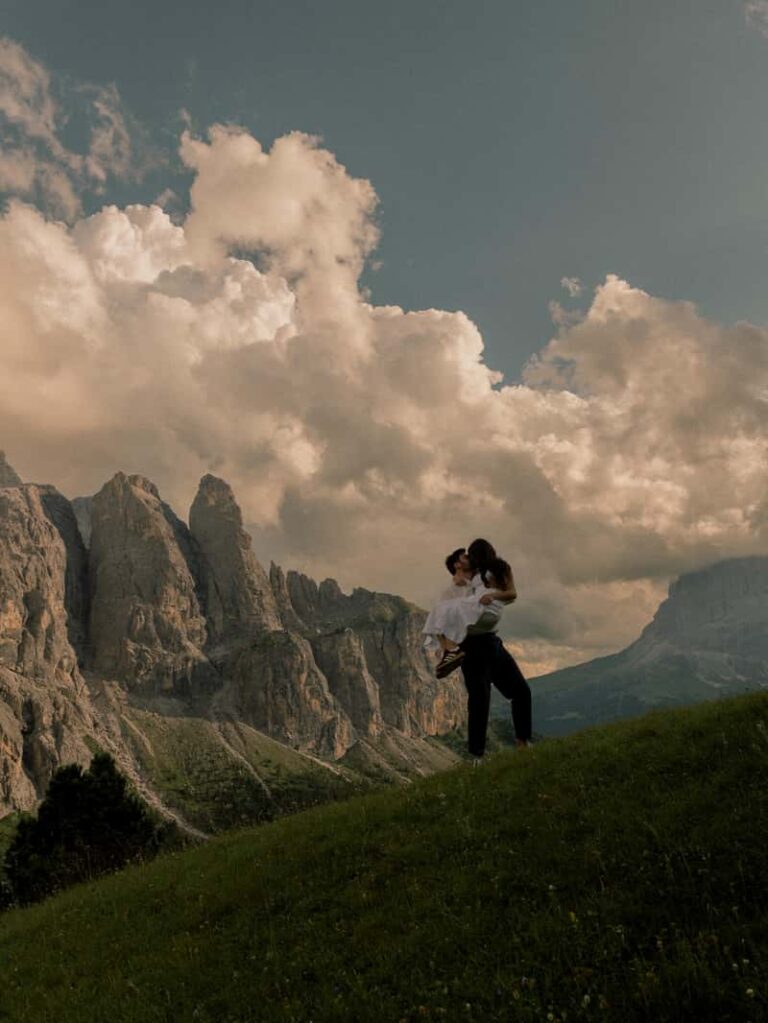
3. Private photo session in Val Gardena / Alpe di Siusi
One-hour pro session with a local photographer: natural mountain portraits, posing tips for cyclists, and location choices based on local weather and light.
- ⏱️ Duration: 1 hour
- 👥 Format: Private session, creative guidance
- 💡 Highlight: Local photographer who knows the best quiet angles
- 🗣️ Languages: English, German, Russian
4. Panoramic route including Passo Pordoi
Self-guided or coached route through the Fiemme and Fassa valleys up to the Pordoi pass: photo stops at hairpins, with an optional cable car for breathtaking views from Sass Pordoi.
- ⏱️ Duration: 8 hours
- 📍 Itinerary: Fiemme Valley → Fassa → Passo Pordoi
- 💡 Highlight: 27 iconic switchbacks for dynamic compositions
- 🗣️ Languages: English
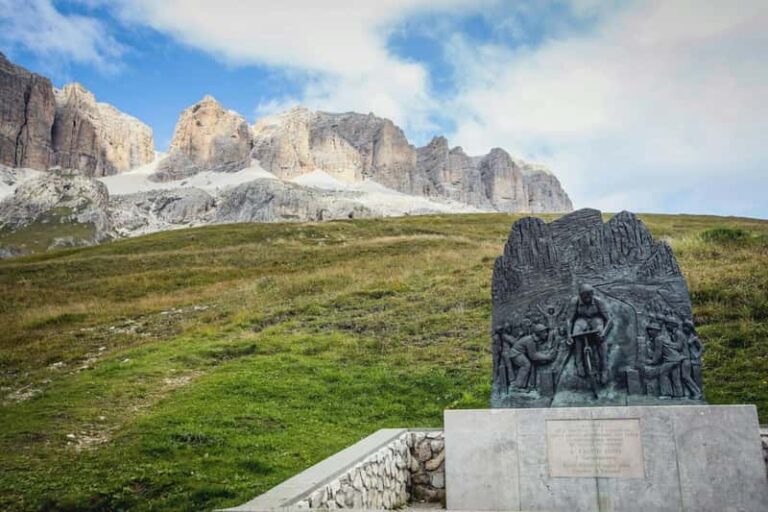
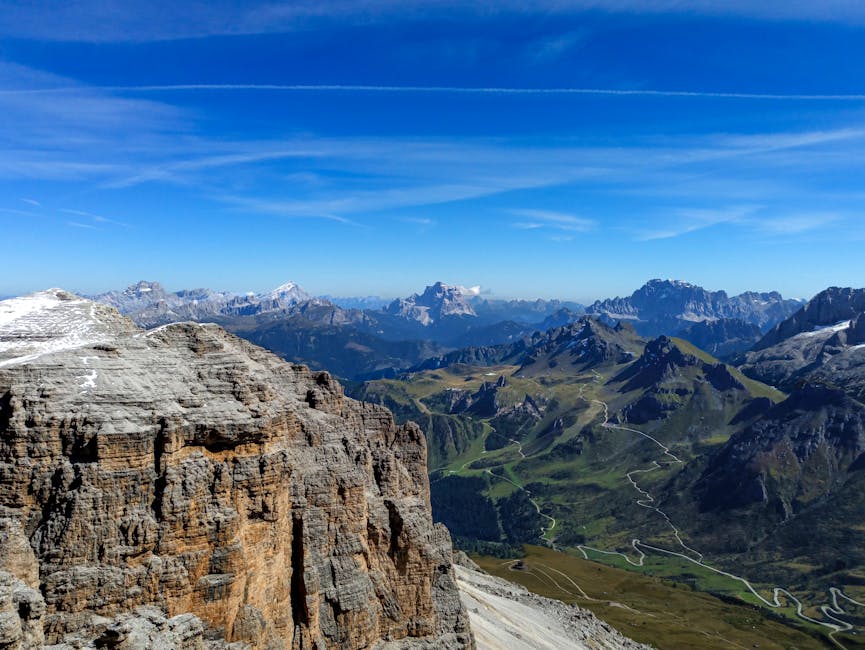
3. Passo Pordoi and Sass Pordoi cable — panoramic heights and plateau views
Passo Pordoi (Passo Pordoi / Passo Pordoi) is one of the most famous passes in the Dolomites, often featured in Giro d’Italia stages. At the top, the Sass Pordoi funivia (cable car) climbs higher to a natural viewpoint frequently likened to a terrace over the Dolomites. For cyclist-photographers, the road to the pass offers perfect bends for motion shots and wide panoramas from the summit terrace.
Address: Passo Pordoi, 39036 Canazei TN, Italy; Funivia Sass Pordoi – Piaz de Sott, 1, 39036 Canazei TN, Italy.
Price: road access to the pass is free; parking at Passo Pordoi usually paid depending on season (3–10 €); Sass Pordoi cable car round trip about 28–30 € per adult (indicative, seasonal variations). Hours: the Sass Pordoi funivia typically runs 08:30–17:00 (extended in high season, check local dates). The pass is accessible year-round except for closures due to snow or road works.
Immersive description: views from the Sass Pordoi terrace offer nearly 360° panoramas, perfect to pose a cyclist on a parapet or to photograph the ascending road’s curve. Morning light sculpts the rock ridges, while low clouds can create dramatic shadow play. While riding, use appropriate shutter speeds to freeze the wheel while keeping the landscape sharp — panning techniques work very well here.
Practical tips: if you climb by bike, allow about 1–2 hours from Canazei depending on your level. Check the funivia opening times if you want to combine the panorama with an easy return. For summit shots bring graduated ND filters to balance sky and foreground, and tag your gear (helmet, gloves) to avoid losses at the edge. Strong gusts are common at the top: anchor your tripod or use secure supports.
Click here to ride the Pordoi pass on a guided circuit
4. Alpe di Siusi (Seiser Alm) — meadows and ethereal views for cycling portraits
Alpe di Siusi, known in German as Seiser Alm, is the largest alpine plateau in Europe and one of the gentlest spots for cyclist photos in the Dolomites. Unlike steep passes, Alpe di Siusi features rolling meadows, traditional huts and mountain backdrops that let compositions breathe. Farm roads and tracks suit gravel bikes and offer varied angles, from pastoral silhouettes to flower-strewn fields in summer.
Address: Alpe di Siusi / Seiser Alm, 39040 Castelrotto (BZ), Italy. Access via Compatsch / Compaccio, Strada dell’Alpe di Siusi, 39040 Castelrotto (BZ), Italy.
Price: walking access is free; parking at Compatsch may be charged (around 5–10 € depending on duration). Local cable cars and lifts have variable fares (10–25 € depending on route and season). Hours: the area is accessible year-round; services and lifts generally run 08:30–17:00, extended in high season.
Immersive description: for a classic shot, place your cyclist on a gravel road winding between wooden huts and pastures, with the Sassolungo (Langkofel) massif in the background. Sunrises give a warm oblique light that illuminates dew-soaked meadows and creates a very gentle pastoral mood. In winter the plateau becomes a sea of snow, great for high-contrast shots (fat-bike). The variety of trails allows both wide landscapes and close portraits with traditional buildings as context.
Practical tips: favor a gravel bike or MTB to explore secondary tracks; surfaces vary. Bring pumps and repair kits: farms and huts aren’t always close on remote trails. Respect livestock and fences, and ask permission before close-ups of animals. Local farms sell products (cheese, speck): a great chance for lifestyle photos after the ride.
Click here to book a photo session at Alpe di Siusi
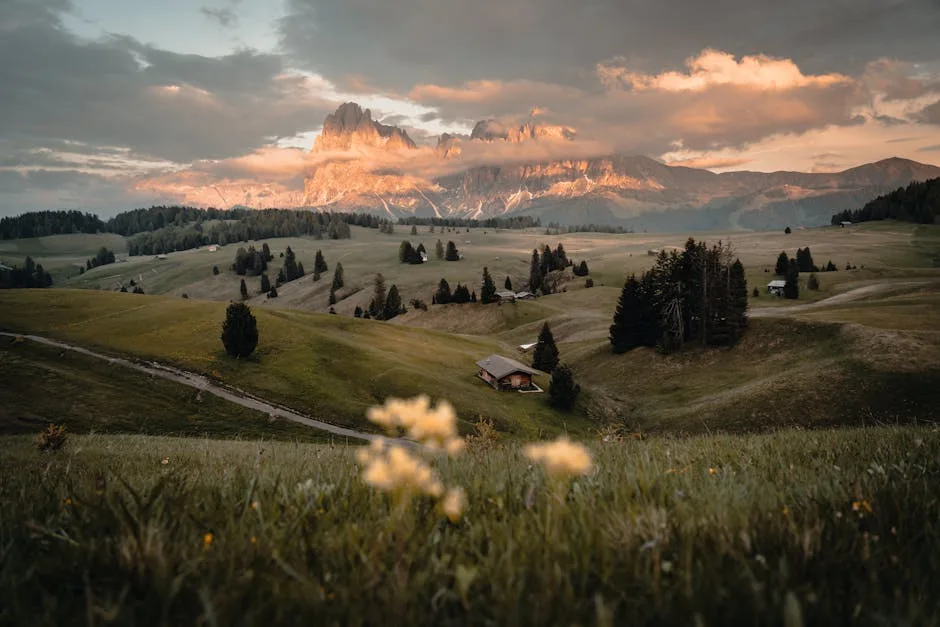
5. Passo Sella and Val Gardena — sculpted roads and graphic compositions
Passo Sella (Sellajoch) and the Val Gardena area are famous for sheer cliffs, cornices and roads that look carved from rock. It’s ideal terrain for cyclists seeking graphic compositions: road arcs, rock tunnels and plateau views with the Sella massif in the background create a rich visual repertoire.
Address: Passo Sella / Sellajoch, 39048 Selva di Val Gardena (BZ), Italy. Access via Strada Statale 242, strada per Passo Sella, 39048 Selva di Val Gardena (BZ), Italy.
Price: road access free; mountain pass parking may charge 2–10 € depending on duration. Some huts and services charge for parking or bike transport (variable). Hours: the road is open most of the year except snow closures; services usually open 08:00–18:00 in summer.
Immersive description: the Passo Sella roads offer dramatic profiles — perfect to photograph a cyclist below with the pass arch in the foreground. At sunrise/sunset the limestone layers turn pink, elevating any composition. The village of Selva di Val Gardena below is handy for alpine urban shots after a mountain ride. Descents are technical: plan for safety and secure shooting positions.
Practical tips: for shooting moving subjects, scout safe stopping points in advance (rest areas, small squares). Use moderate focal lengths (24–70 mm) to combine subject and landscape, and shoot in a format that allows later cropping. Wear breathable gloves and protective layers — mountain weather is unpredictable. Finally, obey road signage and give priority to vehicles and refuge staff when necessary.
Click here to join a half-day Sellaronda tour
Conclusion
The Dolomites offer an unrivaled range of spots to combine a love of cycling with photographic art. From the glassy water of Lago di Braies and the carved peaks of Tre Cime di Lavaredo to the dizzying views from Sass Pordoi, the wide meadows of Alpe di Siusi and the graphic roads of Passo Sella, every outing is a new creative opportunity. Alongside the practical info provided — addresses, approximate prices, opening hours and technical tips — take time to plan outings around light, weather and crowd levels. Off-peak hours (early morning or at dusk) are often best to avoid crowds and capture intimate, luminous atmospheres.
Mountain cycling photography also requires special attention to safety: make sure your bike is in top condition, carry repair tools, stay hydrated and bring warm layers even in summer. Respect natural park signs and protected areas; avoid cutting trails so you don’t damage vegetation or disturb wildlife. Finally, favor compositions that tell a story — the cyclist’s effort, the weariness after a climb, the smile at a panorama — rather than mere landscapes. These human details strengthen the emotional impact of your images.
If you’re planning a specific photogenic route, try to combine several spots in one day (for example Passo Pordoi in the morning and Tre Cime in the late afternoon), accounting for distances and climb times. Also consider local accommodations — refuges, mountain hotels and agriturismi — which can offer privileged sunrise access or tips on the best lighting times. With good planning and a bit of patience, the Dolomites will reward you with powerful, memorable images, making each ascent an unforgettable visual chapter in your travel journal.