





Introduction
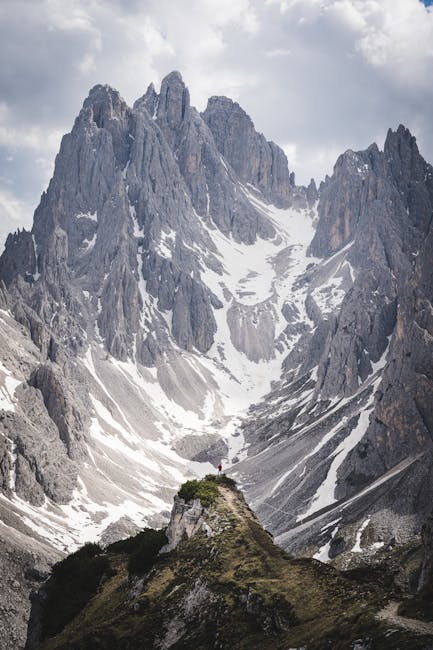
The Dolomites, a UNESCO World Heritage site, are a legendary playground for cyclists chasing both hard work and breathtaking alpine views. These limestone ranges in northeastern Italy offer high mountain passes with every kind of profile: short, brutal ramps, long steady climbs, or technical sequences of switchbacks set against jagged ridgelines. Riding a pass in the Dolomites is more than a physical feat — it’s a journey through geology, rural architecture, alpine cuisine and First World War history that you feel with every pedal stroke.
This guide aims to be a complete, immersive primer to the must-ride passes in the Dolomites. It doesn’t just list names: you’ll find route descriptions, average gradients, best seasons, refuelling and support points, and must-see spots at the foot or summit of each pass. There are also concrete addresses (hotels, mountain huts, museums), opening hours, indicative prices in euros, and practical tips to prepare your trip — whether you’re planning a multi-day raid like the Sellaronda or a single-day focus on an iconic climb.
Whether you’re a recreational rider aiming for your first big alpine ascent or an experienced climber hunting new challenges, Dolomite passes combine technical demand and sheer beauty. You’ll pedal through villages with flower-box balconies, pass rustic rifugi serving generous polenta, and come across monuments and museums that recall the frontline lines of the First World War. The scenery constantly shifts: conifer forests, alpine meadows, and vertical walls of rosy dolomite lit up at sunset.
Finally, this guide includes practical logistics: where to park safely, how to book bike-friendly accommodation, alternative transport options (buses, trains, lifts that accept bikes), and local road-safety rules. Practical details — exact addresses, entry fees for some sites and opening times — are provided to help you plan each stage. Ready to climb? Mount up: the Dolomites’ legendary passes are waiting.
 Click here to Book a day trip to Cortina and Dolomites
Passo Giau: the panoramic climb from Cortina d’Ampezzo
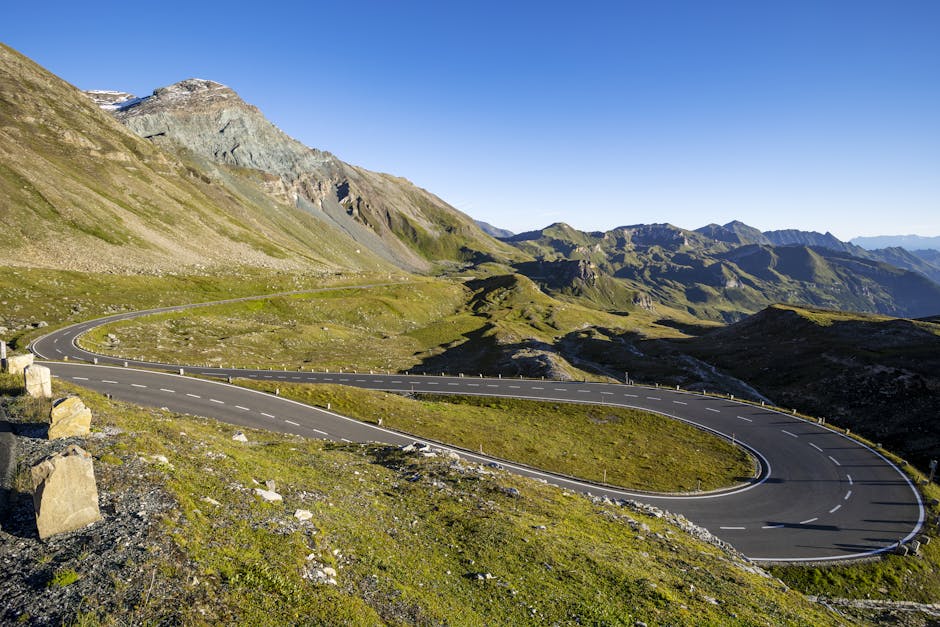
Passo Giau (Passo di Giau) is often hailed as one of the most photogenic passes in the Dolomites, with its sharp ridges and open alpine pastures. Sitting between Cortina d’Ampezzo and Selva di Cadore, it tops out at 2,233 metres and presents a hard, sustained climb made of tight hairpins and long, steep stretches. The approach from Cortina d’Ampezzo (Strada Regionale 48) offers well-paved kilometres often exposed to wind, with near-constant views of the Tofane and the Cinque Torri.
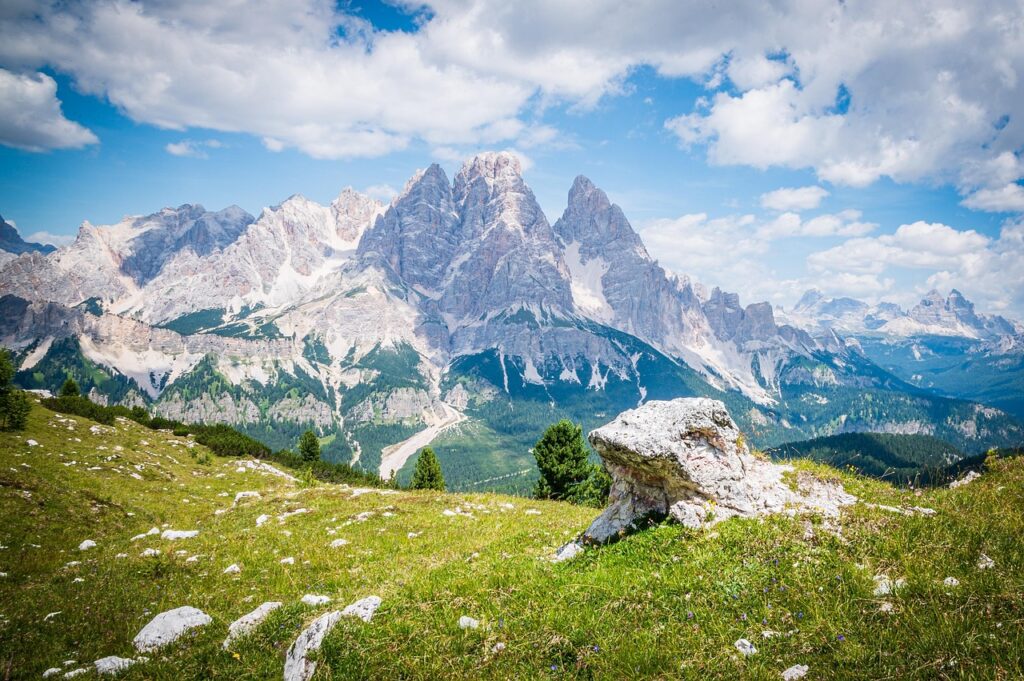
Typical route: Cortina d’Ampezzo (Piazza Angelo Dibona, 32043 Cortina d’Ampezzo BL) → Passo Giau. Distance: roughly 10–11 km of climbing from the Capanna Ra Zente roundabout; average gradient: 9–10%, with stretches up to 14%. The climb is steady and demanding — choose gearing wisely (11-32 or 11-34 cassettes are recommended).
Points of interest and services:
- Rifugio Fedare (Rifugio Maria e Franco) – Address: Strada del Giau, 32043 Cortina d’Ampezzo (BL). Opening season: typically late May to late September, 08:00–19:00. Indicative prices: hot dishes €12–18, drinks €3–6. A great stop for a warming soup, hearty polenta or homemade strudel.
- Passo Giau parking – Address: Passo Giau parking area, 32043 Cortina d’Ampezzo (BL). Fees: often free outside peak season, otherwise around €2–5/day in summer; security varies.
Local practical tips:
- Wind: the ridge is frequently exposed — bring a windproof jacket and a light thermal layer for the summit, even in summer.
- Timing: start early to avoid afternoon gusts and to catch the morning light on the faces.
- Hydration: the last good water and resupply is in Cortina; carry at least 1.5–2 L of water for the climb.
- Traffic: the road is popular with motorbikes and cars in summer — ride predictably in a line and make yourself visible.
Click here to Book the Col Giau guided loop
Passo Pordoi and the Funivia del Sass Pordoi: an alpine stop for cyclists
Passo Pordoi, at 2,239 metres, is a classic for bike climbers — a place stamped with the history of riders like Fausto Coppi and Marco Pantani. The climb from Arabba is steady, with sustained pitches and wide turns that let you find a rhythm. At the top, a statue of Fausto Coppi and the descent to Canazei open up endless views over the Sella massif and the Marmolada.
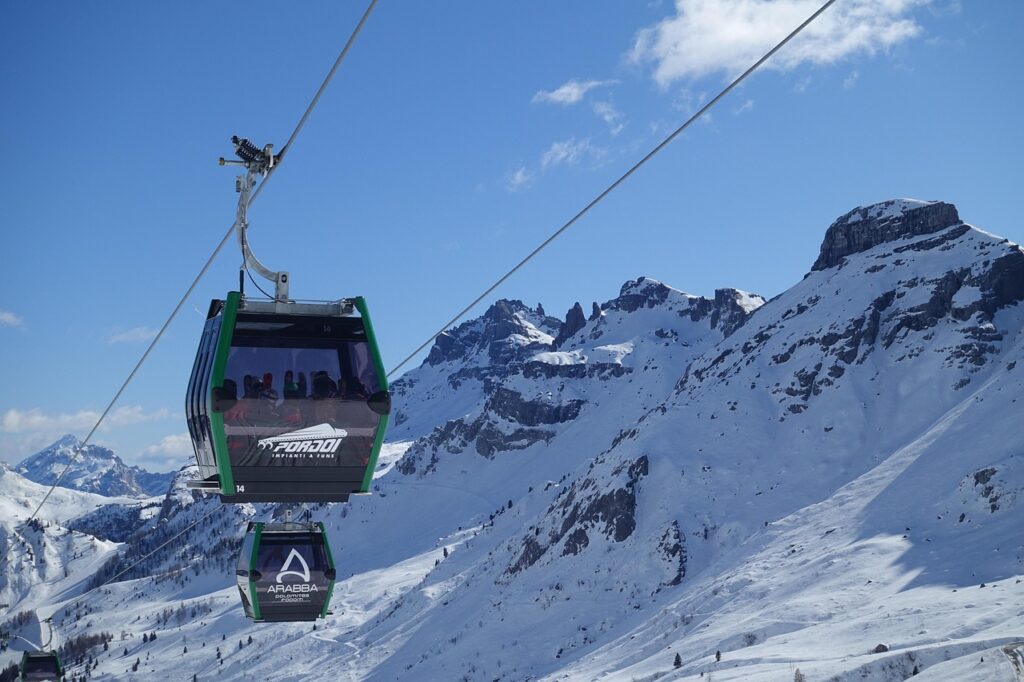
Typical route: Arabba (Str. Dolomites, 32020 Arabba, BL) → Passo Pordoi. Distance from Arabba: about 9–10 km. Average gradient: 6–7% (with sections reaching 10%). This climb is often included in the Sellaronda, the loop around the Sella massif.
Services and points of interest:
- Funivia del Sass Pordoi (Cable car to Sass Pordoi) – Lower station: Passo Pordoi, 32020 Arabba (BL). Hours: seasonal and variable, generally 09:00–17:00 in summer; extended in high season. Approximate price: round-trip €18–25 per person; bikes sometimes allowed for an extra fee (€5–10) or at specific departure times. The viewpoint from Sass Pordoi is famed as a « balcony over the Dolomites. »
- Fausto Coppi monument – At the summit of Passo Pordoi, with commemorative plaques; free access, address: Passo Pordoi, 32020 Arabba (BL).
- Rifugio Forcella Pordoi – Address: Passo Pordoi, 32020 Arabba (BL). Opening season: usually May to October, 08:30–18:00. Meals: €12–20.
Local practical tips:
- Lifts: the Funivia del Sass Pordoi lets you gain altitude without riding back up — check in advance about bike carriage and off-season schedules.
- Weather: the summit can be shrouded in clouds — bring a headlamp if you plan a long outing or sunrise photography.
- Booking: in high season (July–August), reserve your cable-car spot if you plan to bring a bike.
Passo Sella, Passo Gardena and the Sella plateau: the legendary sequence
Sella and Gardena, together with passes like Campolongo and Pordoi, make up the famous Sellaronda: a 55–60 km loop around the Sella massif. This sequence is a must for any cyclist wanting a full day of altitude, scenery and Ladin villages. The passes alternate steep climbs and fast descents, and some sections can be exposed to wind.
Typical itinerary (clockwise): Colfosco / Corvara → Passo Campolongo → Passo Pordoi → Passo Sella → Passo Gardena → return. Distance: 55–60 km; total ascent: 1,800–2,200 m depending on variants. The toughest ascents are Pordoi and Sella, with gradients between 6% and 10%.
Points of interest and services:
- Corvara in Badia (Comune di Corvara) – Address: Piazza Marconi 28, 39033 Corvara in Badia (BZ). Tourist office: Ufficio Turistico Corvara, Piazza Marconi 14. Hours: typically 09:00–18:00 in summer. They provide routes, maps and Sellaronda information.
- Museo Ladin ‘Museum Ladin Ćiastel de Tor’ – Address: Via Tartar 1, 39030 San Martino in Badia (BZ). Hours and price: often open 10:00–17:00, entry €5–8 (varies). The museum traces the Ladin culture of the area.
- Rifugio Friedrich August – Address: Passo Sella area, 39048 Selva di Val Gardena (BZ). Seasonal hours; meals €10–18.
Local practical tips:
- Planning: the Sellaronda can be done in one day by fit riders, but factor in regular breaks for hydration and food — rifugi are about every 10–20 km depending on your route.
- Luggage: if you want to travel light, several local services transport luggage between hotels on the Sellaronda; ask at the tourist office in Corvara or Selva.
- Signage: the loop is well marked, but carry a map or GPS — some tunnels and seasonal detours can be surprising.
- Safety: helmet recommended and watch for farm animals at altitude (cows) that may cross the road.
Click here to Book a half-day Sellaronda tour
Passo Falzarego and Lagazuoi: history, wartime tunnels and vertiginous views
Passo Falzarego (2,105 m) is a gateway to historical sites and panoramas that capture the soul of the Dolomites. Where rock has been carved into huge towers, you’ll also find remains of the First World War — tunnel systems and trenches now turned into heritage trails. The climb is less uniform than some other passes but leads to exceptional sites, including the Rifugio Lagazuoi reachable on foot or by cable car.
Typical route: Cortina d’Ampezzo (Piazza Angelo Dibona, 32043 Cortina d’Ampezzo BL) → Passo Falzarego. Distance: 6–10 km depending on your start; average gradient varies 6–9%. From Passo Falzarego a cable car can take you up towards 2,752 m (or nearby) to reach the Lagazuoi summit.
Points of interest and services:
- Funivia Lagazuoi – Lower station: Passo Falzarego, 32043 Cortina d’Ampezzo (BL). Hours: generally 09:00–17:00 in season (May–October). Approximate price: round-trip €15–25; bikes sometimes allowed for an extra fee (€5–10). From the top you get views of the Tre Cime di Lavaredo and the Marmolada.
- Open Air Museum of the Great War (Museo all’aperto della Prima Guerra Mondiale) – Location: Strada del Falzarego, 32043 Cortina d’Ampezzo (BL). Access: the historical routes are open; some tunnels are visitable with a guide or organized tour. Price: variable; private guides roughly €20–30 per person.
- Rifugio Lagazuoi – Address: Passo Falzarego area, 32043 Cortina d’Ampezzo (BL). Hours: seasonal; accommodation available (rooms and dorms) — nights €40–80 depending on season; half-board around €35–50 per person.
Local practical tips:
- Guided visits: to explore tunnels and trenches, choose an organized guided tour (for safety and lighting). Timetables can change with snow and seasonal closures.
- Gear: for a final walk-up or a short detour to the frontline lines, lightweight hiking shoes and a headlamp are useful.
- Accommodation: if you want to extend your day, book at Rifugio Lagazuoi or a hotel in Cortina d’Ampezzo (for example Grand Hotel Savoia, Corso Italia 83, 32043 Cortina d’Ampezzo; double rooms in summer ~€150–300/night).
Click here to Join a high-altitude Lagazuoi guided hike
Passo Campolongo and Arabba: the tactical stage for rouleurs
Passo Campolongo, at 1,875 metres, is often considered one of the most « ridable » passes in the Dolomites: steady gradients, long sweeping bends and good pavement make it pleasant for riders who favour rhythm and consistency. Paired with Arabba and the approach to Pordoi, it’s a strategic summit for balancing power and recovery on a route.
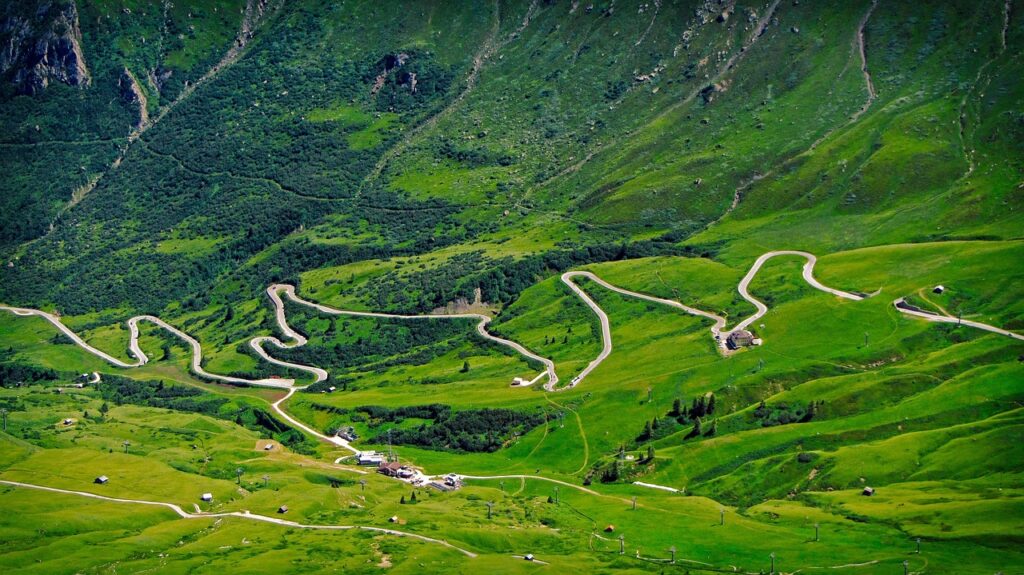
Typical route: Arabba (Piazza Treviso, 32020 Arabba BL) → Passo Campolongo → Corvara. Distance: about 6–7 km of climb from Arabba; average gradient: 6–7%. The road is wide and well maintained, suitable for groups and solo riders alike.
Points of interest and services:
- Hotel Savoy (Arabba) – Address: Strada Dolomites 1/1, 32020 Arabba (BL). Reception hours: 07:00–22:00. Double room price: €90–180/night depending on season. Services: secure bike storage, basic workshop, bike wash.
- Bike Service Arabba – Address: Via Ponte de Ruazes, 32020 Arabba (BL). Hours: 08:00–19:00 in high season. Services: rental, repairs, spare parts. Road-bike rental: €40–80/day; mechanical service from €15 depending on the work.
- Rifugio Capanna Alpina – Address: Passo Campolongo area, 32020 Arabba (BL). Seasonal hours; meals €10–18.
Local practical tips:
- Energy management: use Campolongo to recover a bit after Pordoi or to set a steady tempo before a more technical climb.
- Refuelling: Arabba has bakeries and grocery stores — stock up on bars and drinks before tackling the pass.
- Alternative routes: if the weather looks unstable, several lower-altitude roads avoid exposed ridges while remaining scenic.
Logistics, kit and safety tips for riding Dolomite passes
Climbing the Dolomite passes requires physical preparation, but also careful logistics. Here are practical recommendations to get the most from your ride without compromising safety.
Essential kit:
- Bike: a lightweight road bike (carbon or aluminium frame) with appropriate gearing (compact 50/34 + 11-32/34 cassette) is ideal. Cyclocross or gravel bikes are useful if you plan side tracks to historic rifugi.
- Brakes: well-maintained brakes (disc or rim), fresh pads — descents are long and demanding.
- Clothing: light windproof jacket, compact waterproof, arm warmers and leg warmers to manage temperature swings; long gloves for descents.
- Tools and spares: CO2 or mini-pump, inner tube, tyre levers, multi-tool, patch kit, spare chain link or quick link.
Safety and local rules:
- Helmet: mandatory and essential; increase visibility with a fluorescent vest or clear/red lights if needed.
- Traffic rules: obey speed limits (often 50–70 km/h for cars on some downhill sections), pay attention to local signs and roadwork markings.
- Weather: mountain weather changes fast — check local forecasts (MeteoDolomiti, tourist office services) and avoid climbing if storms are forecast.
- Insurance: ensure travel insurance covers mountain rescue and evacuation; some rifugi require advanced bookings in high season.
Logistics and accommodation:
- Transporting bikes: main train lines (Venezia Santa Lucia → regional trains → Belluno/Calalzo, then bus) rarely accept non-dismantled bikes; prefer driving or local shuttle services (book ahead).
- Bike wash and workshops: most tourist villages (Cortina, Arabba, Corvara) have professional workshops and bike wash stations; workshop rates from around €15 for a basic service.
- Bike-friendly accommodation: many hotels advertise as « bike-friendly » with sports menus, secure bike storage, laundry and luggage-transfer services. Example: Parkhotel Laurin, Corso Italia 5, 39012 Bolzano (BZ) — double rooms €120–220/night; check bike services before booking.
Click here to Book a private transfer from Venice airport to Cortina
Click here to Book a direct airport bus from Venice to Cortina
Conclusion
The Dolomite passes offer cyclists an experience that goes far beyond pure physical effort: each climb is an immersion in unique landscapes, a meeting with alpine history and a tribute to the spectacular geology that carved these mountains. Whether you pick the vertiginous Passo Giau east of Cortina d’Ampezzo, the historic prestige of Passo Pordoi with its cable car to Sass Pordoi, the demanding and majestic Sellaronda, the wartime tunnels and summits around Passo Falzarego, or the rollable, tactical Passo Campolongo from Arabba, you’ll always find a mix of beauty, challenge and mountain hospitality.
Plan your trip carefully — season choice, accommodation booking, checking funivia hours and bike-boarding options — and you’ll boost both your enjoyment and your safety. July and late August are prime for stable weather but also the busiest: start early, book rifugi and allow time to recover. Outside high season, late spring and autumn offer quieter roads and exceptional colours, but watch for seasonal closures and early snow.
Finally, respect the spirit of the Dolomites: protect the environment by taking your rubbish with you, respect livestock and local signage, and support local businesses (rifugi, small grocery stores and museums) by spending with them — they’re the ones who keep services for cyclists running. The addresses and prices listed here will help you plan your stages concretely: rifugi for hearty meals, museums to understand the region, services to maintain your bike. With proper preparation, every climb becomes a lasting memory — and every summit a personal victory in one of Europe’s most stunning natural amphitheatres. Buon viaggio e buona salita!