





Introduction: Why Pick Alta Via Sections Suited to Beginners?
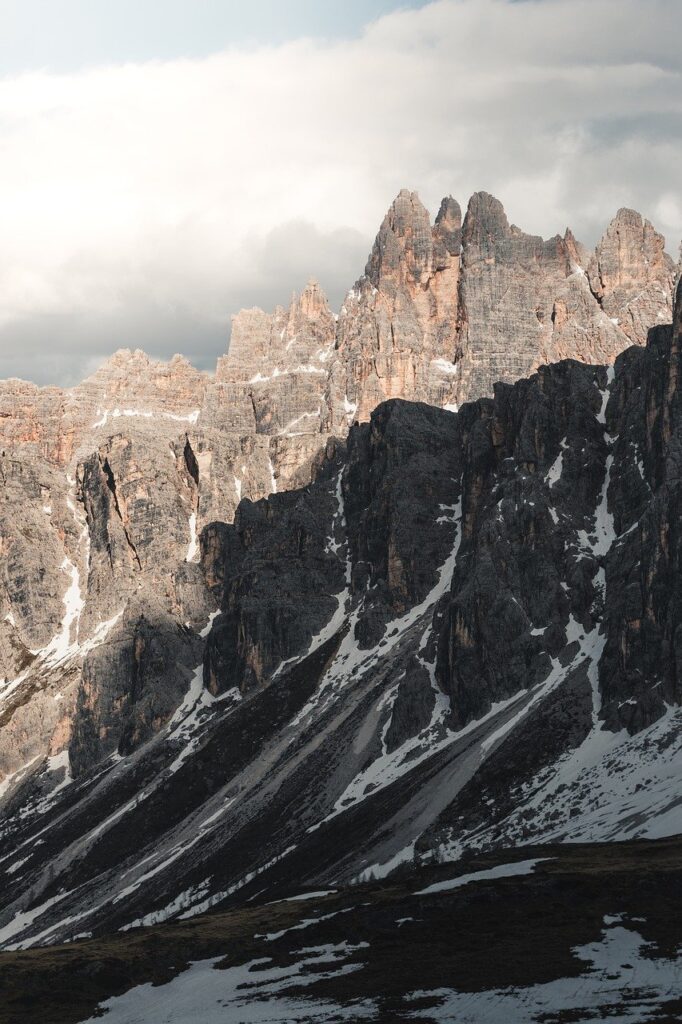
The Dolomites, a UNESCO World Heritage site, are home to some of Europe’s most dramatic mountain scenery: sheer pale limestone cliffs, deep valleys, flower-filled alpine meadows and wooden refuges perched on dizzying ledges. The Alta Via — Italian for “high route” — refers to several long-distance trails (Alta Via 1, Alta Via 2, Alta Via delle Dolomiti, etc.) that cross these ranges, linking mountain huts, passes and panoramic ridgelines. Tackling the whole Alta Via can feel intimidating, but there are plenty of short, well-marked sections that are perfect for beginners: they deliver the essence of these breathtaking landscapes without demanding advanced technical skills or exposed multi-night routes.
Choosing beginner-friendly sections has concrete benefits: first, you can test your gear and your ability to hike at altitude over one or two days without committing to a long traverse. Second, these routes often center around well-equipped mountain huts (hot meals, limited showers, dormitory bedding), which simplifies logistics and recovery. Third, these stretches hit famous viewpoints — think Tre Cime di Lavaredo, Lagazuoi or Lago di Braies — without the strain of a prolonged effort. Finally, hiking in sections lets you mix in cable cars, taxis or local buses to shorten transfers, making the experience much more accessible.
This guide lays out concrete, testable sections: exact start points, addresses, practical opening times (cable cars, huts, parking) and indicative prices in euros. Each section is described so you can picture the terrain, assess effort and risk, and prepare gear and timing. I also include local tips: how to book a refuge, which shoes to choose, where to park safely, and how to cope with the Dolomites’ changeable weather. The goal is to turn your Alta Via dream into a successful, enjoyable and low-stress hike.

Section 1: Lago di Braies – Lakeside Stroll and Easy Loop (Perfect First Hike)
Accessing Lago di Braies (Pragser Wildsee) is one of the most iconic and easily reached introductions to the Dolomites. Start point: Lago di Braies, Via Lago di Braies, 39030 Braies (BZ), Italy. The main parking is reached via provincial road SP49. Parking: Parking Lago di Braies, Via Lago di Braies, coordinates near the entrance (fees vary by season: in high season roughly €6–€8/day, pay on site or at the meter). The lake itself is free to access but in peak season a pedestrian entry fee is sometimes charged (€3–€5).
Route: walk the loop around the lake (3.5 km, 1 to 1.5 hours depending on pace) or extend into the Valle di Braies towards Rifugio Biella. The trail is well waymarked, with wooden boardwalks and short climbs — no technical sections. For an “Alta Via light” outing, try the variant that climbs toward trail no. 4 heading to the Forcella, which offers dramatic views down the north faces. Difficulty: very accessible (families, beginners). Gear: lightweight hiking shoes, windbreaker, a small water bottle and snacks.
Practical tips: arrive early (before 9:00) to beat the crowds and catch the soft morning light for photos. Opening hours: the site is accessible year-round but facilities (cafés and boat rentals) usually operate from about 08:00–18:00 in summer (June–September). Local hut/restaurant: Ristorante Lago di Braies, Via Lago di Braies 3, 39030 Braies, approximate hours 09:00–19:00, simple menu; main courses around €12–€18. In bad weather the path generally remains walkable but visibility can drop — have a backup exit plan.
 Click here to book a yoga and hiking session at Lago di Braies
Click here to book a day trip to Lago di Braies

Section 2: Passo Falzarego – Gentle Ascent to Rifugio Lagazuoi (Panoramic Views, No Technical Climbing)
Passo Falzarego is a major access hub in the Dolomites, located on SP48. Useful address: Passo Falzarego, 32020 Cortina d’Ampezzo (BL), Italy. For beginners who want stunning alpine panoramas without scrambling, the climb to Rifugio Lagazuoi is perfect. Two ways up: hike the trail (about 1.5–2 hours, moderate elevation gain) or take the Lagazuoi funivia (cable car), which is faster and more comfortable.
Cable car: Funivia Lagazuoi, departure station at Passo Falzarego (teleferica address: Passo Falzarego, 32020 Cortina d’Ampezzo), typical seasonal hours 08:30–17:00, round-trip fare roughly €28–€35 depending on season. At the top, Rifugio Lagazuoi (Rifugio Lagazuoi, Località Lagazuoi, 32020 Cortina d’Ampezzo BL) serves traditional Italian dishes; main courses about €12–€19. The hut generally operates from late May to October, hours vary with weather.
Trails from the summit lead to viewpoints over the Sella Group, the Tofane and the Cinque Torri. The ground can be rocky in places but is well defined. For beginners, taking the cable car and doing short loops from the top is a great way to enjoy the panorama without getting overly tired. Practical advice: bring sunglasses and sunscreen — the sun is strong at altitude; check the cable car schedule the day before (it changes off-season); CAI maps (Club Alpino Italiano) and apps like Komoot or Outdooractive are handy for waymarking.
Click here to book a high-altitude guided hike at Lagazuoi
Section 3: Tre Cime di Lavaredo – The Iconic Loop from Rifugio Auronzo
The Tre Cime di Lavaredo (Drei Zinnen) are probably the most photographed spot in the Dolomites. Recommended start: Rifugio Auronzo, Passo Tre Croci 1, 32041 Misurina (Auronzo di Cadore) BL, Italy. The Rifugio Auronzo parking is paid and limited: Parking fee around €30/day (2024 rate commonly used by day visitors); arriving early helps avoid tourist buses. Alternative: park at Misurina (address: Misurina Resort parking, 32041 Auronzo di Cadore BL) and take the shuttle bus.
Route: the classic loop Auronzo → Rifugio Locatelli (Lavaredo Hut) → Forcella Lavaredo → return (about 10–12 km, 3–4 hours, easy to moderate). The path is well marked and heavily used, with no major technical sections — suitable for fit beginners. Rifugio Auronzo (address above) is open daily in high season; meals/snacks: mains €12–€20. Rifugio Antonio Locatelli (Dreizinnenhütte) sits on the route (address: Forcella Lavaredo, 32041 Auronzo di Cadore BL), usually open roughly 08:00–18:00 and serving dishes around €10–€18.
Why it’s good for beginners: the loop is hugely scenic, sits at moderate altitude (2,300–2,400 m), and has no via ferrata or exposed sections. It gives a full picture: vertical faces, alpine meadows and views down to Lago di Misurina. Tips: start early for the golden light on the eastern faces of the Tre Cime; carry at least 1.5 L of water per person; be aware that weather can shift quickly — bring a lightweight waterproof. In case of late snow (spring), check trail conditions with Rifugio Auronzo first.
Click here to book the Tre Cime di Lavaredo tour
Section 4: Val di Funes – Seceda and Gentle Ridge Trails (A Peaceful Alpine Experience)
Val di Funes (Villnöss) and Seceda offer relaxed walks that are ideal for beginners who want to sample Dolomite ridgelines. Recommended start: Ortisei (Urtijëi) or the Col Raiser cable car. Cable car address: Col Raiser Cable Car, Str. Col Raiser, 10, 39046 Ortisei BZ, Italy. Typical summer hours: 08:30–17:00, round-trip cable car fare around €20–€28 depending on season.
Route: take the Col Raiser lift, then follow waymarked trails toward Seceda (the ridge) and descend to the Piaz de Sella or Santa Cristina. Duration: half-day to a full day, distance 6–12 km, moderate elevation change. The terrain is grassy and panoramic with few technical passages — great for spotting alpine meadows, marmots and views of the Sella Group.
Facilities: Rifugio Col Raiser / Rifugio Seceda offer food (approximate address: Rifugio Seceda, Col Raiser area, 39046 Ortisei), mains €10–€18, generally open from late May to October. Practical tips: use quieter hours (after 14:00) to avoid crowds and catch the sunset; check bus shuttles between Ortisei and Val di Funes (SAD/local buses) and bring some change; low-cut hiking shoes are usually fine, trekking poles are useful on steeper descents.
Click here to book an iconic day at Seceda and Carezza

Section 5: Fanes-Senes-Braies – Rifugio Fanes Loop, Meadows and Tranquil Lakes
Fanes-Senes-Braies Natural Park is a particularly beautiful area with peaceful, beginner-friendly Alta Via sections. Common starting point: San Vigilio di Marebbe, Piazza San Vigilio, 1, 39030 San Vigilio BZ, Italy or the start from Braies. A suggested route: an easy ascent to Rifugio Fanes (Rifugio Fanes, Località Fanes, 39030 Badia/Abtei BZ) followed by a loop through meadows and small lakes.
The hut is usually open from early June through late September; typical reception hours: 08:00–20:00, half-board around €40–€60/night per person (prices vary by season and bedding type). Trails are well maintained and offer views of flower-filled meadows, Dolomite walls in the distance, and a network of easy paths that can be combined into half-day or full-day hikes.
Local tips: book the hut well in advance for high season (July–August) by phone or email; bring a headlamp and a small toiletry kit if you take half-board, as services can be basic; follow park rules (don’t pick flowers, keep dogs on a leash, sort your rubbish). Parking: Parking San Vigilio di Marebbe, Piazza San Vigilio 1, modest fees (€4–€8/day). For families, there are short variants (<2–3 h) that remain scenic and undemanding.
Click here to book a day hike in Fanes

Conclusion: Plan Your First Alta Via Experience with Confidence
The Dolomites offer a range of experiences that are accessible to beginners: still alpine lakes, gentle ridges, welcoming refuges and convenient cable cars. By choosing short, well-served sections — Lago di Braies, Passo Falzarego / Lagazuoi, Tre Cime di Lavaredo, Seceda / Val di Funes, and the Fanes park — you can taste the essence of the Alta Via without technical pressure. Each section above includes clear start points (addresses), indicative prices (parking, cable cars, meals) and typical seasonal hours to help you plan.
To make your first outing a success: prepare a gear checklist (hiking shoes, waterproof jacket, hat, water, energy snacks), book huts and parking in high season, check alpine weather the day before and, when possible, start early to enjoy the best conditions and light. Use cable cars to save time and energy — they can turn a long day into a spectacular, accessible panorama. Respect local national park rules and stay on marked trails to protect the Dolomites’ fragile flora.
Finally, remember that mountain hiking is as much a sensory experience as a physical challenge: take time to enjoy hut meals (a plate of polenta, a warming soup, homemade strudel) and watch the light shift on the limestone faces. Starting with these beginner-friendly sections will build your confidence and enjoyment, and before long a longer Alta Via trek will feel like the natural next step. Happy hiking!