





Introduction
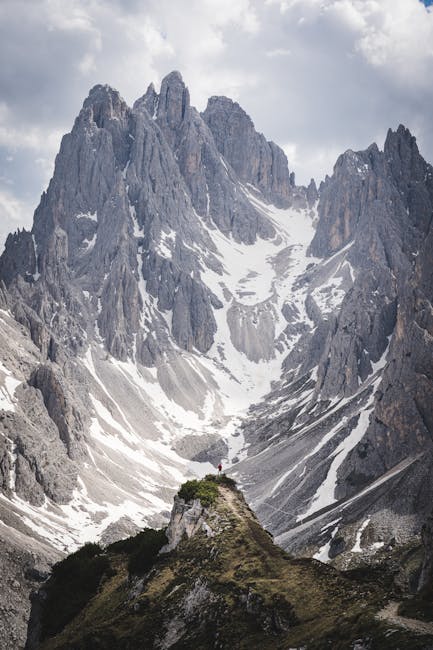
The Dolomites, a UNESCO World Heritage Site, are one of Europe’s most thrilling playgrounds for cyclists. Between pale pink limestone walls, deep valleys and ribbon-like roads carved into the rock, the mountains of Trentino-Alto Adige and Veneto host legendary passes where effort turns into jaw-dropping views. Whether you’re a leisure cyclist chasing epic panoramas, a road racer hunting challenges, or a gravel rider looking for quieter tracks, the Dolomites’ passes are a must-ride. This guide will walk you through each route: immersive descriptions, exact start points, practical opening times, typical prices and local tips to make the most of every climb.
On two wheels every bend reveals a new scene — jagged spires, alpine meadows, wooden huts and clouds brushing the ridgelines. These passes are more than waypoints; they’re alive with century-old rifugi, cafés where you’ll reward yourself with home-made strudel, and sometimes museums or cable cars that let you extend the discovery even higher. Infrastructure is generally good, but mountain weather changes fast: rain, wind or intense sun require proper preparation. Main roads like the SS48 or SR48 are well maintained but busy in summer; quieter side roads offer solitude but can be more technical.
This article focuses on several iconic Dolomite passes: Passo Pordoi (Sass Pordoi), Passo Sella, Passo Gardena (Grödnerjoch), Passo Giau and the Marmolada massif, with Passo Falzarego nearby. For each pass you’ll find: an immersive description, the exact starting point, prices and opening hours for useful facilities (cable cars, rifugi), practical tips (best direction to climb, times to avoid traffic, recommended gear) and local advice (resupply, accommodation, safety rules). Dolomite passes demand respect and preparation: altitudes often exceed 2,000 metres, there are exposed sections and sometimes steep gradients. But the reward — sculpted limestone panoramas and golden evening light — is worth every pedal stroke.
Before you go, check times and prices which vary by season. Pack a spare inner tube, a repair kit, warm and windproof layers, and plenty of water: some climbs have few refill points. If you’re riding in a group, plan meeting points and share your routes. Finally, respect nature and local rules: no wild camping, speed limits on certain roads and respect for pastoral land. The Dolomite passes are more than a sporting challenge; they’re living places steeped in history and emotion — ready to welcome you.
 Click here to book your transfer from the airport to Cortina d’Ampezzo

Passo Pordoi (Sass Pordoi) — the Dolomites’ viewing balcony
Passo Pordoi (2,239 m) is often called the « balcony » of the Dolomites: from the top you’re treated to a sea of peaks, including the Marmolada massif and the jagged needles of the Sella group. The climb by bike from Arabba or Canazei is tough but immensely rewarding. Arriving at the historic monument area of Passo Pordoi — a large car park and a handful of rifugi — is a highlight for any cyclist. Nearby, the cable car up to the Sass Pordoi terrace (Funivia Pordoi) takes you to 2,950 m with no extra pedalling and offers a bird’s-eye perspective of the Dolomites.
Starting point (Arabba): Piazzale Arabba, 32020 Livinallongo del Col di Lana (BL), Italy. Sass Pordoi cable car address: Funivia Pordoi, Passo Pordoi, 39036 Canazei TN, Italy. Indicative cable car price to Sass Pordoi: around €25 return for an adult (seasonal rates: higher in peak season). Cable car hours (typical summer season): 8:30 – 17:00, with extended hours in July/August; check the official site before you go. The road to Passo Pordoi is open 24/7, but facilities (cafés, rifugi) have set opening times.
Rifugio Maria (one example of a roadside rifugio): Rifugio Salvatore Fedele (Rifugio Pordoi) – Address: Passo Pordoi, 39036 Canazei TN, Italy. Opening hours: typically 8:00 – 20:00 in high season. Meals: hot dishes from €12, breakfast €6–€10. Services: drinks, snacks, toilets, panoramic terrace. The climb includes stretches of 8–10% ; it’s best to start early (between 6am and 8am) to avoid tourist cars and buses.
Practical tips: use low gears for the ascent from Arabba (about 9–11 km depending on your side). Bring a windproof and a warm jacket: the summit can be cold and windy even in summer. For photographers, the golden hour (sunrise or sunset) brings out the limestone layers; however roads are very busy at those times — opt for weekdays if you want more peace. If you ride the cable car to Sass Pordoi, bring closed shoes even for a short walk on the summit terrace.
Click here to book the Grand Dolomites circuit at Passo Pordoi

Passo Sella — the icon of the Sella Ronda
Passo Sella (2,244 m), at the heart of the famous Sella Ronda circuit, is one of the most photographed passes in the Dolomites. Sitting between the provinces of Trento, Bolzano and Belluno, it links Val di Fassa with Val Gardena. The profile is varied: long rolling ramps, short sharp re-accelerations and sweeping views of the vertical faces of the Sella massif. Riding the Sella Ronda (80–100 km depending on the route) is a full experience: four passes, tunnels and picturesque alpine villages like Canazei, Selva di Val Gardena and Arabba.
Passo Sella location: Passo Sella (SS242), 39048 Selva di Val Gardena (BZ), Italy. Main car park: Piazzale Passo Sella, 39048 Selva di Val Gardena (BZ). Resupply point: Rifugio Salei (located on the south side) – Address: Val Gardena, Passo Sella, 39048 Selva di Val Gardena (BZ), Italy. Rifugio opening hours: generally 9:00 – 19:00 in summer. Hot meal prices: €10–€18.
The Sella Ronda can be ridden both ways (clockwise — « orange », or counter-clockwise — « verde »). For cyclists, the recommended direction depends on traffic and fitness: the counter-clockwise route usually offers smoother descents, while the clockwise direction tends to feature slightly steadier climbs. Signage for the Sella Ronda is clear, but expect cyclists of all levels and many motorcyclists in high season. The circuit’s tunnels can be dark and damp: strong front and rear lights are highly recommended.
Practical tips: start early (6am–7am) to avoid crowds and heat, pack energy bars and water: rifugi breaks often feature local products (speck, cheese, goulash). For accommodation, favour Selva di Val Gardena (Selva) or Canazei, which both offer bike repair shops and transfer services. In fog or rain, slow down on descents: the road can get slippery from limestone residues.
Click here to book the Sellaronda half-day tour
Passo Gardena (Grödnerjoch) — between stone and Ladin traditions
Passo Gardena, also known as Grödnerjoch (2,121 m), marks the transition between Val Gardena and Val Badia. It’s a pass rich in Ladin history and culture, with villages where the language and local traditions remain strong. The climb from Selva di Val Gardena is short but steep; from Corvara to the east, the ascent stretches out and demands a steady pace. Alpine meadows and dolomite cliffs provide constant opportunities to stop for photos or to simply breathe in the mountain air.
Address: Passo Gardena, Strada Statale 243 (SS243), 39047 La Val (BZ), Italy. Parking and services: Hotel Passo Gardena – Address: Passo Gardena, 39047 La Val (BZ), Italy. Hotel/rifugio reception hours: generally 7:00 – 22:00. Typical meal prices in rifugi: €12–€20. There are also small groceries and bakeries in nearby villages (e.g. Bäckerei Brach in Selva di Val Gardena – address: Via Plan de Gralba 10, 39048 Selva di Val Gardena).
The cultural side of Passo Gardena makes it unique: you’ll still hear Ladin spoken on café terraces. Restaurants serve specialties like turtres (local pancake) and dishes based on polenta and alpine cheeses. For cyclists it’s a great chance to combine effort with immersion in a preserved mountain culture. Views of the Sassolungo and the Sella needles are especially photogenic at sunrise and sunset.
Practical tips: check for road closures due to cycling events or local races (especially in summer). Descents can be technical in places: ensure your brakes are well bedded-in and watch for gravel. If you need repairs, several bike workshops are in Selva di Val Gardena (for example Bicycle Station Selva – Via Plan, 39048 Selva di Val Gardena). For a hearty post-ride treat, stop at Rifugio Jimmy (near Passo Gardena) — generous portions and comforting coffee.
Passo Giau — one of the wildest and most photographed
Passo Giau (2,236 m) is famous for its spectacular views and the winding road cut into steep slopes. Located between Cortina d’Ampezzo and Colle Santa Lucia, it’s often featured in Giro d’Italia stages and in countless mountain photo collections. The ascent from Colle Santa Lucia is demanding, with steep sections and a road that snakes above cliffs; but reaching the high plateau rewards you with a 360° panorama of the Tofane, Cristallo and Antelao.
Starting point: Passo Giau, SP638, 32020 Colle Santa Lucia (BL), Italy. Parking and services: Rifugio Passo Giau – Address: Passo Giau, 32020 Colle Santa Lucia (BL), Italy. Rifugio hours: typically 8:00 – 18:00 (high season). Meals: €12–€18 for a hot dish. The rifugio also offers simple accommodation (dorm beds) with variable rates, around €30–€60 per night depending on season and services.
The route alternates efforts: sweeping moderate-gradient stretches followed by even steeper ramps. The final kilometres before the pass often bring a cool alpine breeze and dramatic skies — low clouds and contrasty light on the faces. For photographers the road is ideal at sunrise, when side light sculpts the rock layers. The area around Passo Giau is known for alpine pastures and herds that sometimes occupy the road: slow down and respect the livestock.
Practical tips: descents towards Cortina include fast corners with limited visibility; ride a cautious line and signal your intentions. Watch out for material trucks and agricultural vehicles, especially early in the morning. If you need parts or repairs, nearby Cortina d’Ampezzo (Corso Italia 1, 32043 Cortina d’Ampezzo BL) has several specialist workshops and spare part shops.
Click here to book the spectacular Passo Giau loop

Marmolada and Passo Falzarego — glacier, history and mythical climbs
The Marmolada, nicknamed the « Queen of the Dolomites », is the highest massif in the range, topping out at 3,343 m. By bike, the area around Marmolada and Passo Falzarego combines intense climbs, cable cars and historical sites tied to World War I. The cable car from Malga Ciapela up to Punta Rocca reaches the glacier tongue and the Museo della Grande Guerra (Great War Museum) on the mountain.
Marmolada / Malga Ciapela cable car address: Funivia Marmolada – Indirizzo: Località Malga Ciapela, 32020 Rocca Pietore (BL), Italy. Cable car hours (summer season): generally 8:30 – 17:00. Indicative prices: €35–€45 return for an adult, museum entry sometimes included depending on the ticket. Museo della Grande Guerra (Marmolada) Address: Punta Rocca, 32020 Rocca Pietore (BL), Italy. Museum hours: variable, often 9:00 – 16:30 in summer. Museum entry: €8–€12.
Passo Falzarego (2,105 m) sits not far from Cortina d’Ampezzo and is a gateway to historic valleys and Great War trails. The climb by bike from Agordo or Cortina includes sustained gradients and tunnels carved into rock. At Falzarego you’ll find the cable car up to Lagazuoi, a major viewing point and historic site with reconstructed trenches and galleries.
Passo Falzarego / Lagazuoi cable car address: Funivia Passo Falzarego – Indirizzo: Passo Falzarego, 32043 Cortina d’Ampezzo (BL), Italy. Hours: often 9:00 – 17:00. Indicative Lagazuoi cable car price: around €25 return. The museum and historical trails have separate fees or are included in combined tickets.
Practical tips: Marmolada and Lagazuoi are places full of history but also high exposure: pack strong sun protection because rock and lingering snow reflect a lot of sunlight. Roads to the cable cars get very busy with tourist cars in summer; choose an early start. For a full stay, book a night in Malga Ciapela (e.g. Hotel Villa Gemmy, Via Ombretta 1, 32020 Malga Ciapela) or in Cortina d’Ampezzo (Corso Italia 67, 32043 Cortina) to take advantage of services and bike workshops.
Click here to book the guided Lagazuoi hike

General practical tips for riding Dolomite passes
Gear prep: carry two spare inner tubes, a multi-tool, a pump and a puncture repair kit. Long descents can overheat brakes; check pads and rotors before each climb. An offline GPS or mapping app (Komoot, Strava, Maps.me) is useful: some stretches cross areas with limited signal.
Best time to ride: high season runs from June to September; to avoid crowds aim for late May or early October, but always check the weather. Recommended start times: between 6am and 8am to enjoy quieter roads and softer light. If conditions deteriorate, lower your ambitions: mountain visibility can drop fast.
Safety and local respect: obey speed limits and road signs; alpine roads can be narrow. Be courteous with cars and buses: signal when you’re overtaking. Carry euros in cash: some rifugi and small shops don’t always take cards. Don’t feed livestock or leave rubbish behind; the Dolomites are protected areas and preserving them matters.
Conclusion
The Dolomite passes combine sporting challenge, cultural immersion and natural spectacle like nowhere else. From Passo Pordoi’s aerial balcony to Passo Sella and the classic Sella Ronda, from the Ladin character of Passo Gardena to the wildness of Passo Giau and the glacial majesty of Marmolada and Passo Falzarego, every climb tells its own story. These roads invite exploration: family-run rifugi, regional specialties, historic relics and dramatic panoramas. Riding here is more than ups and downs; it’s experiencing each pass as a chapter in an alpine story shaped by stone, light and wind.
Before setting out, plan carefully: check cable car and rifugio hours and prices, tailor your route to your fitness and the weather, and respect local communities and environmental rules. The Dolomites offer experiences for every level — from single-day outings to mythic loops — but they require preparation and humility in the face of the mountains. And don’t forget to savor the pauses: a coffee on a terrace, a slice of speck, a chat with a rifugio host, and of course those quiet moments when the panorama unfolds. Those memories will last longer than any elevation number.
Safe riding, take care, and enjoy every pass — the Dolomites have a way of turning every pedal stroke into an unforgettable memory.