





Introduction: why nutrition makes all the difference in the mountains
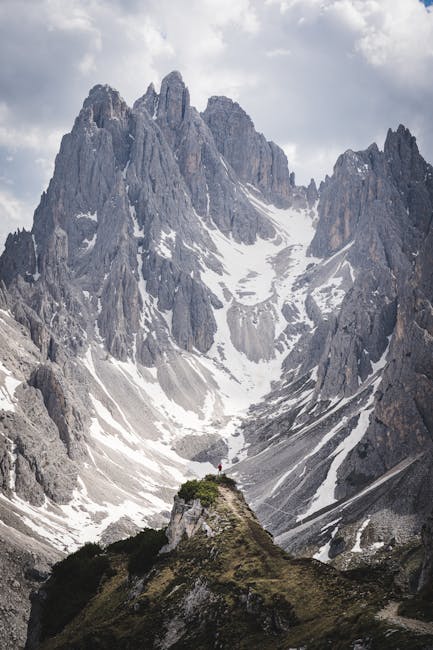
The Dolomites, with their striated limestone faces, emerald alpine meadows and high-elevation mountain huts, draw hikers, ultra-runners and cyclists from around the world. Whether you’re out for a day around the Tre Cime di Lavaredo, crossing the Marmolada, or doing a long outing in the Val di Fassa, exertion at altitude requires tailored nutritional planning. Sun heat, cold high-altitude winds, technical trails and steep elevation changes turn a simple snack into a matter of comfort, performance and sometimes safety.
Understanding your energy needs in the mountains isn’t just for athletes: it’s a core skill for any hiker who wants to enjoy the scenery instead of fighting fatigue, cold or digestive upset. The UNESCO-listed Dolomites offer iconic routes like the Tre Cime di Lavaredo (Parco Naturale Tre Cime), Lagazuoi with its WWI tunnels, the Marmolada glacier (Funivia Marmolada – Malga Ciapela) and Lago di Braies (Pragser Wildsee). Each route has its constraints — scarce water points, widely spaced rifugi, changeable weather — that dictate precise food choices.
Before you head out it’s crucial to set a simple plan: regular fluid intake, compact high-energy reserves, easily digestible foods, and kit to warm or preserve certain items if needed. Rifugi such as Rifugio Auronzo (Strada Statale 48, 39030 Auronzo di Cadore BL, Italy) or Rifugio Lagazuoi (Passo Falzarego, 32020 Colle Santa Lucia BL, Italy) often serve hot meals, but opening hours, availability and prices vary by season; it’s best to check ahead what you can find.
This article aims to give you a straightforward nutrition roadmap for long days in the Dolomites: tips before you leave, on-trail strategies, what to expect at mountain huts, and recovery advice. You’ll find sample menus, quantities to carry, local options (cheeses, alpine cured meats, polenta, homemade cakes), indicative rifugio prices and useful addresses. There are also practical tips for storing food, avoiding digestive issues, and adapting nutrition for very long efforts or high altitude. The goal: plan your outings with confidence and savor every moment — from climbing a pass to pausing beside a turquoise lake.
 Click here to explore Tre Cime refuges with a guide
Click here to book a guided hike to Lagazuoi

Before you go: food prep and logistics
Preparation starts several days before your outing. In the mountains, the golden rule is prevention: avoid heavy, fatty or very spicy foods in the 48 hours before a long day. Favor a progressive carbohydrate load (wholegrain pasta, rice, potatoes) rather than one-off excesses. A good breakfast on the day includes oats, honey, banana and a bit of yogurt — sustained carbs, some protein and minerals.
Practical pre-departure checklist:
- Hydration: plan at least 1.5–2 liters of water per person for a moderate day, and 2.5–4 liters for a long or high-altitude outing. Potable water points are sometimes rare on certain routes (e.g. cols and ridges); check local maps or the tourist office.
- Energy reserves: energy bars, gels, dried fruit (dried apricots, raisins), nuts and a sweet-salty trail mix. Allow ~300–600 kcal extra for every 1000 m of elevation gain on a very active day.
- Solid meal: country-style sandwiches with local cheese (Asiago, Montasio), cured ham or bresaola; vegetarian alternatives: chickpea spread or nut butter.
- Electrolytes: tablets or powdered drink mixes to replace sodium, potassium and magnesium lost through sweat.
- Gear: small gas stove (for camping or long breaks), insulated pouch, zip-lock bags for organization, folding spoon.
Useful local addresses for supplies and info:
- Ufficio Informazioni Turistiche Cortina, Corso Italia 96, 32043 Cortina d’Ampezzo BL, Italy. Opening hours: 08:30–12:30 and 14:30–18:30 (seasonal). Closed Sundays off-season. Services: maps, rifugio and water point information.
- Ufficio Turistico Alta Badia, Piazza S. Croce 1, 39036 Corvara in Badia (BZ), Italy. Hours: 09:00–12:30 and 15:00–18:00. Advice on routes and local resupply.
Indicative prices to know (season 2024–2025, approximate):
- Simple meal in a rifugio (soup + main + drink): around €15–€25.
- Prepared sandwich at a local bakery: €4–€8.
- Commercial energy bar: €2–€4 each.
- Electric boat rental on Lago di Braies (Pragser Wildsee): €20–€30 / 30–60 minutes.
Click here to book your bus transfer to Cortina

On the trail: minute-by-minute feeding strategy
On the trail, consistency wins. The Dolomites present irregular effort profiles: steep climbs, airy sections, and flat recovery stretches. Use a split-feeding strategy: small intakes every 30–45 minutes rather than one large meal every two hours. That stabilizes blood sugar, avoids post-meal drowsiness and keeps your heart rate more manageable.
Sample energy plan for an 8–12 hour day:
- At the start: 150–300 kcal (bowl of oats or cereal bar + fruit).
- Every 30–45 minutes: 50–80 kcal (a few bites of a bar, dried fruit, a slice of bread with honey).
- Mid-route (30–60 minute break): 400–600 kcal (a full sandwich, cheese, cured meat, and a warm sugary drink if possible).
- End of day: recovery drink + a protein-rich snack (around 30 g protein) to support muscle rebuilding.
Concrete examples of good on-trail foods:
- Banana: potassium, quick carbs, easy to digest.
- Date paste or apricot paste: very calorie-dense and compact.
- Nuts and almonds: fats and protein for sustained energy, but combine with carbs to avoid feeling heavy.
- Hard cheeses (Asiago, Spressa delle Giudicarie): energy and salt, keep well in a backpack for several hours in cool conditions.
- Isotonic drinks: powdered mixes to replace electrolytes and keep flavor when water tastes bland.
Technical tips:
- Avoid very fatty meals at the start: they slow digestion and raise the risk of cramps.
- If you’re prone to nausea at altitude or during intense effort, favor carbohydrate gels and clear drinks rather than solid meals for the first hours.
- Protect sensitive foods (melting chocolate, yogurt) with an insulated pouch; conversely, above 2,000 m in cool conditions, cheeses and cured meats often keep better without extreme insulation.
Mountain huts and resupply: where to eat in the Dolomites
The rifugi are an alpine institution: warm welcomes, local dishes and a much-appreciated energy top-up after a pass. Knowing main huts, addresses and opening hours lets you plan stops without surprises. Here are some must-visit rifugi and practical info:
- Rifugio Auronzo — Strada Statale 48, 39030 Auronzo di Cadore BL, Italy. Opening hours: usually 08:00–18:00 in season (May–October), closed or limited service off-season. Prices: coffee €2–€3, hot meals €12–€20, dorm bed €30–€45 depending on season. Stunning views over the Tre Cime di Lavaredo.
- Rifugio Lagazuoi — Passo Falzarego, 32020 Colle Santa Lucia BL, Italy. Hours: 09:00–17:00 in season. Prices: cable car + hut (if used): Passo Falzarego to Lagazuoi cable car approx. €25–€35 round-trip; meals €15–€25. Recommended for sunset dinners.
- Funivia Marmolada (cable car) — Malga Ciapela, 32020 Rocca Pietore BL, Italy (Funivia Marmolada). Hours: 08:30–16:30 seasonally; last departures vary. Approx. price: €30–€40 round-trip to Punta Rocca. On-site: a small café and souvenir shop; expect higher prices at altitude.
- Lago di Braies (Pragser Wildsee) — Strada Lago di Braies, 39030 Braies (BZ), Italy. The lake is accessible 24/7 but ticketing/parking and boat rental have set hours (parking usually paid 07:00–21:00). Boat rental: €20–€30 / 30–60 minutes. Avoid crowds early morning or late afternoon off-season.
Practical tips for staying at rifugi:
- Book in high season (July–August): some huts fill up weeks in advance.
- Ask about meal service times for breakfast and lunch: some huts serve a single hot lunch, others offer snacks continuously.
- Respect local customs: huts usually provide blankets, but it’s polite to bring a lightweight summer sleeping bag liner. For cooking, always ask before using a shared stove.
- Local prices: a plate of polenta with ragù in a rifugio often costs €12–€18; an espresso €1.20–€2.50 — but expect higher prices at popular spots like the Tre Cime viewpoint.
Sample menus for long outings and recipe tips
Here are sample menus by outing length: 6–8 hour day, long day 10–12 hours, and ultra-long >12 hours or multi-stage. Portions are planned for an average hiker (70–80 kg); adjust for your metabolism, cold and elevation gain.
6–8 hour day
- Breakfast (1–2 hours before departure): bowl of oats (60 g) with milk or plant-based drink, 1 spoon of honey, 1 banana and coffee/tea.
- Snacks every 45 minutes: 2–3 dried apricots or 20 g trail mix (dried fruits/nuts).
- Lunch break (30–45 minutes): country bread sandwich (120–150 g) + 80 g Asiago cheese + raw veg (tomato, cucumber); 1 drinkable yogurt or protein bar.
- Hydration: 1.5–2 liters water + 1 electrolyte sachet if sweating heavily.
10–12 hour outing
- Breakfast: reinforced porridge (80 g oats), fruit compote, 1 hard-boiled egg, 1 fruit.
- Snacks every 30–45 minutes: small portions of date paste, 1 energy bar every 2 hours, pieces of cheese and bresaola.
- Long lunch (45–60 minutes): cold couscous or wholegrain pasta salad (200–250 g cooked) with olive oil, roasted veg, shredded chicken or chickpeas (protein source); 1 sweet fruit.
- Post-effort care: recovery drink (30–40 g carbs + 15–25 g protein) within an hour after finishing.
Ultra-long (>12 hours) or multi-stage
- Strategy: split energy intake, increase salty foods to replace electrolytes, plan rifugio resupply (overnight in a hut or shuttle service).
- Food: very small, high-calorie portions (gels, dense bars, fruit pastes), hot meals in huts as soon as possible, and an evening protein-rich meal (soup + legume- or lean-meat-based main).
- Example: hot tea + salty broth for an early start, regular intake of 200–300 kcal/h during intense phases, and calmer recovery periods with solid meals.
Practical recipe to take on the trail: « Polenta cake energy bar »
- Ingredients: 150 g pre-cooked polenta, 100 g honey, 50 g chopped almonds, 50 g dried apricots, 30 g sunflower seeds.
- Preparation: mix and press into a tray, let cool then cut into bars. Benefit: dense in carbs, sturdy, keeps for several days unrefrigerated.

Local specialties: what to taste and smart buys on site
The Dolomites offer local products ideal for hiking: pressed cheeses, alpine cured meats, homemade cakes and rustic breads. Here are specialties to favor and where to find them.
- Asiago and Montasio — typical cheeses found in huts and markets. Recommended shop: Caseificio Sociale Fassa (local sales point varies by village). Price guide: €8–€18/kg depending on maturity.
- Bresaola della Valtellina — lean dried beef, an excellent salty protein source for hiking. Available at local butchers in Cortina d’Ampezzo (e.g. Bottega Alimentare Corso Italia). Price: €18–€30/kg.
- Apple cake in mountain cafés: portion €3–€6, often homemade in the rifugi.
Useful markets and shops:
- Coop Supermarket Cortina, Via Cesare Battisti 57, 32043 Cortina d’Ampezzo BL. Opening hours: 08:00–20:00 (seasonal). Good for bread, water and energy bars.
- Alimentari Lavina, Via Dolomiti 12, 39036 Corvara in Badia (BZ). Hours: 08:00–19:00. Local cured meats and cheeses.
Local tip: buy fresh products in the morning. At rifugi, ask for a « packed lunch » if you leave early; prices range €8–€15 depending on contents. In villages (Cortina d’Ampezzo, Corvara, San Cassiano), look for small artisanal bakeries for dense bread that holds up well on hikes.

Food safety, hygiene and emergency nutrition
Food safety in the mountains is straightforward but vital: wash your hands, protect food from insects and rodents, and avoid unpasteurized dairy if you’re sensitive. At altitude digestion can be more fragile: prefer cooked and dry preparations rather than greasy or heavy dishes.
Emergency nutrition measures:
- For hypoglycemia (weakness, shaking): fast sugar immediately (a piece of chocolate, gel, sugary drink), then follow with a more complete snack within 15–20 minutes.
- For muscle cramps: stop, hydrate with an electrolyte-rich drink, eat a small salty snack and a potassium source (banana, enriched drink).
- For nausea: clear fluids, candied ginger or ginger lozenges, avoid fats and dairy until the stomach settles.
Hygiene and safety kit to bring:
- First aid kit with oral rehydration salts, anti-nausea meds if prescribed, and bandages.
- Small thermos for hot drinks that help if you get chilled suddenly.
- Trash bags: pack out all your waste — huts may struggle with collections during peak season.
Iconic routes and route-specific nutrition tips
Here are popular routes and tailored nutrition recommendations:
- Tre Cime di Lavaredo (Tre Cime loop) — start at Rifugio Auronzo (Strada Statale 48, 39030 Auronzo di Cadore BL). Route: 10–12 km loop, 400–600 m ascent. Recommendation: 1.5 L of water, sandwich + bars, stop at Rifugio Auronzo. Rifugio hours: ~08:00–18:00 (seasonal). Parking at Auronzo: approx. €6–€10 per day depending on period.
- Lagazuoi and Averau — access via Passo Falzarego. Steep descents and war tunnels demand attention; bring a salty snack and a hot drink for breaks. Lagazuoi cable car: ~€25–€35 round-trip (seasonal).
- Marmolada glacier traverse — start/finish via Malga Ciapela (Funivia Marmolada). Cold conditions can increase calorie needs; plan an extra 300–500 kcal and warm drinks. Marmolada cable car: Funivia Marmolada, Malga Ciapela, 32020 Rocca Pietore BL. Hours vary (commonly 08:30–16:30); price ~€30–€40 round-trip.
- Lago di Braies (Pragser Wildsee) — an easy walk around the lake, ideal for a recovery day. Address: Strada Lago di Braies, 39030 Braies (BZ). Paid parking and boat rental: €20–€30/30–60 min. Favor a light picnic with local products bought in the village.
Conclusion: eat right to better enjoy the Dolomites
Nutrition for long days in the Dolomites is part science, part art: anticipate the effort, listen to your body and use local riches without being caught off guard by weather or trail isolation. By following a simple strategy — regular hydration, split snacks, planned solid meals and using rifugi when needed — you’ll turn demanding hours into memorable, comfortable experiences.
Key takeaways: prepare before the outing (progressive carb-loading and suitable gear), split your intake while moving (small, frequent bites), always carry compact energy sources (dried fruit, fruit pastes, bars) and electrolytes, and use rifugi as strategic spots to eat hot, recharge devices or sleep. Iconic huts like Rifugio Auronzo (Strada Statale 48, 39030 Auronzo di Cadore BL), Rifugio Lagazuoi (Passo Falzarego, 32020 Colle Santa Lucia BL) and Funivia Marmolada (Malga Ciapela, 32020 Rocca Pietore BL) offer more than a meal: a cultural and human stop amid spectacular scenery.
Finally, never forget the local and social side: taste regional products — Asiago or Montasio cheese, bresaola, homemade cakes — but adapt them to your digestive tolerance and the length of your effort. Above all, respect the environment: take your rubbish with you, prefer recyclable packaging and support local economies by buying from village shops and markets (Cortina d’Ampezzo, Corvara in Badia, Braies).
Happy outings — whether you’re a contemplative hiker, a performance-focused trail runner or a mountain cyclist, the right nutrition will get you to the ridges, help you admire turquoise lakes in morning light, and let you enjoy every rifugio as a well-earned reward.

