





INTRODUCTION
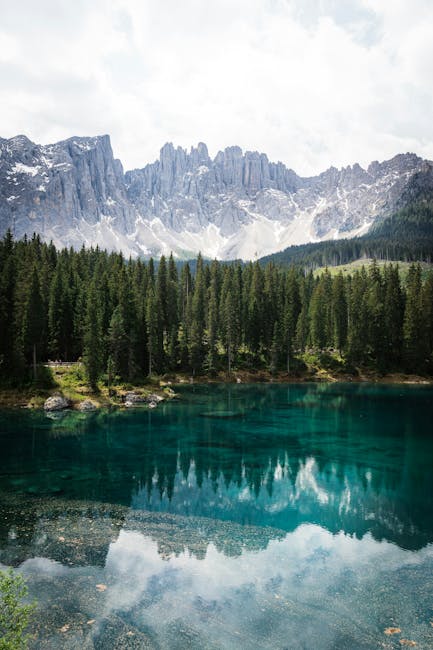
The Dolomites, a UNESCO World Heritage site since 2009, rise like stone cathedrals in northeastern Italy. Their jagged silhouettes, pink-hued limestone faces at sunrise and sunset, alpine meadows and crystalline lakes are among the most spectacular views you can reach on foot. Whether you’re a seasoned hiker, a photographer chasing the perfect light, or someone who simply wants fresh air and grand scenery, the Dolomites offer walks and routes that turn every step into a moment of wonder.
In this guide I map out the most stunning viewpoints you can access on foot, with practical details: exact start locations, opening times, typical costs, immersive route and mountain hut descriptions, plus local tips to get the most from each spot. We’ll cover iconic highlights—like the Tre Cime di Lavaredo, Lago di Braies, and Seceda—as well as lesser-known overlooks that are just as dramatic. The goal is to help you plan with confidence: when to go to avoid crowds, what gear to bring, where to sleep, and how to capture the best light.
Hikes in the Dolomites range from short, easy walks (around a lake or across a plateau) to more demanding efforts (ridges, via ferrata, rocky passages). Each trail has its own character: some deliver panoramic views right from the parking lot or cable car, others reward a harder climb with breathtaking panoramas. I’ll also include options for combining walking with lifts—very useful to gain elevation without excessive fatigue—and practical info such as cable car schedules, parking and refuge costs, and the best seasons to visit.
Beyond the visual spectacle, I’ll share local advice: how to read alpine weather, the best type of footwear, how to respect the environment (stick to marked paths, support refuges, protect alpine meadows), and simple ways to travel responsibly. Despite their rugged appearance, the Dolomites are a living landscape—pastures, farms, mountain huts and villages welcome visitors and hikers. Respecting local rules and supporting the mountain economy (refuges, local guides) will enrich your trip and help preserve these unique places.
Get your hiking boots, camera and a healthy dose of curiosity ready: follow me through the Dolomites’ must-see viewpoints on foot, from famous trails to quieter overlooks that are equally stunning. Each section below describes a site in detail, including coordinates, typical prices and hours, and practical tips for a successful visit.
 Click here to book a day trip in the Dolomites

The Tre Cime di Lavaredo: the iconic view from Rifugio Auronzo
The Tre Cime di Lavaredo (Three Peaks of Lavaredo) are probably the most iconic panorama in the Dolomites. Three imposing rock needles—Cima Grande, Cima Ovest and Cima Piccola—rise above an amphitheater of slabs and valleys. The classic starting point is the parking at Rifugio Auronzo, perched on the road that leads to the famous massif. Exact address: Rifugio Auronzo, Località Auronzo, 32041 Auronzo di Cadore BL, Italy. The hut itself sits at 2,333 meters and is the gateway to the walking loop around the Tre Cime.
Hours and prices (indicative): the Rifugio Auronzo car park is paid during the high season; expect roughly €30 per car for the day (rates change year to year). The refuge is usually open from late May to early October, with varying hours; in high season Rifugio Auronzo (which also serves meals) typically opens from 07:00 and closes around 20:00. Road access can be regulated: the SP49 from Misurina / Auronzo is often closed to private cars during busy hours to limit traffic—shuttles may run from Auronzo di Cadore. Always check the latest local information before you go.
Route: the classic loop around the Tre Cime is about 10 km and takes 3 to 4 hours at a relaxed pace, without major technical climbing. The trail is well marked (routes 101/102 depending on the variant) and offers several successive viewpoints. Shorter options include stopping at Rifugio Lavaredo (Rifugio Antonio Locatelli) or climbing up to Forcella Lavaredo for a closer perspective of the north faces. The limestone rocks take on pink and golden tones at sunrise and sunset—magical moments for photographers.
Practical tips: to avoid the crowds, set off very early (departure between 05:30 and 07:00) or late in the afternoon. Bring a windproof jacket and a warm fleece: despite the sun, altitude and wind can make it chilly. Plan on 1.5–2 liters of water per person in summer and energy snacks. Trails may still be snowy in spring—light crampons and poles are recommended out of season.
- Parking address: Rifugio Auronzo, Località Auronzo, 32041 Auronzo di Cadore BL, Italy
- Price: parking around €30/day (high season), shuttles variable
- Hours: refuge open late May–early October (07:00–20:00 in high season)
Click here to discover the Tre Cime refuges with a guide
Click here to join the Tre Cime of Lavaredo tour

Lago di Braies (Pragser Wildsee): dazzling emerald waters
The Lago di Braies, known in German as Pragser Wildsee, is a mountain lake at the foot of the Dolomites that offers a perfect mirror of the cliffs and surrounding woods. Address: Lago di Braies, 39030 Braies (BZ), Alto Adige/Südtirol, Italy. The site is extremely popular, especially at sunrise when the water reflects the Seekofel (Croda del Becco) and the boat rental hut.
Hours and prices (indicative): access to the area is free but parking is regulated. The official car park (Parkplatz Seestraße) is paid: around €6–€15 depending on duration and season, and access may be closed to private cars during peak hours (shuttles run from the village of Dobbiaco/Toblach). Boat rental (small rowboat) costs about €15–€25 for 30–40 minutes depending on the season. The trail circling the lake is roughly 3.5 km and takes 1 to 1.5 hours.
Immersive description: walking around Lago di Braies feels like moving through a gentle harmony of water, wood and rock. Shores alternate between pebble beaches, pines and alpine meadows where grass ripples in the breeze. Morning mist can linger, creating mystical compositions; in the evening the warm light bathes the cliffs. The small wooden pier and nearby alpine chalets make excellent photo subjects.
Practical tips: to enjoy the lake with fewer tourists, arrive before 07:00 in summer or after 18:00 in the evening. Book boat rentals in advance during high season if you want to float in the middle of the lake. Follow the signs: swimming and camping outside authorized areas are prohibited. Bring waterproof footwear if you plan to walk the south shore, which can be muddy after snowmelt.
- Address: Lago di Braies, 39030 Braies (BZ), Alto Adige/Südtirol, Italy
- Price: parking €6–€15 (variable), boat €15–€25/30–40 min
- Hours: site accessible year-round, services (boat rental) vary by season
Click here to practice yoga and hiking at Lago di Braies
Seceda and Val Gardena: airy ridges and high alpine pastures
Seceda is one of Val Gardena’s standout peaks, offering a broad grassy ridge with dizzying views of the Odle/Geisler peaks. The typical start is from Ortisei (St. Ulrich), with an ascent by cable car to Seceda or, for the more adventurous, a hike from the pass. Cable car start address: Cable car St. Ulrich to Seceda, Seceda Cableway, Piazza San Antonio 8, 39046 Ortisei (BZ), Italy. The Seceda lift gains about 1,000 meters in elevation quickly, opening up wide panoramas of rocky spires and flowered alpine meadows.
Hours and prices (indicative): the Ortisei–Seceda cable car generally runs from late May to October, and in winter according to ski lift schedules. Round-trip fares vary: about €16–€30 per adult depending on season and discounts (the second section of the ride may be priced separately if combined). Services often start around 08:00 and finish around 17:00–18:00 in summer; check the Val Gardena official site for current figures.
Immersive description: from Seceda’s ridge the view opens across a plateau toward the jagged Odle (Puez-Odle) formations, the green valleys of Val Gardena and distant summits. The wide pastures invite leisurely wandering: below are traditional huts, cows grazing freely and well-marked paths. In autumn the grasses turn golden while spring brings colorful alpine flowers to the plateau. Seceda is a prime spot for side lighting photography, and sunset—when the rocks glow purple—is a moment not to miss.
Practical tips: if you hike up from Ortisei, allow 2–3 hours depending on pace; the trail can be steep at times but is well marked. Bring sun protection and poles for long descents. High-altitude mountain huts (for example Rifugio Fermeda) offer good stops for food; check their opening hours. In high season visitor numbers can be high: aim for an early start to enjoy a quieter panorama.
- Cable car address: Piazza San Antonio 8, 39046 Ortisei (BZ), Italy
- Price: cable car around €16–€30 round-trip adult
- Hours: generally 08:00–17:00 in summer (variable)
Click here to book a Seceda and Lago di Carezza day
Alpe di Siusi (Seiser Alm): a sea of meadows beneath towering peaks
Alpe di Siusi, or Seiser Alm in German, is Europe’s largest high alpine meadow and offers gentle, wide panoramas where rolling grasslands meet towering rocky massifs. Main access is from Siusi allo Sciliar (Seis am Schlern) or via the Bolzano–Ortisei cable car. Practical address: Seiser Alm Cable Car, St. Valentin, 39040 Siusi allo Sciliar (BZ), Italy. The plateau is crossed by many easy paths, ideal for families and less experienced hikers.
Hours and prices (indicative): the Seiser Alm cable car provides round trips to the plateau; a round-trip adult fare is roughly €20–€28 depending on season. Walking access is free, but parking in tourist areas may be paid (around €5–€15 depending on duration and season). Mountain huts and Alpine dairies on the plateau serve Tyrolean specialties (canederli, speck, strudel) and are usually open from late May to October.
Immersive description: walking on Alpe di Siusi is like moving through a pastoral landscape that can feel almost hypnotic: green meadows dotted with stone walls, little chapels and wooden huts. Views stretch to the dramatic cliffs of Sasso Lungo (Langkofel) and Sasso Piatto (Plattkofel). You can choose flat loops for family strolls or climbs like Monte Piz or Monte Bullaccia for higher, wilder viewpoints. The contrast between the plateau’s softness and the Dolomites’ vertical walls creates powerful visual compositions, especially in the evening when low light sculpts the terrain.
Practical tips: for photographers, morning and evening light is key. In summer, check local markets and farm opening days to sample fresh produce. Bring comfortable shoes for grassy trails, which can be damp in the early morning. If driving, be aware some parking spaces require booking in high season; using local shuttles is often easier.
- Address: Seiser Alm Cable Car, St. Valentin, 39040 Siusi allo Sciliar (BZ), Italy
- Price: cable car €20–€28 round-trip adult; parking €5–€15
- Hours: plateau services generally late May–October
Click here to book a photo session at Alpe di Siusi

Passo Pordoi and Sass Pordoi: an alpine balcony with a cable car
Passo Pordoi, on the road between Canazei and Val Badia, is a major mountain pass with dramatic views and direct access to the Sass Pordoi viewpoint. Pass address: Passo Pordoi, 38032 Canazei TN, Italy. From the pass, a cable car (Funivia Pordoi) climbs to 2,950 meters to the panoramic terrace of Sass Pordoi, nicknamed the « Balcony of the Dolomites ».
Hours and prices (indicative): the Passo Pordoi–Sass Pordoi cable car operates in summer and winter according to lift schedules. Round-trip adult fares are roughly €30–€40 (depending on discounts and regional passes). Operating hours typically start around 08:30–09:00 and the last descent may be between 16:30 and 17:30 in summer; some summer days extend hours for sunset visits. Parking at the pass is paid (around €5–€20 depending on duration and season).
Immersive description: from the Sass Pordoi terrace the panorama spreads like an amphitheater: ridges and needles of the Dolomites succeed one another into the distance and down into the valleys. On clear days you can spot the Marmolada (the largest glacier in the Dolomites) and other distant ranges. The sense of altitude is heightened by the viewing platform and the trails that wind along the ridge. Numerous hiking routes start from the top station, from short scenic walks to longer treks toward Piz Boè or Rifugio Boè.
Practical tips: the cable car gives access to an extraordinary view with little effort; however sun exposure and wind can be strong—bring sunglasses, sunscreen and a windproof. For a memorable experience aim for sunrise or sunset but check special schedules and cable car availability. Bring water and snacks if you plan to hike from the upper station—mountain huts serve food but prices are higher.
- Address: Passo Pordoi, 38032 Canazei TN, Italy
- Price: Sass Pordoi cable car €30–€40 round-trip adult; parking €5–€20
- Hours: cable car usually 08:30–16:30/17:30 (variable by season)
Click here to join the Great Dolomites and Pordoi circuit

GENERAL PRACTICAL TIPS FOR HIKING IN THE DOLOMITES
Before heading out to seek panoramas, a few essential tips will help you make the most of your mountain days and stay safe. The Dolomites are high country where weather can change quickly: a sunny morning can turn into an afternoon storm, especially in summer. Check local forecasts (MeteoDolomiti, ARPAV) and adapt your route accordingly.
Recommended equipment:
- Footwear: waterproof, ankle-supporting hiking boots for rocky ground and wet trails.
- Clothing: layering system (technical tee, fleece, windproof), hat and light gloves outside the summer months.
- Gear: trekking poles, small first-aid kit, headlamp if you start very early or return late, portable charger for phone and camera.
- Hydration and food: 1.5–2 liters of water minimum per person for a day out, energy snacks (bars, nuts, dried fruit). Mountain huts often serve meals but can be closed in low season.
Respecting the environment: stay on marked trails, don’t pick endemic flowers, keep dogs on a leash in grazing areas and avoid excessive noise. Mountain huts (Rifugi) are often family-run—favoring their services (meals, overnight stays) supports the mountain economy and leads to authentic encounters. If you plan a via ferrata or technical route, hire a certified mountain guide (UIAGM/IFMGA) and rent appropriate gear (harness, lanyard, helmet).
Transport and parking: during high season (July–August) visitor numbers peak. Use official car parks, choose local shuttles or public transport (regional buses that serve the valleys) to reduce environmental impact. Mountain roads (passes) can be narrow and congested; drive carefully and obey signs.
Health and altitude: if you gain altitude quickly, take time to acclimatize—altitude symptoms include headache and breathlessness. Always tell someone your planned route and expected return time, especially if you’re hiking alone.
CONCLUSION
The Dolomites offer a wide variety of walkable panoramas that will satisfy contemplative hikers and adventurous souls alike. From the dramatic ridges of the Tre Cime di Lavaredo to the tranquil mirror of Lago di Braies, the grassy crests of Seceda, the pastoral expanses of Alpe di Siusi and the spectacular balcony of Sass Pordoi, each place has its own magic. The practical details provided—addresses, approximate hours, indicative prices—will help you prepare, but remember to verify up-to-date information before you go: weather, cable car timetables, seasonal refuge closures and local rules can change.
Beyond maps and numbers, let yourself be carried by the sensory experience: the crunch of stones underfoot, the dry, scented air of alpine meadows, the light that turns rock to bronze or pink, and the stories shared in mountain huts. Respect paths and local communities, favor nearby services and adapt routes to your level so each viewpoint remains a safe, lasting pleasure.
Finally, photographers and landscape lovers—anticipate key moments: sunrise and sunset, golden and blue hours—and be ready to rise early or linger on the heights to capture these fleeting instants. The Dolomites reward those who take their time: even a short, unexpected detour can reveal a hidden overlook, a welcoming refuge or a unique vantage point. Happy hiking, and may your steps lead you to memorable panoramas in these extraordinary mountains.