





Introduction
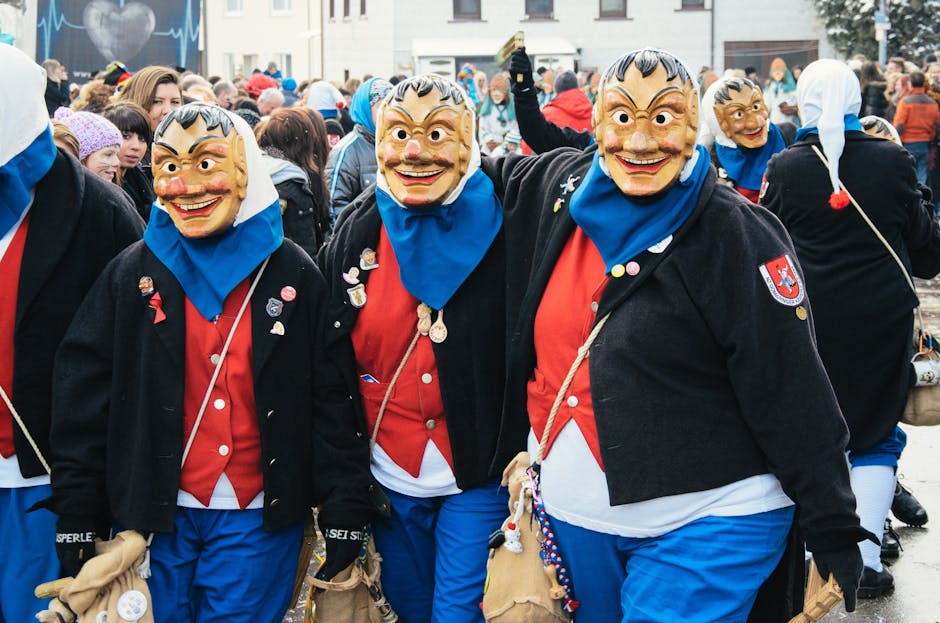
The Dolomites — those fragile-edged limestone peaks that shift colour with the light — are about more than spectacular views and hiking trails. In the small villages tucked between valleys and alpine meadows, local life bursts into color through festivals and celebrations. Whether it’s centuries-old religious observances, transhumance festivities, craft markets or culinary events like the törggelen, every gathering offers a window into the cultural identity of Dolomite communities.
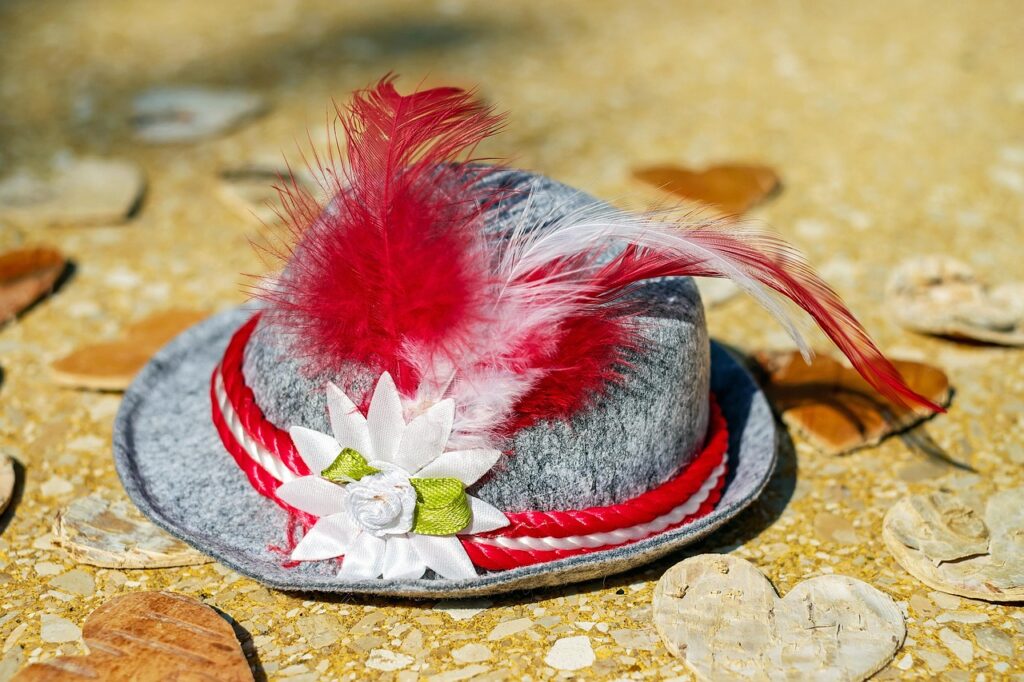
Timing a trip to the Dolomites around a local festival means choosing to live with the place rather than simply look at it. The cobbled lanes of Cortina d’Ampezzo, the squares of Canazei, the Ladin hamlets in Badia and the settlements of Val di Funes pulse to the rhythm of processions, brass bands, traditional dances and stalls overflowing with regional produce. Many of these events follow the agricultural calendar — harvests, the seasonal movement of livestock, harvest festivals, patron saint days and spring renewals — and they showcase crafts passed down through generations: Ladin embroidery, wood decoration, alpine beer-brewing and mountain cheese ageing.
Visiting a village festival in the Dolomites takes a little planning, but the payoff is huge: you’ll be immersed in living traditions, meet artisans and local families, taste authentic food and enjoy a warm, unhurried atmosphere away from the big tourist crowds. In this article we’ll walk through several emblematic villages and their celebrations, give concrete addresses (visitor centres, churches, squares), indicative times, practical prices and hands-on tips to make the most of each event. Whether you’re planning an autumn escape for a traditional törggelen, a visit to a Ladin Christmas market, or a springtime historical procession, you’ll find guidance here to turn your trip into a memorable experience.
Finally, the spirit of the Dolomites includes respecting places and people: arrive on time for events, follow local customs (dress modestly for religious ceremonies, be polite when photographing elders), favour local products and choose gentle transport. Public transport serves villages well in season, but some events require a short hike or a special shuttle. We’ll cover these practicalities in each section, with visit recommendations so your immersion is both respectful and sustainable.

Religious festivals and processions: rites, places and addresses
Religious celebrations in Dolomite villages combine fervour, music and architectural heritage. Many events centre on historic churches that are worth visiting even outside festival days. Attending a solemn mass, a patronal procession or a blessing of alpine pastures gives you a sense of continuity in mountain communities.
A typical example takes place in Cortina d’Ampezzo at the Chiesa Parrocchiale dei Santi Filippo e Giacomo (Parish Church of Saints Philip and James), located at Piazza S. Giacomo, 5, 32043 Cortina d’Ampezzo (BL). Useful point of contact for visitors: Ufficio Informazioni Turistiche di Cortina, Corso Italia, 62, 32043 Cortina d’Ampezzo (BL), usually open from 09:00 to 18:00 in high season. Sunday mass and major ceremonies (Christmas, Easter, the patron saint celebration on May 3) offer authentic choral singing and processions. Most services are free to attend; it’s polite to offer a voluntary contribution if an organist or choir has been specially engaged.
Another landmark is the parish church of Santa Maria Assunta in San Candido / Innichen (Piazza Duomo, 1, 39038 San Candido (BZ)), which sits at the heart of baroque processions and sacred music concerts. Visitor opening hours vary, but the church is generally accessible from 09:00 to 17:00. Concerts held during religious festivals commonly charge between €8 and €20, depending on the programme and the season.
A particular tradition to know is the blessing of the alpine pastures, the « Benediçiun des Mas » in the Ladin and Tyrolean valleys: in June, shepherds bring their herds up to high pastures and priests bless the animals and mountain huts. Ceremonies take place, for example, around Alpe di Siusi / Seiser Alm (Seiser Alm Pass, 39040 Castelrotto / Kastelruth (BZ)), often staged near the Rifugio Zallinger / Zallingerhütte (check with the Seiser Alm Information Centre, Via Plan, 6, 39040 Castelrotto (BZ)). Blessings are free and open to all; bring walking shoes and a jacket, even in summer.
Local practical tips:
- Timing: arrive 15–30 minutes before masses or processions to find a seat and meet parishioners.
- Dress code: wear modest clothing for religious ceremonies (no swimwear or very short garments).
- Photography: ask permission before photographing people, especially elderly residents in traditional dress.
- Transport: some rural processions require a short shuttle ride or a walk; check with local tourist offices (shuttle fares often around €2–€5).
 Click here to book the airport express bus to Cortina
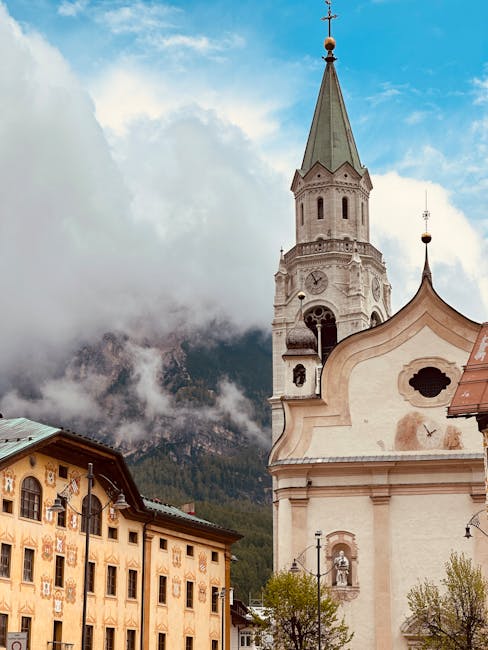
Another landmark is the parish church of Santa Maria Assunta in San Candido / Innichen (Piazza Duomo, 1, 39038 San Candido (BZ)), which sits at the heart of baroque processions and sacred music concerts. Visitor opening hours vary, but the church is generally accessible from 09:00 to 17:00. Concerts held during religious festivals commonly charge between €8 and €20, depending on the programme and the season.
Local practical tips:
- Timing: arrive 15–30 minutes before masses or processions to find a seat and meet parishioners.
- Dress code: wear modest clothing for religious ceremonies (no swimwear or very short garments).
- Photography: ask permission before photographing people, especially elderly residents in traditional dress.
- Transport: some rural processions require a short shuttle ride or a walk; check with local tourist offices (shuttle fares often around €2–€5).
Markets, fairs and local produce: tasting the Dolomites
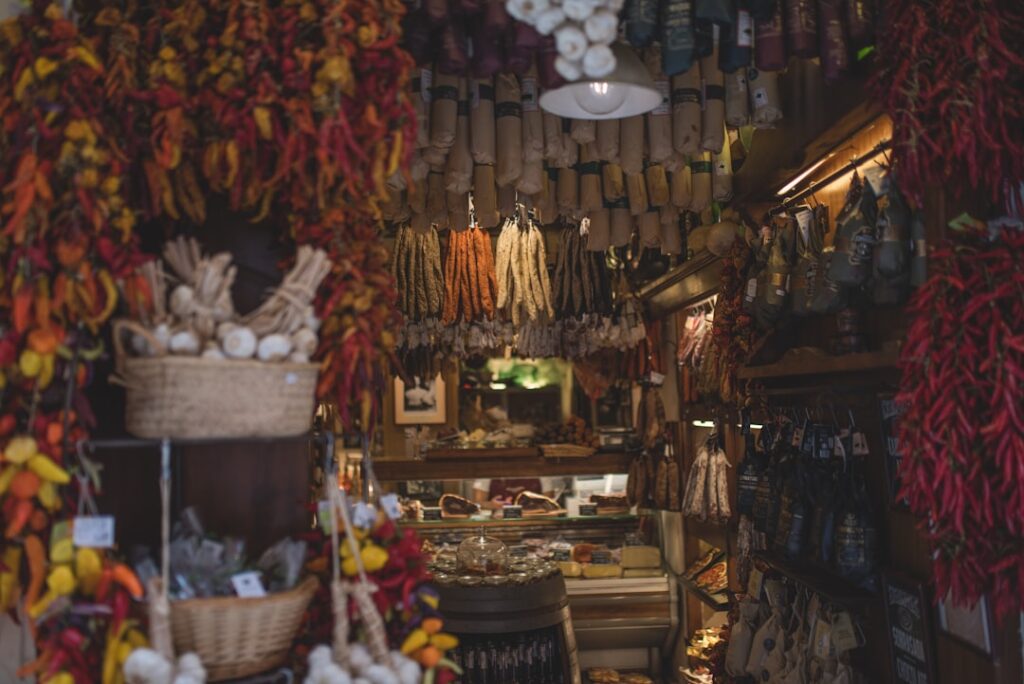
Local markets and fairs are celebrations in their own right: stalls piled with aged cheeses, cured meats, rustic breads, homemade jams, mountain herbs and woodcraft. One of the best-known events is the Mercatino di Natale (Brunico / Bruneck Christmas Market), held on Piazza Municipio, 1, 39031 Brunico (BZ). Typical December opening hours are 10:00–19:00 and admission is free. Here Tyrolean tradition mixes with Ladin and Italian specialties: the smell of bratwurst, mulled wine (Glühwein) and biscuits welcomes you as you enter the square. Tasting prices vary: a cup of mulled wine €3–€5, a portion of canederli or a speck sandwich €5–€8.
In autumn, don’t miss the Törggelen, a South Tyrolean tradition of convivial evenings in village taverns serving the new harvest: roasted chestnuts, maiale arrosto (roast pork) and especially the new grape juice (Törggelewein). Ortisei (Urtijëi) and Val Gardena are great places to enjoy törggelen. A typical venue is Taverna Ourëja, Via Roma 10, 39046 Ortisei (BZ) (autumn hours 17:00–23:00); a full törggelen menu is usually around €22 per person.
Craft markets, like the Fiera di Artigianato in Selva di Val Gardena (Wolkenstein), highlight local woodworking (sculptures and wooden toys), traditional embroidery and folk instruments. Useful contact for visitors: Ufficio Turistico Val Gardena, Via Rezia 3, 39047 Selva di Val Gardena (BZ), usually open 09:00–18:00 in high season. Demonstration workshops are often free or require a small fee (€3–€8) to take part in a short class.
Click here to book a photo session in Val Gardena
Local practical tips:
- Payment: many stalls now accept cards, but bring cash for small vendors (€10–€20 in notes).
- Transport: favour trains or buses to avoid parking congestion during big seasonal markets.
- Responsible buying: prioritise organic, local products; ask about the origin of cheeses and cured meats.
Music festivals and folk shows: dates, venues and tickets
Traditional music and local brass bands are inseparable from village festivities. The Dolomites also host classical and contemporary music festivals, often staged in picturesque chapels and concert halls. The Festival della Musica delle Dolomiti offers concerts across several villages in the region, including Cortina d’Ampezzo, Dobbiaco and Brunico.
A highlight is the Festival di Musica Sacra in Dobbiaco (Toblach), with concerts held at Chiesa Parrocchiale di San Giovanni Battista, Via della Chiesa 2, 39034 Dobbiaco (BZ). Times vary by programme, but evening concerts usually begin between 20:00 and 21:00. Tickets range from €15 to €35 depending on the artist and seating. The fine acoustics of these churches, set against mountain backdrops, make for intimate, memorable evenings.

Folk performances put traditional costumes, dances and Ladin polyphonic choirs centre-stage. In Canazei, on Piazza Marconi, 3, 38032 Canazei (TN), the « Festa della Ladinia » (often held in summer) features parades in costume, weaving demonstrations and children’s workshops. Admission to many folk displays is free, though some paid shows (theatre or specific concerts) charge between €10 and €25.
Local practical tips:
- Tickets: buy in advance for popular concerts (especially in August) either online via tourist offices or at local box offices (booking fees sometimes €2–€4).
- Arrival: get there early if you want a good spot in small churches or village squares.
- Language: presentations may be in Italian, German or Ladin depending on the audience; printed programmes often include English summaries.
Food festivals and village sagre: menus, prices and addresses
The sagre (food festivals) of the Dolomites are celebrations dedicated to a single local product: cheese, polenta, mushrooms, chestnuts or speck. Attending a sagra is not just about tasting dishes but understanding seasons and local know-how. Many villages host an annual sagra that draws both locals and visitors.
A lively example is the Sagra del Formaggio di Fassa in Pozza di Fassa, organised around local farms and cheese production. Village address: Piazza Venezia, 1, 38033 Pozza di Fassa (TN). Cheese tastings usually run from 10:00 to 17:00; a tasting board costs about €8–€15. You’ll also find educational stalls explaining mountain cheese ageing, and guided cellar tours sometimes available for €5–€12.
The Sagra della Castagna (chestnut festival) takes place in autumn across several valleys — for example at Fiera di Primiero, Piazza San Vittore, 1, 38054 Fiera di Primiero (TN). Stalls are open 10:00–22:00 during the main weekend. Roasted chestnuts are traditionally sold by the cup for €3–€6, and full chestnut-based menus (including desserts) run around €18–€25.
Local practical tips:
- Allergies & dietary needs: tell vendors about allergies (nuts, lactose); many stands now offer vegetarian and gluten-free options.
- Portions: servings are generous — share dishes to taste more specialties.
- Bringing things home: buy vacuum-packed goods for travel (aged cheeses, jams) and ask vendors for storage advice.
Click here to book a tour and tasting in Kastelruth

Rural tradition festivals: transhumance, peasant crafts and alpine celebrations
Transhumance — the seasonal moving of flocks and herds — is a ritual that marks mountain life. Villages celebrate the ascent to the pastures (usually late May–June) and the descent (late September–October). These colourful processions, often accompanied by musicians, highlight the bond between communities and their pastoral environment.
In the Fassa Valley, herd movements can be followed near Rifugio Friedrich August (Rifugio F. August), Passo Pordoi, 32020 Arabba (BL) — a regular site for animal blessings. Alpine events sometimes include high-altitude cheese competitions judged by local experts. Access to mountain huts is often via trail or cable car; cable car return fares are roughly €12–€18.

Peasant craft fairs celebrate tools, clothing and skills tied to rural life. In La Villa (Badia), the Fiera de l’Artigianato Rurale takes place on Piazza Runch, 39036 La Villa (BZ), with cheese-wheel workshops, blacksmith demos and educational stalls. Entry is free; paid workshops range from €5 to €15.
Local practical tips:
- Footwear: wear comfortable mountain shoes — some pasture sites are accessible only on foot.
- Preparation: mountain weather changes fast — pack a windproof layer and a refillable water bottle. Huts sell water, hot drinks and simple meals (usually €6–€15).
- Respect: don’t approach animals without permission — shepherds are responsible for herd safety and welfare.
Practical tips for planning visits and enjoying local festivals
Planning a trip around village festivals in the Dolomites comes with a few tricks to get the most out of the experience:
- Check ahead: consult local tourist offices (e.g. Ufficio Turistico Cortina d’Ampezzo, Corso Italia, 62, 32043 Cortina d’Ampezzo (BL), open 09:00–18:00 in high season) for updated calendars. Times and prices can change year to year.
- Logistics: parking is limited during major events — use regional trains and buses. Special shuttles are often arranged for fairs and markets — typical fares €2–€6.
- Accommodation: book early if you want to stay in the heart of a village; B&Bs and mountain huts fill up fast during festivals. Expect double-room rates from €80 to €200 depending on season and comfort level.
- Budget: for a full day (market, meal, shuttle, souvenirs) plan roughly €40–€80 per person depending on choices.
- Language & communication: Ladin, Italian and German are spoken in the valleys — English is common at tourist offices. Learning a few words (hello, thank you) is appreciated.
- Sustainability: favour local products, use refillable bottles and follow any waste-sorting rules in place during events.
In short, village festivals and fairs in the Dolomites offer a sensory immersion — the sound of horns, the scent of bread and cheese, the vivid colours of costumes and genuine human warmth. With a little organisation you can witness moving moments and return with a deeper understanding of mountain traditions.
Conclusion
The local festivals and village celebrations of the Dolomites invite you to discover the soul of these mountains: they reveal living traditions, ancestral practices and a seasonal way of life tied to the land’s resources. Whether you’re attending a religious procession in a parish church like the Chiesa Parrocchiale dei Santi Filippo e Giacomo, Piazza S. Giacomo, 5, 32043 Cortina d’Ampezzo (BL), tasting treats at a Christmas market on Piazza Municipio, 1, 39031 Brunico (BZ), or sharing a törggelen meal in Ortisei, each experience builds a bridge between visitors and locals. The addresses, times and prices provided here are practical guidelines: always check details with local tourist offices before you travel.
The practical tips shared — arrive early, respect dress codes, choose public transport and support local producers — will help you enjoy these events while respecting communities and the mountain environment. The Dolomites are more than a backdrop: they are living places where every festival is an act of cultural transmission. By joining these celebrations with curiosity and humility, you contribute to the survival of a vibrant heritage.
Finally, remember that the best way to enjoy these festivals is to take part with an open heart: ask questions, taste, exchange smiles and take the time to listen to the stories locals love to tell. Return home with images, flavours and, above all, encounters that will make your stay in the Dolomites rich and lasting.