





Introduction
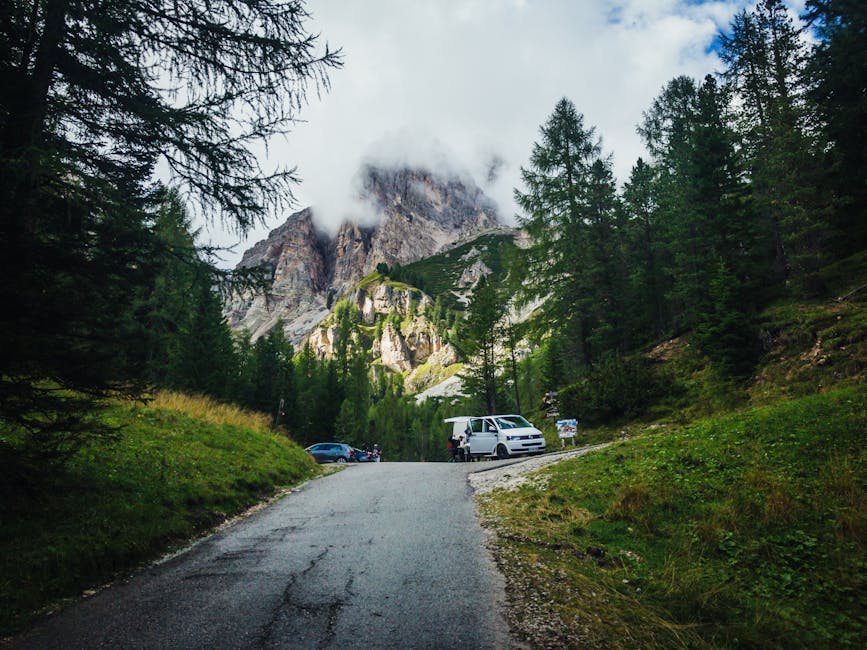
The Dolomites, a UNESCO World Heritage site, are one of Europe’s most dramatic mountain ranges: chalky ridges, verdant alpine meadows, mirror-like lakes and wooden mountain huts snuggled against sheer cliffs. While the classic image of hiking here often involves via ferrata or high passes, there’s also a wealth of easy, accessible trails that let visitors of every fitness level — families with kids, casual walkers and older travelers — experience the gentle, raw beauty of this landscape. This guide offers a practical, immersive look at easy trails in the Dolomites, with concrete details: full place names, exact addresses, prices in euros, opening hours, thorough route descriptions and local tips to make the most of each outing.
We focus on short, well-marked, panoramic routes often linked to historic rifugi, alpine lakes or iconic viewpoints like the Tre Cime di Lavaredo, Lago di Braies (Pragser Wildsee), Seceda and the Alpe di Siusi (Seiser Alm). You’ll find where to park, how to handle cable car tickets, the best times to visit and tips for changeable weather, minimal recommended gear and mountain-safety advice. Each trail includes a sensory description — dawn colors, the scent of dried summer grasses, the crunch of winter snow — plus photography tips and recommendations for tasty breaks at local mountain huts.
The Dolomites also offer a different yet equally accessible winter experience: many easy trails turn into snowy walks or snowshoe routes, and cable cars often stay open to reach magical viewpoints. We include typical cable car hours and usual fares for popular lifts to help with planning.
Finally, this article shares local practical tips — precise parking and rifugio contact points, driving rules on mountain roads, the importance of booking limited seats in some huts during high season, and recommendations for sampling regional specialties (strudel, canederli, speck) after a stroll. Whether you’re planning a two-day visit or a longer stay, these easy trails let you soak up the Dolomites without extreme exertion, capturing the essence of this unique region.
 Click here to book an airport transfer from Venice to Cortina

Tre Cime di Lavaredo: Iconic, Easy Loop from Rifugio Auronzo
The Tre Cime di Lavaredo (Three Peaks of Lavaredo) are among the Dolomites’ most iconic images. For an easy, spectacular introduction, the most accessible loop starts at Rifugio Auronzo. The official starting point is Rifugio Auronzo, located at Strada Statale 48 delle Dolomiti, 1, 39030 Auronzo di Cadore BL, Italy. Parking at Rifugio Auronzo is paid, and the access road from Misurina is a toll road during high season: the toll to reach the military road up to the rifugio parking is roughly €30 per car (seasonal rate, high-season estimate; check ahead). Rifugio Auronzo is typically open from 06:00 to 20:00 in summer, though hours may vary outside peak season.
The circular hike around the Three Peaks (trail No. 101 then No. 105) is about 10 km in total if you include viewpoints detours, but you can easily do a shortened, mostly flat and highly panoramic version taking 2–3 hours by staying on the main family-friendly paths. The trail is well signposted with successive views of the vertical faces of the Tre Cime, the surrounding valleys and historic huts like Rifugio Locatelli – Drei Zinnen Hütte (address: Via Tre Cime, 6, 39034 Sesto BZ, Italy) located about halfway. Rifugio Locatelli serves meals and drinks: a hot plate (for example canederli or polenta) typically costs around €12–18, local beer €4–6. Rifugio Locatelli’s hours: generally 08:00–20:00 in summer.
Why is this walk easy? The terrain is fairly moderate with no mandatory technical sections, and the views make the effort feel effortless. In spring and early summer alpine flower carpets bloom across the meadows; in autumn, warm ochre hues around glacial tarns make the loop especially photogenic. Bring: light hiking shoes, a windbreaker, about 1.5 liters of water per person and energy snacks. If driving from Cortina d’Ampezzo or Dobbiaco, allow 40–60 minutes depending on route; from Cortina follow the SS48 toward Misurina before branching off to Rifugio Auronzo.
Click here to book a Tre Cime di Lavaredo tour

Lago di Braies (Pragser Wildsee): Lakeside Walk and Planetary Path
Lago di Braies, known in German as Pragser Wildsee, is one of Italy’s most photographed alpine lakes. Official address: Lago di Braies, 39030 Braies (Prags) BZ, Italy. The main parking area is the Parcheggio Lago di Braies, located along Provincial Road 49. In high season parking is paid (roughly €6–8 per hour or a daily rate of €25–30, rates vary year to year); it’s strongly recommended to arrive early (before 09:00) to avoid crowds and catch the best light for photos. Access hours: the lake itself is accessible 24/7 but the parking and tourist services typically operate 08:00–18:00 in high season.
The loop around the lake is very easy: about 3.6 km on a level, well-maintained path, doable with a sturdy stroller and taking 45 minutes to 1.5 hours depending on photo stops. The trail offers close views of emerald water, wooden rowboats and limestone cliffs mirrored on the surface. Rifugio Lago di Braies (address: Strada Lago di Braies, 1, 39030 Braies BZ, Italy) sits at the water’s edge serving snacks and simple meals; a typical lunch costs about €10–20. The lake is also the starting point for longer routes into side valleys, but for a relaxed outing the full lake circuit is the best choice.
Local tips:
- Arrive early for perfect reflections and to avoid tourist buses.
- Renting a traditional rowboat (when available) usually costs around €15–20 for 30 minutes, sometimes more in peak season.
- Observe swimming bans (often in place to protect the ecosystem).
- Bring waterproof shoes in spring when snowmelt can make sections muddy.
The charm of Lago di Braies lies in its changing light: golden mornings, dramatic afternoons under stormy skies, or misty dawns that cloak the lake in a mystical atmosphere.
Click here to book a day trip to Lago di Braies
Seceda and Val Gardena: Airy Views via Cable Car
Seceda, in Val Gardena, is famed for its evocative ridge and rolling meadows. The easiest way up is the Funivia Seceda cable car. Base station address: Funivia Seceda, Via de Gasperi 1, 39046 Ortisei (St. Ulrich) BZ, Italy. Typical summer hours: 08:30–17:30 (times may vary by season). Approximate fare: a round-trip ticket costs around €25–30 per adult (2024 indicative price), with reduced rates for children and seniors; buy tickets at the ticket office or online when available.
At the Seceda summit you’ll find several easy, relatively flat trails winding across the Alpe di Siusi (Seiser Alm) to viewpoints like the Seceda cross and meadows where sheep graze in summer. A very accessible path leads to a sweeping viewpoint over Val Gardena and the distinct silhouettes of the Odle/Geisler peaks. These routes suit walkers of all ages: wide tracks, moderate elevation changes and plenty of benches for breaks. The panorama is especially stunning late in the day when a low sun casts a pinkish glow across the rock faces.
Useful services:
- Refugio Ondeziva and Rifugio Fermeda are popular stops for a break (locations: huts and farmstalls along the trails; check exact positions from the cable car departure). Main dishes generally cost €10–20.
- Restrooms and water points are available at upper and lower cable car stations.
- In winter the ski slopes turn these trails into easy snowshoe routes if you rent gear in Ortisei.
Practical tip: book cable car tickets during high season and pack a warm jacket — the summit can be misty and windy even in summer. For photographers, Seceda’s golden hour is magical: the ridge stands out in silhouette against dramatic skies.
Click here to book a photography session in Val Gardena or Alpe di Siusi
Alpe di Siusi (Seiser Alm): Flat Trails on Europe’s Largest Alpine Meadow
The Alpe di Siusi, also called Seiser Alm, is Europe’s largest high-altitude meadow and offers miles of flat, easy trails — perfect for families and leisurely walks. Primary access is from the village of Ortisei via the Seiser Alm Bahn cable car. Departure station address: Seiser Alm Bahn, Via Roncadizza 19, 39046 Ortisei BZ, Italy. Approximate hours: 08:30–17:00 in high season. Fares: round-trip roughly €18–24 per adult (indicative; check seasonal prices). You can also reach Alpe di Siusi from Kastelruth (Castelrotto) by cable car from the Siusi (Seis) station.
Main trails are wide, well maintained and non-technical. The typical walk between Compatsch (Compaccio) and Rifugio Alpe di Siusi crosses flower-filled meadows, small streams and past Alpine cattle. Important addresses:
- Compatsch (Compaccio), Alpe di Siusi — central starting point for many loops.
- Rifugio Alpe di Siusi (address: Alpe di Siusi, 39040 Castelrotto BZ, Italy) — hot dishes €12–18, usually open 09:00–18:00.
The Seiser Alm Panorama Trail is flat and signposted, with interpretive panels about local wildlife, plants and the region’s pastoral history.
Practical tips:
- The terrain is suitable for sturdy city shoes; trekking poles are usually unnecessary.
- For families, many rifugi offer children’s menus and places to rest.
- In summer bring sunscreen and a hat: exposure can be strong on open meadows.
- If you prefer an easier transfer, local shuttle services and drivers serve parking areas and cable car stations.
Alpe di Siusi is especially beautiful in spring when meadows bloom and in autumn when golden tones sweep the landscape.
Click here to book a guided hike in South Tyrol

Cinque Torri and Passo Falzarego: Short Circuits and Great War History
The Cinque Torri area near Passo Falzarego blends striking geology, easy trails and First World War relics. Access address: Passo Falzarego, 32043 Cortina d’Ampezzo BL, Italy; main parking is near Rifugio Scoiattoli and the trailhead up to Cinque Torri (approximate address: Passo Falzarego, 32043 Cortina d’Ampezzo BL). Parking is often paid in summer (about €5–10 per day, season-dependent).
The walk around the Cinque Torri is short (1–2 hours depending on route), very scenic and accessible: rocky but level paths, with steps and boardwalks at some viewpoints. The vertical limestone towers are perfect for photography, especially at sunset. In addition to the scenery, this area includes a network of trenches and galleries tied to the Museo all’aperto delle 5 Torri (open-air Great War museum). Museum reference address: Museo della Grande Guerra, Cortina d’Ampezzo, Strada del Cristo Re, 32043 Cortina d’Ampezzo BL, Italy — outdoor exhibits are free to access; for indoor displays check local museum hours (usually 09:00–17:00, entry fees vary around €5–10).
Useful huts: Rifugio Cinque Torri (Passo Falzarego area, 32043 Cortina d’Ampezzo BL) offers drinks and simple meals (€10–18). Hut hours vary but are often 08:00–18:00 in summer. The Passo Falzarego cable car (Funivia Lagazuoi/Cinque Torri) can ease access to higher viewpoints; the Lagazuoi cable car round-trip ticket is about €20–30.
Practical advice:
- Wear shoes with good grip: some rock sections get slippery after rain.
- Bring a headlamp if you plan to explore historical galleries, and follow safety and conservation rules.
- For families the trail is kid-friendly, but keep a close eye near cliff edges.
The mix of history and scenery makes Cinque Torri unique: you’re literally walking through pieces of the past while admiring dramatic rock formations shaped over millennia.
Click here to book a guided panoramic hike at Cinque Torri

General Practical Tips for Hiking in the Dolomites
Key recommendations to enjoy the Dolomites’ easy trails with peace of mind:
- Best time to visit: late May to early October for optimal conditions. Snow patches can linger at high altitude until July. For lower-altitude trails (Lago di Braies, Alpe di Siusi) the prime season is June–September.
- Minimal gear: light hiking shoes or sturdy trail runners, a windproof/waterproof jacket, hat, sunscreen, sunglasses, 1–2 liters of water depending on duration, energy snacks. Trekking poles can help on rocky descents.
- Transport and parking: many mountain car parks have limited spaces; arrive early or use shuttle buses and cable cars. Check seasonal tolls for road access (e.g. access to Rifugio Auronzo for Tre Cime).
- Weather: mountain weather changes quickly: afternoon storms are common in summer; plan hikes in the morning to reduce risk.
- Safety: stick to marked trails, tell someone your route if hiking alone, and carry an offline GPS map or paper map (mobile coverage can be spotty).
- Respect the environment: don’t pick protected flowers, take your rubbish with you, and respect livestock and pasture areas.
- Local food: stop at rifugi to taste regional dishes: canederli (bread dumplings), polenta, speck, strudel. Expect about €12–22 per person for a meal plus a drink at a mountain hut.
Follow these tips and the Dolomites’ easy trails will reward you with sweeping panoramas, discreet wildlife (marmots, chamois) and the peacefulness of the high country without technical strain. These routes are ideal entry points to this exceptional massif and can be combined over several days to vary perspectives and atmospheres.
Conclusion
You don’t need to be a seasoned alpinist to explore the Dolomites: the easy trails detailed here — from the iconic Tre Cime di Lavaredo loop to the gentle circuit around Lago di Braies, the accessible panoramas of Seceda and the vast meadows of Alpe di Siusi through to the rocky towers and memorials at Cinque Torri — offer a range of experiences for every taste and age. Each site carries not only scenic value but also local character and history: welcoming rifugi, hearty mountain cuisine, and visible traces of the past such as Great War installations in the eastern valleys. The addresses, hours and prices provided will help you plan concrete trips; however, keep in mind that some fees and opening times can change with the season and year — it’s always wise to verify official information before you go.
Beyond the practicalities, the greatest wealth of the Dolomites lies in contrasts: pale rock that lights up at sunset, the softness of alpine meadows, and the stillness of a mirror lake at dawn. Choosing easy trails lets you enjoy these moments without tiring yourself out, leaving time for photo stops and tasting local products. Finally, respect local rules, be prepared for the weather and use the available infrastructure (cable cars, huts, shuttles) to make the most of your mountain time. Whether you’re planning a day trip or a longer stay, these walks are the perfect introduction to understanding and falling in love with the Dolomites — a landscape that stays with you long after you leave.